


 Menu
MenuMenu


Get Sales Advice from Mon - Fri 9am - 5:00pm:
020 3337 8950LAST UPDATED: January 27, 2026
10-Inch Tablets Explained: Are Bigger Screens Really Better?
The 10-inch tablet screen size has become the go-to choice for users who want a balance between portability and usability. Whether you are gaming on the sofa, revising for uni, or handling everyday productivity, this screen size often hits the sweet spot. But with 12-inch and 13-inch tablets becoming more common, it is fair to ask if bigger screens are actually better.
This guide breaks down what defines a 10-inch tablet, how it compares to larger options, the specs you should expect, and who benefits most from choosing this size. If you are deciding between sizes, understanding the 10-inch tablet screen size in real-world use makes the choice much easier.
What Counts as a 10-Inch Tablet?

Before comparing sizes, it helps to understand what manufacturers actually mean by a 10-inch tablet.
Screen Size Measurement and Diagonal Display Sizing
A 10-inch tablet screen size refers to the diagonal measurement of the display, taken from one corner to the opposite corner. This diagonal screen measurement does not include bezels, which means two tablets with the same screen size can still look and feel different in hand.
Bezel thickness plays a big role in usable screen area. Slim-bezel designs maximise display space without increasing the overall size, improving portability while keeping the familiar 10-inch tablet screen size that many users prefer.
Aspect Ratio and Usable Screen Space Differences
Aspect ratio also affects how much content you can comfortably see. Common tablet ratios include 16:10 and 4:3, each impacting gaming, streaming, and reading differently. Understanding tablet aspect ratio helps clarify why some 10-inch tablets feel better for split-screen multitasking than others.
Higher pixel density improves clarity, especially for text and games with detailed UI elements. This is a major reason why the 10-inch tablet screen size remains popular for everyday tablet use.
10-Inch vs 12-Inch vs 13-Inch+ Tablets
Larger tablets sound appealing, but size changes more than just screen space.
Size and Weight Differences in Daily Use
A 10-inch tablet screen size is noticeably easier to carry than a 12-inch or 13-inch model. It fits more comfortably into backpacks, is lighter for long gaming or reading sessions, and is easier to hold with one hand.
When comparing 10-inch vs 12-inch tablet options, the extra size often comes with added weight. This matters if you move around frequently or use your tablet away from a desk.
Viewing Comfort and Multitasking at Larger Sizes
Larger tablets shine when multitasking. A 13-inch tablet offers more space for split-screen layouts, but that does not mean a 10-inch tablet struggles. Many modern apps are optimised for smaller screens, making the 10-inch tablet screen size perfectly usable for browsing, streaming, and light productivity.
If you are considering replacing a laptop, it is worth comparing a 10-inch tablet vs laptop to understand where tablets still excel in portability and battery life.
Typical Specifications Found in 10-Inch Tablets
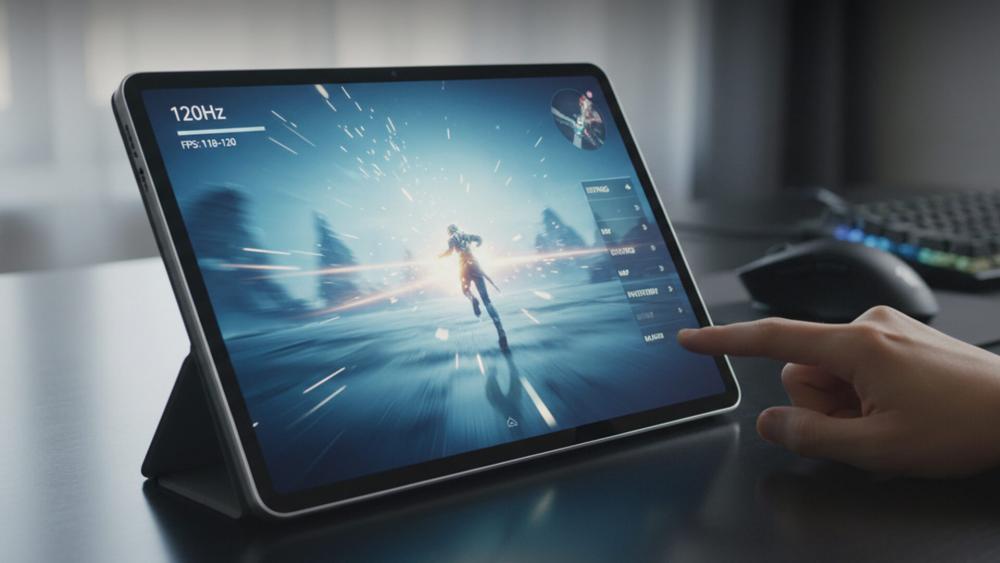
Specs matter just as much as screen size, especially if you game or multitask.
Processor Performance for Everyday Tasks
Most tablets with a 10-inch screen size are built for everyday performance. Browsing, streaming, casual gaming, and app switching are smooth thanks to efficient processors designed for mobile use.
For most users, performance will not be a limiting factor at this size, especially when paired with optimised mobile operating systems.
RAM and Storage Options at This Size
RAM options typically range from 4GB to 8GB, which is enough for multitasking and gaming at the 10-inch tablet screen size. Storage varies, so it is worth considering how many games, apps, and downloads you plan to keep locally.
Expandable storage can be a bonus for users who want flexibility without paying for higher internal storage tiers.
Refresh Rate and Display Smoothness Basics
Display smoothness is often overlooked. A higher tablet display refresh rate improves scrolling, gaming visuals, and overall responsiveness. While 60Hz is still common, higher refresh rates make the 10-inch tablet screen size feel more fluid, especially for gaming and fast-paced apps.
If display quality matters to you, this ties closely into overall 10-inch tablet display quality and how enjoyable the device feels day to day.
Wi-Fi Only vs Cellular 10-Inch Tablets
Connectivity options can change how and where you use your tablet.
Wi-Fi-Only Tablets for Home and Campus Use
Wi-Fi-only models are ideal for users who mainly stay at home, on campus, or near reliable networks. They are usually cheaper and can deliver excellent battery expectations when paired with a 10-inch tablet screen size.
For shared households, this setup works well for streaming, gaming, and general tablet size for home use.
4G and 5G Tablets for Mobility in the UK
Cellular tablets offer freedom from hotspots, making them useful for commuting or remote work. When comparing Wi-Fi vs cellular tablet UK options, consider data costs and how often you genuinely need connectivity on the move.
Mobile data can impact 10-inch tablet battery life, so balancing performance and portability is key.
Who a 10-Inch Tablet Is Best Suited For
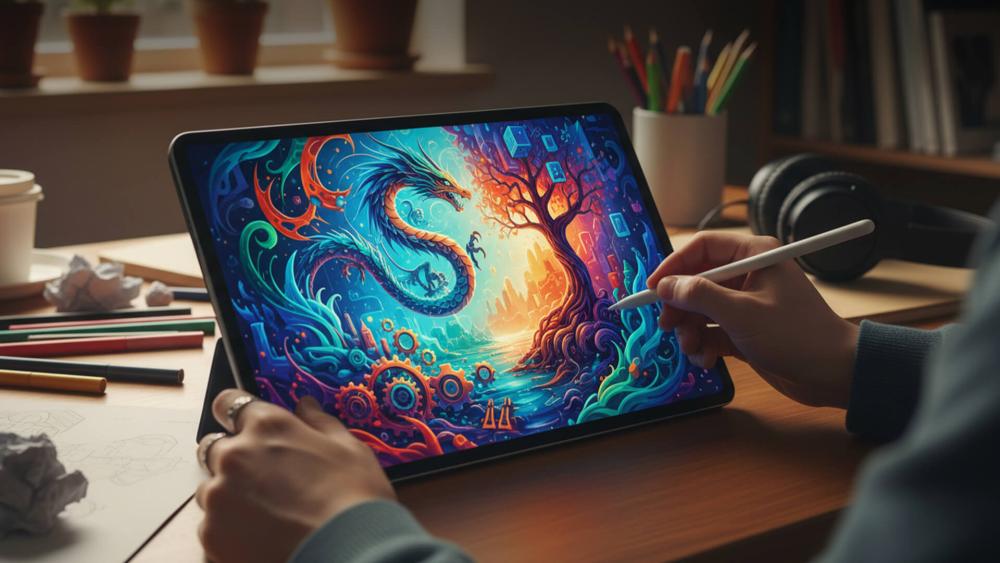
The versatility of this size is why it remains so popular.
Students and Study-Focused Use
For note-taking, research, and revision, the 10-inch tablet screen size offers enough space without becoming bulky. It is widely considered the ideal tablet screen size for students due to its portability and battery efficiency.
Professionals Needing Light Productivity
Emails, document edits, and video calls all work comfortably at this size. With the right accessories, you can even make your 10-inch tablet more productive for work on the go.
Families Sharing a Tablet at Home
Profiles, parental controls, and casual gaming all benefit from a balanced screen size. Many families prefer using a 10-inch tablet at home because it suits all ages without taking up too much space.
Creatives Using Stylus-Based Workflows
Drawing, sketching, and handwritten notes feel natural on a 10-inch tablet screen size, especially with good stylus compatibility and responsive displays.
If any of these use cases defines you, going for a 10-inch tablet is the right choice. Check out our blog on how to choose the right 10-inch tablet for some tips on getting the right tablet.
Conclusion
The 10-inch tablet screen size continues to offer the best balance between portability, performance, and usability. While larger tablets have their place, most users do not need the extra bulk. For gaming, studying, streaming, and everyday productivity, this size remains the most versatile option.
If you are still weighing up your options, understanding how you actually use a tablet is far more important than chasing the biggest screen available.
FAQs
What screen size qualifies as a 10-inch tablet?
A 10-inch tablet is measured diagonally across the display, typically ranging from 9.7 to 10.5 inches depending on the model and bezel design.
How different does a 12-inch tablet feel compared to a 10-inch model?
A 12-inch tablet feels noticeably larger and heavier, making it better for desk use but less comfortable for handheld sessions compared to a 10-inch tablet screen size.
Are 10-inch tablets comfortable for split-screen use?
Yes, most modern apps are optimised for the 10-inch tablet screen size, making split-screen multitasking practical for everyday tasks.
Is cellular connectivity necessary on a 10-inch tablet in the UK?
Only if you regularly use your tablet away from Wi-Fi. For home and campus use, Wi-Fi-only models are usually sufficient.
Who benefits most from choosing a 10-inch tablet size?
Students, families, casual gamers, and professionals needing light productivity benefit most from the balance offered by a 10-inch tablet screen size.
You can pay with:
*PayPal Credit Representative Example: Assumed credit limit £1,200, Representative 23.9% APR (variable). Purchase rate 23.9% p.a (variable).Terms & Conditions apply.


PayPal Credit and PayPal Pay in 3 are trading names of PayPal UK Ltd, 5 Fleet Place, London, United Kingdom, EC4M 7RD. Terms and conditions apply. Credit subject to status, UK residents only, Five Tech LTD acts as a broker and offers finance from a restricted range of finance providers. PayPal Pay in 3 is not regulated by the Financial Conduct Authority. Pay in 3 eligibility is subject to status and approval. 18+. UK residents only. Pay in 3 is a form of credit. Check if affordable and how you will repay. May make other borrowing more difficult or expensive. See product terms for more details.
Copyright © 1996-2026 Fivetech LTD | Terms and Conditions
box.co.uk & Box are trading names of Five Tech Limited. Registered office: Box LTD, Unit 10 Woodford Trading Estate, Woodford Green IG8 8HF