


 Menu
MenuMenu


Get Sales Advice from Mon - Fri 9am - 5:00pm:
020 3337 8950LAST UPDATED: March 30, 2026
How to Fix Lift-Off Distance & Tracking Jumps in Gaming Mice - Especially on Mouse Pads
If your mouse cursor suddenly skips, jitters or moves when you lift it slightly, you're likely dealing with gaming mouse lift-off distance (LOD) or sensor tracking issues.
These problems can be frustrating, especially in competitive games where precision matters. Whether it's mouse tracking jumps, inconsistent aim or random cursor movement, even small issues can impact your overall performance.
The good news is that most gaming mouse tracking issues are fixable. In this guide, we'll explain what lift-off distance is, why it causes problems, and how to fix it for smoother, more accurate gameplay.
If you're upgrading your setup, you can also explore a range of competitive gaming mice designed for better tracking and precision.
What Is Lift-Off Distance in a Gaming Mouse?
Lift-off distance (LOD) refers to how high you can lift your mouse off a surface before the sensor stops tracking movement.
For example:
- A low LOD means the mouse stops tracking quickly when lifted
- A high LOD means the mouse continues tracking even when slightly lifted
This might not sound important, but it directly affects gaming mouse accuracy, especially in fast-paced games.
Why Lift-Off Distance Matters for Tracking
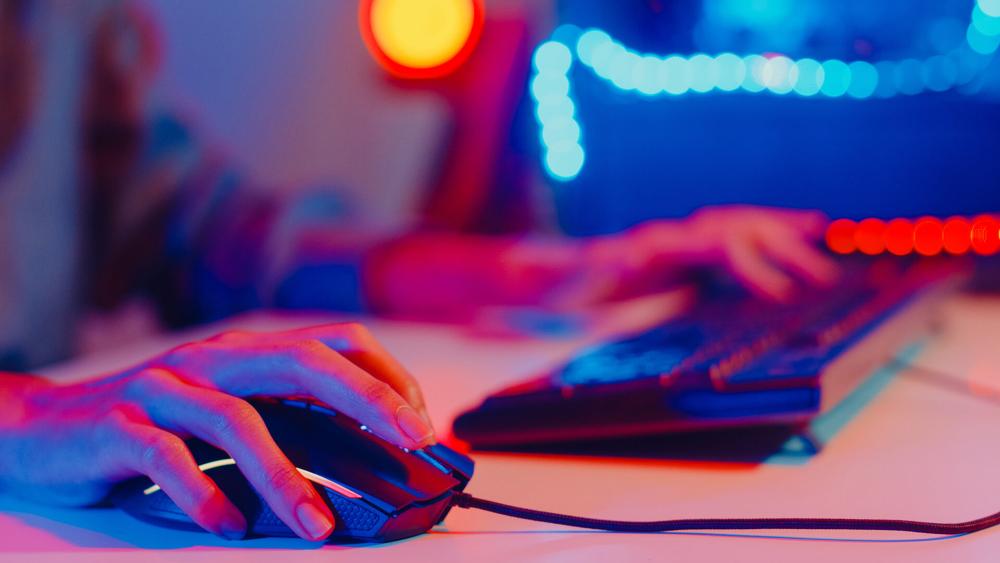
Lift-off distance becomes especially important during real gameplay, particularly when you need to reposition your mouse. This happens frequently in competitive games, especially if you play at low sensitivity, where large hand movements are required.
Every time you run out of mouse pad space, you naturally lift your mouse, reposition it, and continue aiming. Ideally, the sensor should stop tracking during this lift. However, if your mouse has a high lift-off distance (LOD), it may continue registering movement even when it's no longer fully in contact with the surface.
This can lead to subtle but frustrating issues such as small cursor movements while repositioning, unexpected aim shifts and inconsistent crosshair placement. In fast-paced games, even slight unwanted movement can throw off your accuracy and timing.
This is one of the most common causes of mouse cursor jumping, gaming mouse skipping and general mouse tracking issues. Many players assume their mouse sensor is faulty, when in reality, the problem is often caused by lift-off distance being too high for their playstyle.
A poorly optimised LOD can make your aim feel unpredictable, especially during quick resets or repeated repositioning, which are essential in competitive FPS gameplay.
Ideal Lift-Off Distance for Gaming
For most players, a low lift-off distance (typically between 1–2mm) is considered ideal for gaming.
A lower LOD ensures that the sensor stops tracking almost immediately when the mouse is lifted off the surface. This prevents any unwanted cursor movement and allows you to reposition your mouse cleanly without affecting your aim.
With a properly set low LOD, your mouse will only track when it is fully in contact with the mouse pad. This results in more consistent control, especially during repeated movements, flicks and adjustments.
A higher lift-off distance, on the other hand, may seem harmless at first but can lead to inconsistent tracking over time. Even slight sensor activity during repositioning can create small inaccuracies that build up during gameplay, making your aim feel less stable.
Many modern advanced PC mice now include adjustable lift-off distance settings in their software. This allows you to fine-tune how your mouse behaves based on your surface and playstyle. Lowering the LOD is usually recommended for competitive players, as it improves gaming mouse accuracy and overall control.
If you're experiencing sensor tracking problems or inconsistent aim, adjusting your lift-off distance is one of the simplest and most effective fixes.
Why Your Gaming Mouse Is Jumping or Skipping
Experiencing mouse tracking jumps, cursor skipping or inconsistent movement can be extremely frustrating especially during gameplay where precision matters. These issues are usually not caused by a single problem, but rather a combination of factors related to your mouse, surface and system setup.
Understanding the root cause is the first step toward fixing gaming mouse tracking issues and restoring smooth, reliable performance.
Common Causes of Mouse Tracking Issues
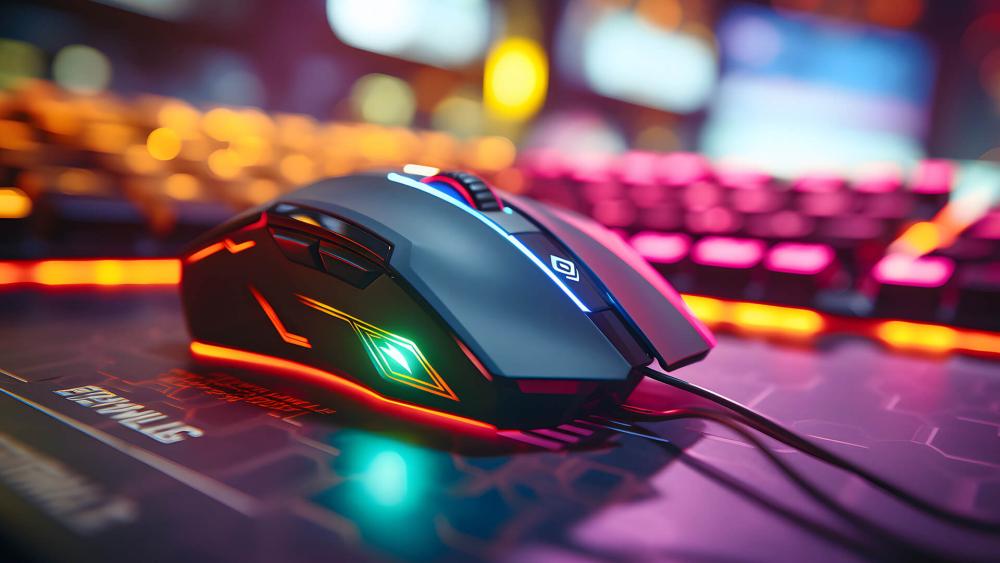
In most cases, mouse tracking problems come down to how the sensor interacts with your setup. Even high-end mice can behave unpredictably if one part of the system is not optimised properly.
1- Lift-Off Distance Misconfiguration
One of the most overlooked causes is incorrect gaming mouse lift-off distance (LOD). If the LOD is too high, the mouse continues tracking even when slightly lifted, causing unwanted cursor movement during repositioning. This often results in small aim shifts that feel like skipping or jitter.
2- Surface Incompatibility
Gaming mouse sensors are designed to work best on consistent, non-reflective surfaces. If your mouse pad or desk surface doesn't provide the right texture, the sensor may struggle to read movement accurately.
This can lead to:
- Inconsistent tracking speed
- Sudden cursor jumps
- Loss of precision during fast movements
3- Dirt, Dust or Sensor Obstruction
Even a small amount of dust or debris on the sensor can interfere with tracking. Since gaming mouse sensors rely on detecting surface detail, anything blocking the lens can distort the data being captured.
This often results in:
- Random skipping
- Unstable cursor movement
- Reduced tracking accuracy
4- Software and Calibration Issues
Incorrect settings in your mouse software can also affect performance. Features like surface calibration, LOD adjustment or firmware optimisation play a key role in how your mouse tracks.
If these are misconfigured, you may experience:
- Delayed or inconsistent input
- Tracking instability
- Poor responsiveness
Your mouse shape can also impact control and tracking, so it's worth exploring how shape affects control when choosing the right mouse for your grip style.
Mouse Pad Tracking Problems Explained
Your mouse pad is just as important as your mouse when it comes to gaming mouse tracking performance. The sensor constantly reads the surface beneath it, so any inconsistency in texture or material can affect how accurately movement is detected.
How Surface Texture Affects Tracking
Gaming mouse sensors work by analysing tiny details on the surface. A good mouse pad provides a consistent texture that allows the sensor to track movement accurately.
However, problematic surfaces can disrupt this process. For example, glossy or reflective materials can confuse the sensor, while uneven or worn-out surfaces may cause inconsistent readings.
Common Mouse Pad Issues
Many tracking problems are caused by worn or unsuitable mouse pads. Over time, mouse pads can develop smooth spots, uneven friction or dirt buildup, all of which affect sensor performance.
Typical issues include:
- Jitter during slow movements
- Skipping during fast swipes
- Inconsistent tracking across different areas of the pad
Why a Quality Mouse Pad Matters
Using a high-quality surface, such as control-focused mouse pads, helps maintain consistent tracking and improves overall accuracy. These mouse pads are designed to provide stable friction and uniform texture, allowing the sensor to perform at its best.
If you're experiencing persistent mouse pad tracking issues, upgrading your surface can often make a noticeable difference.
If you want a deeper understanding of optimising your setup, check out our complete gaming mouse performance guide for expert tips on improving accuracy and consistency.
Sensor Tracking Problems and Calibration Issues
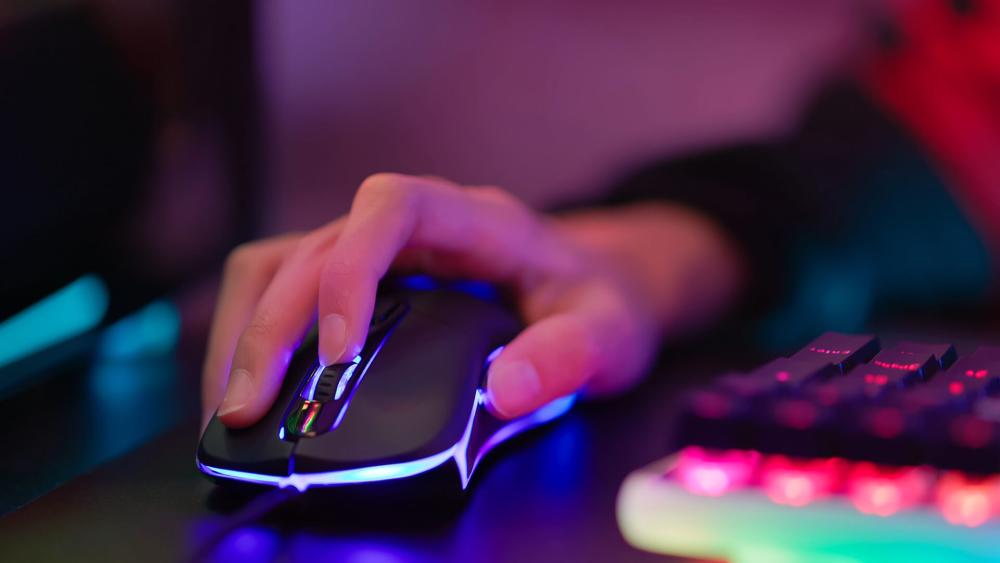
Modern gaming mouse sensors are highly advanced, but they still depend on proper calibration and setup to function correctly.
How Sensor Calibration Works
Some gaming mice include surface calibration features that allow the sensor to adjust to the specific texture of your mouse pad. This ensures that movement is tracked accurately and consistently.
If calibration is not set correctly or not used at all the sensor may misinterpret surface details, leading to tracking inconsistencies.
If you're still unsure how responsiveness impacts gameplay, learn more about how polling rate affects responsiveness and how it influences input feel.
Sensor Limitations and Surface Matching
Not all sensors perform equally on all surfaces. Some sensors are optimised for cloth mouse pads, while others perform better on hard surfaces.
A mismatch between your mouse and surface can cause:
- Tracking loss during fast movement
- Irregular cursor behaviour
- Reduced precision during aiming
Firmware and Sensor Optimisation
Outdated firmware or incorrect settings can also affect how your sensor performs. Manufacturers often release updates to improve tracking algorithms, stability, and compatibility.
Keeping your mouse software up to date ensures that your sensor operates at peak performance and reduces the likelihood of sensor tracking problems.
How to Fix Lift-Off Distance & Tracking Jumps
Fixing gaming mouse lift-off distance (LOD) and tracking issues isn't one single solution; it's optimising your entire setup. From software settings to your mouse pad surface, each factor plays a role in how your mouse sensor behaves.
Below are the most effective ways to fix mouse tracking jumps, skipping, and inconsistent aim.
1- Adjust Lift-Off Distance Settings
Why LOD Settings Matter
Many modern gaming mice allow you to adjust lift-off distance (LOD) through their software. This setting controls how high your mouse can be lifted before it stops tracking.
If your LOD is set too high, your mouse may continue tracking while slightly lifted, causing:
- Cursor movement during repositioning
- Small aim shifts
- Inconsistent crosshair placement
This is one of the most common causes of mouse cursor jumping in competitive games.
How to Optimise LOD
Lowering your LOD ensures the sensor stops tracking as soon as the mouse leaves the surface. This allows you to reposition cleanly without affecting your aim.
For best results:
- Set LOD to the lowest stable setting
- Test by lifting your mouse slightly and checking for movement
- Adjust until tracking stops immediately when lifted
A properly configured LOD improves gaming mouse accuracy and makes aim feel more consistent.
2- Clean Your Mouse Sensor Properly
How Dirt Affects Mouse Tracking
Your mouse sensor relies on reading tiny surface details. Even small amounts of dust, hair, or debris can interfere with this process.
When the sensor is obstructed, you may notice:
- Random cursor skipping
- Sudden tracking jumps
- Inconsistent or jittery movement
This is one of the simplest and most overlooked causes of gaming mouse tracking issues.
For a broader look at common issues and fixes, read our guide on why your gaming mouse feels off and how to troubleshoot performance problems effectively.
How to Clean Your Sensor Safely
To maintain optimal performance, regularly clean the sensor area:
- Use compressed air to remove loose dust
- Gently wipe around the sensor with a microfiber cloth
- Avoid applying liquid directly to the sensor
Cleaning only takes a few seconds but can significantly improve mouse tracking consistency.
3- Use the Right Mouse Pad Surface
Why Surface Quality Matters
Your mouse pad directly affects how your sensor tracks movement. Even the best gaming mouse can perform poorly on the wrong surface.
Sensors require a consistent texture to accurately detect motion. If the surface is uneven, reflective or worn out, it can cause:
- Tracking inconsistencies
- Cursor jitter
- Skipping during fast movements
Choosing the Right Mouse Pad
A high-quality surface can fix many mouse pad tracking issues instantly.
Look for:
- A consistent, uniform texture
- Non-reflective materials (cloth or matte surfaces)
- A stable base that doesn't move during gameplay
Control-focused mouse pads are especially good for improving stability and precision, making them ideal for competitive players.
4- Recalibrate Your Mouse Sensor
What Sensor Calibration Does
Many gaming mice include surface calibration tools that allow the sensor to adapt to your specific mouse pad.
Without calibration, the sensor may misinterpret surface details, leading to:
- Inconsistent tracking
- Reduced accuracy
- Unstable movement
How to Calibrate Your Mouse
If your mouse supports calibration:
- Open the manufacturer's software
- Run the surface calibration tool
- Follow the instructions to map your mouse pad
This helps the sensor optimise its tracking behaviour and improves overall gaming mouse performance.
5- Update Drivers and Firmware
Why Software Updates Matter
Outdated drivers or firmware can cause unexpected mouse tracking issues, even if your hardware is working correctly.
Manufacturers often release updates to:
- Improve sensor performance
- Fix bugs or tracking inconsistencies
- Optimise compatibility with newer systems
What to Check
To ensure your mouse is performing at its best:
- Update your mouse software
- Install the latest firmware
- Review settings such as DPI, polling rate and LOD
Keeping your system updated helps maintain smooth and reliable gaming mouse tracking.
6- Fine-Tune DPI and Sensitivity Settings
Why DPI Affects Tracking Stability
Your DPI setting determines how sensitive your mouse is. Very low or very high DPI settings can sometimes exaggerate tracking issues.
For example:
- Low DPI may require more physical movement, increasing repositioning errors
- Extremely high DPI can amplify small inconsistencies
Recommended Setup
For most users:
- Use 800–1600 DPI for balanced control
- Pair with in-game sensitivity adjustments
- Test different settings to find what feels consistent
A well-balanced DPI setup improves both tracking accuracy and overall control.
How Mouse Pads Affect Tracking Accuracy
Your mouse pad is just as important as your mouse when it comes to performance.
A poor-quality surface can cause:
- Tracking jumps
- Inconsistent movement
- Reduced precision
High-quality control-focused mouse pads provide:
- Better friction control
- More consistent tracking
- Improved accuracy
If your mouse feels off, your surface might be the issue.
Advanced Fixes for Persistent Tracking Issues
If basic fixes haven't resolved your gaming mouse tracking issues, it's time to fine-tune your setup further. These advanced adjustments can significantly improve sensor tracking accuracy, especially for competitive players.
Fine-Tuning Lift-Off Distance (LOD) for Your Playstyle
Not all players benefit from the same LOD settings. Your ideal configuration depends on how you use your mouse.
Low Sensitivity Players
If you use low sensitivity and frequently lift your mouse:
- Set LOD as low as possible (1–2mm)
- Prevents cursor movement during repositioning
- Improves consistency during large swipes
High Sensitivity Players
If you rarely lift your mouse:
- Slightly higher LOD may be acceptable
- Focus more on sensor stability and surface quality
Fine-tuning LOD based on your playstyle helps eliminate mouse tracking jumps and improves overall control.
DPI and Polling Rate Interaction
Your DPI and polling rate settings also affect how smoothly your mouse tracks.
- Higher polling rates (1000Hz–4000Hz+) increase responsiveness
- DPI affects how much movement is registered
For best results:
- Use 800–1600 DPI for balanced control
- Pair with a stable polling rate (1000Hz–4000Hz)
- Avoid extreme settings that exaggerate tracking issues
If you're unsure how polling impacts performance, it's worth understanding how polling rate affects responsiveness and overall input feel.
Surface Compatibility and Sensor Optimisation
Not all mouse sensors perform equally across different surfaces.
Cloth vs Hard Mouse Pads
- Cloth mouse pads: Better control, consistent tracking
- Hard surfaces: Faster glide, but may cause jitter
If you're experiencing mouse pad tracking issues, switching surfaces can instantly improve performance.
Using control-focused mouse pads is recommended for players who prioritise accuracy and stability.
Gaming Mouse Sensor Types Explained
Understanding your mouse sensor helps diagnose and fix mouse tracking issues more effectively. Here's a clear comparison:
Optical vs Laser Sensors
| Sensor Type | Key Features | Performance in Gaming | Best For |
| Optical Sensors | Uses LED light to track movement | More consistent tracking No acceleration issues Highly accurate on mouse pads | Competitive gaming, FPS players |
| Laser Sensors | Uses laser to detect surface detail | Works on more surfaces Can introduce acceleration Less consistent tracking | General use, multi-surface environments |
Key takeaway: Most competitive gaming mice use optical sensors because they offer better precision and consistency.
High-End vs Budget Sensors
| Sensor Type | Key Features | Performance | Limitations |
| High-End Sensors | Advanced tracking technology | High accuracy Minimal jitter Stable at high speeds | Higher cost |
| Budget Sensors | Basic tracking capability | Suitable for everyday use | Less accurate Struggles with fast movements Inconsistent tracking |
Quick Troubleshooting Checklist (Fix Mouse Tracking Fast)
If your mouse is still skipping or jumping, use this quick checklist:
Step-by-Step Fix
- Lower your lift-off distance (LOD)
- Clean your mouse sensor
- Switch to a high-quality mouse pad
- Recalibrate your mouse sensor
- Update drivers and firmware
- Adjust DPI and sensitivity
- Test different USB ports (rear motherboard ports recommended)
This checklist covers the most common causes of mouse tracking jumps and skipping issues.
Improve Your Setup for Better Mouse Performance
Fixing tracking issues isn't just about solving problems: it's also about improving your overall setup.
Using the right combination of:
- Competitive gaming mice
- Control-focused mouse pads
- Quality gaming setup accessories
can significantly enhance your consistency, comfort, and accuracy.
If you're upgrading your setup, explore the latest range of gaming mice and accessories designed for smoother tracking and better control.
Final Thoughts: Fixing Lift-Off Distance and Tracking Issues
Most gaming mouse tracking issues including lift-off distance problems, cursor jumping, and skipping are usually caused by setup mismatches rather than faulty hardware. Factors like incorrect LOD settings, poor surface quality, sensor calibration and outdated software can all impact how accurately your mouse tracks movement.
By optimising your gaming mouse lift-off distance, using a high-quality mouse pad, keeping your sensor clean and fine-tuning your settings, you can achieve smoother tracking, more consistent aim and better overall gaming performance. Even small adjustments can make a noticeable difference, especially in competitive games where precision and control are critical.
If you're still experiencing issues or looking to upgrade your setup, explore the latest range of gaming mice, mouse pads and gaming accessories at Box.co.uk to improve your tracking accuracy and overall performance.
Frequently Asked Questions
What is lift-off distance in a gaming mouse?
Lift-off distance (LOD) is the height at which your mouse stops tracking when lifted off a surface. Lower LOD improves accuracy by preventing unwanted cursor movement.
Why is my gaming mouse skipping or jumping?
This is usually caused by high LOD, poor mouse pad surface, dirty sensor, or incorrect settings. Fixing these can resolve most tracking issues.
Does a mouse pad affect tracking?
Yes, your mouse pad directly affects sensor performance. A consistent, high-quality surface improves tracking accuracy and reduces skipping.
How do I fix mouse tracking issues?
Adjust LOD, clean the sensor, use a better mouse pad, recalibrate the sensor, and update software to fix most issues.
What is the best lift-off distance for gaming?
A low lift-off distance (around 1–2mm) is ideal for most gamers, especially for competitive play.
You can pay with:
*PayPal Credit Representative Example: Assumed credit limit £1,200, Representative 23.9% APR (variable). Purchase rate 23.9% p.a (variable).Terms & Conditions apply.


PayPal Credit and PayPal Pay in 3 are trading names of PayPal UK Ltd, 5 Fleet Place, London, United Kingdom, EC4M 7RD. Terms and conditions apply. Credit subject to status, UK residents only, Five Tech LTD acts as a broker and offers finance from a restricted range of finance providers. PayPal Pay in 3 is not regulated by the Financial Conduct Authority. Pay in 3 eligibility is subject to status and approval. 18+. UK residents only. Pay in 3 is a form of credit. Check if affordable and how you will repay. May make other borrowing more difficult or expensive. See product terms for more details.
Copyright © 1996-2026 Fivetech LTD | Terms and Conditions
box.co.uk & Box are trading names of Five Tech Limited. Registered office: Box LTD, Unit 10 Woodford Trading Estate, Woodford Green IG8 8HF