


 Menu
MenuMenu


Get Sales Advice from Mon - Fri 9am - 5:00pm:
020 3337 8950LAST UPDATED: April 22, 2026
RTX 5080 vs RTX 4080: Should You Upgrade in 2026?
The jump from one GPU generation to the next is usually sold as a no-brainer. More power, better visuals, smarter AI features, and a cleaner path to 4K. With the RTX 5080 vs RTX 4080 comparison, the reality is a bit more nuanced. NVIDIA's GeForce RTX 5080 brings the newer Blackwell architecture, DLSS 4, Multi Frame Generation, faster GDDR7 memory, and stronger AI hardware than the RTX 4080. On paper, that sounds like a very easy upgrade case.
In practice, the answer depends on how you actually use your system. If you play at 1440p without leaning heavily on AI frame-generation features, the uplift can feel fairly modest. If you play at 4K, care about newer AI-assisted rendering features, or want a card that better matches the next few years of high-end games, the RTX 5080 starts to make a stronger case. Independent testing has generally found the 5080 to be only a small step ahead of the 4080 Super at 1440p, but more clearly ahead at 4K, while NVIDIA's own charts show much bigger gains when DLSS 4 Multi Frame Generation is part of the picture.
So, this guide is not about repeating launch hype. It is about whether the move from NVIDIA RTX 4080 to RTX 5080 actually changes your experience enough to justify the spend in 2026. We will break down the architecture shift, raw specs, gaming performance, power draw, efficiency, and where the upgrade makes sense for real buyers. If you are already browsing RTX gaming GPUs or checking the latest latest RTX 5080 GPUs, this should help you decide whether to upgrade now or sit this round out.
RTX 5080 vs RTX 4080: What's changed?
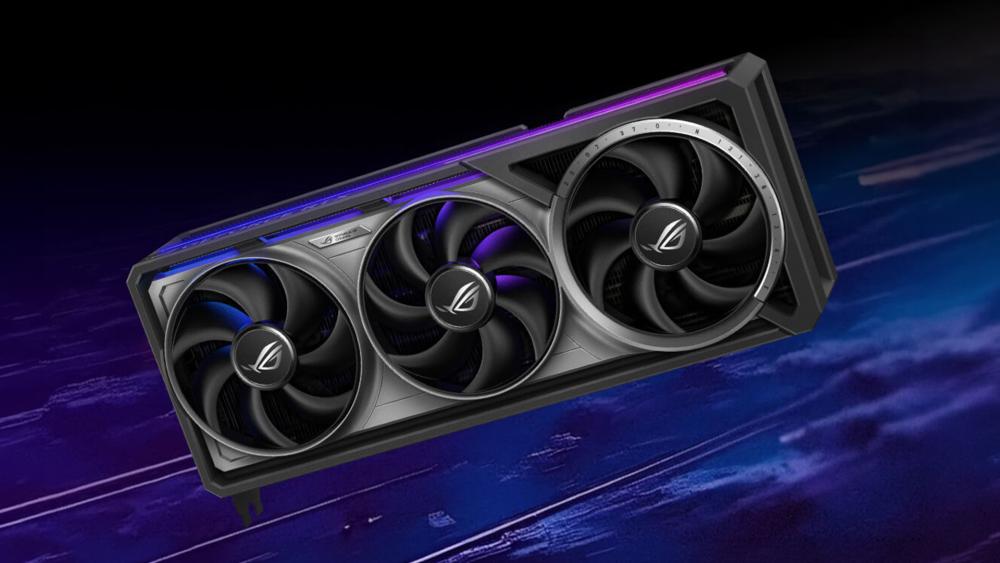
The jump from the RTX 4080 to the RTX 5080 is not just about a newer model number. NVIDIA has moved from Ada Lovelace to Blackwell, bringing updates to AI hardware, memory technology, and its wider rendering feature set. That means this comparison is not only about raw gaming performance, but also about what has changed under the hood and how those changes affect real-world use, from traditional raster performance to ray tracing, frame generation, and long-term value.
-
Architecture Improvements: Blackwell vs Ada
The biggest shift is architectural. The RTX 4080 is built on Ada Lovelace, while the RTX 5080 moves to Blackwell. That brings a newer AI and rendering stack, including 5th-generation Tensor Cores, 4th-generation RT Cores, and support for DLSS 4 with Multi Frame Generation. By comparison, the RTX 4080 uses 4th-generation Tensor Cores, 3rd-generation RT Cores, and supports DLSS 3.5.
That difference matters because the RTX 5080 is not only trying to be a faster raster GPU. NVIDIA is clearly pushing Blackwell as a more AI-dependent gaming platform. In plain English, that means the 5080's biggest generational advantages are tied not just to raw rendering, but to how it uses neural rendering and AI-generated frames to push smoother output at higher settings.
-
Core Specs and Hardware Differences
On paper, the move from RTX 4080 to RTX 5080 is not huge in every area, but there are still some important upgrades.
| Specification | RTX 4080 | RTX 5080 |
| CUDA cores | 9728 | 10752 |
| Architecture | Ada Lovelace | Blackwell |
| Memory | 16GB GDDR6X | 16GB GDDR7 |
| Memory Bus | 256-bit | 256-bit |
| AI performance | 780 AI TOPS | 1801 AI TOPS |
| Power | 320W total board power | 360W total graphics power |
| DLSS support | DLSS 3.5 | DLSS 4 with Multi Frame Generation |
| Reflex support | Reflex | Reflex 2 |
The most notable raw changes are the jump to GDDR7, the higher AI throughput, and the updated feature stack. Memory capacity stays the same at 16GB, which means this is not a VRAM capacity upgrade in the way some buyers may have hoped for.
-
Generational performance expectations
This is where expectations need managing. If you were hoping for the kind of dramatic leap older 80-class cards sometimes delivered, the RTX 5080 is more restrained. Based on independent review data, the 5080 is usually only modestly ahead of the 4080 Super in traditional gaming benchmarks, with larger gains appearing mostly at 4K and in workloads that benefit from Blackwell's new AI features. Compared with the original 4080, the gain is usually a bit larger, but still not what most people would describe as transformational.
That makes this a generation where the feature story matters almost as much as the raw frame-rate uplift.
Performance Comparison: RTX 4080 vs RTX 5080
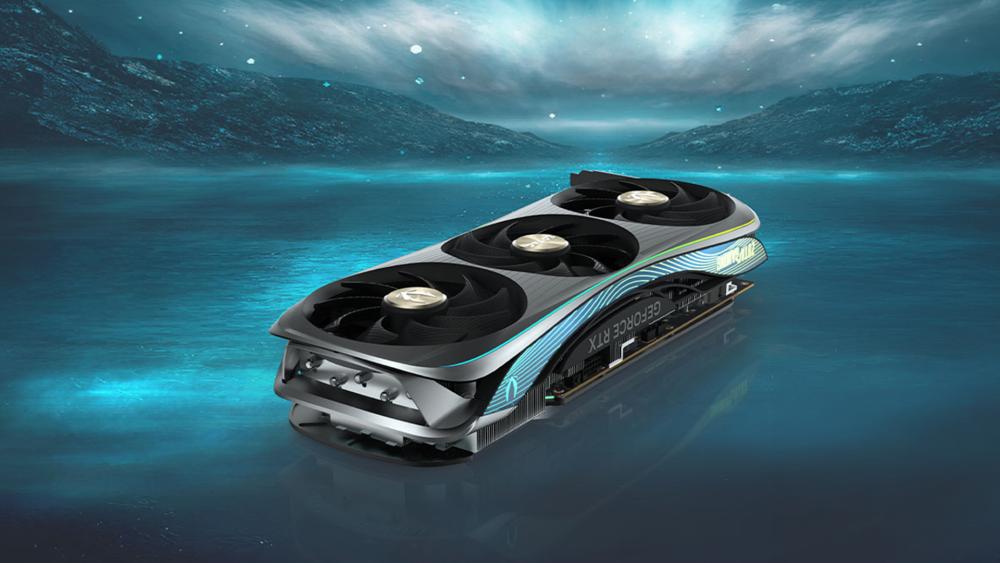
Specs only tell part of the story, so the real question is how those differences translate into actual gaming performance. The RTX 5080 is clearly the more advanced card on paper, but the size of the upgrade depends a lot on resolution, game type, and whether features like ray tracing and DLSS are part of the equation. Looking at 1440p, 4K, and AI-assisted rendering separately gives a much clearer picture of where the RTX 5080 genuinely pulls ahead and where the gap is less dramatic than the spec sheet might suggest.
-
1440p Gaming Performance
If you mainly play at 1440p, the RTX 5080 is clearly the faster card, but the upgrade is not always dramatic in the way some buyers might expect from a full generational jump. In most real-world 1440p gaming scenarios, the difference tends to feel more like a refinement than a complete leap forward, especially if your RTX 4080 is already delivering strong frame rates at high settings.
That means current RTX 4080 owners playing on a 1440p monitor may not notice a huge change in standard gaming performance alone. The RTX 5080 still brings clear advantages, but a lot of its extra appeal at this resolution comes from newer AI-driven features and longer-term platform improvements rather than a massive raw performance jump in every game.
-
4K Gaming Performance
At 4K, the RTX 5080 makes a stronger case as an upgrade. The generational gap is more noticeable at this resolution because the heavier workload gives the newer card more room to show its advantages, especially in demanding modern games and higher settings. While it is still not the kind of leap that completely reshapes the high-end market overnight, it is a more meaningful step forward than the 1440p results suggest. You can learn more about this in detail in our guide on can RTX 5080 run 4Kso do check it out.
That matters most for buyers using high refresh 4K displays or for those who want a bit more headroom for newer titles over the next few years. In that context, the RTX 5080 feels more naturally suited to 4K gaming than it does to 1440p, where the upgrade can feel harder to justify. If you are building around a 4K setup, it also makes sense to pair the card with the right high resolution gaming monitors so you can actually make the most of the extra performance.
-
Ray Tracing and AI Features
This is where the RTX 5080 starts to look more interesting as a next-generation card. Beyond the raw performance uplift, NVIDIA has updated the rendering and AI feature stack with newer RT Cores, newer Tensor Cores, DLSS 4, and Multi Frame Generation. That means the gap between the RTX 5080 and RTX 4080 is not only about standard frame rates, but also about how each card handles newer graphics features and AI-assisted performance tools.
The practical takeaway is straightforward. In traditional rendering, the RTX 5080 is a clear but fairly measured step forward. In games and workloads that make proper use of its newer AI-driven features, however, the upgrade can feel much more significant. That is why the RTX 5080 makes the strongest case for buyers who care about ray tracing, frame generation, and longer-term support for newer rendering technologies, not just higher conventional benchmark numbers.
Real-World Differences: Will You Notice the Upgrade?
On paper, the RTX 5080 is the stronger card, but specs and feature lists do not always tell you how noticeable an upgrade will feel once you are actually using it. The real answer depends on what you play, the resolution you game at, and whether your workload leans more towards traditional gaming, heavier modern titles, or creator-focused tasks. That is why it helps to look beyond the numbers and focus on where the upgrade genuinely changes the experience and where it may feel more incremental than dramatic.
-
Frame-Rate Gains in Modern Games
Whether you notice the difference depends heavily on your baseline. If you are coming from an RTX 4080, especially a system already delivering strong 1440p or 4K performance, the generational uplift will often feel more like refinement than reinvention. In some games, the improvement will be obvious. In others, it will mostly show up as a bit more breathing room at higher settings or in more demanding scenes.
If you are coming from older cards like the RTX 3080 or 3080 Ti, the story is much stronger. But for current 4080 owners, the jump is real rather than dramatic.
-
Performance in Demanding Titles
The upgrade makes more sense in newer, heavier games, especially at 4K with ray tracing or more aggressive settings. Titles that already push the RTX 4080 close to its comfort zone are the same ones most likely to show a more noticeable benefit on the 5080. NVIDIA's own positioning for the RTX 5080 leans into high-end 4K gaming, ray tracing, and AI-enhanced rendering rather than simple "more FPS in everything" messaging.
So, if your library is full of visually heavy modern games, you are more likely to feel the uplift than someone mostly playing lighter esports titles.
-
Creator and Productivity Workloads
The RTX 5080 is also aimed at more than gaming. NVIDIA continues to position GeForce RTX as a platform for creators, AI-assisted workflows, and accelerated productivity tasks. You can learn more about this and see why this is a good option in our RTX 50 Series upgrade guide that covers all aspects.
If you do video work, 3D rendering, streaming, or creator-side workloads alongside gaming, the 5080's newer AI hardware and broader Blackwell feature set strengthen the upgrade argument more than gaming alone does.
Power, Thermals and Efficiency
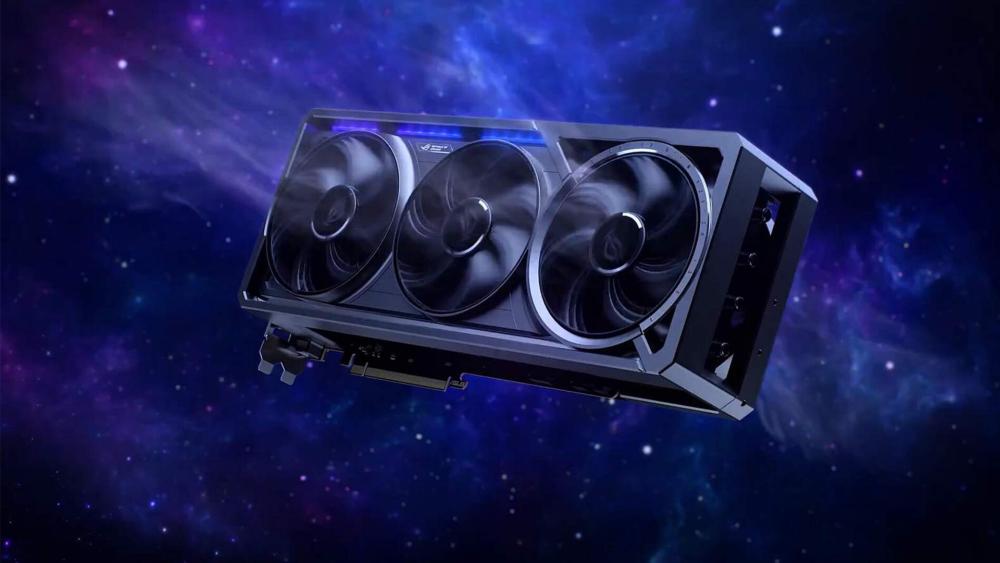
Performance is only part of the upgrade story. Power draw, cooling demands, and overall efficiency have a big impact on how practical a graphics card feels in a real system, especially if you are thinking about noise levels, case airflow, or whether your current power supply can handle the jump. This is where the RTX 5080 and RTX 4080 comparison becomes more than just a frame-rate discussion, because a stronger GPU also needs to make sense in terms of thermals, power requirements, and how efficiently it delivers that extra performance.
-
Power Consumption Differences
The RTX 4080 carries a 320W board power rating, while the RTX 5080 rises to 360W. NVIDIA also lists a recommended 850W system power supply for the RTX 5080, based on a Ryzen 9 9950X test system.
So yes, the 5080 does consume more power than the 4080 on paper. It is not a giant jump, but it is enough that your PSU and airflow deserve a proper check before upgrading. If you are planning a new build or a GPU-only swap, this is where PSUs for RTX 5080 builds become an important part of the conversation. If you want more information about the RTX 5080 PSU requirements, our guide can help.
-
Cooling and Thermal Performance
The reassuring part is that a higher power rating does not automatically mean worse thermal behaviour. In practice, the RTX 5080 is designed to pair that extra power with a newer, more efficient architecture, so the conversation is less about heat becoming a major problem and more about making sure the rest of the build is properly matched to the card.
That means thermals are not really the biggest concern for most buyers here. The more important question is whether the extra performance and newer features justify the upgrade in the first place, especially if your current RTX 4080 setup already runs comfortably.
-
Performance Per Watt
This is one of the more balanced parts of the upgrade story. Although the RTX 5080 has a higher listed power draw, that does not automatically make it a less efficient card. The newer Blackwell architecture is designed to deliver stronger performance without demanding a huge jump in power, which means the overall efficiency picture remains fairly solid.
The simplest way to look at it is this: the RTX 5080 does use more power on paper, but the increase is not out of proportion to the performance and feature gains it brings. So, while it is not a dramatic leap in efficiency, it is also not the kind of upgrade that raises major concerns on that front.
Price vs Performance: Is the Upgrade Worth It?
Once you get past the specs, benchmarks, and feature upgrades, the real question becomes much simpler: Does the RTX 5080 actually give you enough extra value to justify replacing an RTX 4080 in 2026? That depends less on whether the newer card is objectively better and more on how much that extra performance, newer AI features, and 4K headroom are worth for your setup, your games, and your budget.
-
Value for Current RTX 4080 Owners
This is the key audience, and the answer is mixed. If you already own an RTX 4080, the RTX 5080 is not the sort of upgrade that automatically makes your current card feel obsolete. You are getting a better GPU, but not a night-and-day leap in standard gaming performance. That makes the price-to-performance story less attractive for buyers who only want more raster FPS and nothing else.
-
When the Upgrade Makes Sense
The upgrade makes more sense if:
- You play at 4K more than 1440p
- You want access to DLSS 4 and Multi Frame Generation
- You care about AI-enhanced rendering and future-facing features
- You also use your GPU for creator or productivity tasks
- You are building a fresh rig rather than replacing a perfectly good 4080
If you are starting from scratch, browsing the best RTX 5080 graphics cards and pairing them with gaming PCs with RTX or a fresh DIY build makes a lot more sense than it does for a simple one-generation swap.
-
When You Should Skip
You should probably skip the upgrade if:
- You already own an RTX 4080 and mostly game at 1440p
- You are happy with current 4K performance
- You do not care much about DLSS 4 or Multi Frame Generation
- Your PSU or case setup would need extra spending just to support the upgrade
- You would rather wait for a bigger leap or a better-value refresh
This is not a bad GPU generation. It is just one where the smartest buyers need to be more selective.
Wrapping Up
For most current RTX 4080 owners, the honest answer is: probably not unless your use case matches the new strengths of the RTX 5080.
The RTX 5080 is clearly the better GPU. It has the newer Blackwell architecture, faster memory, much stronger AI hardware, DLSS 4, Multi Frame Generation, and a modest but real uplift in gaming performance. At 4K, that uplift matters more, and in AI-assisted workloads or future-facing rendering scenarios, the 5080 looks more compelling than raw frame-rate averages alone suggest. And if you are going for it, you might be interested in reading our RTX 5080 PC build guide before you start.
But if you already own a 4080 and your current setup still does what you need, this is not one of those generations where the old card suddenly feels left behind. For straightforward gaming, especially at 1440p, the jump is often too small to feel exciting for the money.
So, the clearest guidance is this:
- Upgrade if you want 4K-focused gains, DLSS 4, better AI features, and a more future-facing card.
- Skip if your RTX 4080 already handles your games well and you are hoping for a dramatic conventional performance leap.
That makes the RTX 5080 vs RTX 4080 decision less about whether the 5080 is better, and more about whether it is better enough for your setup in 2026.
FAQs
-
Is RTX 5080 better than RTX 4080?
Yes. The RTX 5080 is the stronger GPU overall, with newer Blackwell architecture, DLSS 4, Multi Frame Generation, faster GDDR7 memory, and modest but clear gaming gains over the RTX 4080.
-
Does the 5080 consume more power than the 4080?
Yes. The RTX 5080 is rated at 360W, while the RTX 4080 is rated at 320W. NVIDIA also recommends an 850W PSU for the RTX 5080 in a high-end desktop system.
-
Can a 4080 run 4K gaming?
Yes. The RTX 4080 is still a very capable 4K GPU, especially with DLSS support and sensible settings. The RTX 5080 simply gives you more headroom and newer AI-driven features on top.
-
What is the difference between 4080 and 5080 AI cores?
The RTX 4080 uses 4th-generation Tensor Cores and is rated at 780 AI TOPS, while the RTX 5080 uses 5th-generation Tensor Cores and is rated at 1801 AI TOPS. That is one of the biggest architectural changes between the two cards.
-
How many FPS can a 5080 run?
There is no single FPS answer because it depends on the game, settings, resolution, and whether features like DLSS 4 and Multi Frame Generation are enabled. In traditional benchmarks, it is generally only modestly faster than the 4080, but in supported AI-enhanced scenarios it can look much stronger.
You can pay with:
*PayPal Credit Representative Example: Assumed credit limit £1,200, Representative 23.9% APR (variable). Purchase rate 23.9% p.a (variable).Terms & Conditions apply.


PayPal Credit and PayPal Pay in 3 are trading names of PayPal UK Ltd, 5 Fleet Place, London, United Kingdom, EC4M 7RD. Terms and conditions apply. Credit subject to status, UK residents only, Five Tech LTD acts as a broker and offers finance from a restricted range of finance providers. PayPal Pay in 3 is not regulated by the Financial Conduct Authority. Pay in 3 eligibility is subject to status and approval. 18+. UK residents only. Pay in 3 is a form of credit. Check if affordable and how you will repay. May make other borrowing more difficult or expensive. See product terms for more details.
Copyright © 1996-2026 Fivetech LTD | Terms and Conditions
box.co.uk & Box are trading names of Five Tech Limited. Registered office: Box LTD, Unit 10 Woodford Trading Estate, Woodford Green IG8 8HF