


 Menu
MenuMenu


Get Sales Advice from Mon - Fri 9am - 5:00pm:
020 3337 8950LAST UPDATED: May 25, 2026
NVIDIA 50 Series vs. 40 Series: Is 50 Series Worth the Upgrade?
The Nvidia 50 vs 40 series laptop comparison is all about the value these machines bring to the users. One of the main concerns of someone upgrading or buying a new laptop is whether it is worth paying more for the latest GPU generation, or are RTX 40 laptops still the smarter buy while prices are more competitive?
For anyone comparing NVIDIA laptops in 2026, the answer depends on more than raw performance. RTX 50 laptops bring newer AI features, stronger long-term potential, and improvements for gaming and creative workloads. RTX 40 laptop GPUs, meanwhile, still offer excellent performance, especially if you find the right configuration at a lower price.
In this laptop GPU upgrade guide, we’ll do an RTX 50 Series laptops vs RTX 40 Series laptops comparison with focus on performance, features, thermals, battery expectations, and real upgrade scenarios. This guide aims to help you decide which generation makes more sense for your budget and workload.
NVIDIA RTX 50 Series vs 40 Series Laptops at a Glance
The Nvidia 50 vs 40 series comparison is not just about which GPU generation is newer. It is about whether the newer laptops offer enough extra performance, AI features, and long-term value to justify the higher price.
RTX 50 Series laptops are based on NVIDIA Blackwell, with stronger AI-focused features and support for newer DLSS technology. RTX 40 Series laptops use NVIDIA Ada Lovelace, which is still a very capable platform for gaming, content creation, and demanding everyday workloads. NVIDIA positions RTX 50 GPUs around Blackwell, AI horsepower, DLSS 4.5, gaming, and creator performance, while RTX 40 laptop GPUs are built around Ada Lovelace, DLSS 3, ray tracing, and AI Tensor Cores.
Quick Comparison: Nvidia RTX 50 vs RTX 40 Laptops
| Feature | RTX 50 Series Laptops | RTX 40 Series Laptops | What It Means for Buyers |
| Architecture | NVIDIA Blackwell | NVIDIA Ada Lovelace | RTX 50 has the newer platform, while RTX 40 remains proven and capable |
| DLSS support | DLSS 4.5 | DLSS 3 | RTX 50 offers the newer AI-assisted gaming feature set |
| Gaming focus | Stronger appeal for higher settings, ray tracing, and future titles | Still strong for 1080p and 1440p gaming | The right choice depends heavily on price and laptop configuration |
| Creator workloads | Better AI and GPU acceleration potential | Still useful for video editing, design, and rendering | RTX 50 is more attractive for heavier creative workloads |
| Pricing | Usually newer and more expensive | More likely to be discounted | RTX 40 can still offer better value if the savings are meaningful |
Are RTX 50 Series Laptops Worth Considering?
RTX 50 is worth considering if you want the latest AI features, stronger high-end performance, and better long-term headroom. This matters most if you are buying a laptop for demanding games, creative software, or workloads that can benefit from newer GPU acceleration.
That said, NVIDIA 40 Series laptops are not outdated. If you find a well-priced model with a strong CPU, good cooling, enough RAM, and a quality display, it can still be the more sensible purchase. This is especially true for users focused on 1080p gaming, 1440p gaming, school work, content editing, or general performance without paying early-adopter pricing.
What’s New with RTX 50 Series Laptop GPUs?
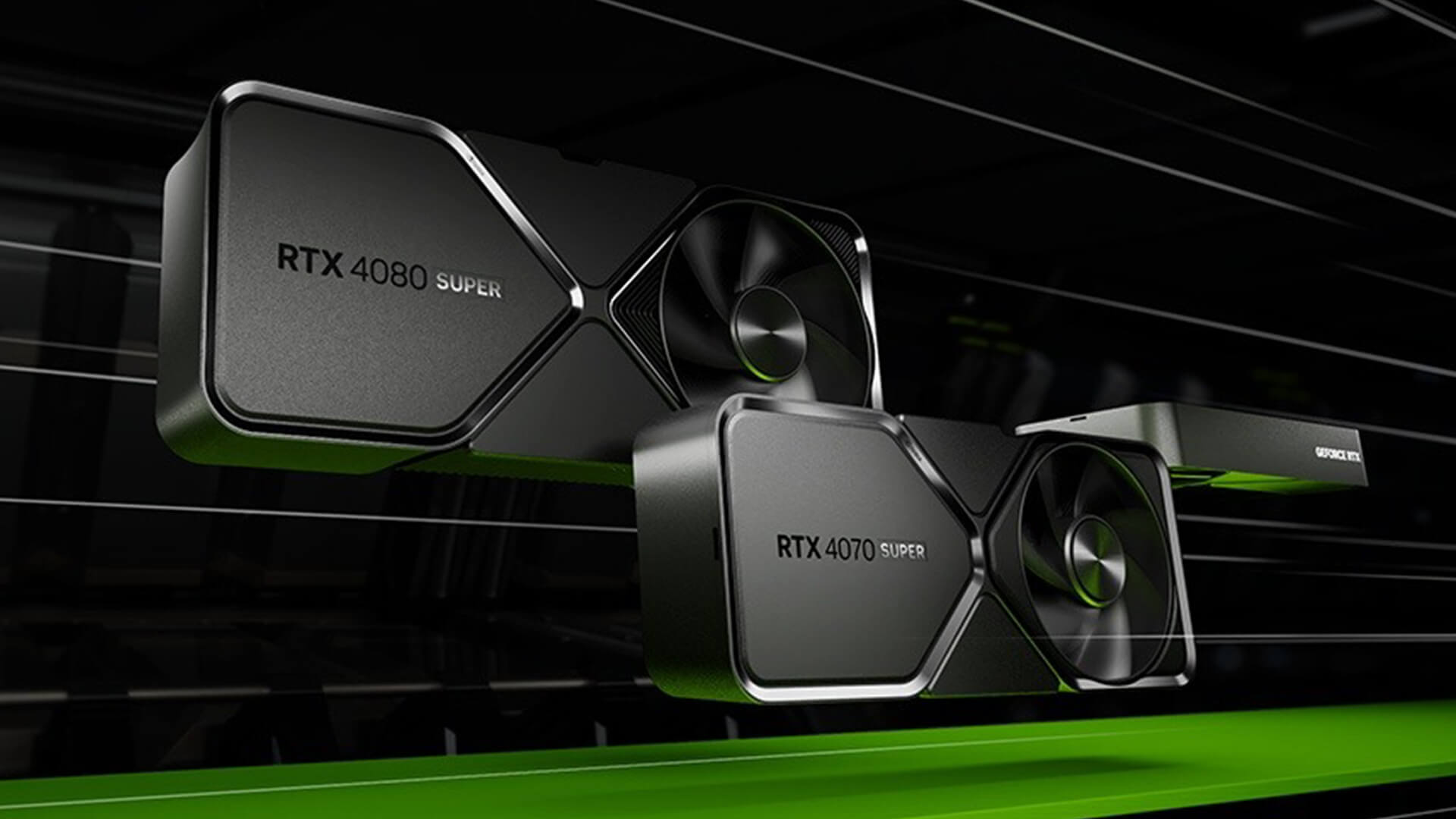
The main change in the Nvidia 50 vs 40 series is not simply that RTX 50 is newer. The bigger point is how the newer generation handles modern laptop workloads. Games are getting heavier, creative software is using more GPU acceleration, and AI-based features are becoming more common in everyday performance discussions.
For buyers, that means RTX 50 laptops should be judged by more than headline frame rates. The real value comes from how well the laptop handles demanding visuals, AI-assisted features, creative tasks, and future software support.
Blackwell Architecture in Simple Terms
RTX 50 laptop GPUs are based on NVIDIA Blackwell, while RTX 40 laptop GPUs use NVIDIA Ada Lovelace. In simple terms, Blackwell is the newer platform and is one of the reasons behind RTX 50 Series laptops being different and is better positioned for the latest AI-driven graphics features and heavier next-gen workloads.
That does not make RTX 40 a poor choice. Many RTX 40 laptops offer impressive performance for gaming, editing, streaming, and studying. The difference is that RTX 50 gives buyers more headroom if they are buying a machine they plan to keep for several years.
This is most relevant for people looking at NVIDIA 50 Series laptops for high-end gaming, creator work, or long-term use rather than basic day-to-day performance.
AI, DLSS, Frame Generation, and VRAM Improvements
One of the bigger reasons to consider an NVIDIA RTX 50 laptop upgrade is the newer AI feature set. RTX 50 laptops move the experience forward with DLSS 4.5 and will probably be the first option for DLSS 5, while RTX 40 laptops are associated with DLSS 3.
In supported games, this can help make demanding settings feel smoother, especially when features like ray tracing are switched on. The benefit will vary by game, resolution, and laptop configuration, so it should not be treated as a guaranteed upgrade in every title.
Frame generation is also worth understanding properly. It can improve perceived smoothness in supported games, but it works best when the base performance is already solid. So, a well-balanced laptop still matters more than choosing a GPU name in isolation.
VRAM also matters more as games and creative apps become heavier. Higher VRAM can help with detailed textures, larger project files, AI-assisted workloads, and smoother performance at higher resolutions. This is why it is very important to consider how much VRAM you need before finalising the purchase.
Why These Changes Matter Beyond Gaming
The RTX 50 upgrade path becomes more interesting if the laptop is being used for more than gaming. Creative workloads, AI tools, rendering, and editing software can all benefit from stronger GPU acceleration, depending on the app and project size.
For users looking for a video editing laptop that can handle 3D tools or AI-supported creative software, the extra headroom in RTX 50 can be useful. It gives the laptop more room to handle heavier projects over time.
This is where NVIDIA laptops with RTX 50 graphics may make sense for creators, streamers, and users who want one machine for gaming and work. Higher-end options, such as RTX 5090 Laptops, are likely to appeal most to people who need top-tier performance rather than casual users looking for the best-value deal.
RTX 50 vs RTX 40 Laptop Performance in Real Use
The real-world Nvidia 50 vs 40 series performance gap depends heavily on the laptop, not just the GPU name. A higher-power RTX 40 model can sometimes feel closer to a lower-power RTX 50 laptop than buyers might expect, especially if cooling, CPU pairing, or display resolution limits the result.
1080p Gaming
At 1080p, the jump from RTX 40 to RTX 50 may not always feel dramatic. Many games are already smooth on well-specced RTX 40 laptops, especially esports titles and less demanding single-player games.
This is where CPU performance, refresh rate, and cooling can matter as much as the GPU. If the laptop is mainly for 1080p gaming, an RTX 40 machine can still make sense if the price is right.
1440p and High-Refresh Gaming
The gap becomes more noticeable at higher resolutions and settings. 1440p gaming puts more pressure on the GPU, so RTX 50 has more room to show its advantage in newer titles, ray-traced games, and high-refresh displays.
This matters for buyers comparing RTX 50 vs RTX 40 laptop performance for demanding games rather than casual play. If you want smoother results at higher settings, RTX 50 is the stronger direction.
Creative Workloads and Editing
For creators, the benefit depends on the software. GPU-heavy timelines, rendering, effects work, and AI-assisted tools can make RTX 50 more appealing than RTX 40.
A video editing laptop with a stronger RTX 50 GPU may feel faster when exporting complex projects or working with higher-resolution footage. For lighter editing, design work, or student projects, RTX 40 can still be more than enough.
When the Performance Gap Feels Smaller
The difference can shrink when the laptop has a low GPU TGP, weak cooling, limited RAM, or a display that cannot show the extra performance. This is why the RTX 50 laptop vs RTX 40 laptop comparison should always include the full spec sheet.
For example, RTX 5080 Laptops and RTX 5070 Ti Laptops offer stronger performance tiers, but a well-priced RTX 4070 Laptop can still be attractive if the configuration is balanced.
The Laptop Specs That Matter Beyond the GPU
When upgrading the laptop, you should look at the full machine, not just the graphics chip. Two laptops with similar RTX branding can perform differently if the supporting specs are not on the same level.
GPU TGP and Cooling
GPU TGP tells you how much power the graphics chip can use. Higher power limits can improve performance, but only if the cooling system can manage the heat.
This is why laptop thermals matter so much. A slim laptop may look more portable, but a thicker chassis can sometimes maintain better performance during long gaming, rendering, or editing sessions.
CPU, RAM, and Storage Balance
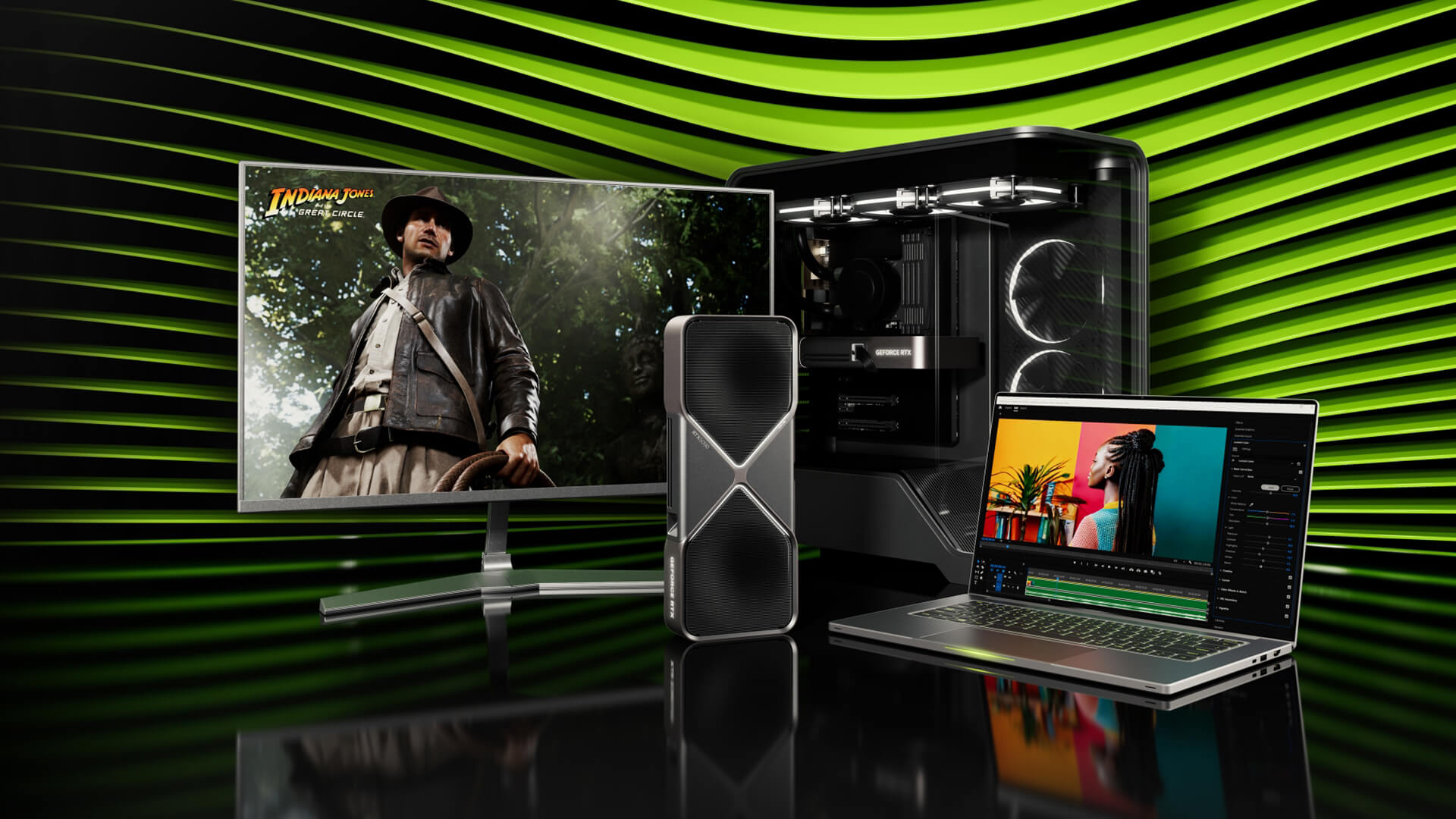
A strong GPU needs the right supporting hardware. A weak CPU can limit gaming performance, while low RAM can slow down multitasking, creative software, and heavier browser use.
For most users, 16GB RAM should be the practical starting point. Creators, streamers, and heavier multitaskers should consider more if the budget allows. Fast SSD storage is also important, especially for large games and project files.
Display Quality and Resolution
The screen affects how much benefit you see from the GPU. A high-refresh 1080p display is useful for competitive play, while sharper panels are better for detailed visuals, editing, and immersive games.
This is where a comparison of gaming laptops and creator laptops gets interesting. A fast display matters more for esports, while colour quality and resolution matter more for design, editing, and content work.
Battery Life and Portability
Even efficient NVIDIA laptops are usually at their best when plugged in during demanding tasks. Battery life matters for lectures, travel, and general work, but gaming or rendering on battery will usually reduce performance.
Good battery efficiency is still useful, especially if you need a laptop that can move between work, study, and entertainment without feeling tied to a desk all day.
When comparing options such as RTX 4060 Laptops, RTX 4080 Laptops, and RTX 5060 Laptops, look closely at the cooling design, display, RAM, CPU, and power limits before judging value.
Which Generation Makes More Sense for Your Use Case?
The Nvidia 50 vs 40 series choice becomes easier when you match the laptop to how it will be used. A student, competitive gamer, editor, and AAA player will not all need the same GPU tier.
Competitive Gamers
Competitive players should prioritise high refresh rates, low latency, and stable performance. RTX 50 can help if you are buying a high-end esports machine, but NVIDIA 40 Series laptops still make sense for 1080p competitive gaming when paired with a strong CPU and fast display.
AAA Gamers
For newer AAA games, RTX 50 has the stronger long-term case. It is better suited to higher settings, heavier visuals, and more demanding releases over the next few years.
That said, high-end RTX 40 options can still be a strong buy. For example, RTX 4090 Laptops may still appeal to users who want serious performance without automatically moving to the newest generation.
Creators and Video Editors
Creators should look at workload size first. Light editing, design work, and social content do not always need the latest GPU. Heavier timelines, 3D projects, and AI-assisted tools make NVIDIA 50 Series laptops more attractive.
Students and Everyday Power Users
Students do not need to overbuy unless they are gaming, editing, coding, or running demanding software. A lower-tier RTX laptop can still cover study, streaming, light creative work, and casual gaming.
For example, RTX 4050 Laptops can be a practical starting point for users who want dedicated graphics without paying for top-end performance.
Current RTX 40 Laptop Owners
Existing RTX 40 owners should only consider upgrading if their laptop is clearly holding them back. If it still handles your games, apps, and daily work smoothly, the move to RTX 50 is more of a want than a need.
For buyers moving up a tier, RTX 5070 Laptops may be worth comparing against current mid-range and upper-mid-range RTX 40 options.
Should You Upgrade from an RTX 40 Series Laptop?
For current RTX 40 owners, the upgrade decision should start with one simple question: Is your current laptop limiting what you do?
Upgrade if Your Current Laptop is Holding You Back
An upgrade makes sense if newer games need too many settings lowered, creative projects are taking longer than expected, or your laptop struggles with heavier multitasking. It may also be worth considering if you are moving to a sharper, faster external display and need more GPU headroom.
Keep Your RTX 40 Laptop if it Still Feels Fast
If your laptop still runs your main games and software smoothly, there is no urgent need to replace it. Many RTX 40 machines remain strong for gaming, study, streaming, and content work, especially when the rest of the specification is solid.
When Waiting Makes More Sense
Waiting can be smarter if RTX 50 pricing is high, model choice is limited, or your current laptop has plenty of life left. More availability usually means better comparisons, stronger deals, and a clearer view of which models are genuinely worth buying.
However, if you are considering a lower-cost move into the newer generation, RTX 5050 Laptops may be worth watching as more options become available.
Should New Buyers Choose RTX 50 Series or RTX 40 Series Laptops?
For new buyers, the Nvidia 50 vs 40 series decision depends on budget, timing, and how long you plan to keep the laptop. RTX 50 is the stronger choice if you want newer features and longer-term headroom, while RTX 40 can still be the better deal when the discount is meaningful.
Choose RTX 50 if the Price Gap is Reasonable
RTX 50 makes sense if the price difference is not too high and you want a laptop that feels better prepared for future games, creative apps, and AI-supported workloads. This is especially true for buyers comparing powerful laptops, where the extra spend can be easier to justify. Once you have decided to go for a 50 Series model, the next step is choosing the right tier, from RTX 5050 to RTX 5090, depending on your gaming and creator needs.
Choose RTX 40 if the Savings are Big
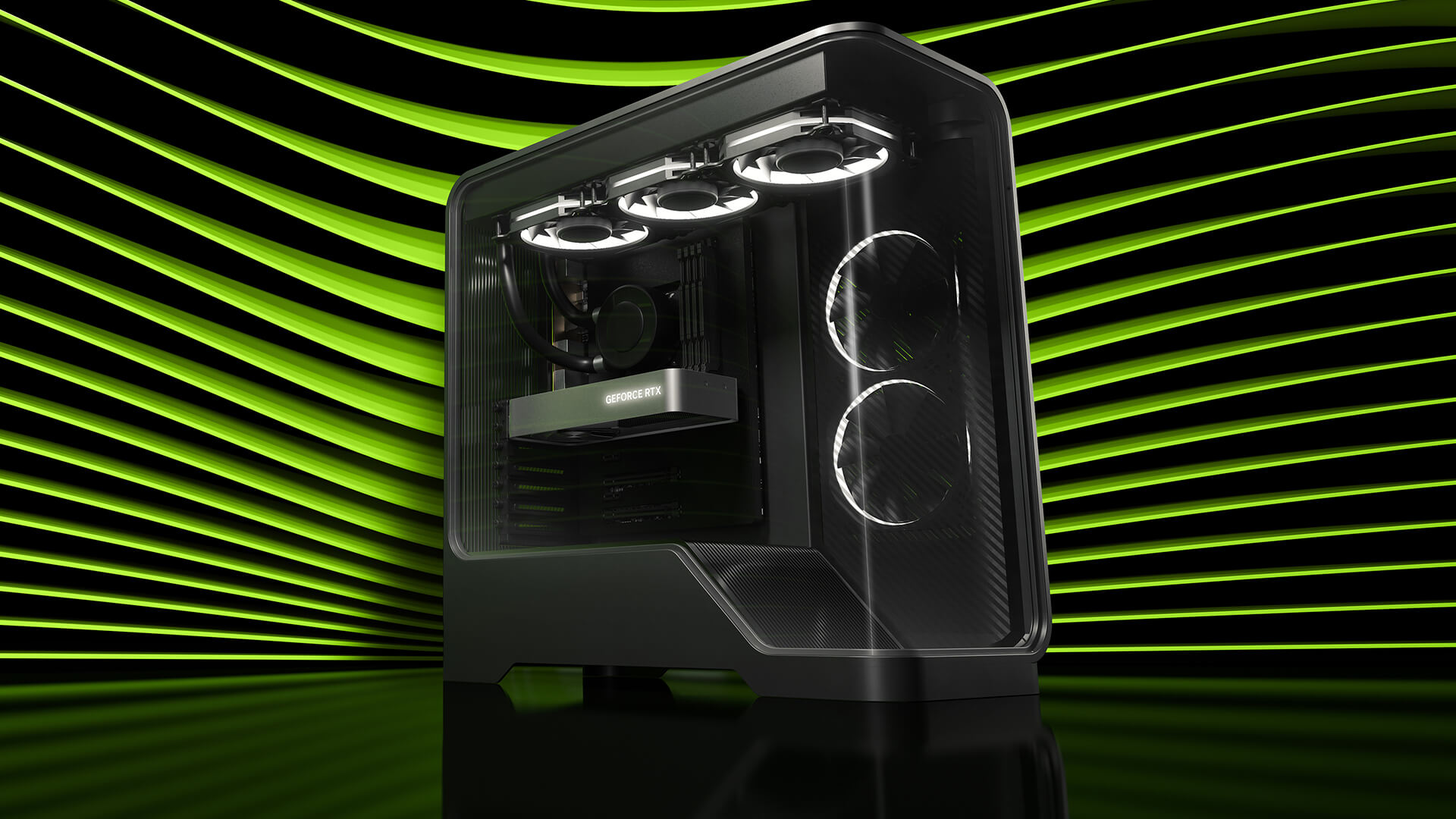
An RTX 40 laptop is still worth buying if it offers the right mix of GPU power, CPU, RAM, display quality, and price. If an RTX 40 model costs noticeably less than a similar RTX 50 laptop, it may deliver better value for 1080p gaming, 1440p gaming, study, or everyday creative work.
Compare the Full Laptop, not just the GPU
A fair comparison should include the whole specification. Check the GPU power limit, cooling design, display refresh rate, RAM, storage, processor, warranty, and price difference before deciding.
Final Verdict: Is NVIDIA 50 Series Worth the Upgrade?
The Nvidia 50 vs 40 series decision comes down to value, not just which generation is newer. RTX 50 laptops are the stronger choice if you want the latest AI features, better long-term headroom, and more confidence with demanding games or creative workloads over the next few years.
That said, NVIDIA 40 Series laptops still make plenty of sense when the price is right. If an RTX 40 model has a strong overall specification and costs noticeably less than a similar RTX 50 option, it can still be the smarter buy for many gamers, students, and creators.
So, is RTX 50 worth it? Yes, if the price gap is reasonable, and you will benefit from the newer feature set. If your workload is lighter or you find a strong RTX 40 deal, the older generation is far from outdated. The best choice is the laptop that gives you the right mix of performance, cooling, display quality, and price.
Frequently Asked Questions
Is the RTX 50 Series much better than the RTX 40 Series in laptops?
RTX 50 Series laptops are better if you want the newest GPU features, stronger AI support, and more long-term performance headroom. However, the difference will not feel equally large in every laptop or every game.
Should I upgrade from an RTX 4060 or RTX 4070 laptop to an RTX 50 Series?
Upgrade only if your current laptop is limiting your games, creative work, or display setup. If your RTX 4060 or RTX 4070 laptop still runs everything smoothly, it is usually better to wait for stronger pricing or clearer model comparisons.
Are RTX 40 Series laptops still worth buying?
Yes, RTX 40 Series laptops are still worth buying when the price is right. A well-specced RTX 40 laptop can still deliver strong gaming, study, editing, and everyday performance.
Is RTX 50 Series better for creators than RTX 40 Series?
RTX 50 Series can be better for creators using heavier video editing, 3D work, rendering, or AI-supported tools. For lighter creative tasks, RTX 40 Series laptops can still be more than enough.
Which offers better value: RTX 50 Series or RTX 40 Series laptops?
RTX 50 Series offers better value if the price gap is small and you want the latest features. RTX 40 Series is the right pick if it is heavily discounted and still meets your performance needs.
You can pay with:
*PayPal Credit Representative Example: Assumed credit limit £1,200, Representative 23.9% APR (variable). Purchase rate 23.9% p.a (variable).Terms & Conditions apply.


PayPal Credit and PayPal Pay in 3 are trading names of PayPal UK Ltd, 5 Fleet Place, London, United Kingdom, EC4M 7RD. Terms and conditions apply. Credit subject to status, UK residents only, Five Tech LTD acts as a broker and offers finance from a restricted range of finance providers. PayPal Pay in 3 is not regulated by the Financial Conduct Authority. Pay in 3 eligibility is subject to status and approval. 18+. UK residents only. Pay in 3 is a form of credit. Check if affordable and how you will repay. May make other borrowing more difficult or expensive. See product terms for more details.
Copyright © 1996-2026 Fivetech LTD | Terms and Conditions
box.co.uk & Box are trading names of Five Tech Limited. Registered office: Box LTD, Unit 10 Woodford Trading Estate, Woodford Green IG8 8HF