


 Menu
MenuMenu


Get Sales Advice from Mon - Fri 9am - 5:00pm:
020 3337 8950LAST UPDATED: June 03, 2026
RTX 5050 vs 5060: Which Blackwell GPU Makes More Sense for Gamers?
The RTX 5050 vs 5060 choice comes down to how much gaming headroom you really need. Both GPUs sit in NVIDIA’s Blackwell range and support modern RTX features such as DLSS 4, ray tracing and frame generation, but they are built for different types of gamers. The RTX 5050 is the entry-level option, while the RTX 5060 is the stronger step up for players who want smoother 1080p performance and fewer compromises in newer games.
For budget gaming builds, the Nvidia 5050 makes sense if you mainly play esports, lighter titles or games at tuned settings. The Nvidia 5060, on the other hand, gives you more performance headroom thanks to a higher CUDA core count and faster GDDR7 memory, which should help in more demanding games and high-refresh 1080p setups.
This guide compares performance, specs, ray tracing, DLSS, and value of RTX 5050 and 5060 GPUs. It helps you decide whether the cheaper entry-level GPU is enough or whether the 5060 RTX card is the smarter long-term gaming upgrade.
RTX 5050 vs 5060 at a Glance
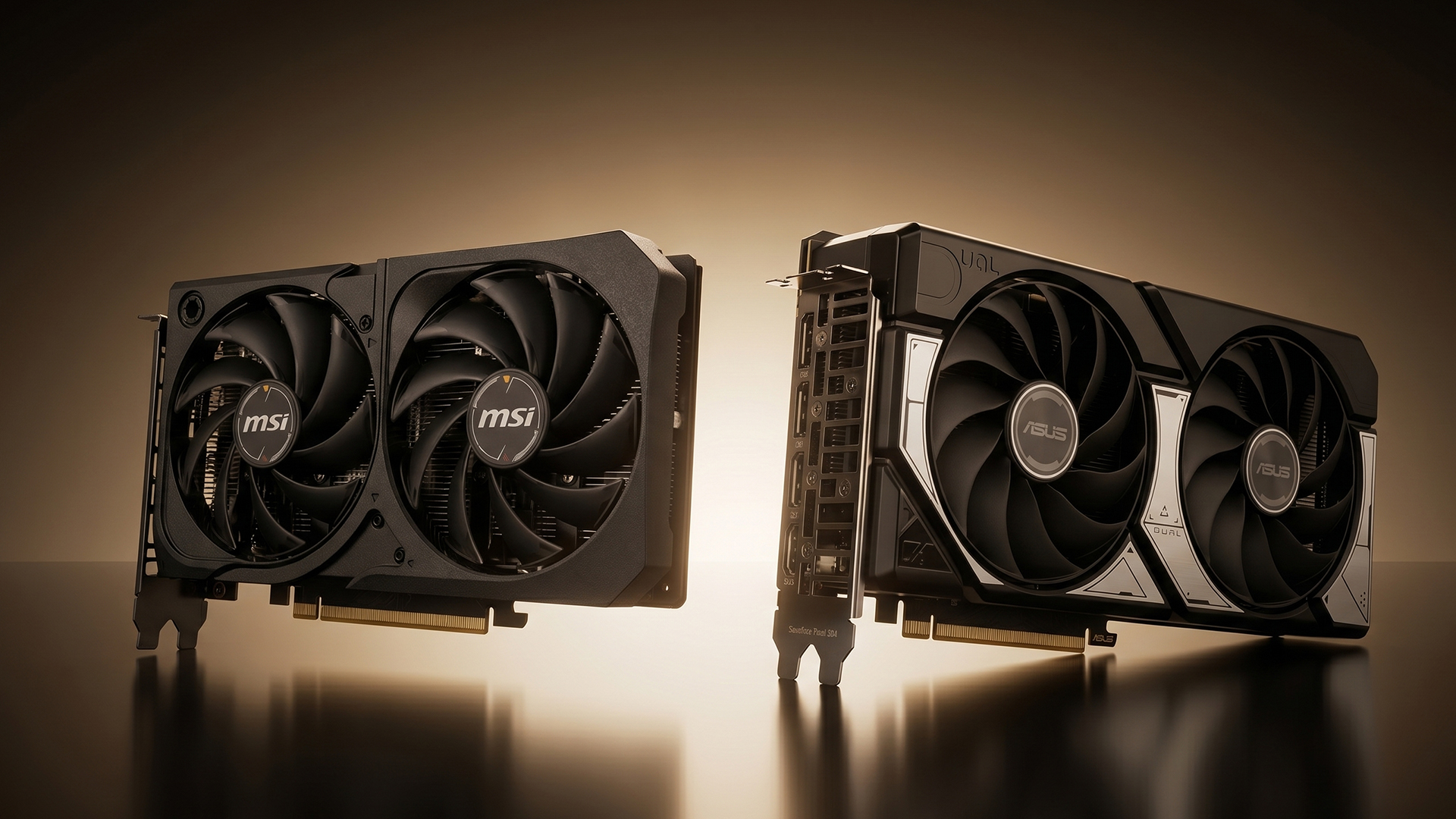
The RTX 5050 vs 5060 comparison is mainly about how much extra gaming room you want above entry-level. Both sit in the same 50 series RTX GPU family, but the RTX 5050 is built for lower-cost 1080p gaming, while the RTX 5060 gives more headroom for higher settings, newer games and faster displays.
Where Each Card Sits in the RTX 50 Series
The RTX 5050 is the starting point for Blackwell desktop gaming, while the RTX 5060 sits one step above it as the stronger mainstream option. Both support modern RTX features, including ray tracing and DLSS, but the RTX 5060 has a stronger hardware base for games that need more GPU power. The RTX 5050 comes with 2,560 Blackwell CUDA cores and 8GB of GDDR6 memory, while the RTX 5060 offers 3,840 CUDA cores and 8GB of GDDR7 memory.
Who the RTX 5050 Is Aimed At
The RTX 5050 is aimed at players building on a tighter budget. It makes sense for esports, older games, lighter titles and tuned 1080p settings. A 5050 RTX GPU can also be a practical upgrade over much older hardware if the goal is to access newer RTX features without stretching the full PC budget.
Who the RTX 5060 Is Aimed At
The RTX 5060 is for gamers who want stronger 1080p performance and better long-term value. It is the more sensible choice for newer AAA games, high-refresh 1080p gaming and light 1440p gaming, where the extra performance headroom can make a noticeable difference.
| Area | RTX 5050 | RTX 5060 |
| Market position | Entry-level GPU | Stronger mainstream option |
| Best gaming target | 1080p casual or tuned settings | 1080p high settings and some 1440p |
| Best buyer | Strict budget builds | Gamers wanting more headroom |
| Memory focus | 8GB GDDR6 | 8GB GDDR7 |
| Main advantage | Lower initial cost | Better performance headroom |
| Main limitation | Less AAA and ray tracing headroom | Higher cost |
Specs Difference Between RTX 5050 and RTX 5060
The main hardware gap in the RTX 5050 vs 5060 comparison is not VRAM size, as both cards sit at 8GB. The bigger difference is the GPU underneath: the RTX 5060 has more cores, faster memory and stronger bandwidth, which gives it more room for modern games. Here is a quick comparison of the core specs of both video cards.
| Specification | RTX 5050 | RTX 5060 |
| Architecture | Blackwell | Blackwell |
| CUDA cores | 2,560 | 3,840 |
| VRAM | 8GB | 8GB |
| Memory type | GDDR6 | GDDR7 |
| Memory interface | 128-bit | 128-bit |
| Memory bandwidth | 320GB/s | 448GB/s |
| Ray tracing cores | 4th Gen | 4th Gen |
| Tensor cores | 5th Gen | 5th Gen |
| Base clock | 2.31GHz | 2.28GHz |
| Boost clock | 2.57GHz | 2.50GHz |
| Target tier | Entry-level GPU | Mainstream step-up |
CUDA Cores and Core Configuration
The RTX 5050 is the lighter card in the Blackwell GPU lineup, with 2,560 CUDA cores. The RTX 5060 steps up to 3,840 CUDA cores, which gives it a stronger base for gaming, ray tracing and heavier graphics workloads. That higher CUDA core count is one reason the 5060 RTX card should perform better in newer titles.
Memory Type and Bandwidth
Both GPUs use 8GB of memory, but the type of memory is different. The RTX 5050 uses GDDR6, while the RTX 5060 uses faster GDDR7 memory. This matters because higher memory bandwidth helps the card move game data more quickly, which can improve performance in heavier scenes, high-resolution textures and demanding 1080p settings.
Power, Clocks and Platform Differences
The RTX 5060 also has a slightly stronger performance ceiling. It is built for gamers who want more than entry-level performance, while the RTX 5050 keeps power and cost lower for simpler builds. Both support Blackwell features such as DLSS, ray tracing, Reflex and PCIe Gen 5, but the Nvidia 5060 has more hardware headroom to make better use of those features.
RTX 5050 vs 5060: Gaming Performance
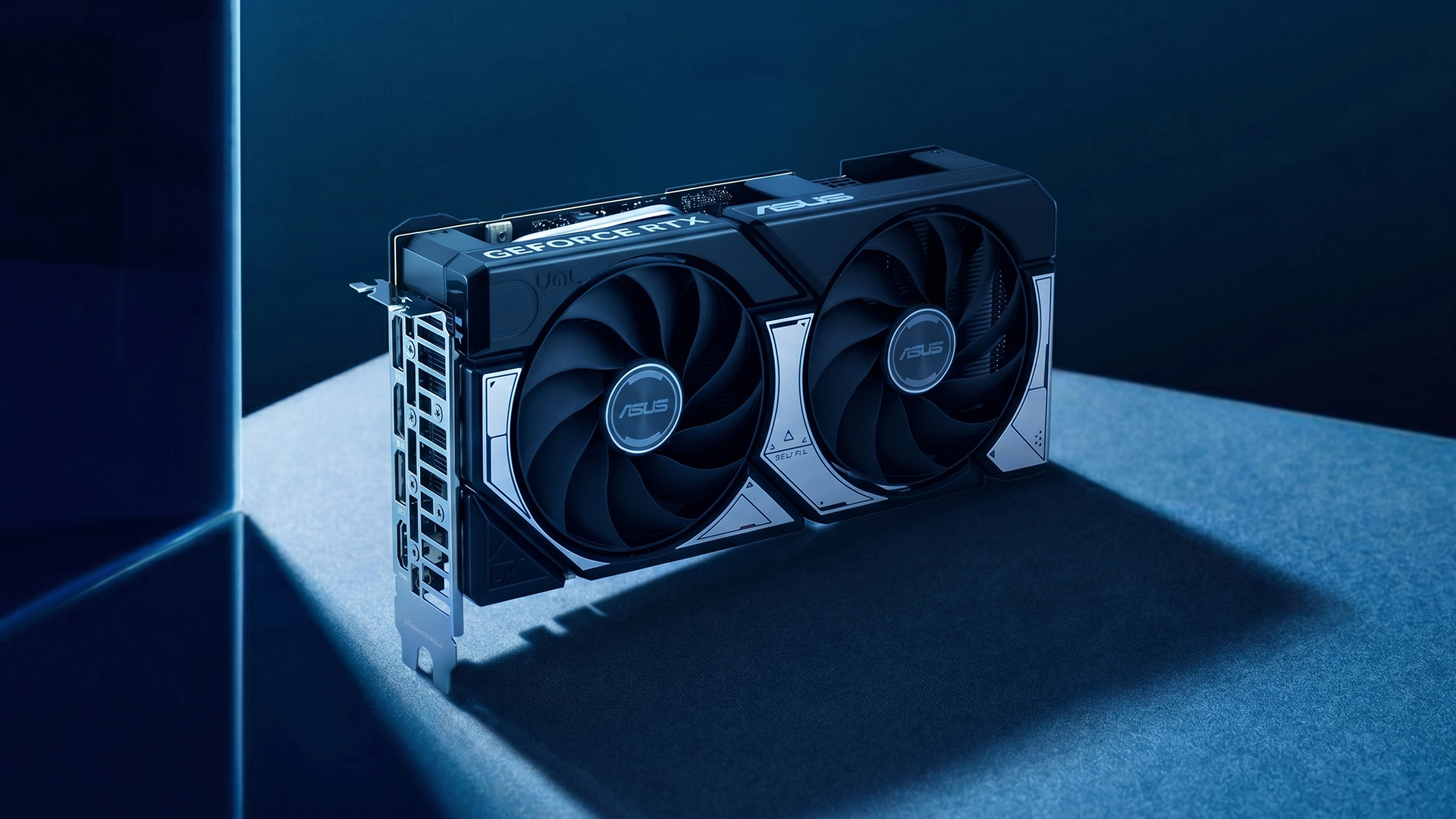
The RTX 5050 vs RTX 5060 gap is clearest at 1080p. The RTX 5050 can still make sense for lighter games and tuned settings, but the RTX 5060 has more performance headroom for newer titles, higher settings and smoother high-refresh play.
1080p Gaming Expectations
At 1080p, both GPUs can handle esports and lighter games well, but the RTX 5060 is the safer choice if you want stronger average frame rates across a wider mix of games. RTX 5060 performs better in terms of FPS when it comes to titles such as Counter-Strike 2, Valorant, Apex Legends and PUBG.
| Game | Settings/resolution | RTX 5050 FPS | RTX 5060 FPS | Winner |
| League of Legends | 1080p, high | 482 | 486 | Very close |
| Counter-Strike 2 | 1080p, high | 480 | 491 | RTX 5060 |
| Valorant | 1080p, high | 685 | 723 | RTX 5060 |
| Apex Legends | 1080p, high | 244 | 268 | RTX 5060 |
| PUBG | 1080p, high | 225 | 249 | RTX 5060 |
| Grand Theft Auto V | 1080p, high | 76 | 87 | RTX 5060 |
If you are playing esports at 1080p, both cards can push strong frame rates, but the RTX 5060 gives more room to take advantage of higher refresh rates. If you use a high-quality gaming monitor instead of a simple display, it can make better use of the higher frame rates these GPUs already produce.
Performance in Newer AAA Games
Newer AAA releases are less forgiving, so the RTX 5050 is best treated as a 1080p card for sensible settings, while the RTX 5060 is the safer choice for higher settings and smoother play. In Monster Hunter Wilds, RTX 5060 delivers around 100 FPS at 1080p and around 60 FPS at 1440p with tuned settings, DLSS Performance, Frame Generation enabled, and ray tracing off.
The same pattern shows up in more recent demanding games. In Doom: The Dark Ages, RTX 5060 testing reached over 220 FPS at 1080p with Ultra Nightmare settings, DLSS 4, and Multi Frame Generation enabled, while Avowed showed high frame rates with DLSS Override but also some visible artefacts in busier scenes. That is why the RTX 5060 is the better choice for newer AAA games, but still not a card you should treat as unlimited for heavy 1440p or ray tracing.
How Much Headroom the RTX 5060 Really Adds
The RTX 5060 adds more than a small bump. Alongside the higher CUDA core count, the specs list 448GB/s memory bandwidth for RTX 5060 versus 320GB/s for RTX 5050, giving the stronger card a clearer advantage in heavier scenes and modern games.
So, for strict budget gaming builds, the RTX 5050 can still work. For smoother 1080p gaming performance, light 1440p gaming and better longer-term flexibility, the RTX 5060 is the more sensible pick.
RTX 5050 vs 5060: Ray Tracing and DLSS
Ray tracing and DLSS are important in the RTX 5050 vs 5060 debate because both cards support the same modern Blackwell feature set, but they do not have the same amount of performance headroom. The RTX 5050 can use these features, while the RTX 5060 is better placed to use them without dropping settings as quickly.
Shared Blackwell Features
Both GPUs support RTX features such as ray tracing, DLSS 4 (DLSS 4.5 where available), Multi Frame Generation and Reflex. The RTX 50 Series GPUs come with 4th-gen ray tracing cores and 5th-gen Tensor Cores, so the feature base is similar across both cards. The difference is how comfortably each GPU can handle those features in demanding games.
In lighter or well-optimised games, the RTX 5050 should still feel capable. In heavier recent titles such as Monster Hunter Wilds, Doom: The Dark Ages, Directive 8020 and Forza Horizon 6, the RTX 5060 has a stronger starting point before DLSS or frame generation is added.
Which Card Benefits More from DLSS
The RTX 5050 benefits from DLSS because it helps stretch performance in demanding titles, especially at 1080p. It is useful when a game looks good but needs help staying smooth. The RTX 5060 benefits too, but it starts from a stronger native frame rate, which makes DLSS and frame generation feel more useful and more stable.
That matters because generated frames work best when the game already has a decent base frame rate. On the RTX 5050, DLSS may be needed just to keep performance comfortable. On the RTX 5060, it is more about pushing smoother gameplay, higher refresh rates or slightly heavier settings.
Ray Tracing Expectations at Different Settings
For ray tracing, the RTX 5050 should be treated as a light RT card. It is better suited to selective ray tracing effects, medium settings, and DLSS support rather than full RT presets. It can still work in games that scale well, but it is not the GPU to buy if ray tracing is your main priority.
The RTX 5060 offers better ray tracing performance at 1080p. It gives more room for RT effects in cinematic games, while still needing sensible settings in heavier titles. In simple terms, the RTX 5050 is the budget way into Blackwell features, while the RTX 5060 is the more practical choice if you want to use those features more often.
RTX 5050 vs 5060: Price and Value
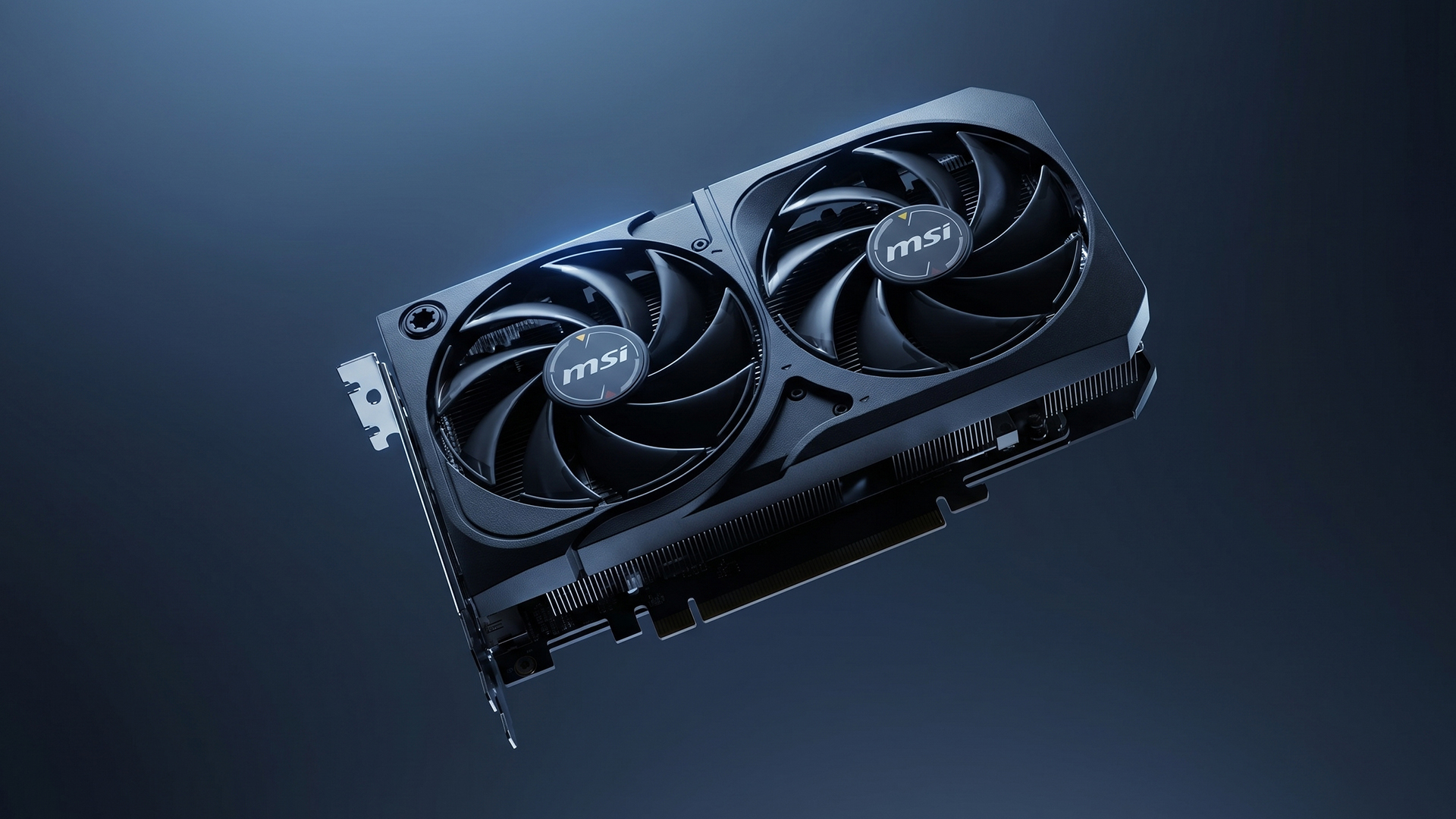
The 5050 vs 5060 price gap matters because these cards are aimed at budget-conscious gamers, not high-end buyers. In the UK, the current price of RTX 5050 is around £290, while that of 5060 is £300 to £360. The difference is not massive on paper, but when you are going for a budget build, careful spending is the pragmatic approach.
If the RTX 5050 is clearly cheaper, it makes sense for lighter 1080p gaming, esports, older favourites and budget gaming builds where every pound matters. That saved money could go towards more RAM, a larger SSD or a better display, which can improve the whole setup rather than only the GPU.
If the price difference is small, the RTX 5060 is easier to justify. It gives stronger 1080p performance, better AAA headroom and more upgrade value for gamers planning to keep the card for longer. For most players comparing RTX 5050 with 5060 GPUs, the RTX 5050 wins on lower initial spend, but the RTX 5060 is the better long-term buy when the gap is reasonable.
When RTX 5050 Makes More Sense Than RTX 5060
- Strict budget gaming builds: The RTX 5050 makes more sense when the full PC budget is tight, and the aim is 1080p gaming performance and not maxed-out settings. It is the better fit if saving money on the GPU lets you put more towards RAM, storage, cooling or a better CPU.
- Entry-level Blackwell buyers: For gamers who mainly want access to newer RTX features without paying for a stronger card, the RTX 5050 is the simpler entry point. It still supports Blackwell features such as ray tracing, DLSS and AI-based performance tools, but it is best used with realistic settings rather than treated like a high-end card.
- Lighter esports and live-service games: The best RTX 5050 games include titles such as Marvel Rivals, FragPunk, Delta Force, Fortnite and Valorant. In such titles, tuned settings can deliver smooth 1080p performance.
- Lower initial spend over long-term headroom: If you upgrade often or only play lighter games, the RTX 5050 can offer better short-term value. However, if you want stronger performance headroom and better upgrade value over several years, stepping up to more powerful RTX graphics cards will usually make more sense.
Interested in buying an RTX 5050 GPU for your next build? Read our in-depth RTX 5050 review to make a well-informed purchase decision.
When RTX 5060 Is the Better Buy
- You play newer AAA games: RTX 5060 is the better choice if you want fewer compromises in demanding games such as Monster Hunter Wilds, Avowed, Doom: The Dark Ages and Assassin’s Creed Shadows. These games can put more pressure on the GPU, so the extra performance headroom matters more than it does in lighter esports titles.
- You want stronger 1080p performance for longer: If you are planning to keep the card for a few years, the 5060 RTX option makes more sense. It gives better upgrade value because it has more room for newer games, higher settings and smoother high-refresh 1080p gaming.
- You are considering heavier settings or light 1440p gaming: RTX 5050 is mainly a 1080p-first card, while RTX 5060 gives you more flexibility if you want to try 1440p in selected games or push higher visual settings.
- The price gap is reasonable: If the two cards are close in price, RTX 5060 graphics cards are usually the smarter buy. The RTX 5050 still works for strict budget builds, but for most gamers comparing RTX 5050 vs RTX 5060 GPUs, the RTX 5060 is the better long-term choice.
Final Verdict: RTX 5050 or RTX 5060?
Here are our final recommendations for all gamers comparing RTX 5050 vs 5060:
- Choose RTX 5050 if you want the lowest-cost Blackwell option for 1080p gaming, esports and lighter titles.
- Go for RTX 5060 if the price gap is reasonable and you want stronger 1080p results, smoother newer-game performance and better upgrade value.
Frequently Asked Questions
Is the RTX 5060 better than the RTX 5050?
Yes. RTX 5060 is better for most gamers because it offers stronger 1080p performance, more gaming headroom and better support for newer titles.
Is RTX 5050 enough for 1080p gaming?
Yes, RTX 5050 is enough for 1080p gaming if you play esports, lighter games or use sensible settings in newer titles. It is best for budget-focused builds.
Is RTX 5060 worth the extra money?
Yes, if the price gap is reasonable. RTX 5060 is worth paying more for if you want smoother 1080p gaming, better AAA performance and a GPU that should last longer.
Which is better for ray tracing, RTX 5050 or RTX 5060?
RTX 5060 is better for ray tracing because it has more performance headroom. Both cards support modern RTX features, but RTX 5060 handles them more comfortably.
Is RTX 5050 or RTX 5060 better for 1440p gaming?
RTX 5060 is the better choice for light 1440p gaming. RTX 5050 is mainly a 1080p card, while RTX 5060 gives more room for higher settings and newer games.
You can pay with:
*PayPal Credit Representative Example: Assumed credit limit £1,200, Representative 23.9% APR (variable). Purchase rate 23.9% p.a (variable).Terms & Conditions apply.


PayPal Credit and PayPal Pay in 3 are trading names of PayPal UK Ltd, 5 Fleet Place, London, United Kingdom, EC4M 7RD. Terms and conditions apply. Credit subject to status, UK residents only, Five Tech LTD acts as a broker and offers finance from a restricted range of finance providers. PayPal Pay in 3 is not regulated by the Financial Conduct Authority. Pay in 3 eligibility is subject to status and approval. 18+. UK residents only. Pay in 3 is a form of credit. Check if affordable and how you will repay. May make other borrowing more difficult or expensive. See product terms for more details.
Copyright © 1996-2026 Fivetech LTD | Terms and Conditions
box.co.uk & Box are trading names of Five Tech Limited. Registered office: Box LTD, Unit 10 Woodford Trading Estate, Woodford Green IG8 8HF