


 Menu
MenuMenu


Get Sales Advice from Mon - Fri 9am - 5:00pm:
020 3337 8950POSTED: 06 May, 2026
RTX 5050 Gaming Test: Real Performance in 2026 Games
The arrival of the RTX 5050 marks an important step for gamers looking for affordable entry into current-gen performance. While high-end GPUs continue to push boundaries, not everyone needs ultra settings or 4K gaming.
So the real question is: How does the RTX 5050 perform in real gaming scenarios in 2026?
This RTX 5050 gaming test breaks down what you can realistically expect from esports titles to modern AAA games, so you can decide if it’s the right GPU for your setup.
RTX 5050 Gaming Test: What to Expect in 2026
Before diving into detailed benchmarks, it’s important to understand what the RTX 5050 gaming performance actually represents in 2026. This GPU isn’t trying to compete with flagship cards; it’s designed to deliver a practical, accessible gaming experience for everyday users.
Where RTX 5050 Sits in the Current Market
The NVIDIA RTX 5050 sits in the entry to lower mid-range segment of the current GPU market. This positioning defines both its strengths and its limitations.
It is built to offer:
- Reliable 1080p gaming performance for most modern titles
- Access to modern NVIDIA features like DLSS and ray tracing
- A more affordable way to experience current-gen gaming
In simple terms, the RTX 5050 is designed to make modern gaming more accessible. It’s not focused on pushing ultra settings or 4K resolution; instead, it prioritises smooth gameplay at practical settings.
For many users, this is actually more valuable than raw power. It means you can enjoy modern games without needing a high-end, expensive setup.
What Kind of Gamer This Card Is Built For
The RTX 5050 is best suited for users who want a balance between performance and cost. It’s not aimed at enthusiasts chasing maximum performance, but rather at gamers who want a reliable and enjoyable experience.
This includes:
- Casual gamers who play a mix of titles without needing ultra settings
- Esports players who prioritise high FPS and smooth gameplay
- Budget-conscious builders looking for value-focused performance
- Users upgrading from older GPUs like GTX cards or RTX 3050
If your goal is to play modern games comfortably rather than pushing graphics to the limit; the RTX 5050 fits that role very well.
What “Playable” Means in Real Use
One of the most important things to understand in any RTX 5050 game test is what “playable” actually means.
In real-world gaming, playable doesn’t mean max settings; it means a smooth and stable experience.
For the RTX 5050, this typically translates to:
- 40–60+ FPS in modern AAA games, depending on settings
- 100+ FPS in esports titles, ideal for competitive play
- A balance between visual quality and smooth performance
This is where the RTX 5050 performs best. Instead of focusing on maximum graphics, it delivers consistent, enjoyable gameplay, which is what most gamers actually need.
RTX 5050 Gaming Test in Esports Titles
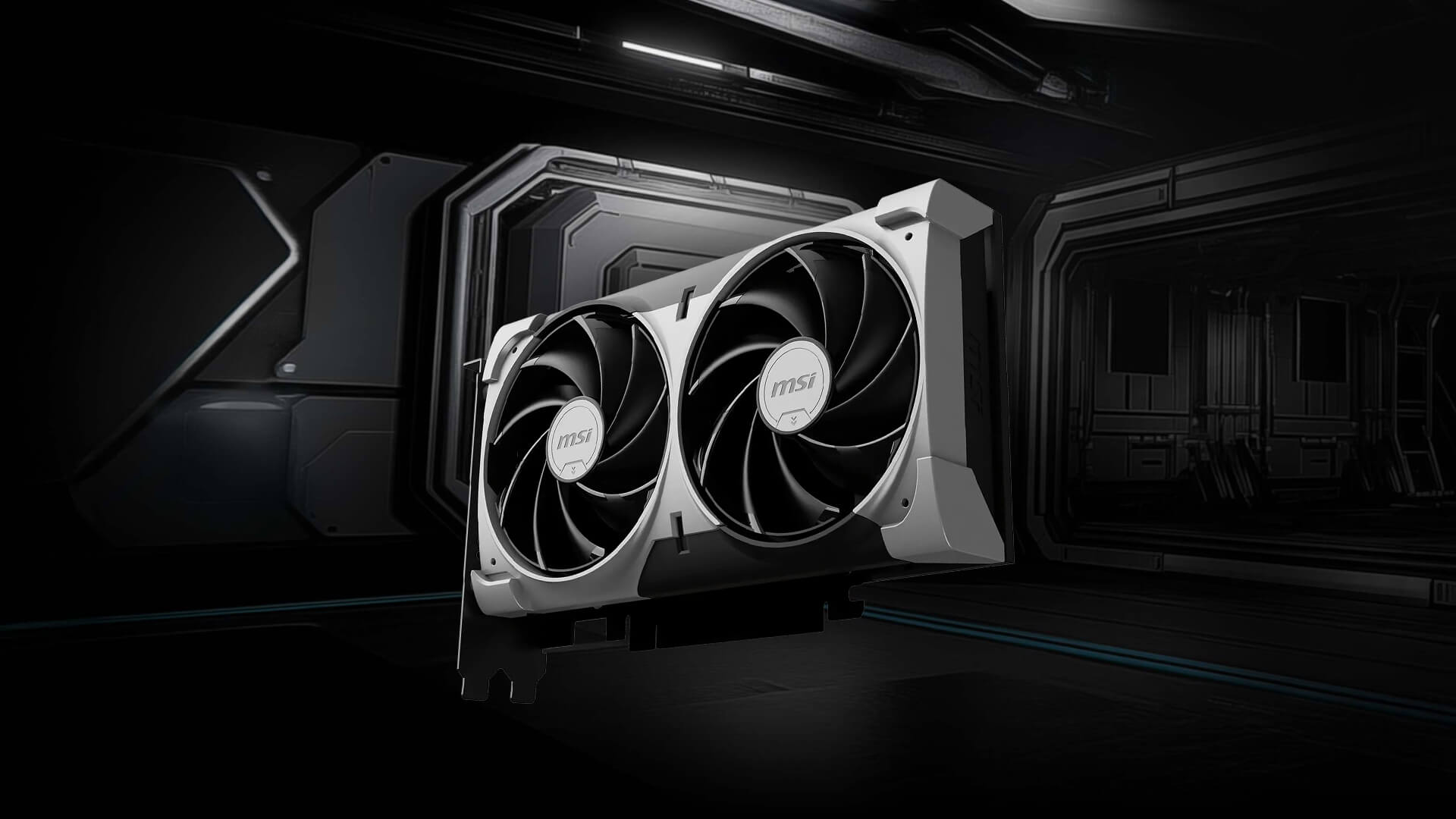
When looking at the RTX 5050 gaming test, one of the areas where this GPU performs most confidently is in esports titles. These games are typically designed to run efficiently across a wide range of hardware, which makes them a perfect match for a card like the RTX 5050.
Competitive Shooters and Multiplayer Games
In competitive shooters and multiplayer games, the RTX 5050 shows strong and consistent results. Titles such as CS2, Valorant, Fortnite and Apex Legends are all well optimised, meaning they don’t require extreme hardware to run smoothly. Instead, they prioritise responsiveness, fast rendering, and stable frame rates.
This works in favour of the RTX 5050, as it can easily handle these games without being pushed to its limits. In real gameplay, this translates into a smooth and fluid experience where movements feel responsive, and gameplay remains consistent even during intense moments.
For players who spend most of their time in competitive environments, this level of performance is exactly what matters. It ensures that the system keeps up with fast-paced gameplay without introducing stutters or delays.
High FPS Expectations at 1080p
At 1080p resolution, which is the ideal target for this GPU, the RTX 5050 delivers impressive frame rate results in esports titles. It is capable of reaching well over 100 frames per second in many cases, and in lighter or highly optimised games, this can even extend into the 150 to 200 FPS range.
This level of performance is particularly important for users with high refresh rate monitors. A higher frame rate allows the display to refresh more frequently, resulting in smoother motion and improved visual clarity. This can make a noticeable difference in competitive scenarios where timing and precision are critical.
The combination of high FPS and low latency means that gameplay feels more immediate and responsive. Actions register quickly, and visual feedback is clear, which can give players a more confident and controlled experience.
Why RTX 5050 Suits Esports Well
The reason the RTX 5050 performs so well in esports titles comes down to the nature of these games. They are designed to prioritise performance over graphical complexity, which aligns perfectly with the strengths of this GPU.
Instead of being pushed by heavy visual effects or high-resolution textures, the RTX 5050 can focus on delivering stable frame rates and efficient performance. This results in a gaming experience that feels smooth and reliable, even during long sessions.
For players who value responsiveness and consistency over visual detail, the RTX 5050 becomes a very practical choice. It delivers exactly what is needed for competitive play without requiring a high-end system.
RTX 5050 Gaming Test in AAA Games
While esports titles highlight the strengths of the RTX 5050, modern AAA games provide a more balanced view of its capabilities. These games are significantly more demanding, and they require a different approach in terms of expectations and settings.
Older AAA Games That Still Run Well
When running older AAA titles, the RTX 5050 performs comfortably. These games are generally less demanding than newer releases, allowing the GPU to deliver a smooth experience at higher settings.
At 1080p, many older AAA games can run at high settings while maintaining stable frame rates. This creates a visually pleasing experience without compromising performance. For users who enjoy story-driven or open-world games from previous generations, the RTX 5050 handles these scenarios with ease.
This makes it a strong option for players who want to revisit older titles or enjoy a wide range of games without constantly adjusting settings.
Modern AAA Titles and Realistic Expectations
In modern AAA games, the situation becomes more nuanced. These titles are designed to push hardware further, which means the RTX 5050 needs to operate within more realistic limits.
At 1080p, most modern games can still run smoothly, but settings need to be balanced carefully. Medium to high settings typically provide the best experience, offering a good mix of visual quality and performance. Frame rates in these scenarios often fall within the 50 to 70 FPS range, which is considered playable for most users.
This is where technologies like DLSS become especially valuable. By using AI upscaling, DLSS helps improve frame rates without significantly reducing visual quality. This allows the RTX 5050 to handle more demanding titles more effectively than it otherwise could.
Heavier Games That Push the Card Harder
The most demanding AAA games present the biggest challenge for the RTX 5050. Titles like Cyberpunk 2077 and Alan Wake 2 are known for their advanced graphics and heavy system requirements.
In these cases, the GPU begins to reach its limits. To maintain playable performance, settings often need to be reduced, and features like ray tracing may need to be disabled. DLSS becomes almost essential in these scenarios, helping to keep frame rates stable and gameplay smooth.
Even with these adjustments, performance may occasionally drop below 60 FPS in particularly demanding scenes. However, with careful optimisation, the games remain playable and enjoyable.
Can RTX 5050 Run New Games in 2026?
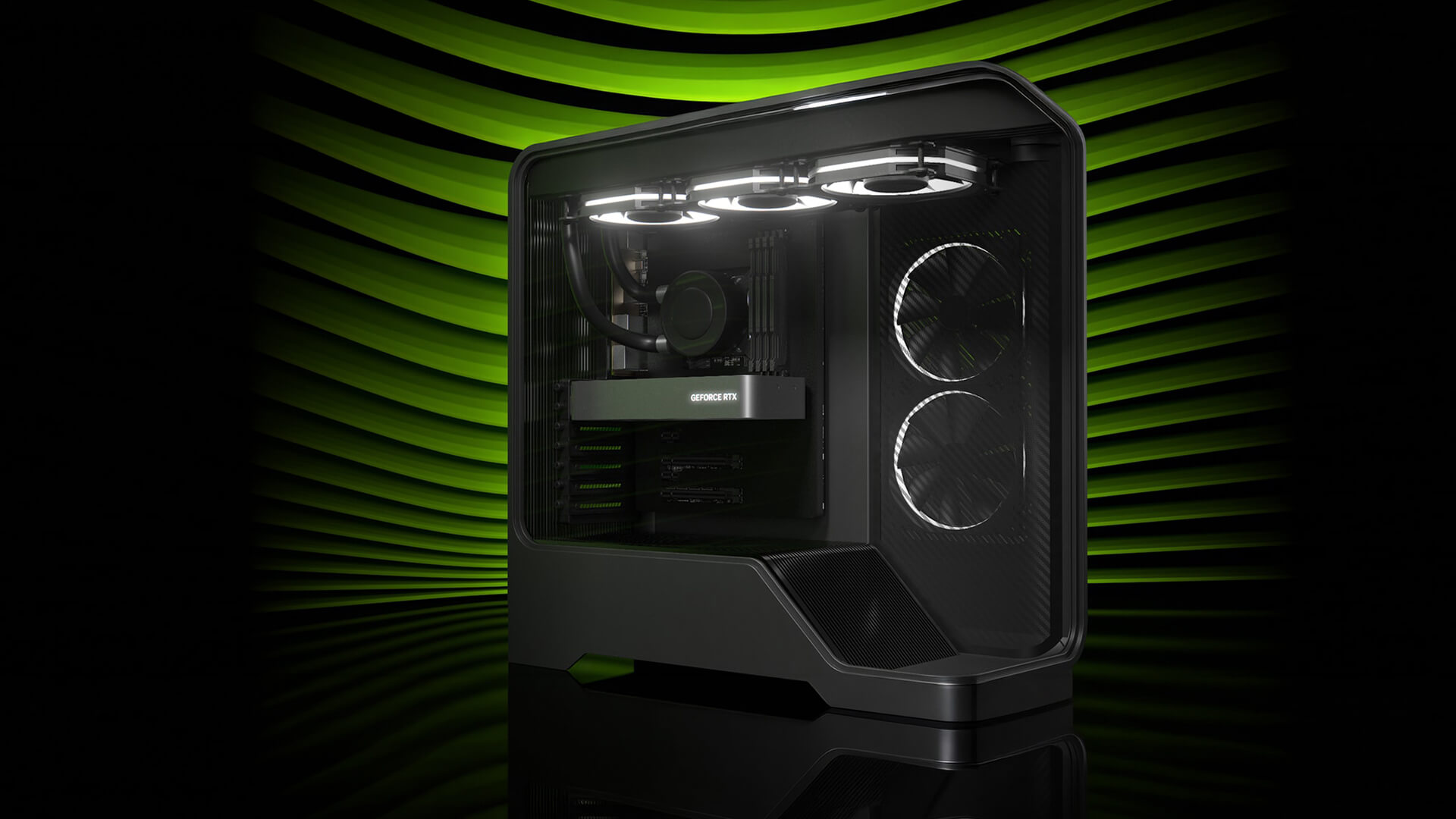
One of the most important questions when looking at any modern GPU is how well it handles new game releases. With games in 2026 becoming more visually advanced and demanding, expectations need to be realistic; especially with an entry-level card like the RTX 5050.
In practical terms, the RTX 5050 is capable of running new games, but it performs best when you approach it with a balanced mindset. Instead of aiming for ultra settings, most modern titles will run more comfortably at medium to high presets. This allows the GPU to maintain smoother frame rates while still delivering a visually enjoyable experience.
Game optimisation also plays a major role here. Well-optimised titles can run surprisingly well even on modest hardware, while poorly optimised ones may struggle regardless of your setup. This is why performance can vary from game to game, even within the same generation.
How DLSS Helps in More Demanding Titles
A key reason why the RTX 5050 remains viable for modern gaming is its support for DLSS (Deep Learning Super Sampling). This technology plays a crucial role in improving performance, especially in demanding titles.
Instead of rendering everything at full resolution, DLSS uses AI to upscale the image, allowing the GPU to deliver higher frame rates without heavily compromising visual quality. In real-world use, this means that games which might otherwise feel sluggish can become much smoother and more playable.
For the RTX 5050, DLSS is not just a bonus feature; it’s often essential. It helps extend the lifespan of the GPU and allows it to handle newer titles more effectively than its raw performance alone would suggest.
Where Performance Starts to Drop Off
While the RTX 5050 is capable, there are clear points where its performance begins to decline. This typically happens when pushing settings beyond what the GPU is designed for.
For example, ultra settings in modern AAA games can significantly reduce frame rates, making gameplay less stable. Similarly, enabling heavy ray tracing effects can put additional strain on the GPU, often requiring DLSS just to maintain playable performance.
Higher resolutions, such as 1440p and especially 4K, also present a challenge. The RTX 5050 is not built for these scenarios, and performance drops become more noticeable as resolution increases.
Check out the full Nvidia 5050 review to see deeper insights into real-world performance, features and overall value.
RTX 5050 Gaming Test for 1080p Performance
When looking at real-world results, it becomes clear that the RTX 5050 is optimised for 1080p gaming. This is where it delivers the best balance between performance and visual quality.
At this resolution, the GPU is able to maintain stable frame rates across a wide range of games. Esports titles run extremely smoothly, while AAA games remain playable with adjusted settings. This makes 1080p the most practical and reliable choice for users considering this GPU.
Frame rates vary depending on the type of game. Competitive titles often achieve well over 100 FPS, making them ideal for high refresh rate gaming. AAA games tend to fall within a more moderate range, typically delivering between 40 and 70 FPS depending on settings and optimisation. Lighter or less demanding games sit comfortably above 60 FPS, providing a consistently smooth experience.
One of the most important aspects of using the RTX 5050 is understanding the balance between visual quality and smoothness. In many cases, slightly lowering graphical settings results in a much better overall experience. Instead of chasing maximum visuals, prioritising stable performance leads to more enjoyable gameplay.
What Games Work Best on RTX 5050?
The RTX 5050 performs best in games that align with its strengths. Fast-paced esports titles and multiplayer games are a perfect match, as they rely more on frame rate and responsiveness than heavy graphical effects. These games run smoothly and consistently, making them ideal for competitive play.
Open-world and story-driven titles are also playable, but they require a more balanced approach. Medium settings combined with DLSS usually provide the best results, allowing you to enjoy the experience without major performance issues.
Racing games, sports titles and lighter games tend to run very well on the RTX 5050. These games are generally less demanding, allowing the GPU to deliver higher settings and stable frame rates without difficulty.
Explore the best Nvidia graphics cards to compare performance across different GPU tiers and find the right option for your setup.
Where RTX 5050 May Struggle in Gaming Tests
Despite its strengths, the RTX 5050 does have clear limitations. The most demanding AAA games, especially when set to high or ultra presets, can push the GPU beyond its comfort zone. In these situations, performance drops become more noticeable, and adjustments are required to maintain smooth gameplay.
Ray tracing is another area where limitations appear. While the RTX 5050 does support ray tracing, enabling it in heavy titles can significantly reduce performance. In most cases, it needs to be paired with DLSS to remain playable, and even then, compromises may be necessary.
Higher resolutions further highlight these limitations. Moving beyond 1080p introduces a noticeable drop in performance, making 1440p and 4K gaming less practical for this GPU.
Where RTX 5050 May Struggle in Gaming Tests
While the RTX 5050 gaming performance is solid for its category, it’s equally important to understand where its limitations begin. Like any entry-level to lower mid-range GPU, it performs best within a certain range, and pushing beyond that can lead to noticeable drops in performance.
Demanding AAA Games at Higher Presets
The biggest challenge for the RTX 5050 appears when running modern AAA games at high or ultra settings. These titles are designed to take advantage of powerful hardware, with detailed environments, complex lighting systems, and high-resolution textures.
When these settings are pushed too far, the GPU begins to struggle to maintain stable frame rates. In real gameplay, this can result in inconsistent performance, occasional stuttering and a less smooth overall experience. Lowering settings to medium or high typically resolves this, allowing the game to run more comfortably while still looking visually appealing.
Ray Tracing in Heavy Titles
Although the RTX 5050 supports ray tracing, using it in demanding games can significantly impact performance. Ray tracing adds realistic lighting and reflections, but it also places a heavy load on the GPU.
In most cases, enabling ray tracing without adjustments leads to a noticeable drop in FPS. To make it usable, players often rely on DLSS, which helps recover performance by upscaling the image. Even then, the experience may require compromises in other settings to maintain smooth gameplay.
For this reason, ray tracing on the RTX 5050 is best seen as an optional feature rather than something to enable by default in every game.
Higher Resolutions Beyond 1080p
Another area where limitations become clear is resolution. The RTX 5050 is primarily designed for 1080p gaming, and moving beyond this can reduce performance significantly.
At 1440p, the GPU begins to struggle in more demanding titles, often requiring lower settings to maintain playable frame rates. At 4K, the limitations become even more noticeable, making it an impractical option for most modern games on this card.
Staying at 1080p allows the RTX 5050 to perform at its best, delivering a smoother and more consistent experience.
RTX 5050 Gaming Test: Real-World Takeaways
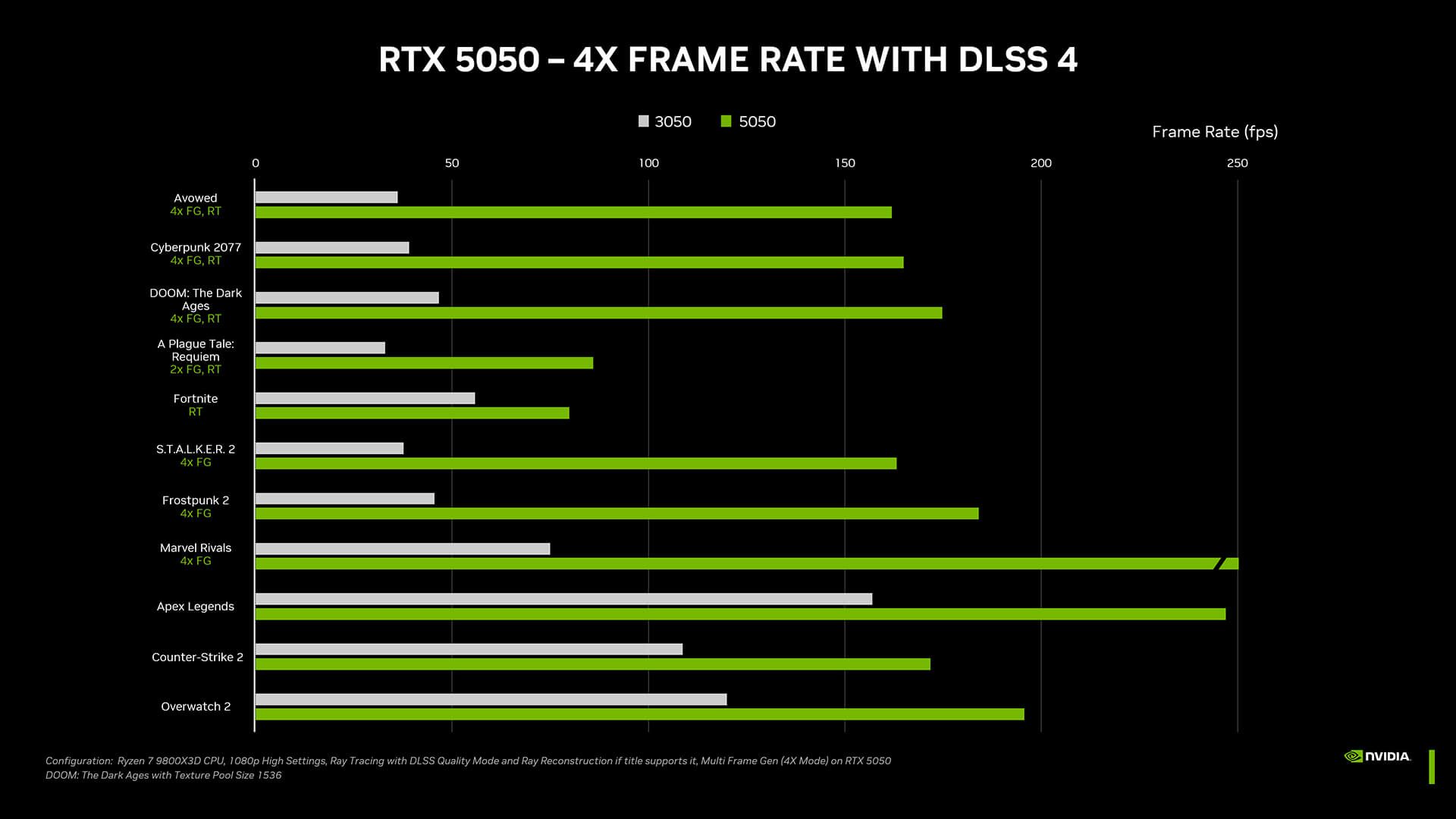
After looking at real-world results, it becomes clear that the RTX 5050 is not about pushing maximum settings, but about delivering a balanced and reliable gaming experience.
Best Use Cases for the Card
The RTX 5050 performs best in scenarios where efficiency and smooth gameplay are prioritised. It is particularly well suited for 1080p gaming, where it can maintain stable frame rates across a wide range of titles.
It also excels in esports games, where high FPS and responsiveness are more important than graphical intensity. For users building a budget gaming setup, it offers a practical way to access modern features without the cost of higher-tier GPUs.
Who Will Be Happy with Its Performance
The RTX 5050 is a great fit for users who value consistency and affordability over maximum performance. Casual gamers, students and entry-level PC builders will find it more than capable for everyday gaming needs.
It’s especially suitable for those who play a mix of competitive and mainstream titles and are comfortable adjusting settings to maintain smooth gameplay.
When You May Need a Higher-Tier GPU
There are, however, situations where the RTX 5050 may not be enough. If your goal is to play the latest AAA games at ultra settings, explore 1440p or 4K gaming, or invest in a system that will remain powerful for many years, a higher-tier GPU becomes the better choice.
Upgrading to a more powerful card provides additional headroom for future titles and allows you to push graphical settings further without sacrificing performance.
Read our detailed 5050 vs 5060 comparison to understand which GPU offers better value and performance for modern gaming.
Final Verdict: Is RTX 5050 Good for Gaming in 2026?
The RTX 5050 gaming test results show that this GPU delivers a solid and reliable experience, but with a clearly defined purpose. It is designed for users who want smooth, accessible gaming rather than cutting-edge performance.
At its best, the RTX 5050 offers strong 1080p gaming, excellent performance in esports titles and good overall value for budget-focused builds. It allows you to enjoy modern games without needing to invest in high-end hardware.
However, it is not built for ultra AAA gaming, high-resolution performance or intensive ray tracing workloads. These areas require more powerful GPUs to deliver a consistent experience.
In simple terms, if you’re looking for an affordable way to enjoy current-gen gaming, the RTX 5050 is a practical and capable choice. If you’re aiming for higher settings, resolutions or long-term future-proofing, exploring higher-tier options may be the better path.
You can explore a range of RTX 5050 graphics cards, browse the wider 50 series GPUs RTX lineup, or check out 5050 laptops to find the right system for your needs
You can pay with:
*PayPal Credit Representative Example: Assumed credit limit £1,200, Representative 23.9% APR (variable). Purchase rate 23.9% p.a (variable).Terms & Conditions apply.


PayPal Credit and PayPal Pay in 3 are trading names of PayPal UK Ltd, 5 Fleet Place, London, United Kingdom, EC4M 7RD. Terms and conditions apply. Credit subject to status, UK residents only, Five Tech LTD acts as a broker and offers finance from a restricted range of finance providers. PayPal Pay in 3 is not regulated by the Financial Conduct Authority. Pay in 3 eligibility is subject to status and approval. 18+. UK residents only. Pay in 3 is a form of credit. Check if affordable and how you will repay. May make other borrowing more difficult or expensive. See product terms for more details.
Copyright © 1996-2026 Fivetech LTD | Terms and Conditions
box.co.uk & Box are trading names of Five Tech Limited. Registered office: Box LTD, Unit 10 Woodford Trading Estate, Woodford Green IG8 8HF