


 Menu
MenuMenu


Get Sales Advice from Mon - Fri 9am - 5:00pm:
020 3337 8950LAST UPDATED: May 12, 2026
RTX 5050 Review 2026: Gaming Performance, Value & Verdict
The RTX 5050 is the kind of graphics card that makes sense when you want a modern gaming upgrade without jumping straight into expensive GPU territory. It brings Blackwell features, DLSS 4 support, and ray tracing hardware into NVIDIA’s entry-level line-up, but the real question is how well it actually holds up for gamers in 2026.
This RTX 5050 review looks beyond the spec sheet and focuses on what matters in real use: 1080p gaming, esports performance, newer AAA games, ray tracing, value for money, and whether the card still feels like a smart buy for budget PC builds.
RTX 5050 Review 2026: Where It Stands Now
The RTX 5050 sits in a very specific spot. It is not here to chase flagship numbers or smash through 4K gaming. It is built for players who want a newer GPU for 1080p gaming, modern features, and a lower entry point into the 50 Series.
How the Card Fits Into the Current GPU Market
The Nvidia 5050 is best understood as one of the entry-level Blackwell graphics cards. It sits below stronger 50 Series options and targets budget builds rather than high-end setups.
On paper, the desktop card comes with 8GB GDDR6 VRAM, a 128-bit memory bus, 2,560 CUDA cores, and a 130W board power rating. That gives it enough to handle everyday 1080p gaming, but it also explains why it should not be treated like a card for heavy 1440p or 4K gaming.
Why Buyers Are Still Looking at RTX 5050 in 2026
The main appeal is simple: current-gen features without going too far up the price ladder. The best thing about the 5050 value is that it offers DLSS 4, ray tracing support, newer driver support, and decent 1080p results without paying for a higher-tier GPU.
That is also why the card gets judged quite closely. If the price is right, the 5050 performance can make sense for a budget build. If it sits too close to stronger cards, buyers will naturally start questioning the price-to-performance gap.
How It Holds Up as an Entry-Level Blackwell GPU
As an entry-level Blackwell GPU, the RTX 5050 brings useful modern features to budget gamers. DLSS 4 support, newer ray tracing hardware, and AI-powered features help it feel more current than older entry-level cards.
Still, the limits are part of the package. The 8GB VRAM capacity is fine for many 1080p games, but newer AAA titles can be more demanding. The 128-bit bus and GDDR6 memory also mean bandwidth limitations can show up when settings, textures, or resolutions are pushed too far.
RTX 5050 Gaming Performance in 2026
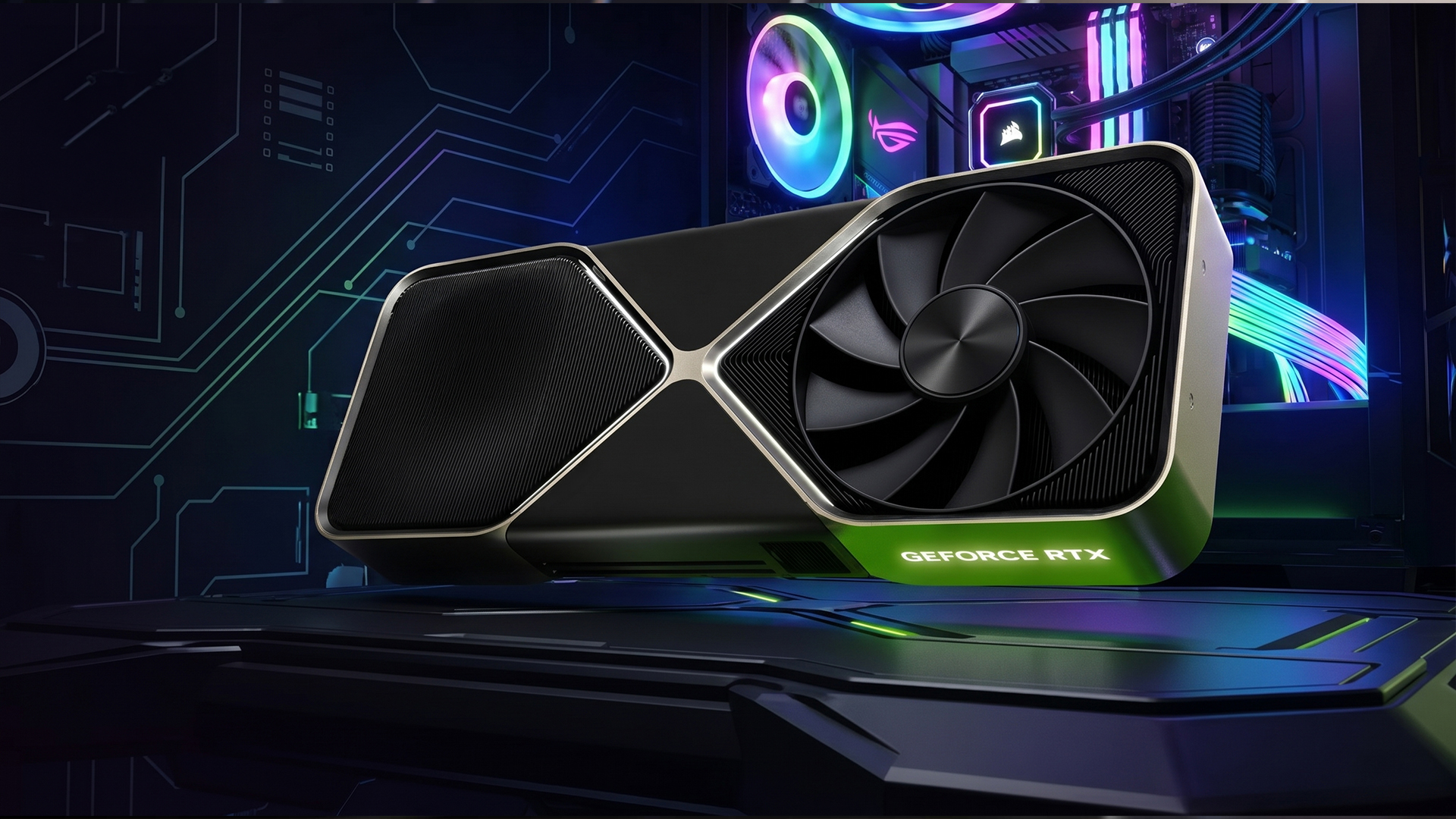
The RTX 5050 is at its best when the target is clear: smooth 1080p gaming without pretending it is a high-end card. It can handle a lot of today’s games well, but the experience depends heavily on settings, optimisation, DLSS support, and whether the game is esports-friendly or a heavy AAA release.
1080p Gaming Experience
For a budget card, the RTX 5050 1080p review is straightforward. It is built for 1080p first, and that is where the card feels most comfortable.
In real-world play, expect good results in lighter titles, older AAA games, and well-optimised releases. Medium-to-high settings are realistic in many games, but ultra presets are not always worth chasing, especially when newer titles start leaning harder on VRAM and bandwidth. Recent testing also points to the card being comfortable at 1080p medium-to-high settings in general use.
Esports and Competitive Titles
Esports is where the RTX 5050 makes the most sense. Games like Valorant, Counter-Strike 2, Fortnite, Rocket League, Rainbow Six Siege, and Apex Legends are usually easier to run than big cinematic AAA titles. These are rated among the best RTX 5050 games for playing if you prefer smooth gameplay.
That means the card can deliver a strong esports performance at 1080p, especially if you tune settings for visibility and frame rate rather than max visuals. For players who spend more time in competitive games than massive single-player worlds, the Nvidia 5050 feels much easier to justify.
Performance in Modern AAA Games
Modern AAA games are where the RTX 5050 needs more realistic settings. It delivers excellent AAA gaming results when it comes to titles like Cyberpunk 2077, Red Dead Redemption 2, Forza Horizon 5, Hogwarts Legacy, and Ghost of Tsushima.
Heavier games such as Black Myth: Wukong, Monster Hunter Wilds, Alan Wake 2, and S.T.A.L.K.E.R. 2 are where medium settings, DLSS, or frame generation support become much more important. In such games, 5050 performance can feel a bit restricted if you compare it with high-end display cards like RTX 5080 and 5090.
RTX 5050 for Today’s Games
When it comes to using RTX 5050 for modern games, it is less about raw numbers and more about choosing the right settings for the game. The RTX 5050 can feel smooth in plenty of titles, but it rewards players who are happy to tune visuals instead of blindly hitting ultra every time.
Which Games Still Feel Comfortable on High Settings
The RTX 5050 feels most at home in games that are well-optimised, esports-friendly, or not overloaded with heavy visual effects. Titles like Valorant, Counter-Strike 2, Rocket League, Overwatch 2, Rainbow Six Siege, League of Legends, and Dota 2 are the easy wins.
You can also expect a good experience in many older or lighter AAA games at 1080p, especially when the game engine is not too demanding. This is where the 1080p is at its best on an RTX 5050 GPU.
Where Medium Settings Make More Sense
Medium settings become the better call once you move into newer open-world games, dense environments, heavier textures, or busy action scenes. Games such as Starfield, Helldivers 2, Hogwarts Legacy, Dragon’s Dogma 2, Avatar: Frontiers of Pandora, and Star Wars Outlaws are more sensible with balanced presets.
This does not mean the experience is poor. It just means the card performs better when you keep textures, shadows, lighting, and post-processing under control. For 5050 performance, medium settings are often the sweet spot between visuals and smoother play.
RTX 5050 Ray Tracing and DLSS Experience in 2026
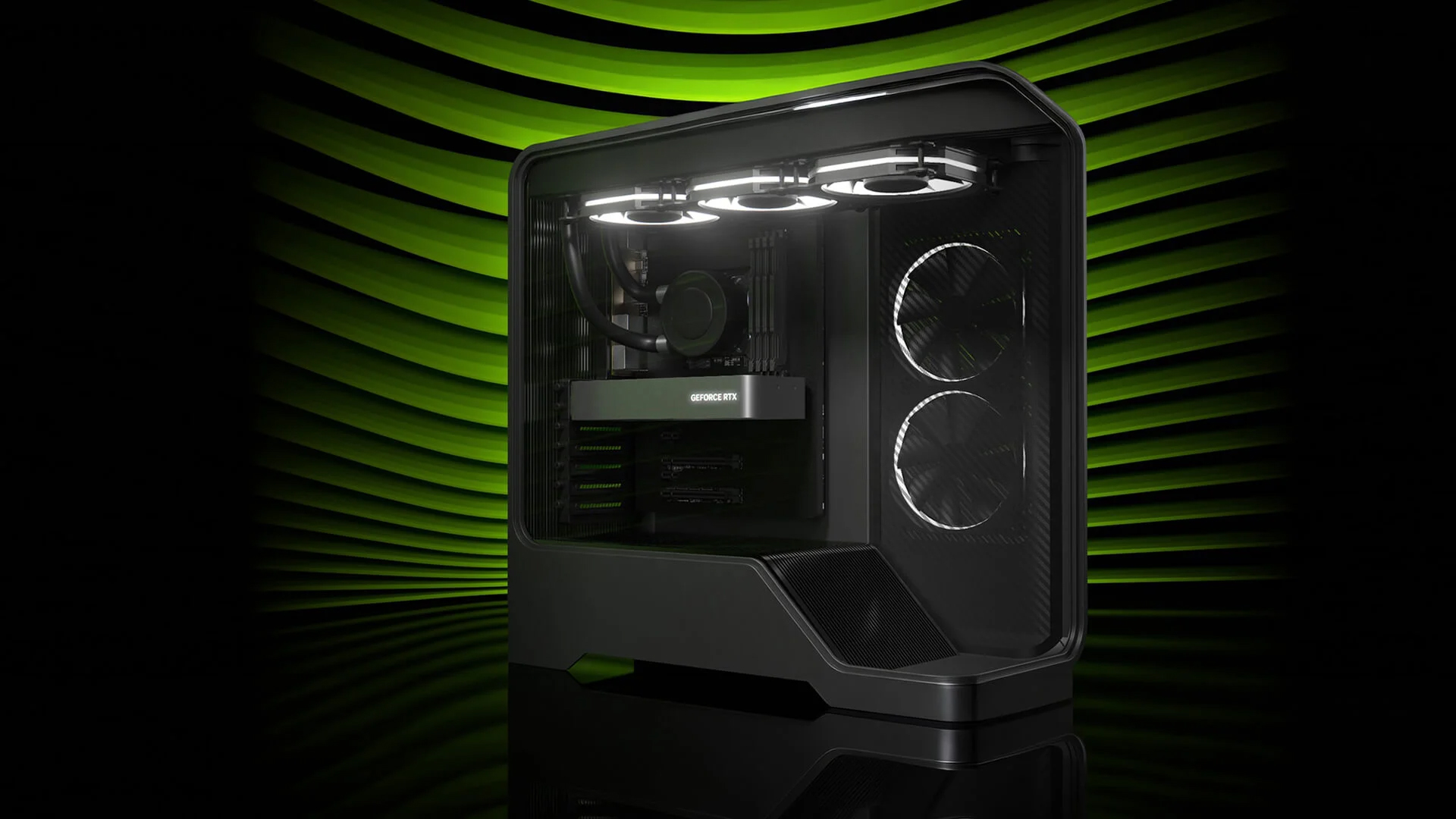
The RTX 5050 has the right modern feature set, but the real experience depends on how you use it. For a budget GPU, DLSS is often more useful than chasing heavy ray tracing, especially in demanding games where extra frames matter more than maxed-out lighting.
Blackwell Features That Still Matter
The RTX 5050 brings Blackwell into the budget GPU space, which matters because it is not only about raw frame rates. The useful features for buyers are the ones that help games look better, feel smoother, or stay playable for longer. Here are some of the most prominent features of Blackwell architecture.
- DLSS 4 support: Useful in demanding games where native performance needs help, especially when frame generation is available.
- 5th-gen Tensor Cores: Power the AI features behind DLSS, upscaling, and frame generation.
- 4th-gen ray tracing cores: Improve the card’s ray tracing capability, although settings still need to stay realistic on an entry-level GPU.
- Reflex 2 support: Helps reduce latency in supported games, which matters most in shooters and competitive titles.
- Neural rendering features: Designed to improve visual quality and performance through AI-assisted rendering in supported games.
When DLSS Helps Most
DLSS helps most when a game is nearly smooth but needs an extra push. That could be a demanding AAA title, a busy open-world area, or a game where turning everything down makes the visuals feel too flat.
DLSS 4 on RTX 5050 and frame generation support are useful because they can make heavier games feel more playable without dropping straight to low settings. It is not magic, but when the base performance is close enough, it can make the difference between “playable” and “actually enjoyable”.
Realistic Ray Tracing Expectations for Budget Buyers
RTX 5050 ray tracing is better treated as a bonus feature, not the main event. The card supports ray tracing, but full RT settings can be too much for this performance tier, especially in newer AAA games.
The better approach is simple: use lighter ray tracing settings, pair them with DLSS where available, and prioritise smooth gameplay first. The best ray tracing results will usually come from balanced settings rather than trying to make the RTX 5050 behave like a higher-end card.
RTX 5050 Value for Money in 2026
The RTX 5050 offers excellent value for money in 2026. 8GB GDDR6 VRAM, a 128-bit memory bus, a 130W board power rating, and a mid-range price make it a great option for 1080p gaming. However, it is not built for heavy 1440p gaming or maxed-out AAA settings.
That is where the 5050 value is most visible. If the price stays comfortably below stronger Nvidia 5060 GPUs and other high-end cards, it can work well for budget builds, esports, and everyday 1080p gaming. For buyers doing an RTX 5050 vs 5060 comparison, the price-to-performance analysis is very important. If the price difference is small, stepping up may be a better approach if your budget allows.
Who Should Buy RTX 5050 in 2026?
The RTX 5050 makes the most sense for gamers who know exactly what they need: affordable 1080p gaming, newer Blackwell features, and DLSS 4 support without moving into higher GPU pricing. It is not for everyone, but the right buyer can still get solid value from it.
- First-time PC builders: A good fit if you are building your first gaming PC and want one of the latest 50 Series graphics cards without spending too much.
- Budget 1080p gamers: Best suited to players who mainly stick to 1080p and want smooth performance in esports, older AAA games, and well-optimised titles.
- Feature-focused buyers: DLSS 4, ray tracing support, Reflex, and newer driver support give it a more modern feel than older entry-level cards.
- Casual upgraders: Worth considering if you are moving up from an ageing GPU and want better budget gaming performance without rebuilding your whole setup.
- Laptop shoppers: RTX 5050 laptops can also make sense for users who want current-gen features in a portable system, especially for study, work, and lighter gaming.
Who May Want More Than RTX 5050?
The RTX 5050 is a sensible pick for budget 1080p gaming, but it is not built for every type of player. If you want stronger long-term headroom, heavier AAA performance, or more ambitious visual settings, stepping up makes more sense.
- 1440p gamers: The RTX 5050 is much happier at 1080p. For 1440p, higher settings, or sharper long-term performance, Nvidia 5060 GPUs or more powerful GPUS are the more natural step up.
- Ray tracing fans: The card supports ray tracing, but heavy RT settings are not its comfort zone. If ray tracing is a must-have feature rather than a bonus, high-end cards are a better fit.
- High-refresh players: Esports at 1080p is fine, but gamers chasing very high frame rates across a wider mix of titles may want more GPU headroom.
- Long-term builders: If you want to keep the same graphics card for several years, the RTX 5050’s 8GB VRAM and 128-bit memory bus could feel tighter over time. A stronger card gives you more breathing room for future releases.
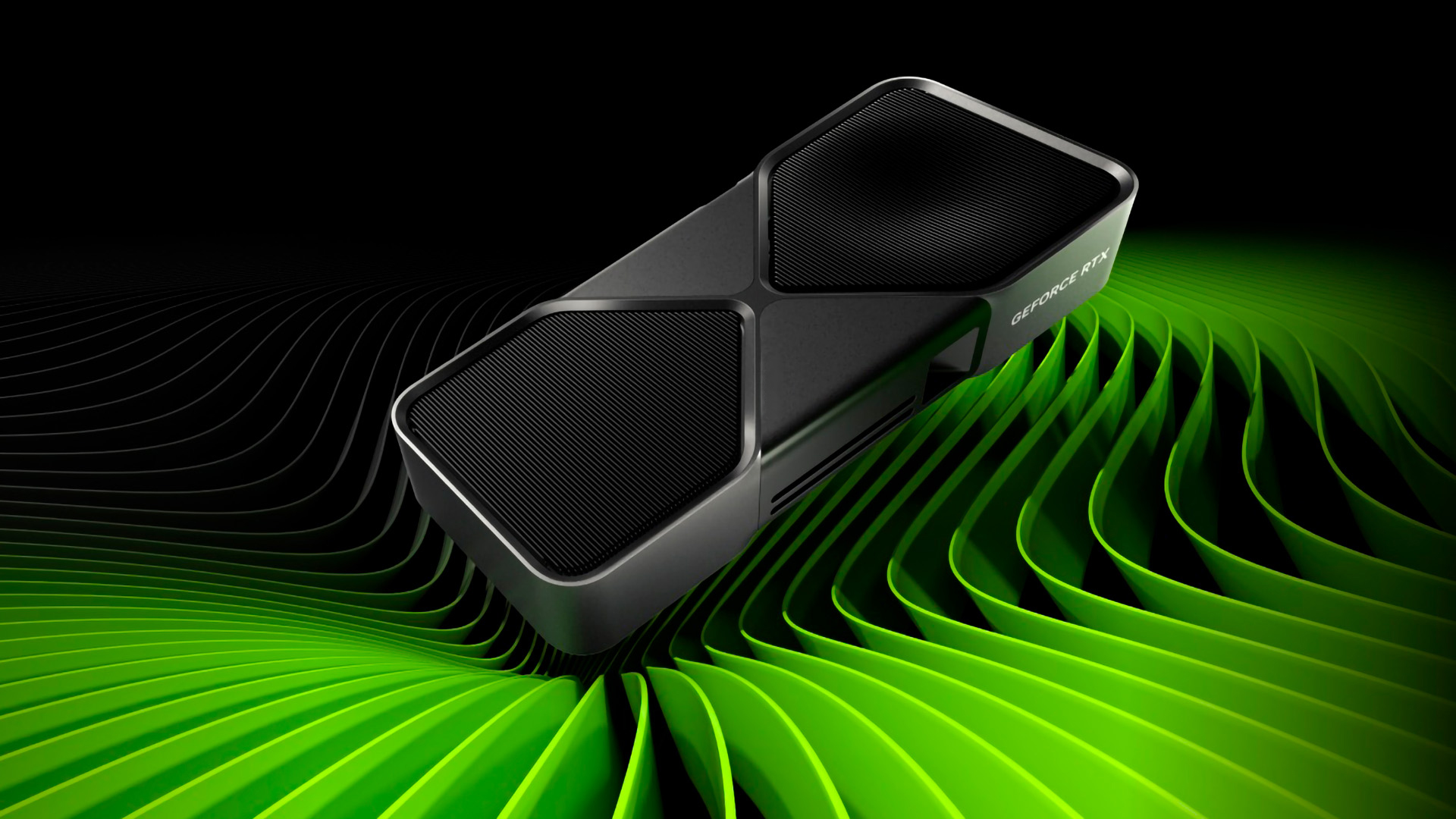
Final Verdict: Is RTX 5050 Still Worth Buying in 2026?
The Nvidia RTX 5050 review verdict is simple: it is worth buying if you want a sensible 1080p graphics card for a budget gaming PC. It suits esports titles, lighter AAA games, older favourites, and players who want newer features without paying for a higher-end GPU.
Where it starts to feel limited is in heavier modern games, especially if you want high settings, stronger ray tracing, or 1440p gaming. This is still an entry-level card, so it works best when expectations are realistic.
For most budget gamers, the RTX 5050 makes sense when the price is right, and the goal is smooth everyday gaming. If you want more long-term headroom, stronger AAA performance, or higher-resolution gameplay, stepping up to a more powerful card will be the better move.
Frequently Asked Questions
Is the RTX 5050 good for gaming in 2026?
Yes, the RTX 5050 is good for 1080p gaming in 2026, especially for esports, lighter AAA games, and older titles. It is not meant for max settings in every new game, so balanced settings are important.
Can RTX 5050 run modern AAA games?
Yes, it can run modern AAA games, but expectations need to be realistic. Many newer games will feel better at 1080p with medium settings, DLSS, or frame generation where supported.
Does RTX 5050 support DLSS 4?
Yes, the RTX 5050 supports DLSS 4. This can help improve smoothness in supported games, especially when the card needs extra help in demanding scenes.
Is RTX 5050 good for ray tracing?
It supports ray tracing, but it is not the best card for heavy ray-traced gameplay. Light ray tracing with DLSS can work, but smooth performance should come before max visual effects.
Is RTX 5050 worth buying over RTX 5060?
The RTX 5050 is worth choosing if the price gap is clear and you mainly play at 1080p. If the RTX 5060 is only slightly more expensive, it is usually the better choice for stronger AAA performance and longer-term use.
You can pay with:
*PayPal Credit Representative Example: Assumed credit limit £1,200, Representative 23.9% APR (variable). Purchase rate 23.9% p.a (variable).Terms & Conditions apply.


PayPal Credit and PayPal Pay in 3 are trading names of PayPal UK Ltd, 5 Fleet Place, London, United Kingdom, EC4M 7RD. Terms and conditions apply. Credit subject to status, UK residents only, Five Tech LTD acts as a broker and offers finance from a restricted range of finance providers. PayPal Pay in 3 is not regulated by the Financial Conduct Authority. Pay in 3 eligibility is subject to status and approval. 18+. UK residents only. Pay in 3 is a form of credit. Check if affordable and how you will repay. May make other borrowing more difficult or expensive. See product terms for more details.
Copyright © 1996-2026 Fivetech LTD | Terms and Conditions
box.co.uk & Box are trading names of Five Tech Limited. Registered office: Box LTD, Unit 10 Woodford Trading Estate, Woodford Green IG8 8HF