


 Menu
MenuMenu


Get Sales Advice from Mon - Fri 9am - 5:00pm:
020 3337 8950LAST UPDATED: May 26, 2026
i5-14600K Review: Gaming Performance, Specs & Benchmarks
The Intel Core i5-14600K is still one of the most interesting mid-range desktop processors for gamers who want strong frame rates without jumping straight to a Core i7 or Core i9. This i5-14600K review looks at how the chip holds up for modern gaming, multitasking and everyday desktop use, rather than judging it by specs alone.
On paper, it is a 14th-gen Intel processor with 14 cores, 20 threads and a hybrid layout that combines Performance cores with Efficient cores. That hybrid core architecture gives it enough flexibility for games, background apps and lighter creative work, while its 5.3GHz boost clock keeps gaming performance strong when paired with the right graphics card.
This guide covers Intel Core i5-14600K performance, real-world gaming results, thermals, platform support, and whether the chip still makes sense for a modern PC build with Intel i5 in 2026.
Intel Core i5-14600K Overview
The i5-14600K sits in the sweet spot for many desktop builders. It is more powerful than a basic i5 CPU but still avoids the higher cost of moving into Core i7 or Core i9 territory. That makes it a strong option for gaming, streaming, multitasking and general high-performance desktop use.
Key Specifications
The i5-14600K specs are strong for a mid-range desktop chip. It has 14 cores in total, split between 6 Performance cores and 8 Efficient cores, with 20 threads overall. It also boosts up to 5.3GHz, includes 24MB Intel Smart Cache, and uses the LGA 1700 socket.
| Spec | Intel Core i5-14600K |
| Cores / Threads | 14 cores / 20 threads |
| Core Layout | 6 P-cores + 8 E-cores |
| Max Boost Clock | Up to 5.3GHz |
| Cache | 24MB Intel Smart Cache |
| Base / Max Turbo Power | 125W / 181W |
| Memory Support | DDR5-5600 or DDR4-3200 |
| Socket | LGA 1700 |
| Integrated Graphics | Intel UHD Graphics 770 |
This mix gives the chip strong P-core and E-core performance for both games and background tasks. The faster cores help with frame rates, while the Efficient cores help with multitasking, launchers, chat apps, recording tools and lighter creative work running alongside your game.
What’s New vs Previous Gen
The i5-14600K vs 13600K comparison is more about refinement than a full redesign. Both chips use a similar core layout, but the newer model brings slightly higher clock speeds, which can help in certain games and lightly threaded workloads.
That means i5-14600K CPU performance is better, but not dramatically different from the previous generation. In real-world benchmarks, the gains are usually modest rather than massive. So, the upgrade makes most sense if you are coming from an older CPU, not necessarily from a 13600K. The extra clock speed and strong multi-core scaling still make it a capable chip for gaming, editing and everyday workloads.
Who It’s For
The i5-14600K review shows that the CPU is mainly for gamers and PC builders who want strong desktop performance without overspending. It is a good fit for high-refresh 1080p gaming, strong 1440p gaming with the right GPU, streaming, school or office workloads, and light-to-moderate content creation.
It also makes sense for anyone building an Intel i5 PC around gaming-ready desktop processors rather than chasing the most expensive chip in the range. If you want a fast all-rounder for gaming and productivity, the i5-14600K is still one of the more sensible 14th Gen options.
Gaming Performance

Gaming is where the i5-14600K still makes a strong case for itself. It is not the newest CPU on the market anymore, but paired with a capable graphics card, it remains fast enough for modern AAA games, esports titles and high-refresh PC gaming.
AAA Gaming Benchmarks
Intel i5-14600K gaming performance is generally strong when the system is not GPU-limited. In titles such as Cyberpunk 2077, Assassin’s Creed Mirage, Total War: Warhammer III and similar demanding games, the chip has enough CPU headroom to keep modern GPUs busy at 1080p and 1440p.
The important thing with any i5-14600K benchmark is context. At higher resolutions, the graphics card usually becomes the bigger limit. At 1080p with a powerful GPU, the CPU matters more, and that is where the i5-14600K shows why it still works well for a gaming-focused desktop build. Independent testing also shows it remains a solid mid-range gaming CPU, although gains over the i5-13600K are usually modest rather than huge.
Esports Performance
Esports games are a natural fit for this processor because they often prioritise fast CPU response over heavy cinematic visuals. A proper i5-14600K gaming test should include titles such as Counter-Strike 2, Valorant, Fortnite, Rainbow Six Siege, Rocket League, and Apex Legends.
FPS results for the Intel i5-14600K depend on the GPU, RAM, settings and resolution, but the CPU itself is quick enough for competitive players targeting high frame rates. Intel’s Application Optimizer also supports 14th Gen K-series chips and can improve performance in selected supported games, although the benefit depends on the title.
High FPS Gaming
For high-refresh gaming, Intel Core i5-14600K performance is still one of its biggest strengths. It makes sense for 144Hz, 165Hz and even 240Hz setups when matched with the right GPU and memory.
i5-14600K is considered one of the best high-performance Intel CPUs for buyers who don’t have the budget of a Core i7. It will not always beat newer or more expensive chips, but for gamers who want strong frame consistency and fast response in a sensible desktop build, the i5-14600K still feels very capable.
Productivity and Multitasking
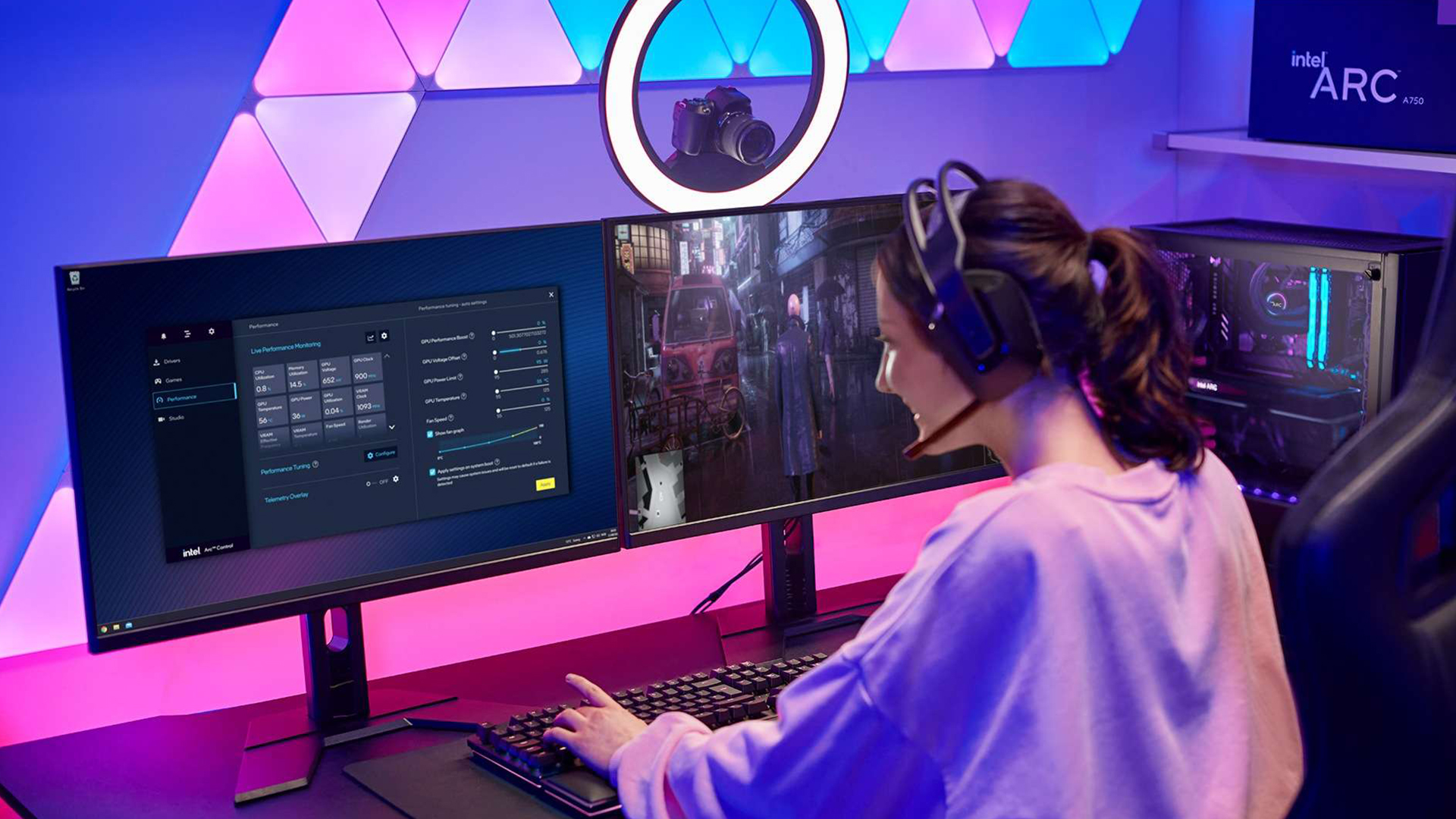
The i5-14600K is not only a gaming chip. Its mix of fast cores and efficiency-focused cores makes it useful for creators, streamers and everyday users who want one desktop CPU for games, work and background apps.
Content Creation Performance
For video editing, photo work, streaming, light 3D projects and encoding, the i5-14600K CPU performance is strong for a mid-range processor. It will not replace a high-end Core i7 or Core i9 in heavy creator workloads, but it has enough headroom for users who game and create on the same PC.
Multithreaded Workloads
Intel Core i5-14600 K's performance is best visible in tasks where both sides of its core layout are used. The Performance cores handle heavier foreground tasks, while the Efficient cores help with lighter background work, so the PC can feel responsive even when multiple apps are open.
This is where the i5-14600K specs make sense in real use. The chip’s P-core and E-core performance helps with productivity workloads such as rendering, file compression, streaming, editing exports and general multitasking. It also benefits from strong multi-core scaling, although users doing professional-grade rendering every day will still get more headroom from higher-tier CPUs.
Thermals and Power Consumption
The i5-14600K is efficient enough for a strong gaming build, but it is still a K-series desktop chip with real cooling demands. For the best i5-14600K CPU performance, the cooler, case airflow and motherboard power settings all matter.
Heat Output
A genuine i5-14600K review should focus on all aspects. When it comes to cooling and heat output, the main point is simple: the chip is not difficult to cool in normal gaming, but heavier workloads can push power and temperature higher. Its processor base power is 125W, while maximum turbo power can reach 181W, so CPU power consumption depends heavily on the task rather than staying at one fixed number.
That means thermal performance will vary between a quick game of Valorant, a long session in a CPU-heavy strategy title, and an all-core rendering workload. Games usually sit below worst-case stress-test behaviour, but poor cooling can still lead to louder fans, higher temperatures and less consistent boost behaviour.
Cooling Requirements
The i5-14600K does not automatically need liquid cooling. A good tower air cooler can be enough for gaming, while a quality 240mm AIO makes more sense if you want quieter operation, heavy productivity use, or more room for tuning.
The chip is unlocked, so its overclocking capability is there if your motherboard and cooling are up to it. You get the best i5-14600K value when it is run with sensible cooling and stable power settings rather than chasing every MHz.
Platform and Compatibility
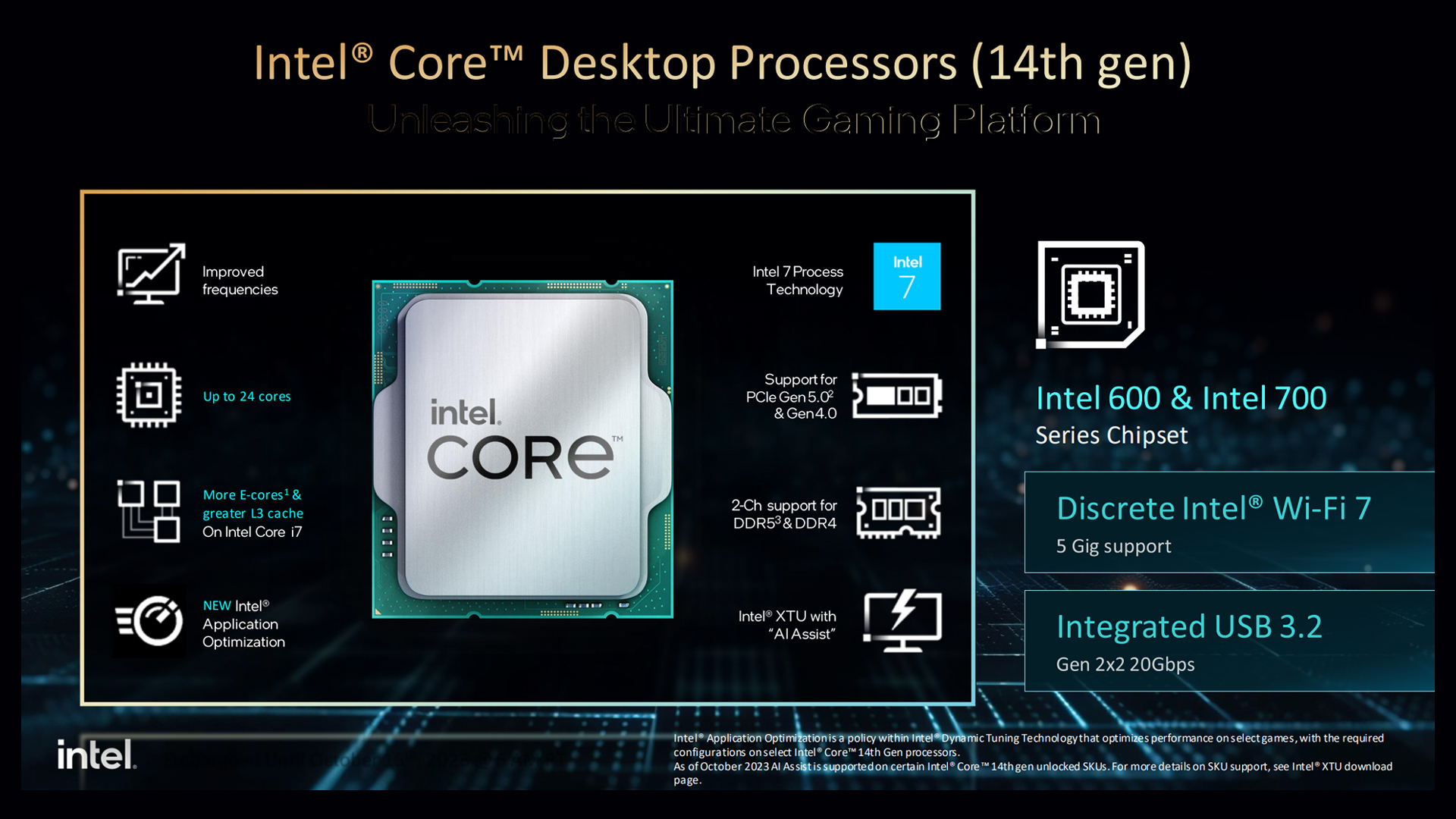
The i5-14600K is flexible for builders because it works with the same Intel desktop platform used by recent 12th and 13th Gen chips. That makes it useful for fresh builds and some upgrade paths, if the motherboard has the right socket and BIOS support.
LGA 1700 Support
As an i5 14th Gen desktop CPU, the i5-14600K uses the LGA 1700 socket, so it can work with compatible Intel 600 and 700 Series motherboards. That is helpful if you are upgrading an older PC with an Intel i5 and want to keep the same platform rather than replace every major part.
The key detail is BIOS support. Many 600 and 700 Series boards can support 14th Gen processors, but some need a BIOS update first, so it is worth checking the motherboard support page before buying or upgrading.
DDR4 vs DDR5
The memory side is another reason this chip is flexible. The official i5-14600K specs include support for DDR4-3200 and DDR5 support up to DDR5-5600, depending on the motherboard you choose.
DDR4 makes sense if you are upgrading and already own a good kit. DDR5 is the better fit for a newer build where you want more bandwidth and a stronger long-term setup. The important part is to check the board first, because DDR4 and DDR5 motherboards are different, and the memory types are not interchangeable.
Motherboard Compatibility
For most users, motherboard choice comes down to features and budget. Z790 is the natural fit if you want overclocking, stronger power delivery and more enthusiast features. B760 can still be a sensible option if you want the chip at stock settings and care more about value than tuning.
This is where the i5-14600K value depends on the whole platform, not just the CPU price. A balanced board, decent cooling, the right memory type and a capable GPU will matter more than overspending on features you will not use.
Is the i5-14600K Worth It?
- For gaming value: The value of the i5-14600K is strongest when you want high frame rates without stepping up to a more expensive Core i7. It still makes sense for 1080p and 1440p gaming when paired with a capable GPU.
- Against the older chip: The i5-14600K vs 13600K decision depends heavily on price. Benchmark comparisons show both CPUs are very close in single-threaded and multi-threaded ratings, so the 14600K is easier to justify when the price gap is small.
- For productivity users: Intel Core i5-14600K performance is strong enough for editing, streaming, file compression and multitasking. It is not a workstation-class chip, but it gives plenty of everyday creator headroom for a mid-range build.
- Compared with higher tiers: If you are weighing up i5 vs i7, the i5-14600K is the sensible pick for gaming-first users. The i7 makes more sense if you regularly run heavier rendering, editing or multitasking workloads.
- Against AMD alternatives: The i5 vs Ryzen 5 choice comes down to current pricing, motherboard cost, memory choice and the games or apps you use most. The i5-14600K remains a strong option if you want a fast Intel chip with good all-around desktop performance.
Final Verdict
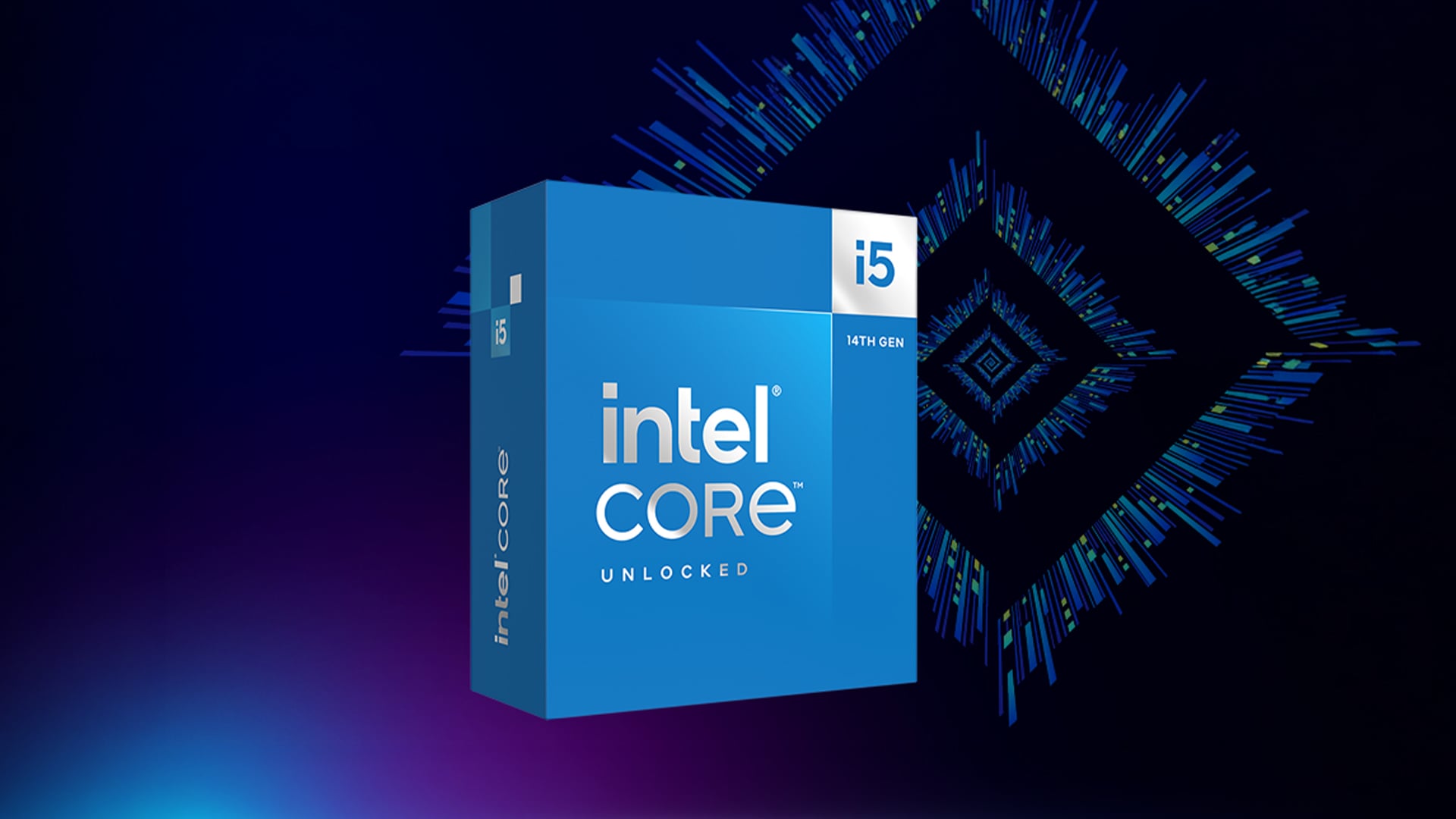
The i5-14600K review verdict is simple: this is still a strong mid-range desktop CPU for gamers, streamers and everyday power users who want fast performance without jumping to a Core i7. It performs equally well in i5-powered laptops, but you should consider other specs as well before making the final call.
If you already own an i5-13600K, the upgrade is not essential. But if you are moving from an older processor, the i5-14600K remains a sensible choice for high-FPS gaming and mixed productivity use in 2026.
Frequently Asked Questions
Is Core i5 still good in 2026?
Yes, Core i5 is still good in 2026, especially for gaming and everyday desktop use. Modern i5 chips like the i5-14600K offer enough cores, threads and speed for most gamers, streamers and multitaskers.
Is the i5-14600K good for gaming?
Yes, the i5-14600K is very good for gaming when paired with a capable graphics card. It is strong enough for modern AAA games, esports titles and high-refresh gaming at 1080p or 1440p.
Is i5-14600K better than i7-14700K?
No, the i7-14700K is faster overall, especially in heavier multitasking and productivity workloads. The i5-14600K is better for buyers who want strong gaming performance without paying extra for i7-level power.
Does the 14600K have integrated graphics?
Yes, the i5-14600K includes Intel UHD Graphics 770. The i5-14600KF version is the one without integrated graphics.
Does the 14600K need liquid cooling?
Not necessarily. A good tower air cooler can handle gaming well, but a 240mm AIO is useful for quieter performance, heavy workloads or overclocking.
Is the i5-14600K future-proof?
It is reasonably future-ready for gaming and mixed desktop use, but not fully future-proof. Its LGA 1700 platform is older now, so future upgrades may need a new motherboard.
You can pay with:
*PayPal Credit Representative Example: Assumed credit limit £1,200, Representative 23.9% APR (variable). Purchase rate 23.9% p.a (variable).Terms & Conditions apply.


PayPal Credit and PayPal Pay in 3 are trading names of PayPal UK Ltd, 5 Fleet Place, London, United Kingdom, EC4M 7RD. Terms and conditions apply. Credit subject to status, UK residents only, Five Tech LTD acts as a broker and offers finance from a restricted range of finance providers. PayPal Pay in 3 is not regulated by the Financial Conduct Authority. Pay in 3 eligibility is subject to status and approval. 18+. UK residents only. Pay in 3 is a form of credit. Check if affordable and how you will repay. May make other borrowing more difficult or expensive. See product terms for more details.
Copyright © 1996-2026 Fivetech LTD | Terms and Conditions
box.co.uk & Box are trading names of Five Tech Limited. Registered office: Box LTD, Unit 10 Woodford Trading Estate, Woodford Green IG8 8HF