


 Menu
MenuMenu


Get Sales Advice from Mon - Fri 9am - 5:00pm:
020 3337 8950LAST UPDATED: June 17, 2026
How Lenovo AI Is Changing the FIFA World Cup 2026 Experience
The FIFA World Cup 2026 is already set to be the biggest tournament in football history, with 48 teams, 104 matches and three host countries: Canada, Mexico and the United States. On top of that scale, FIFA and Lenovo are introducing a major set of AI-powered tools designed to improve officiating, give every team better access to match analysis, strengthen live broadcasting, and create smarter experiences for fans. In short, it is a technology story, and a big one.
For fans, the real question is simple: what will Lenovo AI actually change? The answer is quite a lot. FIFA and Lenovo have announced Football AI Pro, AI-enabled 3D player avatars, updated Referee View footage, and wider AI infrastructure to support broadcasts, tournament operations and fan engagement. Together, those tools are meant to make the World Cup faster to run, easier to understand and more immersive to watch.
Lenovo AI at FIFA World Cup 2026: What’s Happening?
Lenovo is FIFA’s Official Technology Partner for the FIFA World Cup 2026, and the partnership goes beyond branding. FIFA says Lenovo will provide AI-enabled devices, infrastructure, software, solutions and services across the tournament, while Lenovo says its technology will support operations intelligence, fan experience and access to the sport. That is why the partnership matters: Lenovo is not just appearing around the tournament, it is helping power important parts of it.
The main technologies announced so far are Football AI Pro, AI-enabled 3D player avatars, advanced semi-automated offside technology, and a next-generation Referee View. Lenovo is also providing the wider infrastructure behind the event, including broadcast support, a technology command centre, and device deployment across venues and team sites.
That is what makes this more than a standard Lenovo FIFA partnership or Lenovo FIFA sponsorship. FIFA has positioned these tools as part of its wider digital strategy, while Lenovo has described them as complete IT and AI solutions for what it calls the most technologically advanced World Cup yet.
What Is Lenovo Football AI Pro?

At the centre of this story is Football AI Pro, sometimes referred to by searchers as Lenovo Football AI Pro or FIFA AI Pro. It is a generative AI football assistant developed by FIFA and Lenovo to support all 48 participating teams with advanced football analysis. FIFA says the aim is to level the playing field by giving every team access to the same high-level pre-match analysis, post-match performance review, and tactical football insights.
In simple terms, Football AI Pro works like an AI-powered football analytics assistant. Lenovo says it is built to analyse millions of data points and more than 2,000 metrics, then deliver insights quickly to coaches, players and analysts. That means teams can use it for match preparation, tactical planning, performance review, and smart match analysis without needing a huge in-house analytics department.
That could be especially important at a 48-team World Cup. Bigger football nations often have deeper data and performance departments, while smaller teams may have fewer resources. FIFA says Football AI Pro is designed to address that imbalance, giving every side access to a shared layer of AI-powered football analytics, football data visualisation and tactical support. From an audience point of view, that is one of the most interesting parts of the whole project because it is not only about broadcast flair, but also about competitive fairness.
For teams, the benefits are practical. Analysts can compare patterns using video and 3D avatars, coaches can test tactical ideas against upcoming opponents, and players can receive personalised match analysis. That turns Football AI Pro into more than a buzzword. It becomes a working tool for pre-match analysis, post-match performance review and match analytics and tactical insights.
If you want to explore the wider consumer side of AI computing, readers can also browse latest Lenovo technology at Box, discover New-gen AI laptops, or read more about Lenovo AI laptop features explained.
AI-Enabled 3D Player Avatars and Smarter VAR
One of the most visible changes for viewers will be the introduction of AI-enabled 3D player avatars. Lenovo and FIFA say every player at the tournament will be 3D-scanned, and those scans will be used to create digital player avatars for officiating and broadcast use. The goal is to make 3D replays more realistic and easier to understand.
This matters most in semi-automated offside technology. FIFA says the 2026 tournament will be the first FIFA World Cup to use its advanced version of semi-automated offside technology, allowing faster offside decisions. Clear positional offsides will now be sent directly to the match officials on the pitch, which should speed up some decisions and reduce the time players continue running after an offside has already happened.
The 3D avatars strengthen that system in two ways. First, they improve the accuracy and visual quality of the offside review process by incorporating realistic player body models. Second, they make offside replays easier for fans to understand, because the replayed figures will look more like the real players involved rather than generic animations. That could make world cup offside technology, VAR semi-automated decisions and replay explanations feel clearer for the audience at home and in the stadium.
In other words, this is not just offside technology for officials. It is also a communication tool for fans. Offside has always been one of football’s most frustrating talking points, so anything that improves clarity could have a real impact on how fans experience big moments. That is where AI at FIFA World Cup 2026 starts to feel useful in a very visible way.
Referee View: AI-Stabilised Footage for Fans
Another headline feature is Referee View AI, or simply the updated Referee View. FIFA and Lenovo say referee body cameras will return at the tournament after earlier trials, but this time the footage will be improved by Lenovo’s AI-driven stabilisation overlay. The aim is to create clearer, steadier first-person referee footage for broadcasters and fans.
This may sound like a small broadcast extra, but it could become one of the most memorable features of the whole tournament. Referee footage puts viewers in the middle of the action, showing the pace of play, player interactions and major incidents from the official’s point of view. With AI stabilisation making the image cleaner, that first-person referee footage could feel more watchable and more useful than before.
FIFA has also said the clearer footage can support match officials in critical moments while giving fans a sharper and more immersive view of the game. That could improve transparency around major decisions, even if it does not replace the standard decision-making process. For supporters, it is one more example of Football AI innovations being used not just for analysis, but for storytelling and trust.
How Lenovo AI Will Improve World Cup Broadcasts?
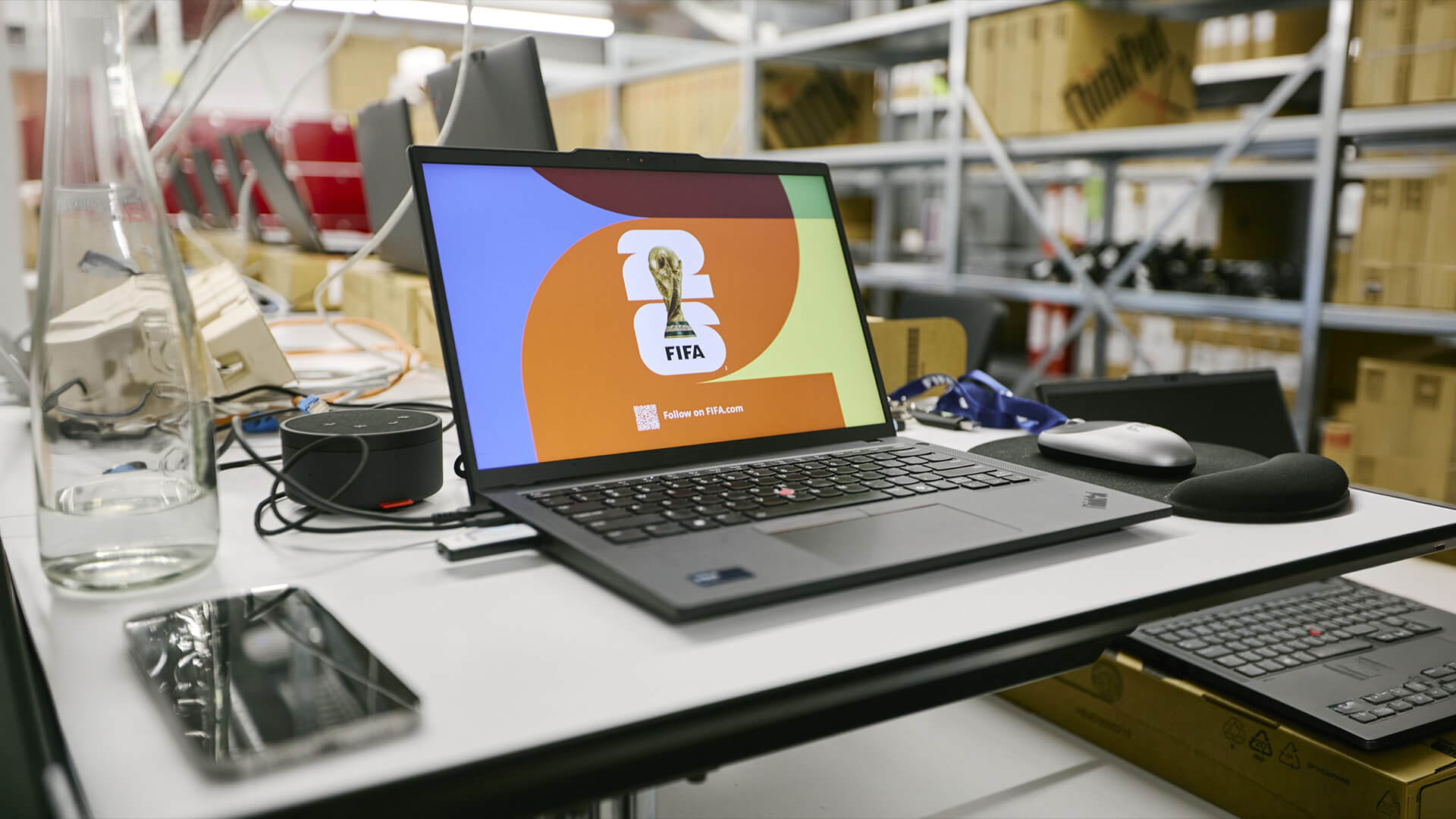
Broadcasting is another major area where Lenovo AI World Cup technology is making a difference. Lenovo says it is delivering a near real-time AI-powered infrastructure platform for the tournament to support ultra-low-latency IPTV delivery, intelligent content delivery and wider event operations. In practical terms, that means faster delivery of live match feeds and a more responsive broadcast ecosystem.
Lenovo says its infrastructure has reduced IPTV delays to under five seconds and will distribute match content in near real time across more than 1,000 screens throughout FIFA venues. It also says its servers at the International Broadcast Center in Dallas will help process and distribute live video from stadiums across North America. That means better support for near real-time broadcast delivery, multi-angle views and smarter content distribution.
For viewers, the benefit is simple: a smoother and more connected watching experience. Faster content delivery can support better live highlights, more synchronised viewing and more flexible coverage across fan zones, media areas and official venues. This is the part of FIFA World Cup 2026 technology that most people may not notice directly, but it could make the overall tournament feel more polished and modern.
If you are planning to follow the tournament from home, you could also point readers towards the best projector setup for World Cup matches for a bigger-screen viewing experience.
Smarter Fan Experiences Inside and Outside Stadiums
Lenovo’s role is not limited to the pitch and the broadcast truck. According to Lenovo, its AI solutions will also support FIFA’s operations and fan movement around the tournament footprint. The company says an Intelligent Command Center will help monitor operations in real time, while digital twins of venues and Smart Wayfinding tools will support venue management and fan navigation.
That could be useful in a tournament this large. With matches spread across three countries and 16 host cities, moving people around smoothly will be a major challenge. Smarter wayfinding and real-time venue intelligence could help fans find routes, navigate fan zones and move more easily around stadium areas. This is where AI-powered fan engagement, AI-powered fan experience and stadium navigation technology become practical, not just promotional phrases.
Lenovo also says more than 17,000 Lenovo and Motorola devices and over 200 engineers will be deployed across venues and team sites, which shows how large the technology operation really is. So, when people talk about Lenovo FIFA AI, they are not only talking about software. They are also talking about the hardware and support network behind the event.
Why FIFA World Cup 2026 Is a Major AI Test for Sport
The 2026 World Cup is the first men’s World Cup with 48 teams, and FIFA says it will run from 11 June to 19 July 2026 across Canada, Mexico and the United States. That scale makes it an ideal testing ground for AI-powered tournament systems. If tools such as Football AI Pro, AI-enabled 3D player avatars and smart broadcast infrastructure can work here, they could shape how future major tournaments are delivered.
It also shows how AI is changing football in layers. Some tools are for teams, some are for referees, some are for broadcasters, and some are for fans. That wider approach is why this feels bigger than a single gadget or feature. It is closer to a full sports technology infrastructure project built around elite sport.
Should Fans Be Excited or Concerned About AI in Football?
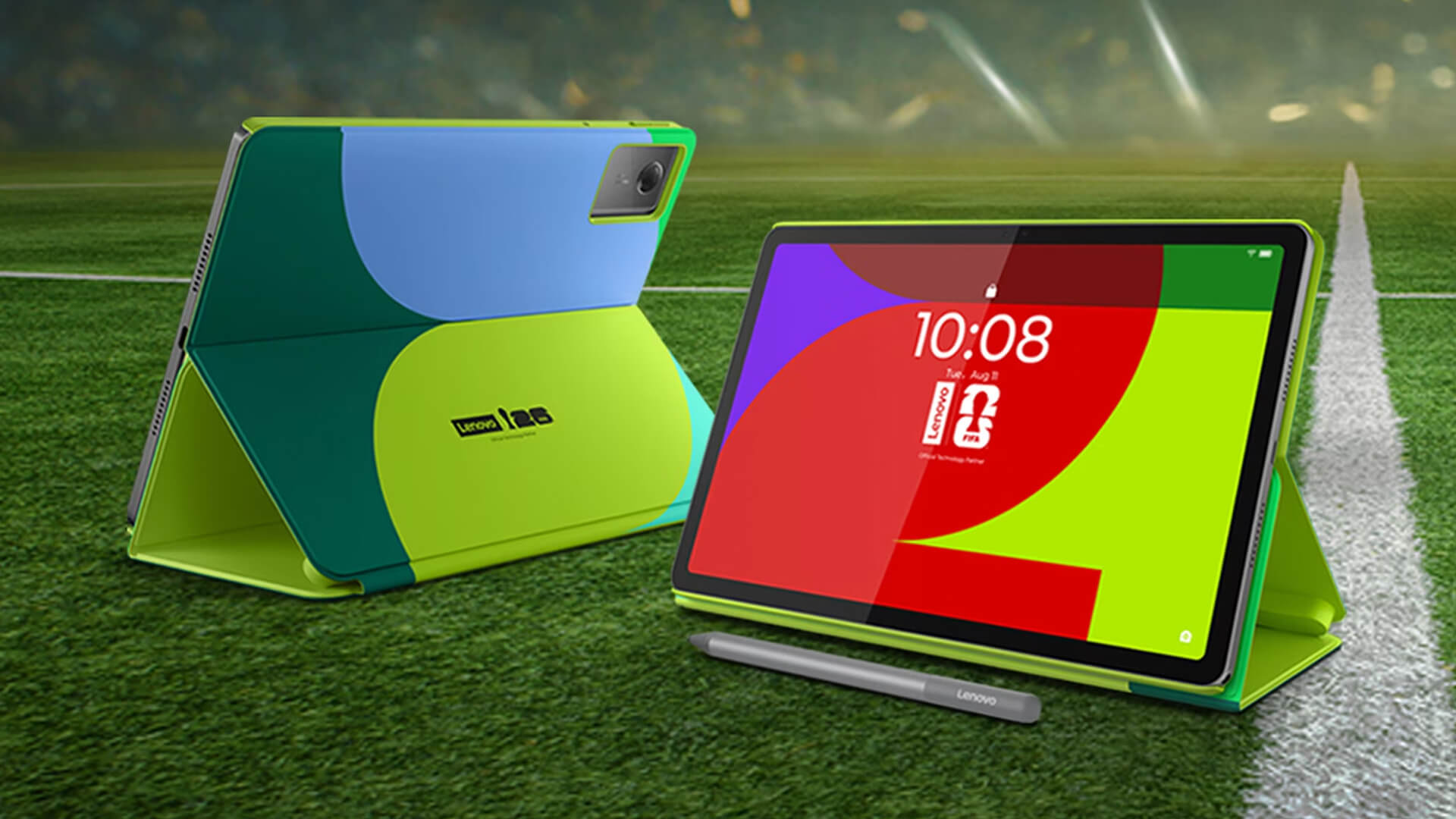
There are good reasons for excitement. Faster offside decisions, clearer offside replays, better analysis access for all teams, more immersive broadcast angles and smarter fan experiences all sound positive. If the systems work as intended, AI could make football easier to follow, more transparent and more enjoyable.
At the same time, it is fair to ask questions. Fans may wonder how accurate the systems are, how much influence AI should have in decision-making, and whether technology could make the game feel over-managed. FIFA’s own framing suggests the right balance is to use AI as support rather than replacement. The human referee still matters. Coaches still decide tactics. And football still depends on judgement, pressure and emotion in real time. The best outcome is not AI taking over the game, but AI making the game clearer and fairer. This is an inference based on how FIFA and Lenovo describe these tools as enhancements for officiating, analysis and fan experience rather than replacements for human roles.
Final Words
Lenovo AI at FIFA World Cup 2026 is shaping up to be one of the most interesting technology stories in modern sport. Football AI Pro could democratise access to analysis for all 48 teams. AI-enabled 3D player avatars could make offside decisions clearer and more realistic. Referee View AI could give fans a fresh perspective on the game. And the wider Lenovo infrastructure behind the tournament could help broadcasts, operations and fan experiences run more smoothly.
For football fans, that means the 2026 World Cup may not only be the biggest tournament ever, but also one of the smartest. And for readers interested in the devices and AI experiences behind this shift, it is worth exploring Lenovo laptops for work and entertainment, Smart Copilot+ PCs, High-performance Lenovo Legion models and today’s best laptop deals. You can also read related guides on Lenovo ThinkPad models for work and the Copilot+ and Ryzen AI laptop guide.
FAQs
What is Lenovo Football AI Pro?
Football AI Pro is a generative AI knowledge assistant developed by FIFA and Lenovo for the FIFA World Cup 2026. It is designed to help all 48 teams with match analysis, tactical planning, player insights and performance review.
How do AI-enabled 3D player avatars work?
Every player at the tournament will be 3D-scanned, and those scans will be used to create digital avatars. These avatars are then used in officiating technology and in 3D broadcast replays, especially around offside decisions.
How will 3D avatars improve offside decisions?
They support advanced semi-automated offside technology by using more realistic player models, which helps officiating accuracy and also makes offside replays easier for fans to understand.
How will Lenovo AI improve World Cup broadcasts?
Lenovo is providing near real-time AI-powered infrastructure, low-latency IPTV support, live content distribution and support for multi-angle and immersive coverage. It is also helping deliver improved Referee View footage.
How will fans benefit from Lenovo’s FIFA AI technology?
Fans could benefit from clearer offside explanations, more immersive referee footage, smoother live coverage, and better navigation and experiences around venues and fan zones.
When and where is the FIFA World Cup 2026?
FIFA says the tournament will take place from 11 June to 19 July 2026 across Canada, Mexico and the United States.
You can pay with:
*PayPal Credit Representative Example: Assumed credit limit £1,200, Representative 23.9% APR (variable). Purchase rate 23.9% p.a (variable).Terms & Conditions apply.


PayPal Credit and PayPal Pay in 3 are trading names of PayPal UK Ltd, 5 Fleet Place, London, United Kingdom, EC4M 7RD. Terms and conditions apply. Credit subject to status, UK residents only, Five Tech LTD acts as a broker and offers finance from a restricted range of finance providers. PayPal Pay in 3 is not regulated by the Financial Conduct Authority. Pay in 3 eligibility is subject to status and approval. 18+. UK residents only. Pay in 3 is a form of credit. Check if affordable and how you will repay. May make other borrowing more difficult or expensive. See product terms for more details.
Copyright © 1996-2026 Fivetech LTD | Terms and Conditions
box.co.uk & Box are trading names of Five Tech Limited. Registered office: Box LTD, Unit 10 Woodford Trading Estate, Woodford Green IG8 8HF