


 Menu
MenuMenu


Get Sales Advice from Mon - Fri 9am - 5:00pm:
020 3337 8950LAST UPDATED: February 04, 2026
Why iPhone Air Underperforms in the UK Market: Key Reasons Explained
Apple's attempt to reshape its smartphone lineup with the iPhone Air has so far yielded underwhelming sales results in the UK. Despite its sleek design and marketing push, the device hasn't resonated as strongly with British buyers as Apple hoped. Early demand appears weaker than anticipated, and several major tech analysts and industry sources suggest the model's sales are lagging behind both internal expectations and existing rivals in its segment.
Below, we unpack why iPhone Air sales performance in the UK has been disappointing covering everything from pricing pressures and design trade-offs to consumer behaviour and competition both inside and outside Apple's lineup.
How iPhone Air sales compare within the iPhone range
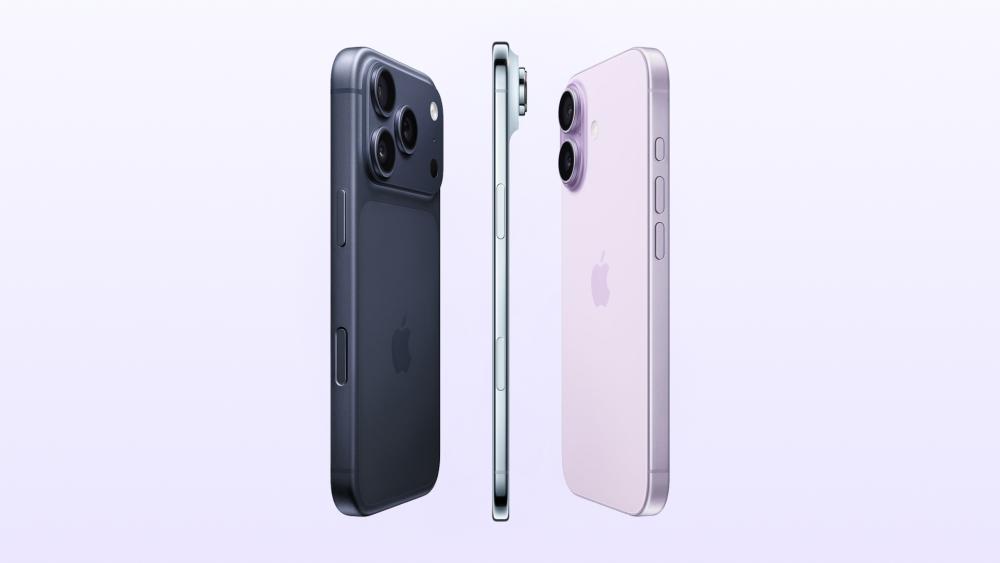
The iPhone Air was positioned as a fresh addition to Apple's iPhone family. An ultra-thin, lightweight alternative to the mainline and Pro iPhones. However, in terms of demand and sales performance, it's lagging notably behind the latest Apple iPhone models that came alongside it.
According to investor and supply chain insights, the iPhone Air's orders declined close to end-of-production levels shortly after launch, whereas standard iPhone models like the iPhone 17 and iPhone 17 Pro are reportedly performing well.
In fact, Apple has slowed production of the iPhone Air amid weak demand and has reportedly shifted manufacturing focus back to its more popular models. (source: GB News)
Positioning of iPhone Air in Apple's lineup
The iPhone Air was introduced as an extra tier between the standard and Pro models rather than as a direct replacement for either. It wasn't branded with a numerical version like many flagship models, which may have diluted its identity and confused buyers about where it truly fits in Apple's hierarchy.
Other Apple smartphones such as the base Apple iPhone models still appeal because they offer well-balanced performance and features without forcing compromises on things like display quality or battery life.
How buyers are choosing between Air, standard, and Pro models
UK smartphone buyers have been balancing performance, longevity and price more tightly than ever. With the iPhone Air, many potential customers are choosing either the standard iPhone 17 for better value or the iPhone 17 Pro models for top performance and camera versatility, leaving the Air squeezed in the middle. As a result, iPhone Air sales performance hasn't met expectations.
Pricing pressure and perceived value
One of the main reasons the iPhone Air underperforms is its pricing position at launch relative to what buyers actually receive for that cost.
Price point versus feature set
The iPhone Air launched around the £999 price mark in the UK which is significantly higher than the standard iPhone 17 and only slightly cheaper than the feature-rich iPhone 17 Pro.
For this price, buyers expect top-tier features, such as multi-lens cameras, long battery life and top-class performance. Unfortunately for Apple, the Air's focus on slim design meant trade-offs in some of these areas that make buyers question its value compared with both cheaper and more expensive options.
Why buyers expect more at this level
Price point impacts perceived value as much as actual hardware specs. At around £999, the expectation is often "full flagship experience." Yet the Air's pared-down camera (single lens), more modest battery and less versatile feature set don't always match these expectations.
This mismatch between price and perceived value plays directly into conservative UK buying behaviour, where consumers are more cautious about paying premium prices without clear advantages.
Impact of discounts and delayed buying decisions
Because the iPhone Air doesn't deliver obvious flagship advantages, many buyers are delaying purchases in hopes of price drops, promotions or seasonal discounts. This behaviour slows initial iPhone Air sales momentum and weakens early consumer confidence.
Buyers may also hold onto existing devices longer rather than upgrading this cycle if the incremental benefits don't justify the cost.
Design appeal versus practical trade-offs
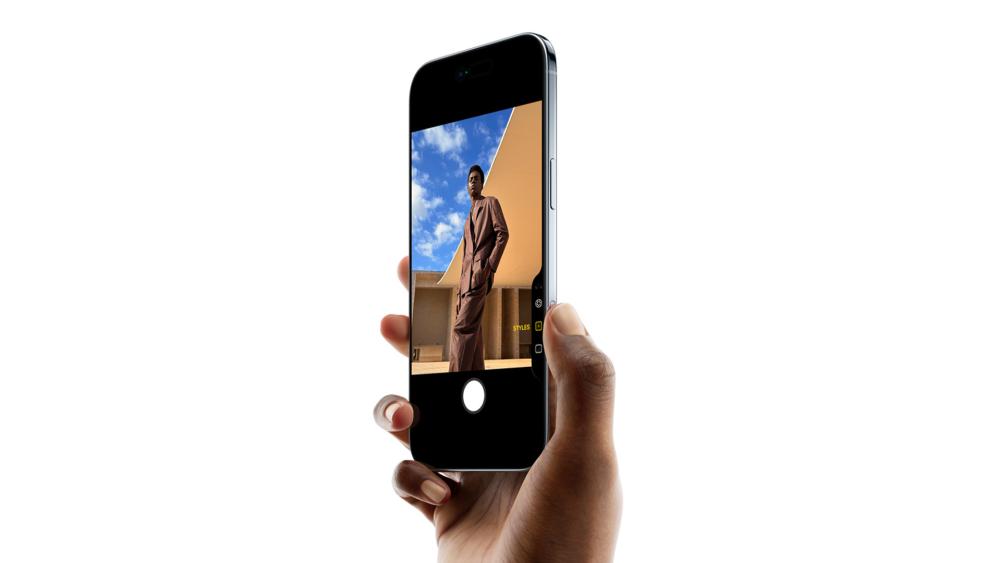
The iPhone Air is undeniably striking. Its ultra-thin 5.6mm titanium frame and light build make it one of the most distinctive smartphones Apple has ever released. However, aesthetic appeal alone hasn't convinced UK buyers that the trade-offs are worthwhile.
Slim design benefits and limitations
A thinner phone is easier to hold and carry, but the pursuit of thinness has real consequences. A slimmer chassis limits battery capacity, often results in thermal throttling under heavy use, and can restrict camera hardware options. Buyers focused on practical daily performance, especially gamers and power users, see less upside here.
Battery life expectations for daily use
Battery life remains a major factor for UK buyers. The iPhone Air's reduced internal space for a powerful battery, in favour of sleek dimensions, has resulted in more modest battery performance compared with larger iPhone models. This has left some users needing mid-day charging, which lowers its appeal for people on the go.
For consumers who want a phone that easily lasts a full day under heavy use, this can be a deal-breaker and directly affects iPhone Air demand.
Durability and long-term usability concerns
Ultra-thin designs can also spark durability concerns, particularly among UK buyers who value resale value and longevity over trends. Many prefer devices that retain strong battery life and robust build quality even after years of use.
Performance and feature expectations
A smartphone's raw performance and feature set are key drivers of purchase decisions, especially for tech-savvy buyers.
Chipset performance in real-world use
The iPhone Air is powered by Apple's A19 Pro chipset, the same core chip series used in higher-end models, but in a slightly reduced configuration. While daily tasks and casual gaming perform well, there are gaps in sustained high-performance tasks when compared with the Pro models.
These differences matter to users who expect flagship performance across all areas.
Camera capabilities versus competing iPhones
Another point of contention is camera versatility. Most flagship phones in the iPhone's price range offer multiple lenses (wide, ultrawide, telephoto), while the iPhone Air has just a single rear camera.
This simpler setup may handle everyday photos but pales in comparison to multi-lens systems that excel in creative photography, zoom shots, and low-light scenarios.
Display quality and refresh rate expectations
While the iPhone Air uses a high-quality OLED panel with 120Hz refresh rates, many competing devices deliver similar or superior screen performance at lower price points. For display-centric buyers, the marginal differences aren't always compelling enough to justify the premium price.
Buying behaviour influencing demand
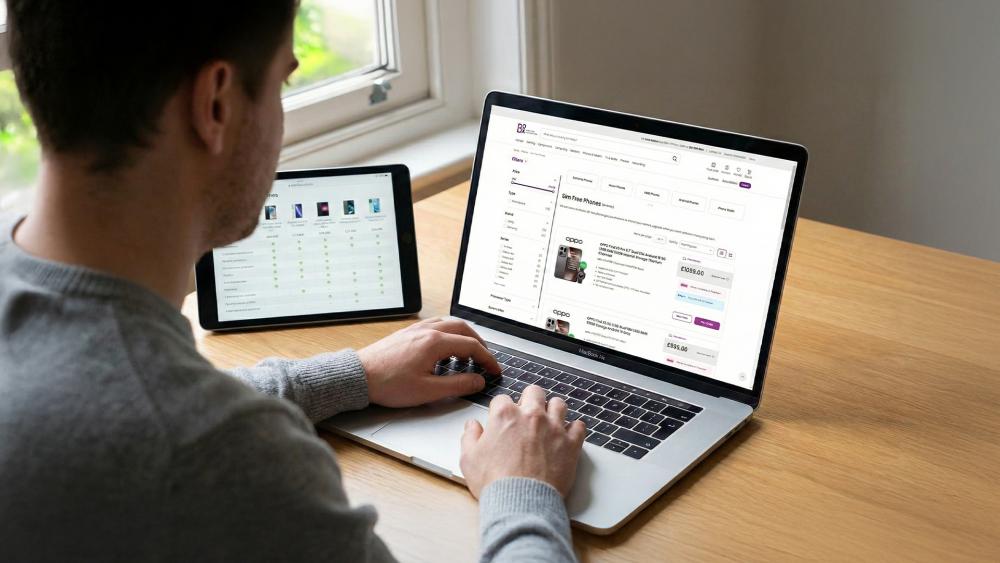
Purchasing patterns in the UK smartphone market have shifted significantly in recent years with implications for iPhone Air sales.
Contract upgrades versus SIM-free purchases
More UK consumers are moving away from mobile contracts to buying SIM-free phones outright often to avoid long-term commitments and hidden costs.
This trend increases price sensitivity, as buyers weigh upfront cost versus long-term value more closely. Without clear flagship advantages, the iPhone Air struggles to make a strong case in SIM-free compare-shopping. Customers have better SIM-free options going for the base and Pro models rather than the Air.
Role of trade-ins and resale value
Resale value and trade-in programmes are key considerations for UK buyers. Phones that retain high trade-in value tend to sell better because buyers feel their next upgrade will cost less.
Early trade-in data suggests the iPhone Air may be depreciating faster than other models, giving buyers less confidence of strong future returns on resale value.
Why refurbished iPhones are pulling buyers away
Another factor in lower demand for new iPhone Air models is interest in refurbished iPhones, where buyers can often secure better hardware at lower prices. Refurbished devices appeal especially to budget-conscious buyers and those seeking higher-end Pro-level features without paying full sticker price.
This trend can draw attention away from the iPhone Air's target segment and reduce its market traction.
Competition beyond iPhone Air
The iPhone Air isn't just competing with other Apple products. It's up against strong rival devices from both Apple's own ecosystem and the wider smartphone market.
Internal competition from other Apple models
As noted earlier, buyers frequently compare the iPhone Air directly against the iPhone 17 and iPhone 17 Pro models. Because these alternatives offer either stronger feature sets or better overall value, many customers simply skip the Air in favour of models that deliver more across battery life, cameras and performance.
Android alternatives at similar price points
In the broader smartphones segment, there are several Android flagship devices matching or undercutting the iPhone Air's price while offering advantages like larger batteries, multiple camera lenses, and flexible software features. Android buyers in the UK have increasingly strong choices for smartphones, and this competitive pressure makes the iPhone Air harder to justify for discerning buyers.
When iPhone Air still makes sense
Despite weaker overall demand, the iPhone Air isn't a flop for everyone. There are specific buyer profiles where it shines.
Ideal buyer profiles
- Users prioritising sleek design and portability
- Those embedded deeply in the Apple ecosystem who value continuity with iOS and services
- Buyers who don't use heavy multitasking or intense gaming regularly
For this set of buyers, the iPhone Air delivers a compelling balance of performance, iOS features and unique form factor.
Use cases where iPhone Air performs well
- Everyday social media and streaming
- Casual photography
- Daily web browsing and productivity
These users won't feel the pinch of the simpler camera or relatively smaller battery as much.
Better alternatives to consider
If you're on the fence about the iPhone Air, here are some options worth considering:
Choosing another iPhone model
You can go for other Apple iPhone models that better suit your daily needs. The standard iPhone 17 or iPhone 17 Pro usually deliver more consistent value for everyday and flagship use, and in many cases they outperform the Air for only a modest price difference.
Considering refurbished options for better value
Refurbished iPhones often offer higher specs at lower prices than the Air, including Pro-level performance and cameras, making them attractive alternatives for budget-conscious buyers.
Waiting for price drops or promotions
If you're not in a rush, waiting for seasonal price drops, trade-in deals or offers around major sales events can make the iPhone Air a better value proposition, or open the door to other models.
Wrapping Up
The iPhone Air has underperformed in the UK because it sits in an awkward middle ground. While its slim design stands out, iPhone Air sales have been held back by high pricing, shorter battery life, limited camera versatility, and strong competition from both standard and Pro iPhone models. For many UK buyers, the trade-offs simply don't justify the cost, especially in a market that now prioritises long-term value, resale potential, and SIM-free flexibility.
Although the iPhone Air can still suit users who value design and light everyday use, most buyers are finding better overall value elsewhere in Apple's lineup or through refurbished alternatives. Until pricing or features shift more clearly in its favour, iPhone Air sales performance in the UK is likely to remain subdued. So while we wait, check out other Apple products and accessories at Box.co.uk to enhance your tech-stack.
FAQs
Is iPhone Air a flop or hit?
Early sales and production cuts suggest the iPhone Air has underperformed relative to expectations, with reports of significantly reduced demand compared to other Apple models.
How many iPhone Airs have sold?
Exact figures haven't been publicly released, but industry reports indicate much lower sales volumes than anticipated, leading to production slowdowns and delays in upcoming iterations.
Is the iPhone Air the thinnest phone?
Yes, at around 5.6mm thick, the iPhone Air is one of Apple's thinnest smartphones ever.
What is the battery capacity of the iPhone 17 Air?
Battery capacity varies by region and testing, but the phone's slim design means it has a smaller battery than many competing flagship models, impacting endurance under heavy use.
Is iPhone Air worth buying compared to other iPhones?
It depends on your priorities. If you value design and portability over top-tier cameras, battery life, or raw performance, it performs well. Otherwise, other models often deliver better overall value.
You can pay with:
*PayPal Credit Representative Example: Assumed credit limit £1,200, Representative 23.9% APR (variable). Purchase rate 23.9% p.a (variable).Terms & Conditions apply.


PayPal Credit and PayPal Pay in 3 are trading names of PayPal UK Ltd, 5 Fleet Place, London, United Kingdom, EC4M 7RD. Terms and conditions apply. Credit subject to status, UK residents only, Five Tech LTD acts as a broker and offers finance from a restricted range of finance providers. PayPal Pay in 3 is not regulated by the Financial Conduct Authority. Pay in 3 eligibility is subject to status and approval. 18+. UK residents only. Pay in 3 is a form of credit. Check if affordable and how you will repay. May make other borrowing more difficult or expensive. See product terms for more details.
Copyright © 1996-2026 Fivetech LTD | Terms and Conditions
box.co.uk & Box are trading names of Five Tech Limited. Registered office: Box LTD, Unit 10 Woodford Trading Estate, Woodford Green IG8 8HF