


 Menu
MenuMenu


Get Sales Advice from Mon - Fri 9am - 5:00pm:
020 3337 8950LAST UPDATED: June 18, 2026
iPhone 17e Is Here: Everything You Need to Know Before You Buy
The iPhone 17e has officially arrived, and it brings a smart shift in Apple's 2026 strategy. Rather than chasing ultra-premium pricing, Apple has focused on delivering a balanced device that feels modern, capable and practical for everyday users.
If you're considering an upgrade, this iPhone 17e buying guide breaks everything down clearly. We'll cover what's genuinely new, what's carried over, and whether the iPhone 17e makes sense for you in the UK right now.
As Apple's latest iPhone in the market, the iPhone 17e offers many of the features people expect without stepping into Pro-level cost. It is designed for buyers who want strong performance, reliable cameras and long-term software support, but do not necessarily need every high-end extra.
With the iPhone 17e release now confirmed, the real question is simple: Does this new iPhone deliver enough value to justify the upgrade?
Let's take a closer look at the iPhone 17e specs!
iPhone 17e Launch, Release Date and UK Price
The iPhone 17e launch officially took place on 2nd March 2026, when Apple announced the device as the successor to the 16e. Pre-orders open from 4 March 2026, and the first units began arriving with customers and in stores from 11 March 2026.
For UK buyers, the confirmed iPhone 17e price in the UK starts at £599 for the 256GB model. Apple has removed the older 128GB entry option, which makes the base model far more practical for everyday use. For most users, 256GB offers enough headroom for photos, apps and 4K video without constantly managing storage.
Within the wider Apple iPhone lineup, the Apple iPhone 17e sits below the standard iPhone 17 and well below Pro models. It is positioned as the value-focused option, delivering modern performance without the premium extras like ProMotion or multi-lens camera systems.
The launch event also introduced the new iPad Air with M4, which shares the same availability window. That makes March 2026 a significant moment for Apple's mid-range refresh cycle across devices.
If you are upgrading from an iPhone 12 or older, the iPhone 17e might be a good option if you want new hardware. For people currently using iPhone 16e, comparing 16e with 17e is the right approach before making the move.
Apple iPhone 17e: Design and Display
The design of the iPhone 17e stays close to what Apple users already know, but there are a few important refinements this year. From materials and colour options to screen quality and durability, this section of our iPhone 17e buying guide breaks down what has actually changed, and what hasn't, following the iPhone 17e launch.
Design
The iPhone 17e keeps a familiar shape, but there are a few meaningful refinements worth noting.
- Aluminium frame and glass back
Apple continues with a flat-edge aluminium design, paired with a glass rear panel. It feels solid in the hand without being overly heavy.
- Colour options, including a pink finish
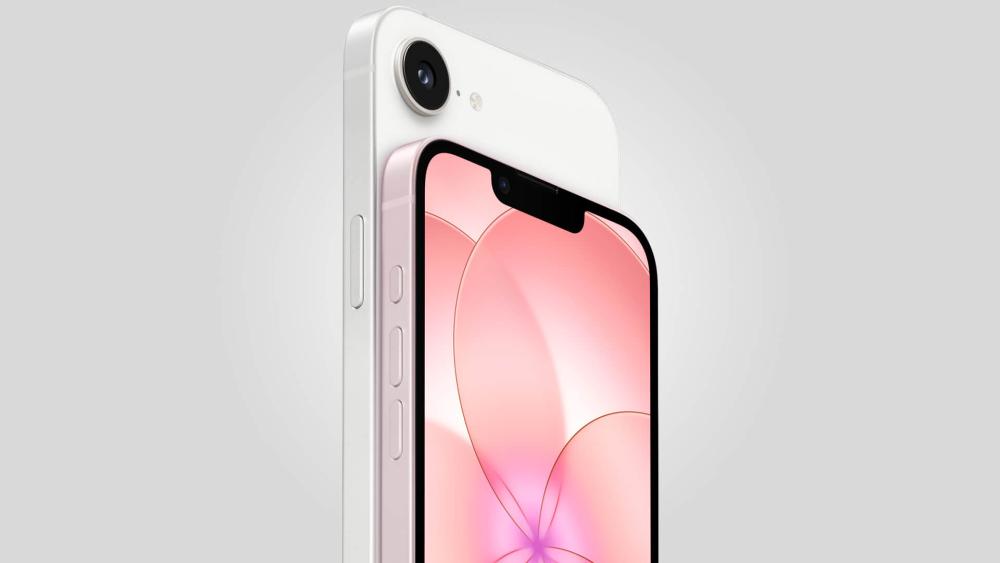
This year introduces a softer pink tone alongside classic black and white. The pink iPhone colour adds a bit more personality compared to previous entry models.
- IP68 water and dust resistance
The phone is rated to withstand splashes, rain and brief submersion, which is standard across current models.
- Action Button replaces the mute switch
Like the rest of the 2026 range, the mute toggle has been replaced with a customisable Action Button.
- Notch instead of Dynamic Island
Unlike higher-tier models, the display of iPhone 17estill uses the notch design.
For everyday protection, pairing the device with quality protective phone cases is still recommended, especially since the back glass is not upgraded to the Pro-level material.
Display
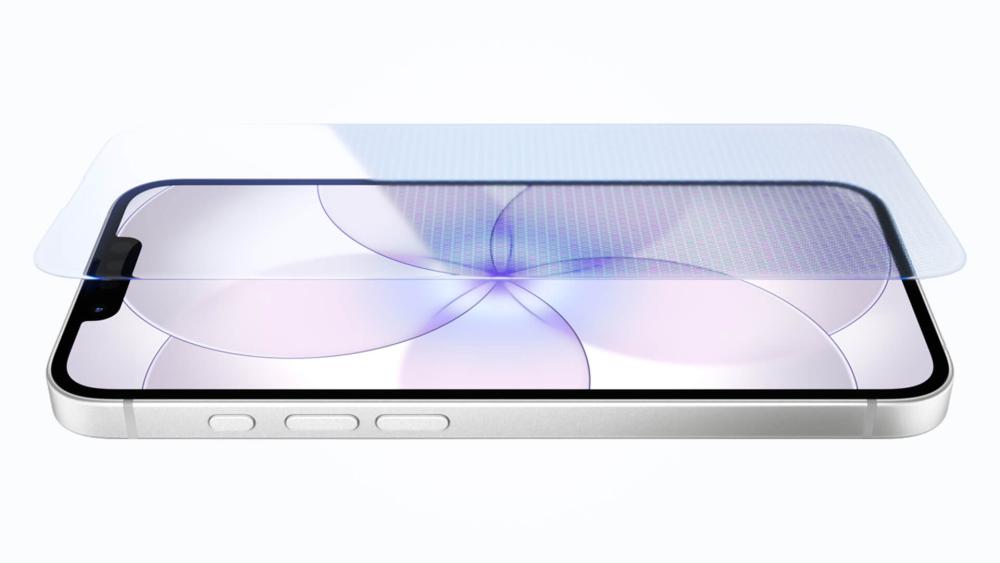
The iPhone 17e display is built around a 6.1-inch Super Retina XDR display, maintaining the same overall size as its predecessor.
- Resolution: 2532 × 1170 pixels
- Technology: OLED panel
- Typical brightness: 800 nits
- HDR peak brightness (nits): 1200
The peak brightness (nits) level ensures HDR content remains clear and punchy outdoors, though it does not reach the higher figures seen on Pro models.
- Refresh rate: 60Hz
There is no ProMotion here, which means scrolling is smooth but not ultra-fluid compared to 120Hz displays.
- Ceramic Shield 2 protection
Apple has introduced an upgraded front glass layer designed to improve scratch resistance over previous entry models.
- Face ID built into the notch
The phone continues to rely on Face ID for secure authentication, payments and app logins.
Performance and Battery
When it comes to real-world use, the iPhone 17e specs deliver solid performance without trying to be a flagship. At its core is the Apple A19 chip, the same generation processor used in higher models, with a 6-core CPU and 4-core GPU that Apple says offers up to twice the speed of much older iPhones. This makes everyday tasks, opening apps, browsing, messaging and light gaming, feel fluid and responsive. The A19 also includes a 16-core Neural Engine, which helps with machine learning tasks and system responsiveness.
Battery life is just as important for everyday use. The iPhone 17e features a built-in rechargeable lithium-ion battery with a capacity of around 4,005 mAh, which places it comfortably in line with current mid-to-upper tier Apple devices. Apple estimates up to 26 hours of video playback, indicating solid all-day endurance for streaming, browsing and general use.
It also features USB-C charging, so you can top up quickly with a modern cable standard without needing an adapter that's specific to older Lightning ports. When paired with compatible USB-C charging adapters (20 W or higher), the phone can recharge to around 50 per cent in about 30 minutes, delivering the same practical performance you would expect from a contemporary Apple device at this price tier.
Wireless charging is also supported through MagSafe support, which brings magnetic alignment and up to 15 W wireless power with compatible pads, offering a convenient cable-free option for everyday charging.
Taken together, the combination of the A19 chip, efficient power management and modern charging options means the iPhone 17e's performance and battery life punch well above what you might expect from an entry-level device.
Camera and Imaging
The camera setup on the iPhone 17e is straightforward, but it is far from basic. Apple has kept things simple with a single rear lens, focusing on image quality rather than lens count. Here's what you actually get based on confirmed specifications from launch coverage.
Rear Camera System
- 48MP main camera
The iPhone 17e camera uses a 48-megapixel Fusion sensor with an f/1.6 aperture. This allows for detailed full-resolution shots as well as cropped 2× zoom images without needing a separate telephoto lens.
- 2× optical-quality zoom
Thanks to sensor cropping, you get clean 2× zoom photos that hold up well in daylight.
- Optical image stabilisation (OIS)
Helps reduce blur in photos and improves handheld video stability.
- Computational photography enhancements
Apple continues to rely heavily on computational photography, combining multiple exposures to improve colour accuracy, skin tones and low-light clarity.
- Night Mode and Smart HDR
Night photography remains strong for a single-lens system, automatically activating in low light. Smart HDR balances highlights and shadows in challenging lighting conditions.
While it does not include an ultra-wide or dedicated telephoto lens, image quality from the main sensor is consistent and sharp in most everyday scenarios.
Video Capabilities
- 4K video recording up to 60fps
The iPhone 17e supports 4K recording with Dolby Vision HDR.
- Spatial Audio recording
Provides more immersive sound capture during video recording.
- No Cinematic Mode or advanced Pro video tools
Those remain exclusive to higher-tier iPhone models.
For casual content creators, family videos and social media use, video performance is more than capable.
Front Camera
- 12MP TrueDepth camera
Handles selfies, FaceTime calls and portrait shots reliably.
- Face ID integration
The same TrueDepth system powers Face ID, ensuring secure unlocking and authentication.
- HDR and Portrait support
Selfies benefit from automatic background blur and improved lighting adjustments.
Connectivity, Safety and Everyday Features
Apple has positioned 17e as practical and future-ready rather than experimental. While it may not include every advanced wireless feature found in Pro devices, it covers the essentials most users rely on every day.
Connectivity
The iPhone 17e supports modern 5G connectivity, using Apple's in-house C1X modem. According to launch specifications, it supports sub-6GHz 5G bands globally but does not include mmWave support. For UK users, this makes little difference in day-to-day use, as sub-6GHz is the primary 5G standard here.
Wi-Fi support is limited to Wi-Fi 6 rather than Wi-Fi 7, which appears on higher-tier models. In practical terms, this still delivers fast and stable wireless performance for streaming, gaming and downloads at home or work.
Bluetooth 5.3 is included, ensuring reliable pairing with accessories such as wireless phone headsets. Dual eSIM support is also available, although physical SIM availability depends on the region.
Safety
Apple continues to prioritise safety features across its range, and the Apple iPhone 17e is no exception.
Crash Detection is built in, using advanced motion sensors and accelerometers to detect severe car accidents and automatically contact emergency services if needed. This feature works even if you are unable to reach your phone.
Emergency SOS via satellite is also supported. In areas without mobile signal or Wi-Fi, the phone can connect to satellites to send emergency messages. Apple has confirmed that this service is included for a limited free period after activation.
Messages via satellite and Roadside Assistance via satellite are also supported, allowing basic communication in remote environments. These features add genuine peace of mind, especially for outdoor travellers.
Everyday Features
Beyond connectivity and safety, the iPhone 17e features include several practical elements that shape daily use.
The device continues to use Face ID for secure authentication, powered by the TrueDepth camera system housed in the notch. Unlocking the phone, authorising payments and accessing secure apps feels fast and consistent.
NFC is included for Apple Pay and contactless payments, while location services support GPS, GLONASS and Galileo for accurate navigation.
The Action Button replaces the traditional mute switch, allowing you to customise shortcuts such as activating the camera, turning on the torch or launching a Focus mode. It is a small change, but one that adds flexibility.
Overall, the iPhone 17e focuses on delivering dependable daily functionality rather than experimental extras. For most users, these everyday features matter more than headline specifications, and in that respect, Apple has kept the essentials firmly in place.
Final Words: Who Should Buy iPhone 17e?
After the iPhone 17e launch, it is clear this model is built for practical buyers rather than spec chasers. The iPhone 17e focuses on everyday performance, battery reliability and long-term usability. Here's who it makes the most sense for:
- Upgraders from iPhone 12 or older
The jump in iPhone 17e performance, powered by the A19 chip, makes daily tasks noticeably smoother compared to older models.
- Users who want strong battery life without paying Pro prices
The iPhone 17e battery comfortably supports full-day usage, making it ideal for work, travel and streaming.
- Students and first-time iPhone buyers
iPhone 17e comes with many core features like 5G, Face ID and a high-quality OLED display without the added cost of premium extras.
- Buyers who prioritise value over advanced camera systems
The single-lens setup is reliable for everyday photography, even if it does not include ultra-wide or telephoto options.
It may not be the right fit for those who specifically want ProMotion displays, multiple rear cameras or the highest-tier wireless standards available in the Pro models.
The Apple iPhone 17e is about balance. It delivers modern performance, dependable battery life and long-term usability at a more accessible price point, and for many buyers, that combination is exactly what matters.
Frequently Asked Questions
Is the iPhone 17e better than the iPhone 16e?
Yes, in several key areas. The iPhone 17e introduces the newer A19 processor, improved base storage starting at 256GB and the return of MagSafe charging. Performance and efficiency are noticeably improved compared to the previous generation.
What is the starting price of iPhone 17e in the UK?
The starting price is £599 for the 256GB model, with higher storage options available at an additional cost.
How soon can I get iPhone 17e?
The iPhone 17e was announced on 2 March 2026 with pre-orders opening from 4 March 2026, and general availability beginning on 11 March 2026.
Does the iPhone 17e support MagSafe?
Yes. The device includes built-in MagSafe, allowing up to 15W wireless charging with compatible chargers and accessories.
Does the iPhone 17e have a 120Hz display?
No. The iPhone 17e runs at 60Hz and does not include ProMotion technology, which is available in higher-end models.
Is the iPhone 17e worth buying in 2026?
If you want a current-generation iPhone with strong performance, solid battery life and long-term software support without paying flagship prices, the iPhone 17e offers excellent overall value in 2026.
You can pay with:
*PayPal Credit Representative Example: Assumed credit limit £1,200, Representative 23.9% APR (variable). Purchase rate 23.9% p.a (variable).Terms & Conditions apply.


PayPal Credit and PayPal Pay in 3 are trading names of PayPal UK Ltd, 5 Fleet Place, London, United Kingdom, EC4M 7RD. Terms and conditions apply. Credit subject to status, UK residents only, Five Tech LTD acts as a broker and offers finance from a restricted range of finance providers. PayPal Pay in 3 is not regulated by the Financial Conduct Authority. Pay in 3 eligibility is subject to status and approval. 18+. UK residents only. Pay in 3 is a form of credit. Check if affordable and how you will repay. May make other borrowing more difficult or expensive. See product terms for more details.
Copyright © 1996-2026 Fivetech LTD | Terms and Conditions
box.co.uk & Box are trading names of Five Tech Limited. Registered office: Box LTD, Unit 10 Woodford Trading Estate, Woodford Green IG8 8HF