


 Menu
MenuMenu


Get Sales Advice from Mon - Fri 9am - 5:00pm:
020 3337 8950POSTED: 18 June, 2026
Toner vs Ink: What’s the Difference and Which Is Better?
The main difference between ink and toner is simple: ink is liquid, while toner is a fine powder. Ink is used in inkjet printers, while toner is used in laser printers.
That difference matters because it affects print quality, running costs, speed, maintenance and the type of printer you need. Printer ink is often a strong choice for colour documents, photos and mixed home printing, while printer toner is usually better suited to sharp text, fast document output and higher-volume printing.
So, when comparing ink vs toner, the better option depends on how you print. A home user printing photos and schoolwork may prefer ink, while an office printing reports, invoices and letters every day may benefit more from toner.
In this guide, we’ll explain how printer ink and printer toner work, how they compare for quality and cost, and which type of printer cartridge is better for different home, office and business needs.
Ink vs Toner: What’s the Difference?
Here is a quick table to help you understand the differences between ink and toner.
| Feature | Ink< | Toner |
|---|---|---|
| Form | Liquid | Fine powder |
| Used in | Inkjet printers | Laser printers |
| Common cartridge type | Ink cartridges or ink tanks | Toner cartridges |
| Best for | Colour documents, photos and mixed home use | Sharp text, fast documents and higher-volume printing |
| Main strength | Strong colour flexibility | Efficient document printing |
| Common limitation | Can dry out if unused | Higher cartridge cost upfront |
| Typical lifespan | Depends on use, storage and cartridge size | Often longer-lasting for regular document printing |
| Printer compatibility | Only works with inkjet printers | Only works with laser printers |
What Is Printer Ink?
Printer ink is a liquid used by inkjet printers. It is usually supplied through a cartridge, ink tank or refill bottle, depending on the printer model.
Ink is commonly used for:
- Photos
- Colour documents
- Schoolwork
- Creative projects
- Everyday home printing
- Mixed text and image printing
Some printers use one black cartridge and one combined colour cartridge, while others use separate colours. A colour ink cartridge can run down faster if you print photos, graphics or colour-heavy pages often. This is why ink cartridge lifespan depends on what you print, not just how many pages you print.
What Is Toner?
Printer toner is a dry powder used by laser printers. It is supplied in toner cartridges and is designed for fast, clean document printing.
Toner is commonly used for:
- Letters
- Reports
- Invoices
- Office documents
- Mono printing
- High-volume text printing
Laser toner is often a strong choice for sharp black text and regular document output. Toner cartridges can also last longer than many ink cartridges, depending on page yield, printer model and usage.
Ink vs Toner: How They Work
Inkjet printers spray tiny droplets of liquid ink onto the page. Laser printers use toner powder, a drum and heat to bond the printed image or text onto paper.
This means the printer type decides which consumable you need:
- Inkjet printer = ink cartridge, ink tank or ink bottle
- Laser printer = toner cartridge
- Ink and toner cannot be swapped between printer types
- The cartridge must match the exact printer model or cartridge series
When buying printer consumables, always check printer type compatibility first. Even if products are described as printer cartridges or print consumables, the important detail is whether they match your specific printer model. This is important as some brands manufacture inks that are compatible with particular models. For example, many HP ink options are designed for specific HP printer models, so compatibility matters.
Print Quality and Performance
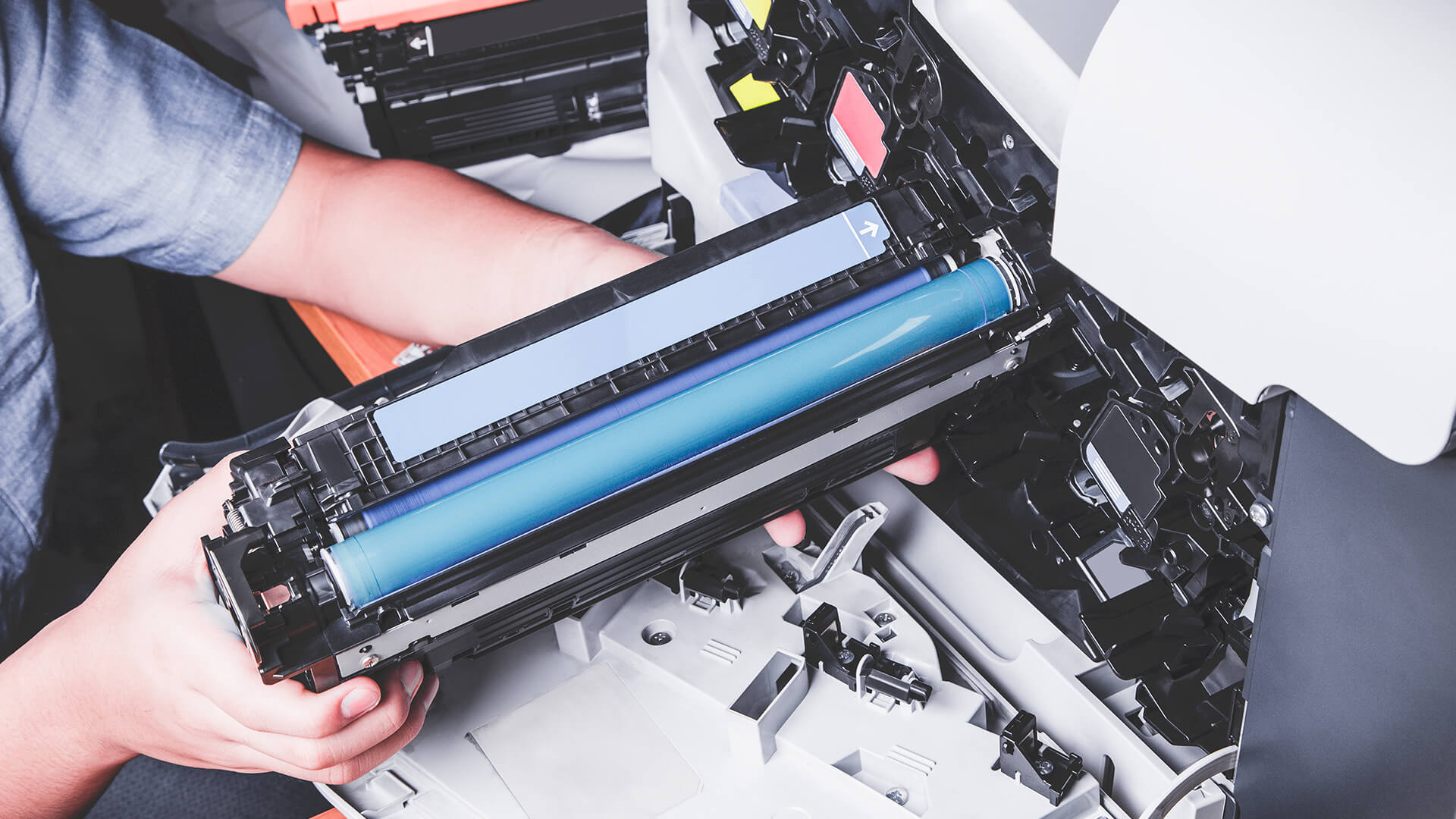
The print quality comparison between ink and toner depends on what you print most. Ink is usually stronger for colour-rich work, while toner is often better for sharp text and faster document output.
Colour Printing with Ink
Printer ink is often the better choice for colour-heavy printing because liquid ink can produce rich colours and smooth image detail.
Best for:
- Photos
- School projects
- Creative documents
- Colour charts and graphics
- Mixed home printing
- Marketing-style documents
If you print lots of images, a colour ink cartridge or separate colour tanks can deliver strong results. The trade-off is that colour printing uses more ink, so inkjet cartridges may run down faster with photo-heavy use. For users who mainly want colour flexibility, ink-based printing devices are usually the more suitable option.
Text Clarity with Toner
Printer toner is usually better for crisp, clean text. This makes it useful for documents that need to look sharp and professional.
Best for:
- Reports
- Invoices
- Letters
- Contracts
- Forms
- Office paperwork
- High-volume text printing
Laser toner is designed for fast, consistent output, especially when printing lots of black-and-white pages. Toner cartridges are often a strong match for users who care more about speed, text clarity and printing efficiency than photo-style colour output. For regular document printing, toner-based printers are often the better fit.
Everyday Use Cases
Looking for the right printer for the way you print? Here is a quick comparison of ink vs toner based on different printing needs.
| Printing need | Better fit | Why |
|---|---|---|
| Photos and colour graphics | Ink | Better colour flexibility |
| Sharp black text | Toner | Cleaner document output |
| Occasional home printing | Ink | Good for mixed tasks |
| High-volume office printing | Toner | Better speed and efficiency |
| Schoolwork and creative projects | Ink | Strong for colour pages |
| Reports, invoices and admin work | Toner | Consistent text-heavy printing |
In simple terms, ink is usually better for colour-focused printing, while toner is usually better for fast, text-heavy printing. If you need both, compare the printer’s features, cartridge yield, cost per page and long-term printing costs before choosing.
Printer Ink vs Toner: Cost Comparison
Many people focus on the cartridge price when comparing ink vs toner cost. A cheaper cartridge is not always cheaper to run if it prints fewer pages. The table below explains the connection between the main cost factors.
| Cost factor | Ink< | Toner | What to check |
|---|---|---|---|
| Upfront cartridge price | Usually lower | Usually higher | Replacement price |
| Page yield | Often lower on standard cartridges | Often higher on many laser cartridges | Estimated yield |
| Replacement frequency | Can be more frequent | Often less frequent | Monthly print volume |
| Colour costs | Can rise quickly with image-heavy printing | Colour laser toner can be expensive | Colour usage |
| Cost per page | Varies widely by model | Often strong for text-heavy printing | Cartridge price ÷ page yield |
| Long-term value | Better for light or mixed colour use | Better for frequent document printing | Real print habits |
Let’s look at these factors in more detail.
- Upfront cartridge cost: A printer ink cartridge often costs less to replace than a toner cartridge. However, many toner cartridges are designed to print more pages, so the higher upfront price may be easier to justify for regular printing.
- Cost per page: Cost per page gives a clearer comparison than cartridge price alone. You can calculate the cost of printing one page by dividing the cartridge price by the estimated page yield. This helps compare ink cartridge costs with toner costs more fairly. Real-world cost can still vary depending on page coverage, colour use and print settings.
- Long-term expenses: Long-term printing costs depend on how often you replace cartridges. If an ink cartridge is cheaper but runs out quickly, it may cost more over time. If toner costs more upfront but lasts longer, it may be better value for regular document printing.
- High-yield options: Standard cartridges are not always the best value. High-yield ink or toner options may cost more at checkout but can lower the cost per page if your printer supports them.
Before buying a printer or replacement consumables, check three things: the cartridge price, the estimated page yield and how often you actually print. This is the most reliable way to reduce printing costs without focusing only on the cheapest cartridge.
Efficiency and Lifespan
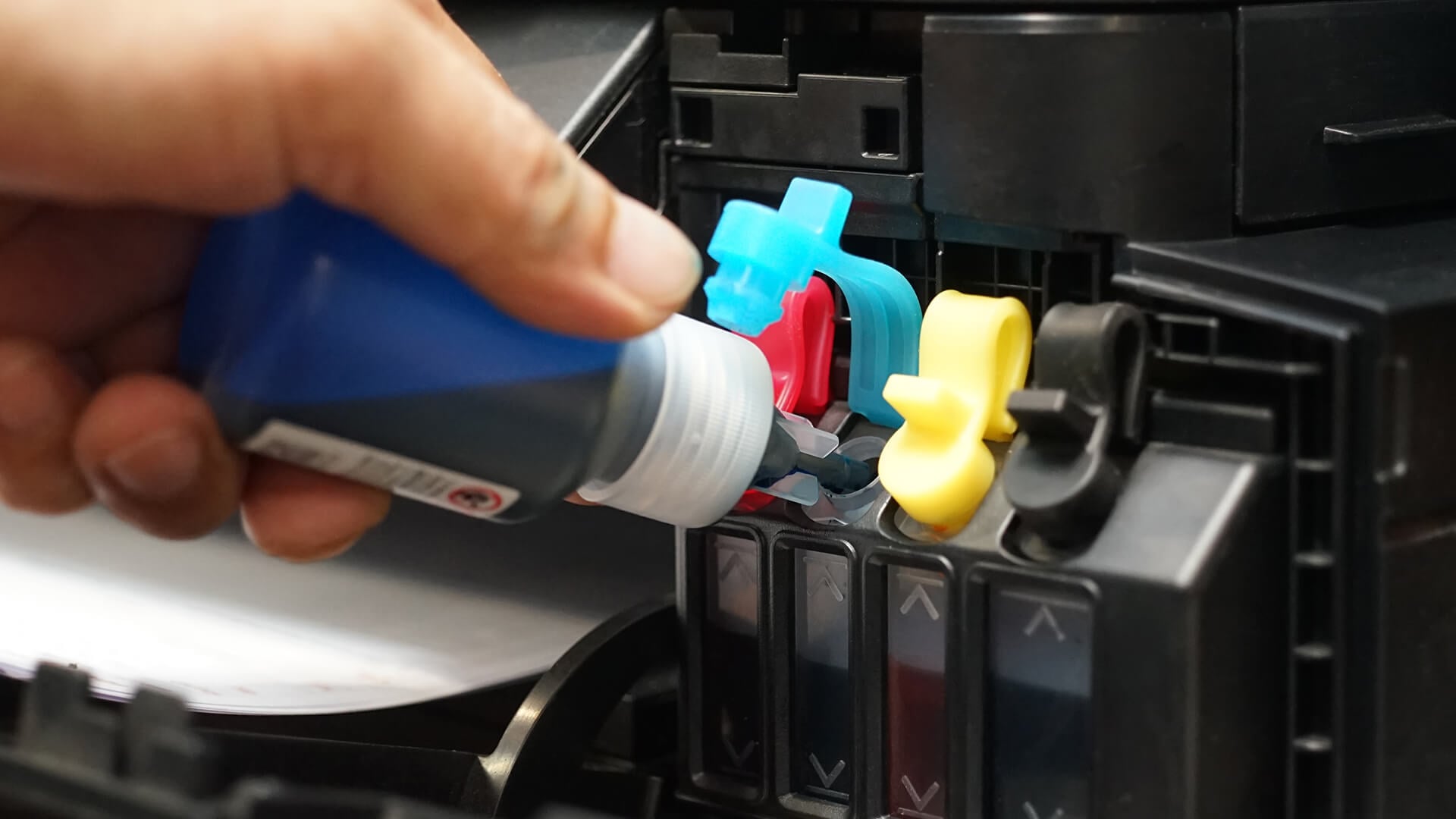
Lifespan is not only about how many pages a cartridge can print. It also depends on storage, usage patterns, printer design and how often the printer is left unused.
Ink Cartridge Usage
These work best when the printer is used regularly. Because ink is liquid, long gaps between print jobs can increase the risk of drying, clogging, smudges or weak output.
- Ink cartridge lifespan depends on cartridge size, colour use and page coverage
- Regular use helps keep ink flowing properly
- Low-use printers may need more maintenance
- Cartridges should be kept installed or stored as recommended
For users trying to save printer ink, the aim is not to avoid printing completely. It is to print efficiently and keep the printer in good working condition.
Toner Longevity
Toner cartridges are dry, so they do not dry out in the same way as liquid ink. This gives toner an advantage for users who print less often but still want reliable document output.
- Toner longevity is usually strong when cartridges are stored properly
- Toner should still be kept away from unsuitable heat, light and humidity
- The cartridge must match the exact printer model
- Laser toner is often well suited to regular mono document printing
- Replacement timing depends on page yield and actual use
Toner can be more practical for users who want fewer cartridge changes and less concern about dried ink.
High vs Low Volume Printing
Print volume should guide the choice between ink and toner.
| Printing volume | Better fit | Why |
|---|---|---|
| Low-volume colour use | Ink | Flexible for mixed home printing |
| Low-volume mono documents | Toner | Less concern about drying |
| Regular colour printing | Ink tank or inkjet | Good colour flexibility |
| Regular text printing | Toner | Better printing efficiency |
| High-volume office use | Toner | Stronger for repeated document output |
| Pro Tip: If you print daily or in high volumes, it is usually worth choosing a durable printer with strong page yield, reliable duty cycle support and high-yield cartridge options, even if the upfront cost is higher. |
Final Words: Which One Should You Choose?
There is no single winner in the ink vs toner debate. The better choice depends on what you print, how often you print and what matters most: colour quality, speed, cartridge lifespan or cost per page.
Choose an ink-based printer if you want:
- Better flexibility for colour documents and photos
- A printer for schoolwork, creative projects and mixed home use
- Strong image detail and colour output
- A printer that handles occasional colour printing well
Choose a toner-based printer if you want:
- Sharp text for reports, invoices and letters
- Faster document printing
- Better efficiency for regular office work
- Longer cartridge life for text-heavy printing
- Fewer cartridge changes during high-volume use
In simple terms, ink is usually better for colour flexibility, while toner is usually better for document efficiency. The right choice is the one that fits your actual printing habits.
Frequently Asked Questions
Which is better, toner or ink?
Toner is usually better for fast, text-heavy and high-volume printing, while ink is usually better for colour documents, photos and mixed home use. The better option depends on what you print most and which printer type suits your needs.
Is toner as expensive as ink?
Toner often costs more upfront than ink, but it can offer better value over time if the cartridge prints more pages. Ink may cost less to replace, but frequent cartridge changes can increase long-term running costs.
Does ink last longer than toner?
Toner usually lasts longer in storage because it is a dry powder, while ink can dry out if a printer is left unused for too long. Actual lifespan still depends on the cartridge, printer model, storage conditions and how often you print.
Can you use toner in an inkjet printer?
No, you cannot use toner in an inkjet printer. Inkjet printers are designed for liquid ink, while laser printers are designed for toner powder. Using the wrong consumable will not work and may cause printer faults.
Is toner better than ink for home use?
Toner can be better for home users who mostly print black-and-white documents and do not print very often. Ink is usually better for homes that print photos, schoolwork, colour pages and mixed everyday documents.
You can pay with:
*PayPal Credit Representative Example: Assumed credit limit £1,200, Representative 23.9% APR (variable). Purchase rate 23.9% p.a (variable).Terms & Conditions apply.


PayPal Credit and PayPal Pay in 3 are trading names of PayPal UK Ltd, 5 Fleet Place, London, United Kingdom, EC4M 7RD. Terms and conditions apply. Credit subject to status, UK residents only, Five Tech LTD acts as a broker and offers finance from a restricted range of finance providers. PayPal Pay in 3 is not regulated by the Financial Conduct Authority. Pay in 3 eligibility is subject to status and approval. 18+. UK residents only. Pay in 3 is a form of credit. Check if affordable and how you will repay. May make other borrowing more difficult or expensive. See product terms for more details.
Copyright © 1996-2026 Fivetech LTD | Terms and Conditions
box.co.uk & Box are trading names of Five Tech Limited. Registered office: Box LTD, Unit 10 Woodford Trading Estate, Woodford Green IG8 8HF