


 Menu
MenuMenu


Get Sales Advice from Mon - Fri 9am - 5:00pm:
020 3337 8950LAST UPDATED: February 09, 2026
HP Eco-Friendly Laptops: Recycled Materials, Efficient Chips and Why It Matters
Sustainability is becoming a real consideration for people buying new laptops, especially as businesses and everyday users think more carefully about energy use, materials, and long-term value. HP has been one of the major manufacturers actively addressing this shift, not just through statements, but through changes in how its devices are designed, built, and powered. From recycled materials to more efficient processors, HP's eco-friendly laptops are increasingly positioned as practical tools for modern work rather than niche green alternatives.
Across its latest notebook ranges, HP has focused on making laptops that last longer, consume less power, and reduce waste without compromising performance. Many HP laptops now combine sustainable materials with energy-efficient designs, offering strong battery life and lower day-to-day power consumption.
This guide explores how HP is approaching sustainability in a meaningful way, what sets its eco-friendly laptops apart, and why these changes matter for businesses and individuals looking for responsible technology that still performs well in real-world use.
What Makes a Laptop "Eco-Friendly" Today?
When it comes to laptops, eco-friendly isn't just a buzzword; it's about how a device is made, how much energy it consumes, and how it fits into a device's lifecycle.
Sustainable Materials vs Marketing Labels
True sustainability starts with materials you can trace. HP's latest laptop range includes ocean-bound and post-consumer recycled plastics in key components such as speaker enclosures, bezels, and keyboard keycaps, rather than just in packaging or decorative trims. Some premium notebooks even use recycled metals throughout the cover and chassis, helping divert waste from landfills and oceans while maintaining strength and durability.
Energy Use Matters as Much as Recycling
An eco-friendly laptop also uses power efficiently over its entire life. Devices certified under ENERGY STAR standards are independently tested to use 25–40% less energy than conventional models, reducing both electricity bills and environmental impact during everyday use. These efficiency gains are especially meaningful in business fleets and hybrid work setups where laptops are in use for many hours each day.
Certifications That Actually Mean Something
Certifications help separate genuine progress from marketing claims. Products listed on the EPEAT registry (including Gold and Climate+ ratings) meet rigorous criteria for material selection, energy use, and end-of-life planning. HP has more EPEAT-registered systems across its portfolio than many competitors, showing that sustainability is considered throughout design and manufacture rather than tacked on as an afterthought.
How HP Is Using Recycled Materials in Modern Laptops
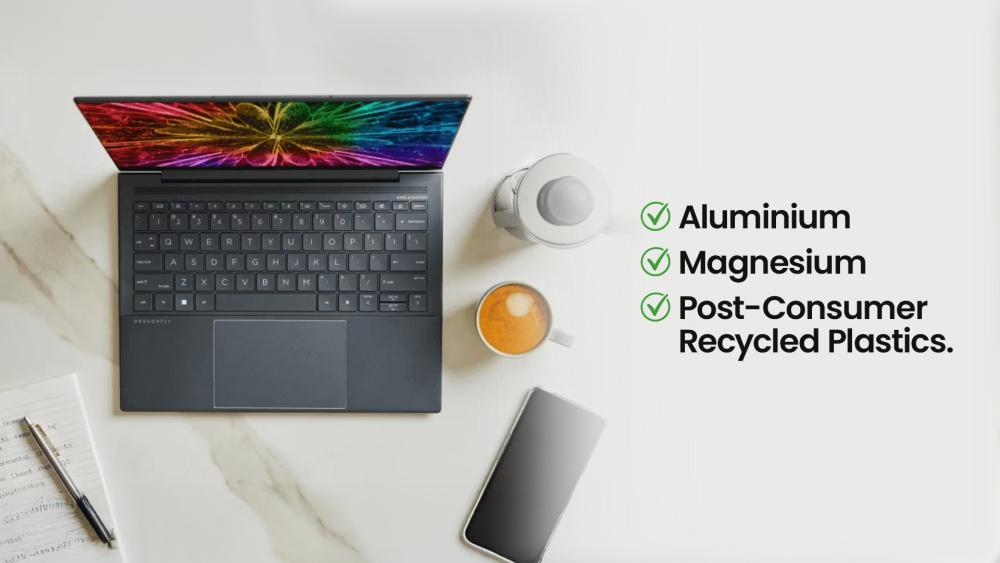
HP's sustainability efforts are no longer limited to packaging claims or one-off initiatives. Across recent HP eco-friendly laptops and notebooks, recycled materials are now part of the core design and manufacturing process. In 2024, HP reported that nearly 43% of the materials it used in products and packaging were recycled, reused, or renewable, with more than 48,000 tonnes of post-consumer recycled plastic incorporated into products globally. Metals such as aluminium and magnesium used in laptop bodies can contain up to 90% recycled content, helping reduce energy use and emissions associated with mining virgin materials.
Since 2019, the company has incorporated more than 4 billion pounds of recycled, reused, or renewable materials into products and packaging, signalling a long-term shift rather than a short-term marketing move. For buyers looking at sustainable business laptops, this matters because material choices directly affect durability, lifecycle impact, and how responsibly a device is produced.
Ocean-Bound Plastics in Elite and Pro Lines
One of the more tangible changes is HP's use of ocean-bound plastics in everyday components. These materials are collected from coastal areas before entering the ocean, then processed and reused in parts such as speaker enclosures, bezels, and internal structures. This approach has been rolled out across several business-focused models, including ProBook laptops and the EliteBook range used in professional environments.
Recycled Metals and Chassis Materials
HP has also expanded its use of recycled metals, particularly aluminium and magnesium, which carry a high environmental cost when sourced as virgin materials. In recent reporting, HP highlighted a significant increase in recycled metal usage year over year, with some laptop chassis now made using a very high percentage of recycled aluminium.
This is especially relevant for thin-and-light business laptops built for efficiency, where the chassis needs to balance strength, weight, and longevity. Using recycled metal allows HP to maintain a premium build while lowering the overall carbon footprint across the device lifecycle.
Sustainable Packaging and Reduced Waste
The focus on sustainability doesn't stop at the device itself. HP has steadily reduced plastic in its packaging, replacing it with recycled fibre and fully recyclable materials. By 2024, plastic used per laptop package had dropped dramatically compared to earlier generations, supporting HP's broader goal of cutting single-use plastics across its supply chain.
For organisations prioritising energy-efficient laptops and lower environmental impact, these packaging changes reinforce the idea that sustainability is being considered from manufacturing through delivery.
Efficient Chips Are the Hidden Sustainability Upgrade
When we talk about sustainable and eco-friendly technology, it's easy to focus only on recycled materials or packaging. But one of the most impactful ways a laptop can reduce its environmental footprint is by drawing less power during everyday use, and this comes down to the efficiency of its internal components. In fact, HP has reported that the energy consumption of its personal systems products, including notebooks, has fallen significantly in recent years thanks to design improvements in processors, panels, and power supplies.
These improvements aren't just about hitting benchmarks. They help lower electricity use over the life of the device, which matters whether you're a business buying fleets of machines or an individual wanting a long battery life laptop that wastes less energy. The recent HP notebooks use as much as 35% less energy on average compared with earlier generations, contributing to more efficient daily operation and lower lifetime energy impact.
Lower-Power CPUs Reduce Lifetime Energy Impact
One of the biggest drivers of this efficiency is the use of lower-power processors paired with smart power management. Modern laptop CPUs have become much more capable at delivering strong performance without drawing as much energy as older designs, meaning that these efficient laptop chips can do more work per watt used. This is especially true in everyday productivity tasks like browsing, documents, and video calls, where sustained high power isn't needed, but responsiveness is. Those efficiency gains also extend to hybrid and remote work scenarios where laptops run for long stretches, helping reduce both operational energy use and total environmental impact.
Intel Core Ultra and Newer Efficient Platforms
HP has embraced advancements in processor platforms that prioritise efficiency. The newer power-efficient Intel laptops focus on balancing performance with reduced power draw. These chips use architectural improvements and advanced process technologies to deliver strong performance for office applications and multitasking while consuming less energy overall. In many cases, the result is notebooks that run cooler and stay productive longer on a single charge, without needing constant power from a wall outlet.
Battery Life Gains Also Mean Fewer Charging Cycles
Beyond raw performance, more efficient hardware helps extend real-world battery life, a key aspect of how a device fits into modern workflows. Laptops designed with efficiency in mind tend to get longer runtimes during everyday use, from light productivity sessions to extended remote working days, without compromising usability.
The benefits are twofold: you spend less time plugged in and more time using the device on the go, and you reduce the total number of full charging cycles over time. Fewer cycles mean the battery retains capacity longer, which improves the overall lifespan of the machine and reduces the likelihood of early battery replacement, contributing to a smaller device lifecycle impact overall.
Eco-Friendly Doesn't Mean Underpowered
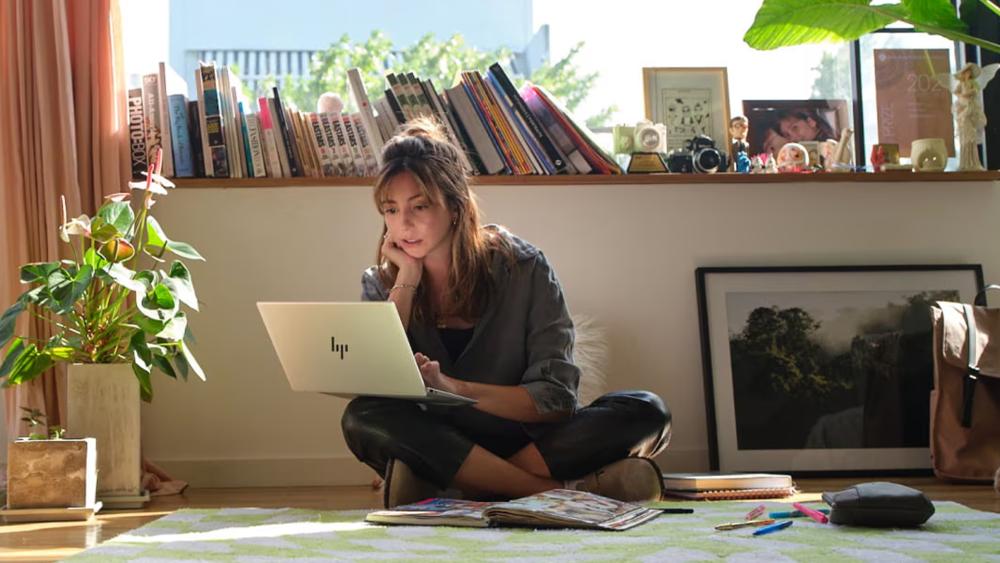
Sustainability improvements don't come at the cost of everyday usability. Modern HP eco-friendly laptops are designed to deliver reliable performance while keeping energy use in check, making them suitable for work, study, and creative tasks without unnecessary power draw.
Performance for Office, Creators, and Students
Thanks to energy-efficient laptops built around modern platforms, everyday tasks like multitasking, video calls, content creation, and data handling feel smooth and responsive. These systems are well-suited to professionals, students, and hybrid workers who need consistent performance rather than raw, power-hungry hardware.
Premium Designs Using Recycled Materials
HP has shown that sustainable design can also feel premium. Some business-focused laptop models use lightweight recycled metals and reinforced chassis materials, delivering durability and a refined finish while supporting HP's sustainability goals. This approach works particularly well for eco-friendly business laptops, where build quality and efficiency matter equally.
What Efficient Performance Feels Like Day to Day
In practical terms, efficiency means quieter fans, cooler operation, and fewer interruptions from charging. Low-power laptops with modern processors stay responsive during long work sessions and offer a long battery backup.
How to Choose the Right Sustainable HP Laptop
Choosing a more sustainable laptop isn't about chasing one standout feature. It's about understanding how design, efficiency, and long-term use come together in real-world scenarios. HP's approach to sustainability makes it easier to match the right device to how you actually work.
Best for Business and Hybrid Work
For office and hybrid roles, look for HP eco-friendly laptops that combine durable builds with low power consumption. Models designed for professional use focus on efficiency, long battery life, and reliable performance across meetings, documents, and multitasking. This is where sustainable business laptops make the most sense, reducing energy use without sacrificing day-to-day productivity.
Best for Education and Everyday Use
Students and everyday users benefit most from energy-efficient laptops that are lightweight, run cool, and last a full day away from a charger. HP notebooks in this category are built to handle browsing, coursework, and streaming while keeping power draw low, making them the best eco-friendly laptops for daily use.
Best for Buyers Balancing Performance and Footprint
If you need more power but still care about impact, focus on HP's sustainable laptops that use efficient chips and recycled materials together. These systems deliver strong performance for creative or demanding workloads while keeping energy consumption and environmental footprint lower over the device's lifespan.
The Bigger Impact: Why Sustainable Laptops Matter
Sustainability in laptops goes beyond individual features like recycled materials or battery life. When viewed at scale, design choices around efficiency, materials, and longevity influence environmental impact across the entire device lifecycle, from production to daily use. More broadly, eco-friendly tech picks are not limited to laptops alone; adopting energy-efficient and sustainable technology across devices is equally important in reducing overall environmental impact.
Less Plastic Waste and Better Reuse Chains
Using recycled plastics and metals reduces dependence on virgin materials and supports stronger reuse systems. This approach helps limit waste at the manufacturing stage while encouraging more responsible material sourcing over time.
Lower Carbon Footprint Across the Device Lifecycle
Energy-efficient components and smarter power management reduce how much electricity a laptop consumes over the years of use. Fewer charging cycles and lower power draw gradually decrease the carbon footprint associated with each device.
Sustainability Is Becoming a Standard Expectation
What was once a differentiator is quickly becoming a baseline. For businesses and individual buyers alike, responsible materials, efficient performance, and longer-lasting hardware are now expected parts of modern laptop design.
Final Takeaway: HP's Eco Shift Is Practical, Not Just Branding
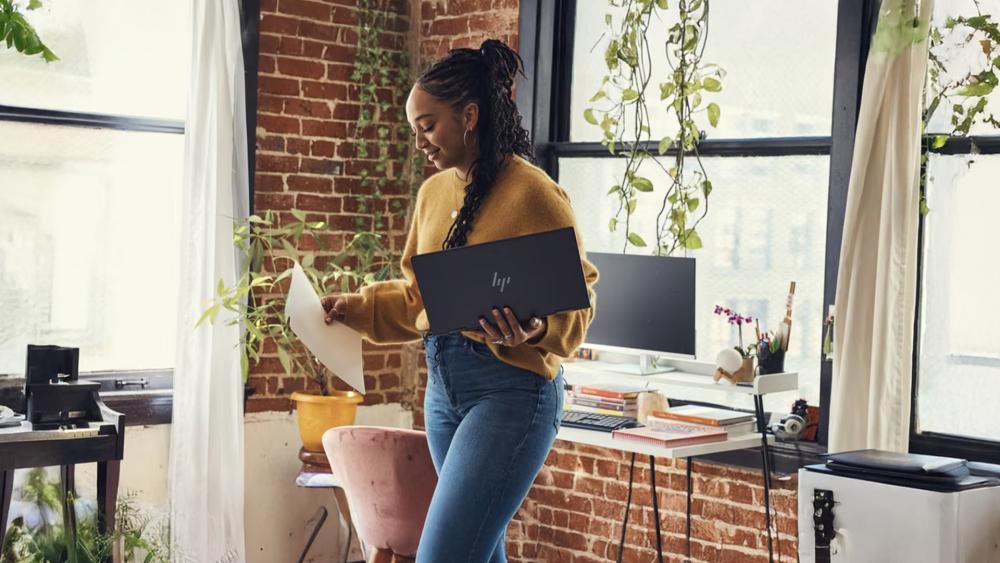
HP's recent push toward sustainability shows up in practical choices rather than headline-grabbing promises. Across its eco-friendly laptop lineup, HP has made steady improvements in materials, packaging, and power management that reduce environmental impact without compromising everyday usability.
For buyers, this means eco-friendly laptops that still meet real-world demands. Energy-efficient designs and modern laptop chips help extend battery life, while the use of recycled materials lowers the overall footprint without affecting build quality. In business environments, these benefits are even easier to justify: efficient, durable designs make sustainable business laptops a smart long-term investment rather than a short-term trend.
Overall, HP's sustainability shift feels grounded in how laptops are actually used, making responsible design and efficiency part of the standard experience, not a trade-off.
Frequently Asked Questions
Are HP laptops environmentally friendly?
Many modern HP laptops use recycled materials and efficient hardware, helping reduce energy use and waste over their lifespan.
What makes a laptop eco-friendly?
Lower power consumption, longer battery life, responsible materials, and recognised certifications all contribute to a more sustainable design.
Do energy-efficient laptops perform well?
Yes. Newer, efficient processors deliver strong everyday performance while using less power and generating less heat.
Are sustainable laptops suitable for business use?
Absolutely. Many eco-focused laptops are designed for reliability, long workdays, and professional workloads.
Do efficient chips really reduce environmental impact?
Over time, lower power usage and fewer charging cycles can meaningfully reduce a laptop's overall carbon footprint.
Is sustainability becoming standard in laptops?
Yes. Efficient design and recycled materials are increasingly expected rather than niche features.
You can pay with:
*PayPal Credit Representative Example: Assumed credit limit £1,200, Representative 23.9% APR (variable). Purchase rate 23.9% p.a (variable).Terms & Conditions apply.


PayPal Credit and PayPal Pay in 3 are trading names of PayPal UK Ltd, 5 Fleet Place, London, United Kingdom, EC4M 7RD. Terms and conditions apply. Credit subject to status, UK residents only, Five Tech LTD acts as a broker and offers finance from a restricted range of finance providers. PayPal Pay in 3 is not regulated by the Financial Conduct Authority. Pay in 3 eligibility is subject to status and approval. 18+. UK residents only. Pay in 3 is a form of credit. Check if affordable and how you will repay. May make other borrowing more difficult or expensive. See product terms for more details.
Copyright © 1996-2026 Fivetech LTD | Terms and Conditions
box.co.uk & Box are trading names of Five Tech Limited. Registered office: Box LTD, Unit 10 Woodford Trading Estate, Woodford Green IG8 8HF