


 Menu
MenuMenu


Get Sales Advice from Mon - Fri 9am - 5:00pm:
020 3337 8950LAST UPDATED: March 18, 2026
DDR4 vs DDR5: Which RAM Is Better for Your PC Build?
If you are building a new PC or considering an upgrade, one of the most important components to choose is RAM. It plays a critical role in how fast and responsive your system feels, whether you are gaming, editing video, streaming content, or simply working across multiple apps. For many years, DDR4 has been known to be the sweet spot for desktop memory and is widely recognised as reliable RAM available. But that's changing.
The industry is now shifting toward DDR5, the newest generation of computer memory that is faster, more efficient, and more scalable for the future. With DDR4 soon to be phased out by major manufacturers like Micron, Samsung, and SK Hynix, you need to upgrade to DDR5 RAM.
In this blog, we'll compare DDR4 vs DDR5 and explore why DDR5 is the right choice for your next PC build.
What is DDR4 Memory?

DDR4 RAM first arrived in 2014 and has since been installed in millions of systems. It was a major step from DDR3, offering improved power efficiency, higher speeds, and better stability. It has served everyone from students on budget laptops to gamers on performance desktops.
What made DDR4 successful was its balance between performance and affordability. Operating at speeds from 2133 MHz to around 3200 MHz (higher if overclocked), it was ideal for mainstream workloads. It used less voltage than DDR3, which helped with thermals and efficiency. And thanks to wide compatibility with Intel and AMD CPUs over several generations, DDR4 RAM stuck around longer than most memory standards.
Want to understand what role computer memory plays? Check out our full breakdown: Why Does RAM Matter?
Why DDR4 Is Being Phased Out?
Micron has announced that it will wind down DDR4 production in the near future. Samsung also disclosed in April that it's already going to stop making DDR4 RAM chips this year and focus instead on the higher-end and more profitable DDR5 RAM, LPDDR5, and HBM memory. This is also the case with SK Hynix - it is also expected to halt DDR4 output following market shifts and falling demand. Maintaining older lines is no longer cost-effective for chipmakers, especially when the next generation offers better performance and higher revenue potential.
In technology, when production slows, availability runs down. That usually leads to volatile pricing and, eventually, scarcity. At that point, even if you want to stick with DDR4 RAM, it may become more expensive or harder to source. Some smaller manufacturers in Taiwan or China may continue limited production, but that's unlikely to support the needs of performance users or modern applications. In short, if you are planning a PC build in the near future, relying on DDR4 could mean limited options, increased costs, and reduced future compatibility.
DDR5: The Memory of the Future

DDR5 RAM memory redefines what memory can do in a high-performance system. Officially released in 2021, DDR5 addresses many of the limitations of DDR4 and introduces new features designed to work with the latest CPUs from Intel and AMD.
Let's explore what sets DDR5 apart.
Higher Speeds and Bandwidth: Users first notice the speed increase. DDR5 starts at 4800 megatransfers per second, with modules now pushing past 6000, 7200, and even 8000 MT/s. That means more data can move between your CPU and RAM in a shorter amount of time, which translates into better performance for gaming, multitasking, and content creation. If you're after the fastest DDR5 RAM, this bandwidth matters.
Lower Power Consumption: DDR5 RAM operates at 1.1V compared to DDR4 1.2V. It also features on-module Power Management Integrated Circuits (PMICs), which enable better power regulation and reduce electrical noise. This improves stability and enhances energy efficiency, which is especially useful for laptops and workstations running intensive tasks.
Dual-Channel DIMM Architecture: Each DDR5 module includes two 32-bit subchannels instead of DDR4's single 64-bit channel. This design allows for greater parallelism and more efficient data handling. Tasks that benefit from rapid data access - like gaming, video editing, or 3D rendering offer smoother performance.
On-Die ECC and Data Integrity: DDR5 RAM incorporates an on-die Error Correction Code (ECC), a feature that corrects minor data errors at the chip level. While not a full replacement for ECC memory used in servers, it provides an extra layer of reliability for consumer systems, which is especially important as memory speeds increase.
Advanced Signal Integrity: DDR5 includes enhancements like Decision Feedback Equalisation (DFE), which helps maintain clean signal transmission at high frequencies. This ensures better stability under heavy workloads and makes DDR5 RAM a more robust solution for overclockers and performance enthusiasts.
DDR4 vs DDR5: Specs Comparison
| Feature | DDR4 | DDR5 |
| Launch Year | 2014 | 2021 |
| Base Speed | 2133–3200 MT/s | 4800–8800+ MT/s |
| Voltage | 1.2V | 1.1V |
| Channels per DIMM | 1 (64-bit) | 2 (32-bit subchannels) |
| Burst Length | 8 | 16 |
| Power Management | On motherboard | On-module PMIC |
| ECC Support | Optional | On-die integrated ECC |
| Temperature Monitoring | External | Integrated thermal sensors |
| Max Module Capacity | 32GB–64GB | 128GB+ |
| SAME-BANK Refresh | No | Yes |
DDR4 vs DDR5: Platform Compatibility

As newer CPU platforms arrive, DDR4 RAM support is ending. Intel's 12th Gen Alder Lake offered dual support for DDR4 and DDR5, depending on the motherboard. However, the 13th and 14th Gen Intel chips and AMD's Ryzen 7000 and 8000 Series processors are now fully compatible with DDR5 RAM.
If you build a DDR4 system in 2026, you're locking yourself into an outdated platform that won't support future upgrades. You'll miss out on optimisations in upcoming chipsets and firmware updates that are increasingly DDR5-focused.
DDR4 vs DDR5: Scalability
DDR5 is also built to scale. Where DDR4 RAM modules often topped out at 32 or DDR4 RAM 32GB, DDR5 supports DDR5 64GB and even 128GB or more per module. That might sound excessive now, but as AI tools, 8K editing, virtual machines, and advanced simulations become more common, it gives you the breathing room you'll need.
While ECC memory was once limited to specialised server setups, DDR5 includes on-die ECC by default. This allows for automatic correction of bit errors on the chip itself, increasing stability and lowering the risk of data corruption.
Thermal monitoring is another area of improvement. DDR5 includes built-in temperature sensors for better real-time tracking, enabling your system to adjust cooling and performance based on actual module conditions. With increasing clock speeds and higher data throughput, that level of smart monitoring is essential.
DDR4 vs DDR5: Performance in Real-World Scenarios
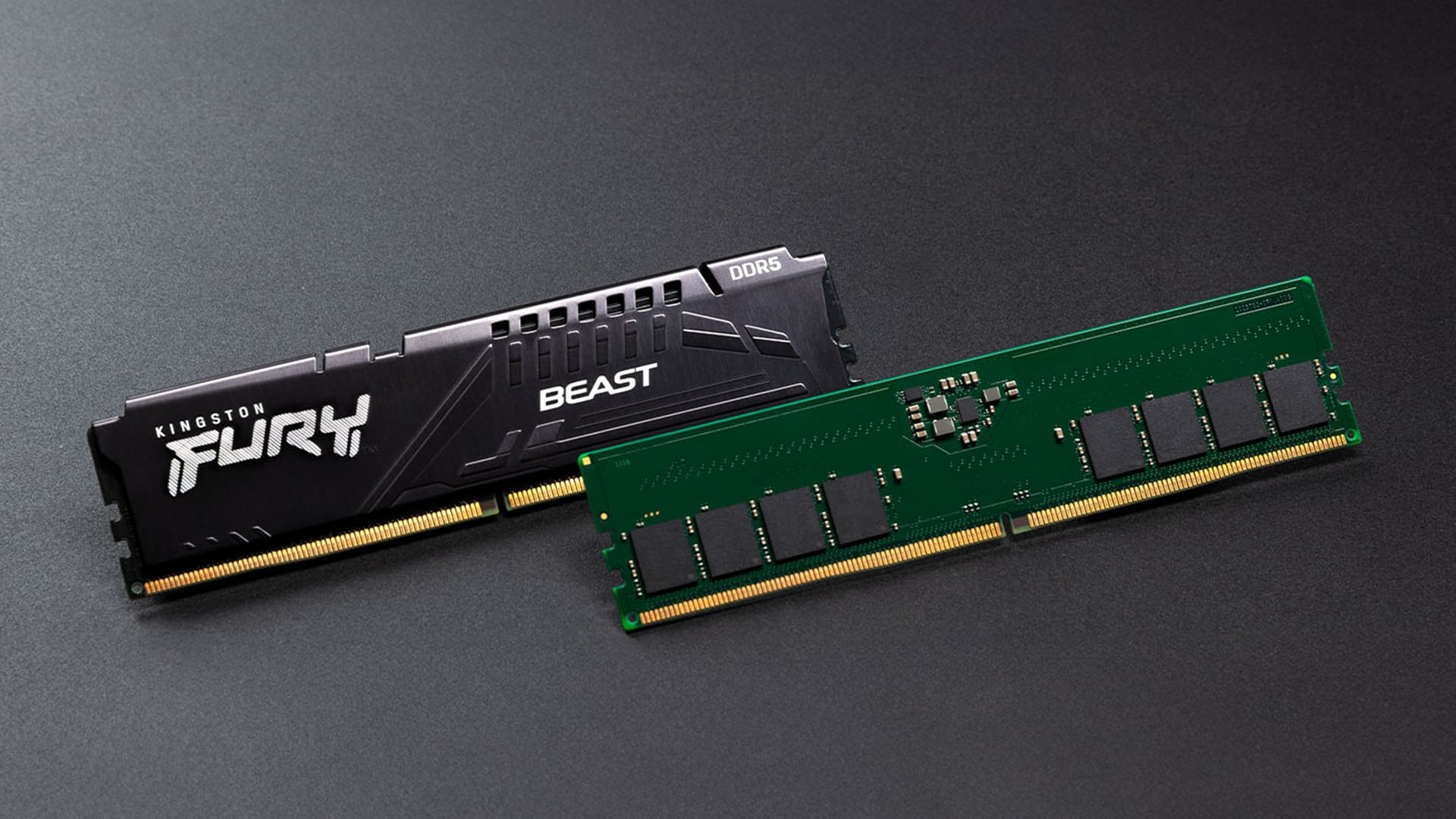
Let's say you are a gamer. You might notice smoother performance and higher frame rates, particularly in modern titles that rely on memory bandwidth. In creative software like Adobe Premiere Pro, After Effects, or Blender, DDR5 RAM enables faster rendering, smoother scrubbing through video timelines, and load times for large project files. For anyone who regularly runs multiple apps at once, DDR5 means less slowdowns, stutters, or memory bottlenecks.
Even for office users or students, DDR5 allows more headroom for the future. Applications are becoming more demanding, and browser tabs alone can consume a lot of RAM. Given that, investing in DDR5 RAM today will ensure your system remains responsive and reliable two, three, or even ten years down the line.
If you're into 3D modelling or video editing, don't miss our in-depth review of The Best Kingston RAM for Editing & Rendering – learn how RAM speed and capacity impact performance.
The Cost Factor: Is DDR5 Still Expensive?
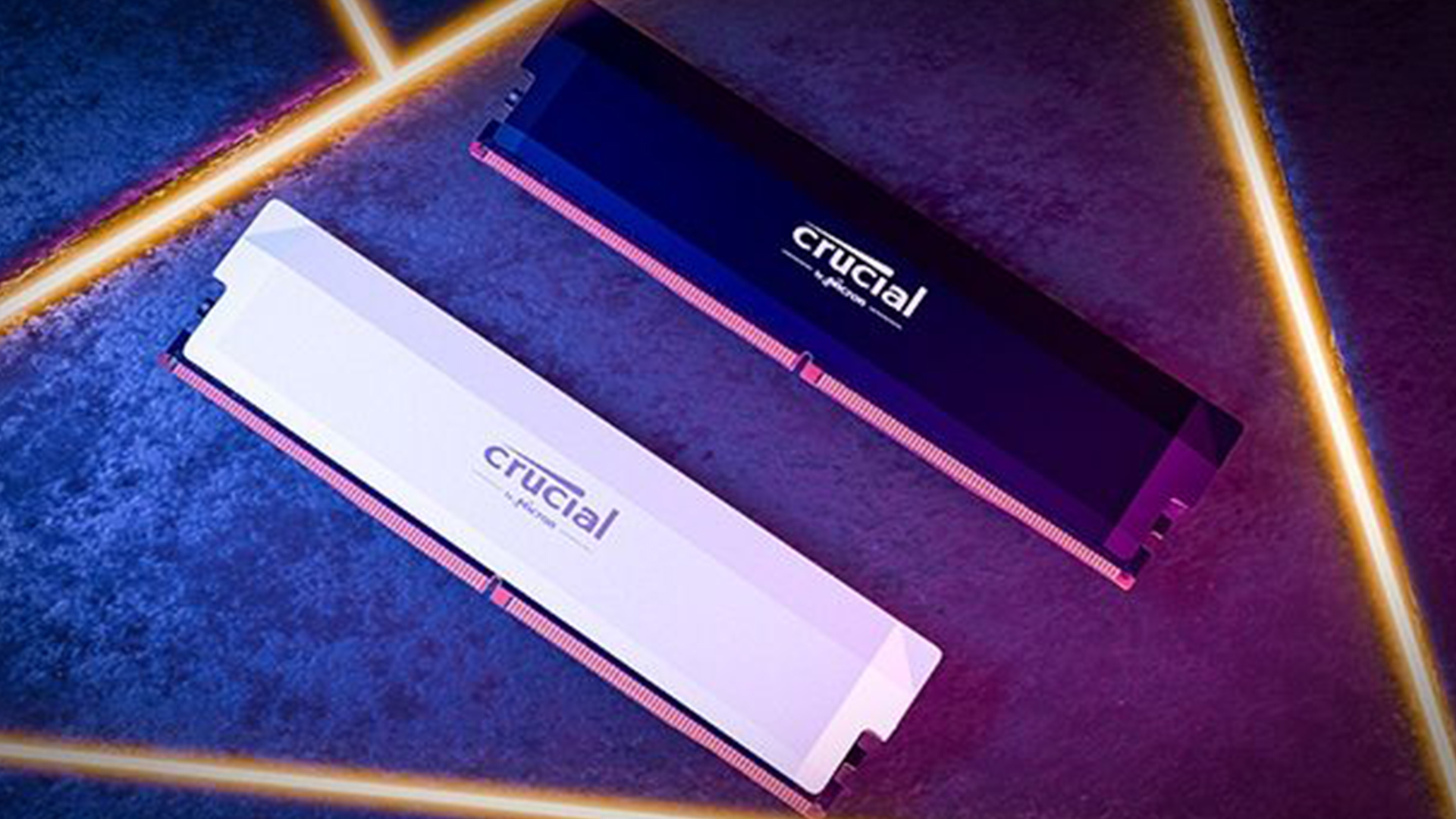
It is true that DDR5 RAM price was too high by the time of its release and early adopters paid a premium for the latest standard. However, in 2026, the market has stabilised. DDR5 RAM modules are widely available, and prices have dropped significantly. In some cases, entry-level DDR5 now costs the same or even less than high-performance DDR4 kits.
If you are building a new PC from the ground up, the small difference in price is often offset by the benefits. New motherboards increasingly support DDR5 only, especially on platforms like Intel's Z790 or AMD's X870. Depending on your CPU and board combination, you might not even have the option to choose DDR4.
What About Backwards Compatibility?
Unfortunately, DDR4 and DDR5 are not cross-compatible. They have different pin layouts and electrical standards, so you cannot use a DDR5 module on a DDR4 board or vice versa. If you choose to go with DDR5, you will also need a compatible motherboard and processor. This is not an issue for new builds. However, if you were hoping to swap out DDR4 for DDR5 in your existing system, it is not possible. The jump requires a full platform upgrade.
What Happens If You Stick with DDR4?
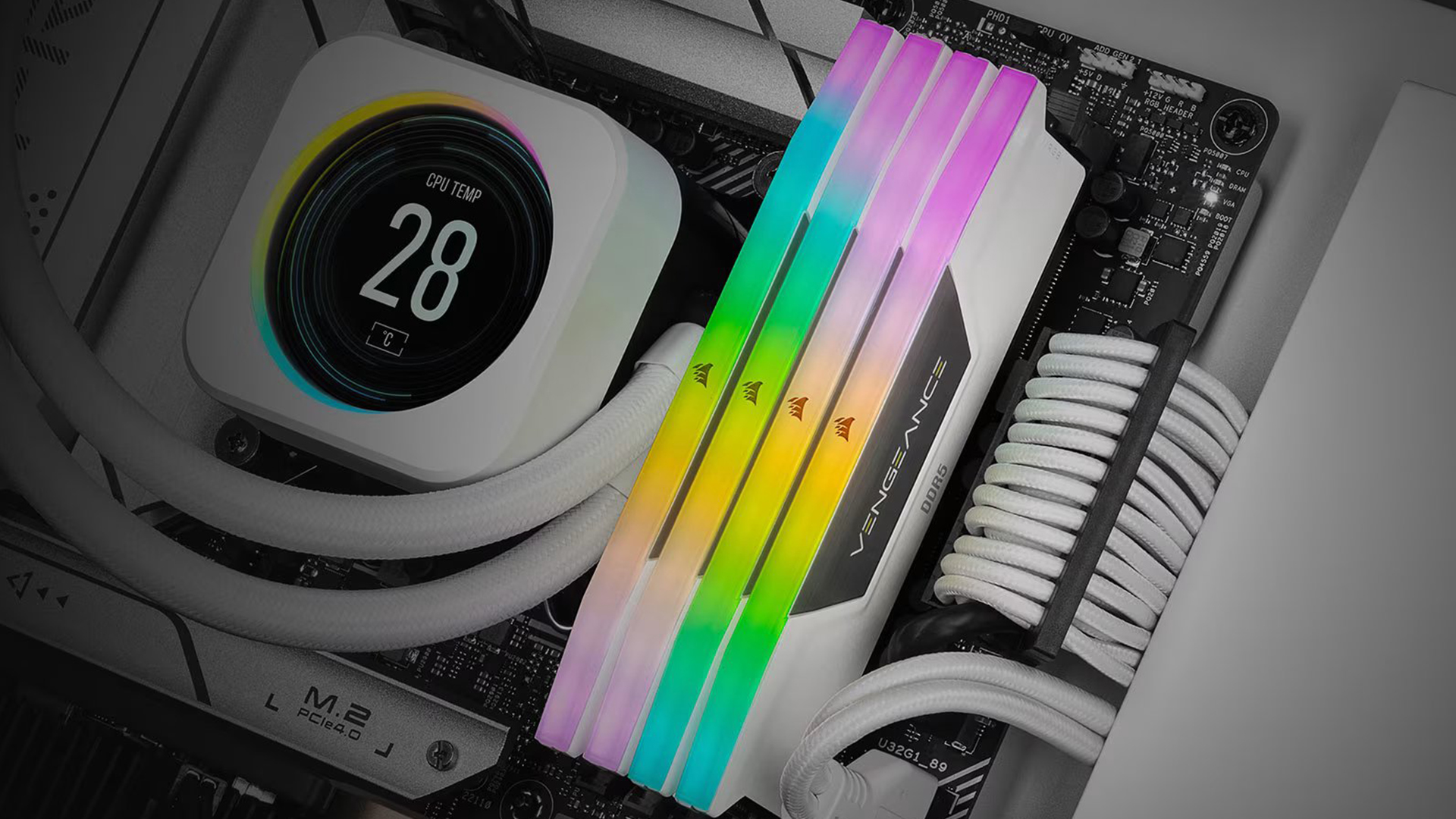
You might wonder if it's okay to keep DDR4 a little longer. The answer is yes if you already have it. A well-configured DDR4 system will continue to serve you well for a few more years, particularly for lighter tasks or older games. But for a brand-new build, choosing DDR4 now is short-sighted as its support is about to end till late 2026.
You'll miss out on the new features and performance gains of DDR5. Choosing DDR5 now ensures you won't face compatibility issues when you decide to upgrade your CPU or motherboard. It also means better thermal management, more consistent voltage delivery, and peace of mind knowing your system is built on a foundation designed for longevity. The longer you wait, the fewer DDR4-compatible parts will be available. Eventually, you may find yourself having to replace your motherboard, CPU, and RAM all at once rather than just upgrading one component at a time.
Looking Ahead: DDR5 and Beyond
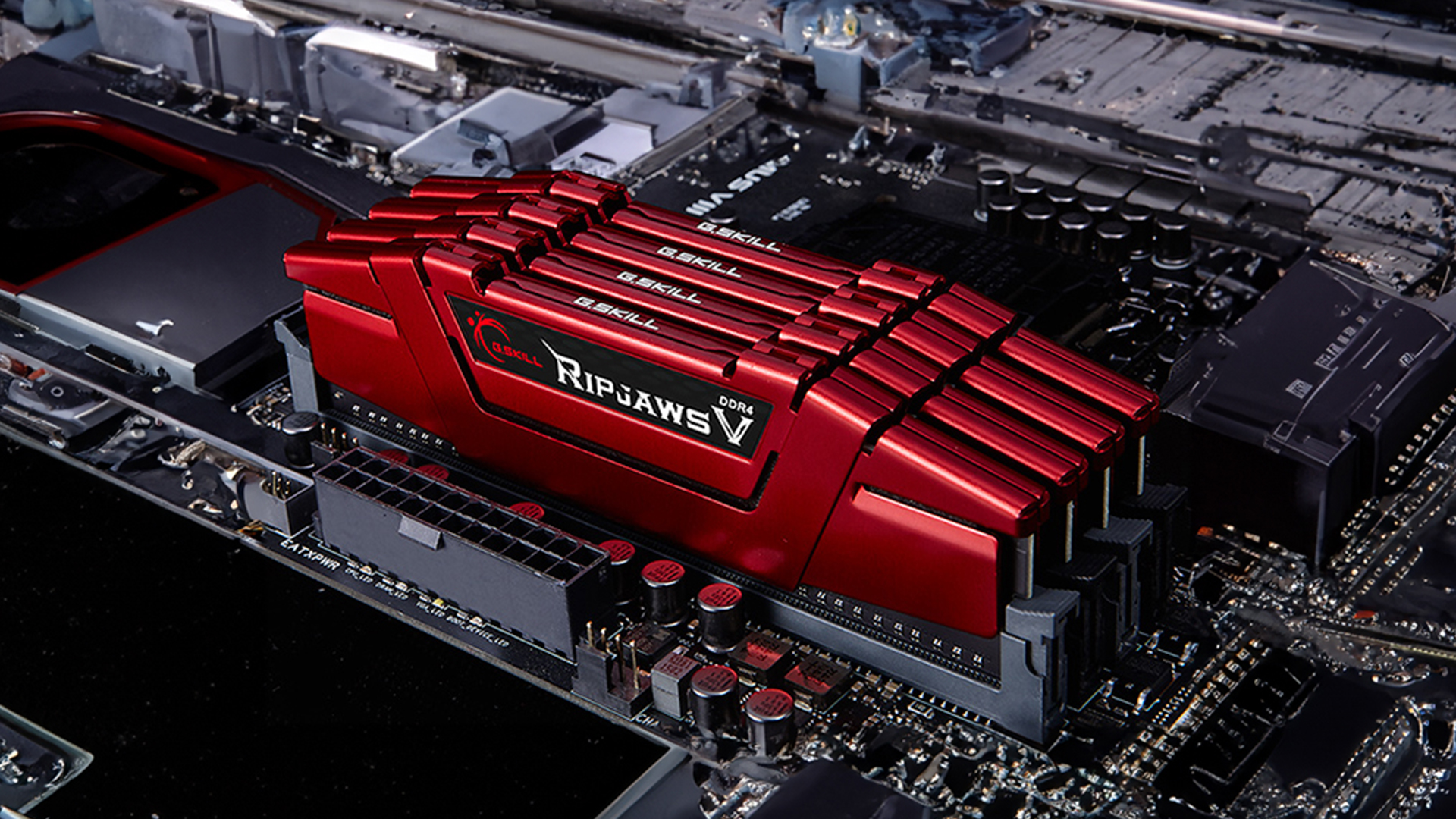
The pace of computing innovation is accelerating with the latest trends in AI computing, large-scale simulation, 3D rendering, and professional content creation. Given the performance demands, memory requirements are also growing. The next generation of memory, such as HBM (High Bandwidth Memory), is already gaining traction in data centres and high-end GPUs. However, for consumer desktops and laptops, DDR5 is the future. It bridges the gap between traditional RAM and what comes next, providing the performance, reliability, and flexibility needed for years to come.
Final Verdict: Why You Should Upgrade to DDR5
For modern users, DDR4 has served us well for nearly a decade, but it's approaching the end of its lifecycle till late 2026. With leading manufacturers like Micron, Samsung, and SK Hynix winding down DDR4 production and the newest CPUs now built exclusively with DDR5 in mind, investing in outdated technology simply doesn't make sense. DDR5 is faster, more efficient, and designed to scale with current and future computing needs. It offers higher bandwidth, better multitasking, improved error correction, and smarter power management.
From gaming and creative work to everyday productivity, DDR5 ensures your system can handle more with greater speed and stability. More importantly, DDR5 gives your build longevity. Instead of buying into a platform being phased out, you'll be setting yourself up with a memory standard built for the next generation of hardware and software.
So, if you want a PC that's ready for tomorrow's challenges and today's expectations, the answer should be clear. Shop DDR5 memory at Box.co.uk and get your PC ready for the future.
Looking for help building a future-ready PC? Use our RAM Buying Guide to match your desired memory with your build goals and platform.
FAQs
Is DDR4 RAM getting discontinued?
Yes, DDR4 RAM is gradually being phased out. Major memory manufacturers such as Micron, Samsung, and SK may stop producing DDR4 by late 2025. As a result, DDR4 modules are becoming harder to source, and prices may become more volatile as supply diminishes.
Is DDR4 still okay in 2026?
DDR4 will still be perfectly usable in 2026, especially if you already own a system configured with it. For everyday tasks, light gaming, or office work, DDR4 can still deliver reliable performance.
What is the lifespan of DDR4 RAM?
Physically, DDR4 RAM can last many years—typically over 10 years under normal use. However, in terms of platform support and compatibility, its effective lifespan is reaching an end.
Is DDR4 RAM not good anymore?
DDR4 is still capable and reliable RAM for many use cases, especially for users with existing systems. It continues to perform well for general tasks and moderate workloads. That said, it lacks the advanced features, speed, and scalability of DDR5, making it less suitable for future builds and demanding applications.
Are DDR5 future-proof?
Yes, DDR5 is designed with the future in mind. It supports significantly higher bandwidth, better power efficiency, and advanced features like on-die ECC, integrated thermal sensors, and dual-channel architecture per module. With compatibility baked into the latest Intel and AMD platforms, DDR5 provides the scalability and performance required for emerging technologies and workloads.
Should I upgrade from DDR4 to DDR5 in 2026?
If you're building a new PC in 2026, upgrading to DDR5 is highly recommended. It ensures better performance, system longevity, and compatibility with the latest CPU platforms. While DDR4 still works well in existing setups, investing in DDR5 now prevents future bottlenecks and offers a more future-ready system.
Can I just upgrade from DDR4 to DDR5?
No, you cannot directly upgrade from DDR4 to DDR5. The two memory types are not cross-compatible due to different pin layouts and electrical standards. To switch to DDR5, you'll need a new motherboard and a processor that supports DDR5 RAM.
You can pay with:
*PayPal Credit Representative Example: Assumed credit limit £1,200, Representative 23.9% APR (variable). Purchase rate 23.9% p.a (variable).Terms & Conditions apply.


PayPal Credit and PayPal Pay in 3 are trading names of PayPal UK Ltd, 5 Fleet Place, London, United Kingdom, EC4M 7RD. Terms and conditions apply. Credit subject to status, UK residents only, Five Tech LTD acts as a broker and offers finance from a restricted range of finance providers. PayPal Pay in 3 is not regulated by the Financial Conduct Authority. Pay in 3 eligibility is subject to status and approval. 18+. UK residents only. Pay in 3 is a form of credit. Check if affordable and how you will repay. May make other borrowing more difficult or expensive. See product terms for more details.
Copyright © 1996-2026 Fivetech LTD | Terms and Conditions
box.co.uk & Box are trading names of Five Tech Limited. Registered office: Box LTD, Unit 10 Woodford Trading Estate, Woodford Green IG8 8HF