


 Menu
MenuMenu


Get Sales Advice from Mon - Fri 9am - 5:00pm:
020 3337 8950LAST UPDATED: February 17, 2026
How to Choose the Best Power Supply Unit (PSU) for Your PC
Choosing the best PSU for your PC is one of the most important decisions you will make when building or upgrading a system. While components like the GPU and processor often get most of the attention, your power supply unit is the part that keeps everything running smoothly. Without a reliable PC PSU, even the most powerful hardware can become unstable, overheat, or suffer long-term damage.
So, what is a power supply, and why does it matter so much? In simple terms, a power supply unit (PSU) converts mains AC electricity from your wall socket into regulated DC power that your components can use. If you have ever wondered what PSU is on a computer, it is essentially the heart of your system. It delivers the correct voltage to your motherboard, graphics card, storage drives, and cooling system, ensuring stable performance whether you are gaming, working, or multitasking.
Choosing the right power supply for a PC involves more than picking the highest wattage available. Efficiency ratings, form factor, cable design, and protection features all play a role. In this guide, we will break down everything you need to know about selecting the best PSU for your PC, whether you are building a gaming system, upgrading an existing setup, or planning a future-proof workstation.
Quick PSU Selection Guide (At-a-Glance)
A high-quality PC power supply does more than just deliver electricity. It regulates voltage, reduces electrical noise, and includes built-in protections against overvoltage, short circuits, and overheating. This is especially important for modern builds that include high-performance GPUs and multi-core processors, which can draw significant power under load.
If you want a fast overview before diving into the details, here is a practical checklist to help you choose the best PSU for your PC:
- Calculate your total system wattage by adding up your CPU, GPU, storage, cooling and other components. Then add 20–30% extra headroom for peak loads.
- Choose the right efficiency rating, ideally an 80 Plus Gold PSU for most gaming and performance builds, to balance reliability and energy efficiency.
- Check the form factor to ensure that the power supply fits properly inside your PC Case.
- Confirm connector compatibility, especially for modern GPUs that may require multiple PCIe cables or newer standards.
- Decide on modularity. Opt for a modular PSU or a fully modular PSU to help reduce cable clutter and improve airflow.
- Look for full protection features, including overvoltage, short circuit, and overcurrent protection.
- Plan for upgrades, especially if you are considering a more powerful GPU later. A slightly higher-capacity or high-wattage PSU can offer useful flexibility.
Following these steps gives you a strong starting point when narrowing down the best PSU for your PC, whether you are building from scratch or upgrading an existing system.
Key Factors to Consider When Choosing the Best PSU for Your PC
Selecting the best PSU for your PC involves more than checking a wattage label and clicking add to basket. A modern power supply unit must deliver stable power, support your hardware properly, and protect your system under heavy load. Whether you are building a gaming rig or upgrading an existing desktop computer, understanding these key factors will help you choose confidently.
Wattage Requirements and Power Headroom
Wattage is often the first thing people check when selecting a PC PSU, but it needs to be calculated properly. Your power supply unit must provide enough continuous power to support your processor, GPU, storage and motherboard without operating at full capacity.
Start by estimating your total system draw, then add 20–30% headroom. This ensures your PC power supply can handle peak loads during gaming or intensive tasks.
For most modern builds, an 850W PSU is sufficient. However, higher-end systems may benefit from a gold 1000W PSU or even a high-wattage PSU if future upgrades are planned. When considering a power supply, always focus on reliable continuous output rather than peak figures alone.
PSU Efficiency Ratings
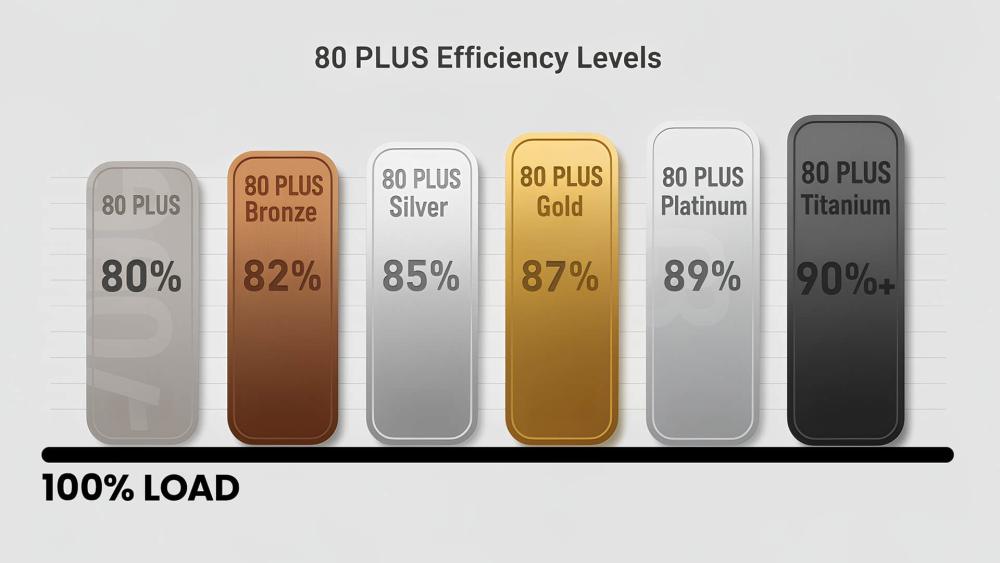
Efficiency plays a key role in choosing the best PSU for your PC. The 80 PLUS certification shows how efficiently a power supply unit converts electricity from your wall into usable power for your components. Higher efficiency means less wasted energy, reduced heat output, and often quieter operation.
An 80 Plus Gold PSU is the ideal choice for most gaming and performance builds, offering an excellent balance between cost and efficiency. An 80 Plus Platinum PSU provides even greater efficiency, which can be beneficial for high-performance systems that run for long periods under load.
When selecting a PC power supply, remember that better efficiency can improve long-term reliability and reduce electricity usage. While Platinum models offer marginal gains over Gold, for most users, Gold-rated units deliver everything needed to qualify as the best power supply for everyday gaming and productivity.
Form Factor and Case Compatibility
Physical size matters when selecting the best PSU for your PC. Not every power supply unit fits every build, so checking compatibility with your PC Case is essential before buying.
Most standard builds use an ATX power supply, which fits the majority of mid-tower and full-tower PC cases. If you are building a compact system, you may need smaller SFX TFX PSUs, designed specifically for space-restricted setups. Choosing the correct form factor ensures proper installation, airflow and cable routing.
It is also important to check PSU length, as some high-capacity models can be longer than standard units. Even if your case supports ATX, clearance can sometimes be limited.
Modular vs Semi-Modular vs Non-Modular
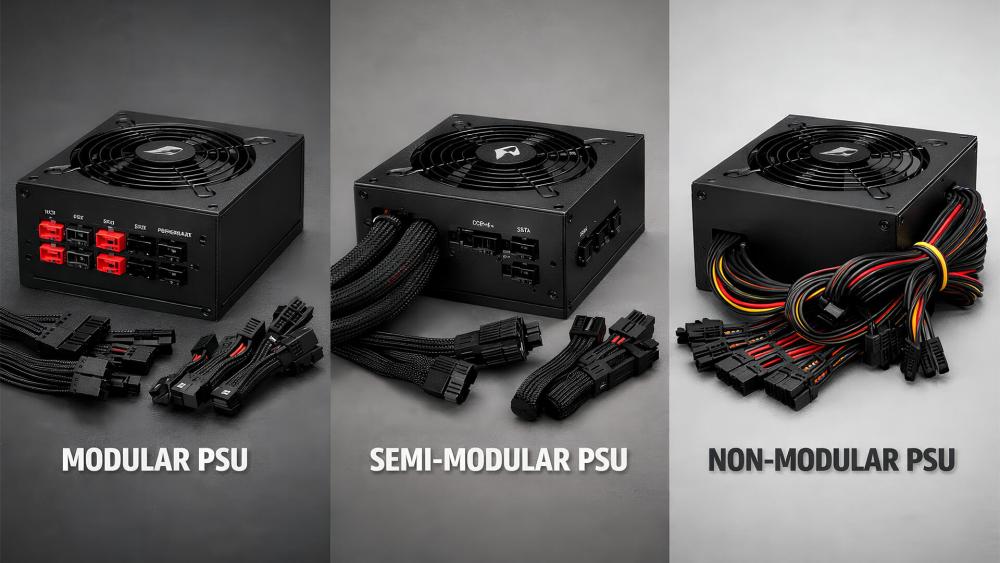
Cabling is another important factor when in your quest of finding the right PSU. The main difference between PSU types comes down to how the cables are attached to the power supply unit.
A modular PSU allows you to connect only the cables you need. A fully modular PSU goes one step further, with every cable detachable. This makes cable management easier, improves airflow inside your PC Case, and creates a cleaner overall build. For many enthusiasts building a gaming PC, modular designs are the preferred option.
Semi-modular units keep essential cables fixed while allowing others to be removed, offering a balance between flexibility and cost. Non-modular units have all cables permanently attached, which can make cable management more challenging, but they are often suitable if you are looking for the best budget PSU options.
Connectors and GPU Compatibility
Making sure your power supply unit has the correct connectors is essential when choosing a PSU. Even a high-quality power supply will not function properly if it cannot support your components.
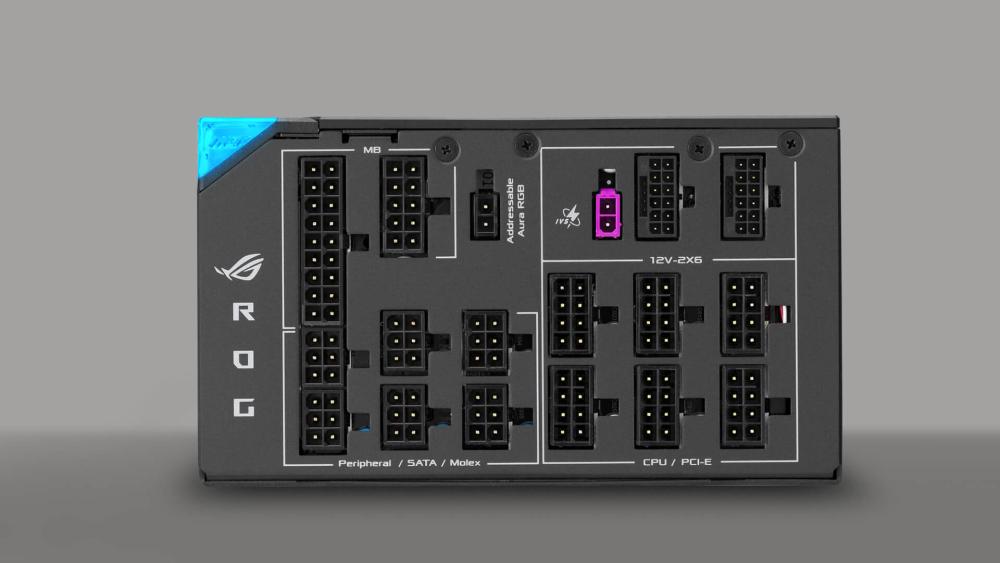
Every standard ATX system requires a 24-pin motherboard connector and an 8-pin (4+4) EPS connector for the CPU. Some high-end motherboards may also include an additional CPU power connector for enhanced stability during heavy loads or overclocking.
Modern graphics cards require one or more PCIe power connectors. These may include 6-pin, 8-pin (6+2), or multiple 8-pin connectors. Newer high-end GPUs may use the 12VHPWR (16-pin) connector introduced with the ATX 3.0 specification.
If you are building a performance system, selecting an ATX 3.0 power supply for your PC ensures better compatibility with next-generation graphics cards and improved power delivery handling. This is especially important for gaming builds where stable power to the GPU directly impacts performance.
Safety and Protection Features
When choosing the best PSU for your PC, built-in protection features are just as important as wattage or efficiency. A high-quality power supply unit does more than deliver power — it safeguards your entire system.
Look for essential protections such as Over Voltage Protection (OVP), Over Current Protection (OCP), Over Power Protection (OPP), Short Circuit Protection (SCP), and Over Temperature Protection (OTP). These mechanisms automatically shut down the system if something goes wrong, preventing damage to your motherboard, GPU, and other sensitive components.
Reliable protection is especially important for high-performance systems and modern desktop computers that draw significant power under load. Without these safeguards, a faulty or unstable unit can cause crashes, random reboots, or even permanent hardware damage.
Build Quality, Brand Reliability and Warranty
Not all power supply unit models are built to the same standard, and internal component quality directly affects stability, longevity and overall performance.
Reputable manufacturers invest in higher-grade capacitors, better thermal design and stricter quality control. This is why always opting for high-quality PC power supplies is a smart starting point when comparing options. A well-built PC PSU will deliver consistent power under load and maintain voltage stability during demanding tasks.
Recommended Options for the Best PSU for Your PC
Here are some of the top picks for different types of PCs.
Best PSUs for Gaming PCs
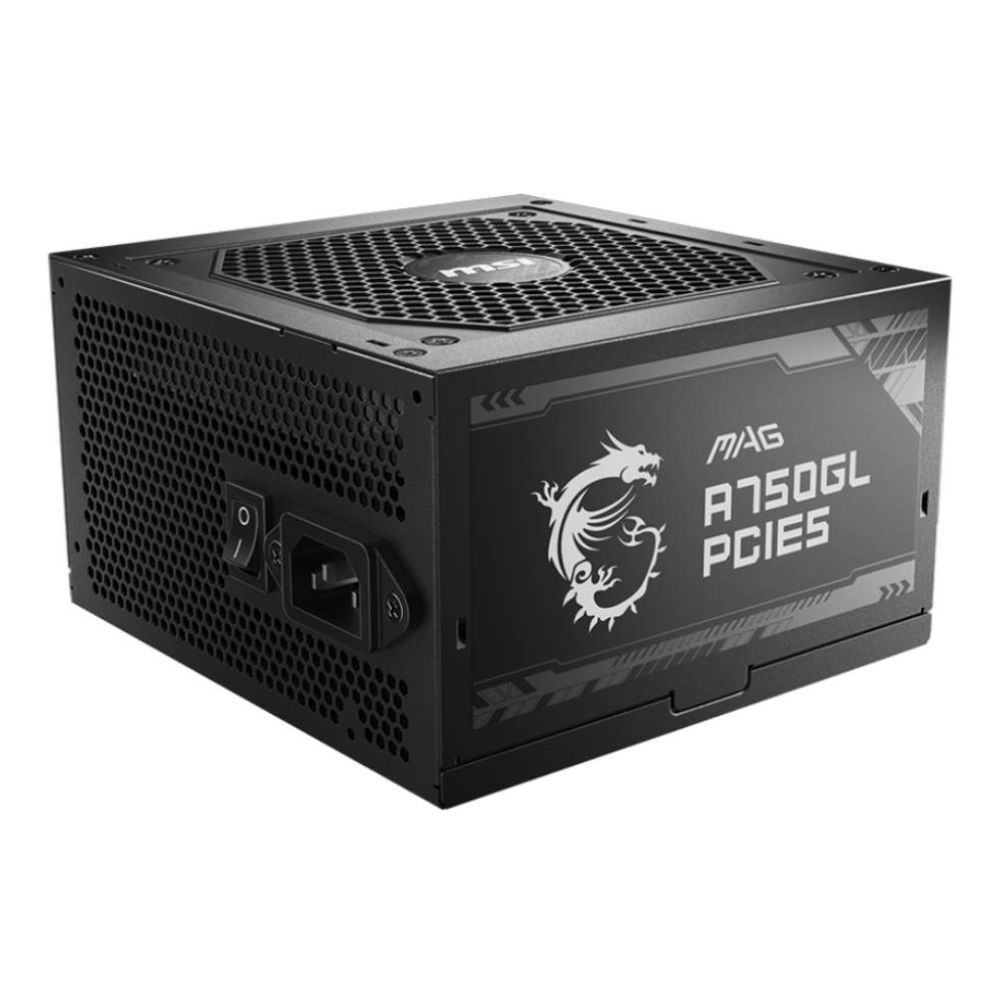
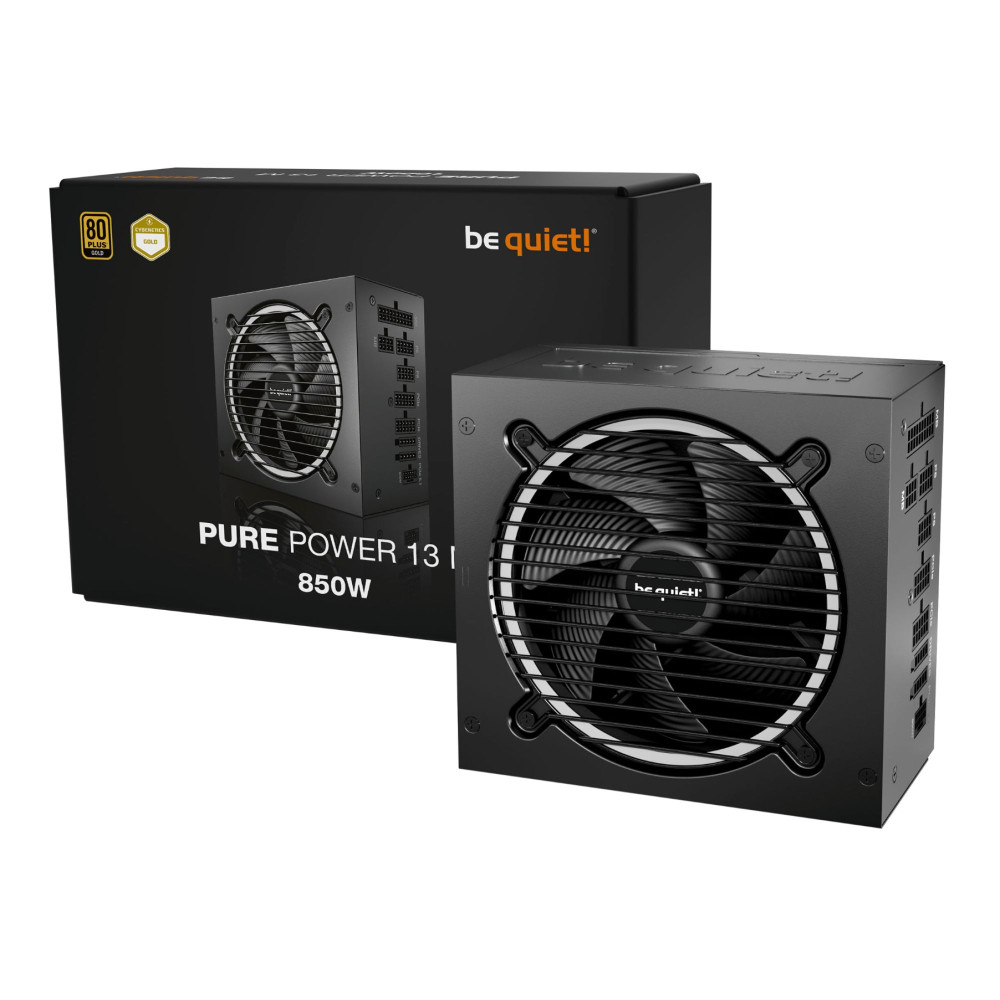
The best PSU for a gaming PC must focus on stable power delivery and GPU compatibility. A quality gaming PC PSU should offer sufficient wattage headroom, typically starting around an 850W PSU for modern mid-to-high range graphics cards. An 80 Plus Gold PSU is often the sweet spot for efficiency, while a fully modular PSU helps with airflow and clean cable management inside your PC Case. If you are building or upgrading a gaming system, explore the recommended product options below to find the best power supply for gaming PC builds.

Top Power Supplies for General Use Desktops
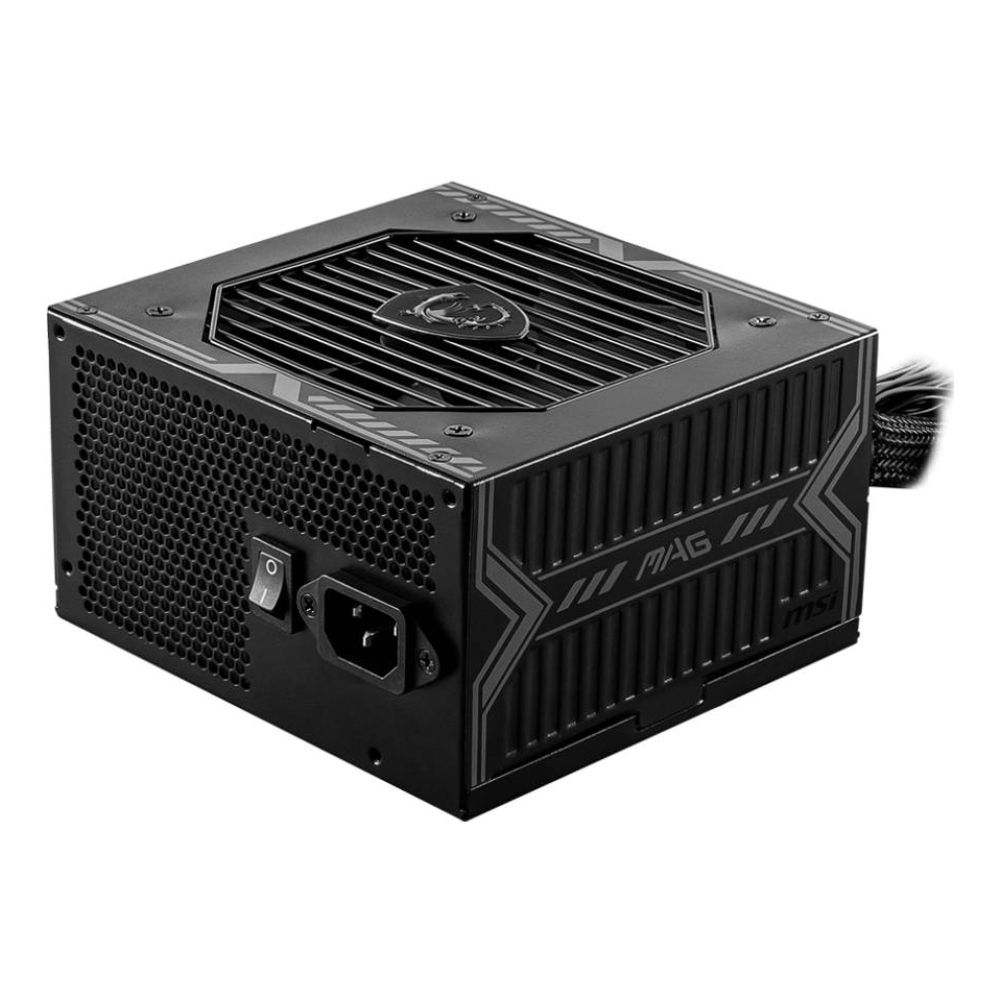
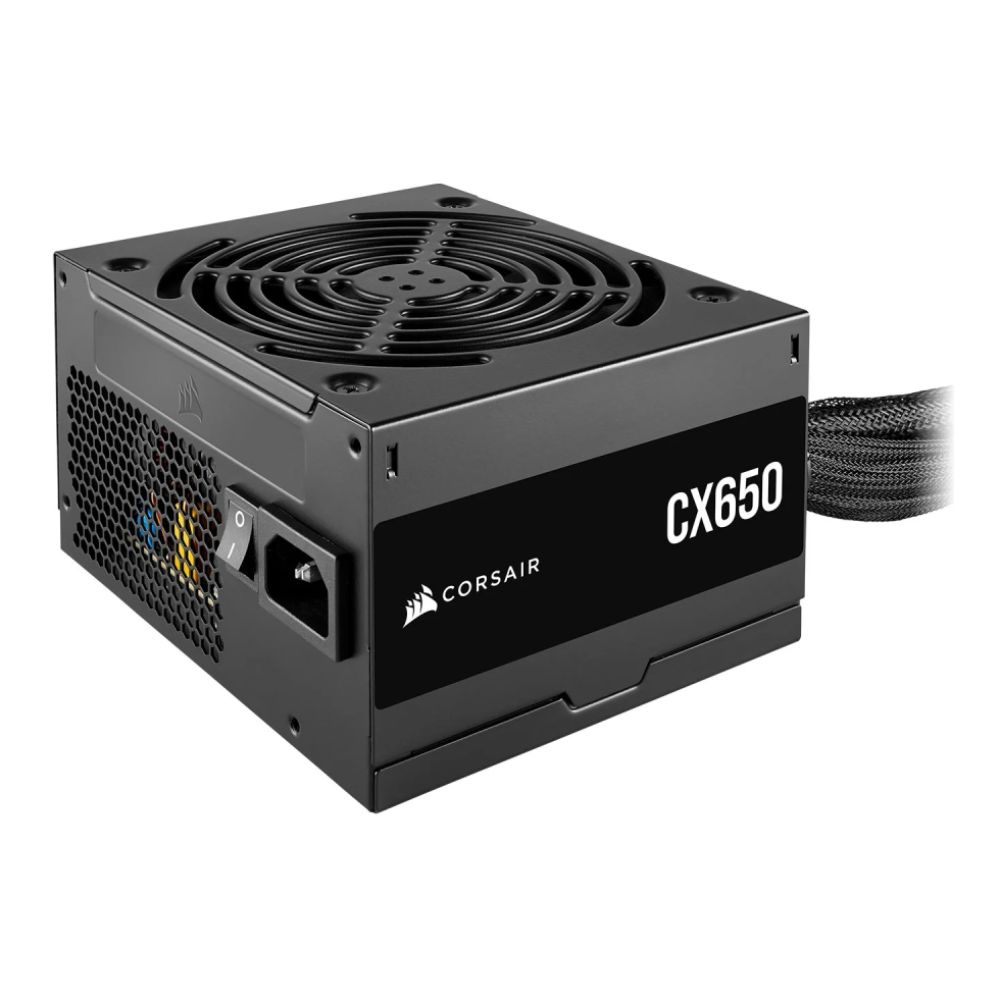
Not every build needs a high-wattage or enthusiast-level unit. For home and office systems, the priority is consistency, efficiency and quiet operation rather than maximum output. A dependable power supply unit with sensible wattage, strong safety protections and good build quality will easily handle everyday workloads such as browsing, streaming and office applications. You can browse the recommended options below to find a practical and cost-effective PSU for PC setups built for general use.
The Best PSUs for High-Performance Builds
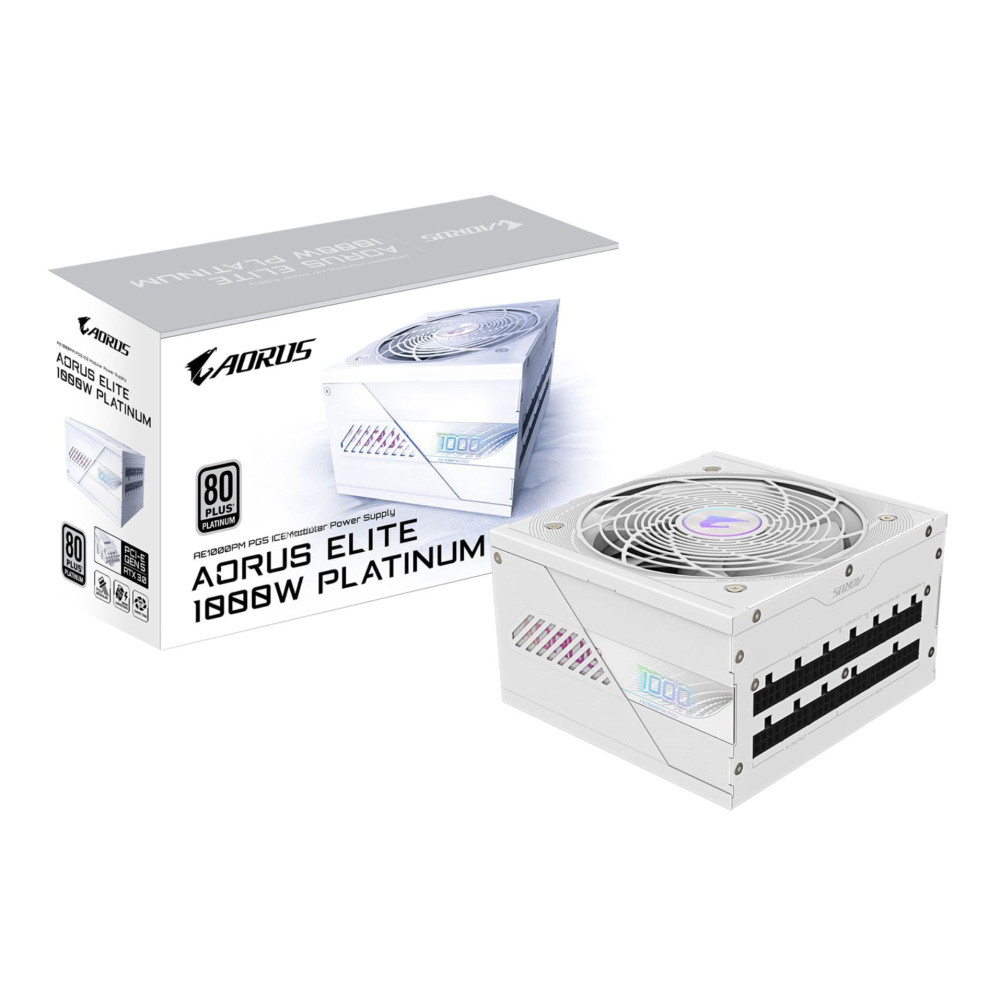
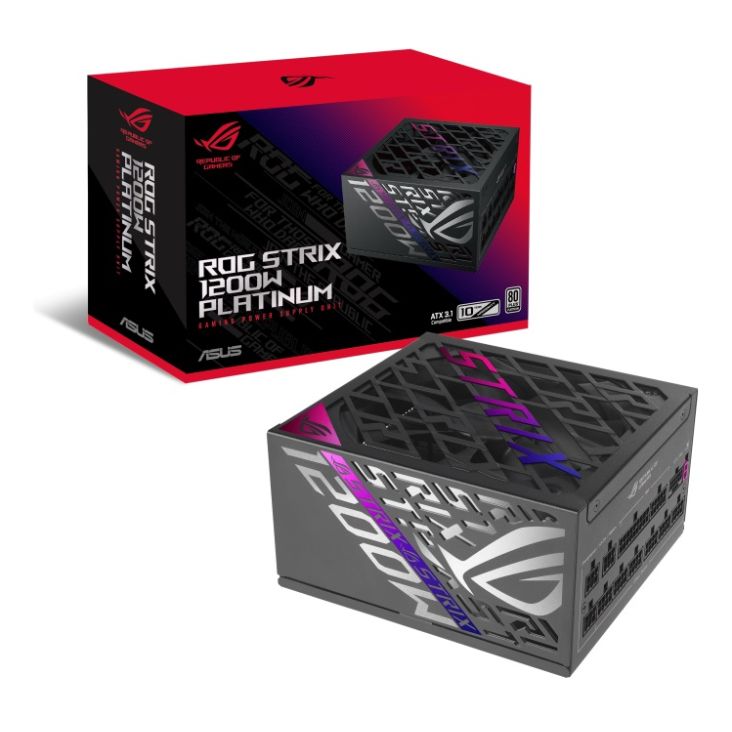
Systems built with flagship GPUs, high-core-count processors and advanced cooling demand more from their power delivery. The focus should be on higher wattage capacity, strong continuous output and next-generation connector support.
Efficiency also becomes more important at this level, as these systems frequently operate under sustained load. Choosing a well-built unit with modern standards support ensures stable performance during gaming, rendering or intensive multitasking. Explore the product selections below to find suitable options designed specifically for high-performance systems.

Powerful Power Supply Units for Workstations
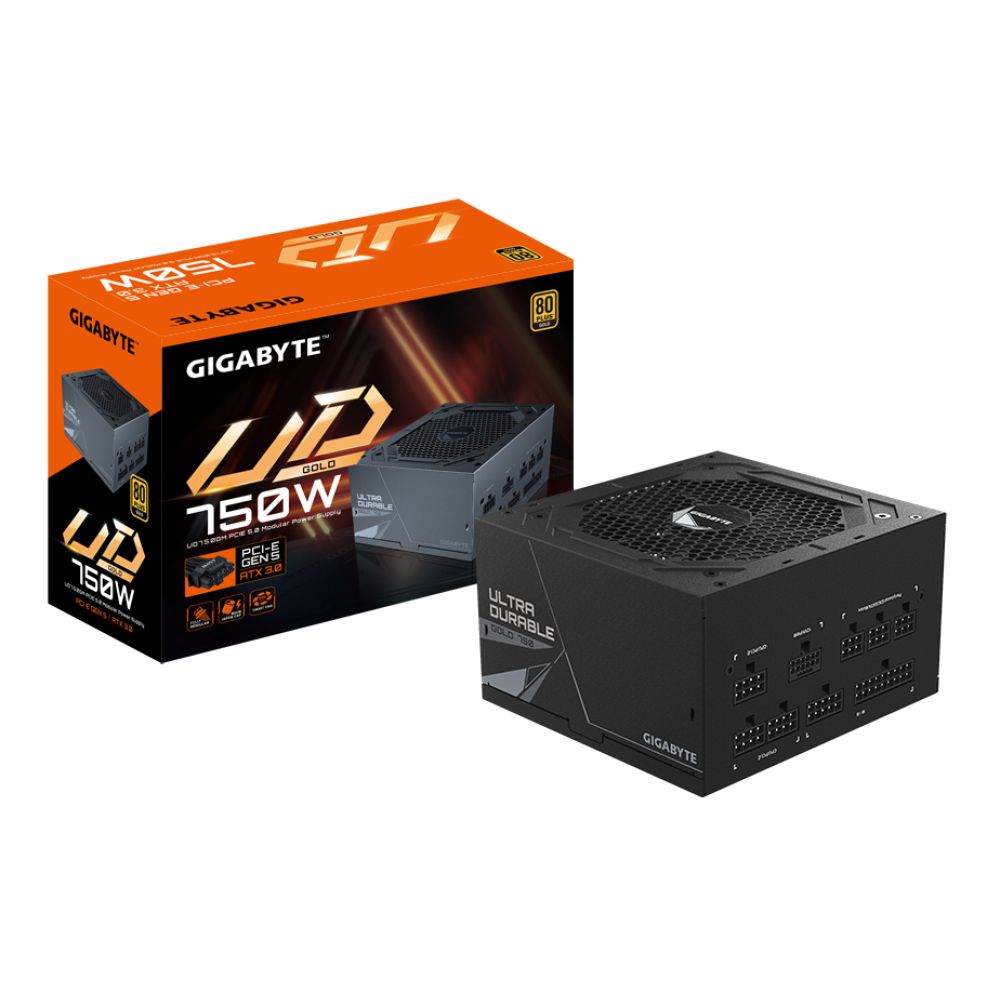
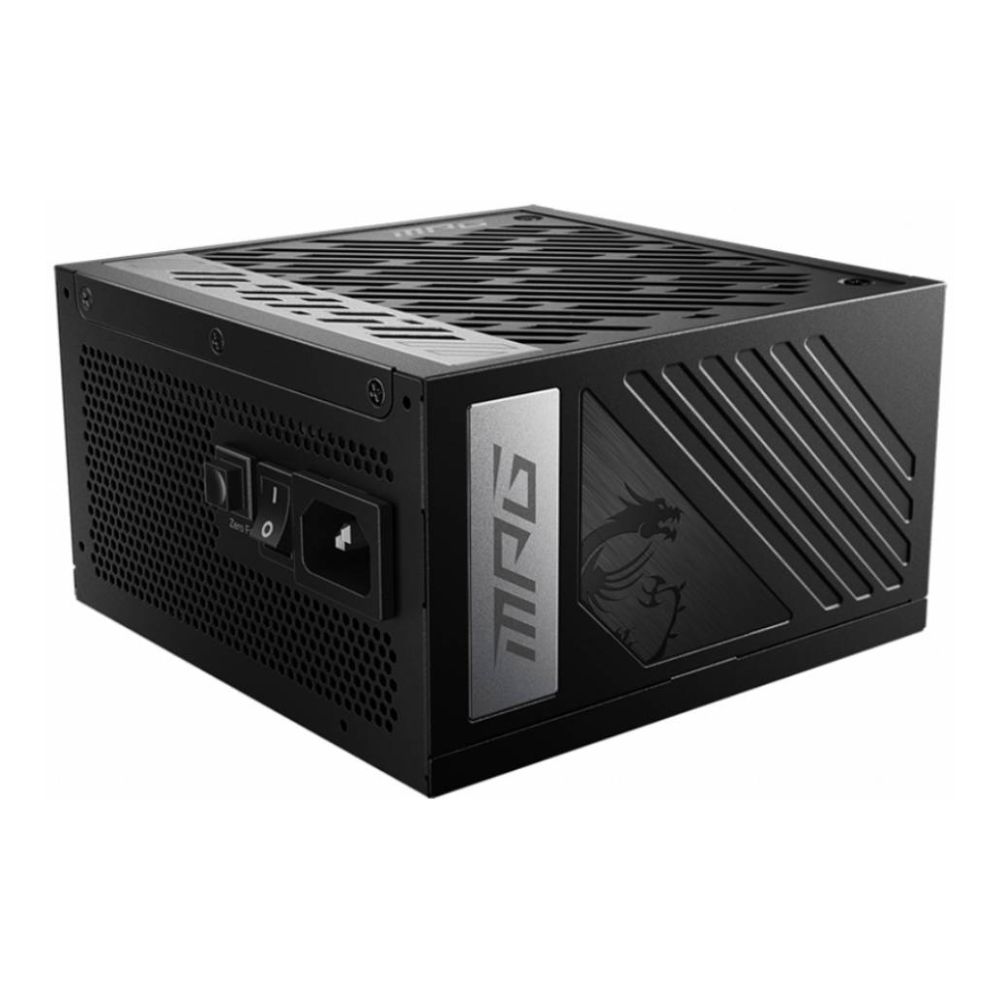
Workstation systems prioritise stability and reliability over raw gaming performance. When choosing a PSU for high-end workstations with professional workloads such as video editing, 3D rendering or data processing, consistent power delivery and long-term durability are essential. Higher efficiency ratings can also help reduce heat and energy costs during extended operation. Check out the product options below to find suitable units designed to support demanding workstation environments.
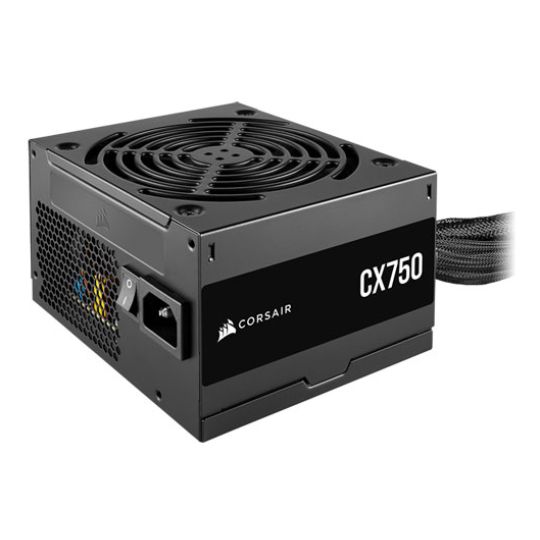
Final Words
Choosing the best PSU for your PC is about more than just wattage. The right unit should match your system's power requirements, fit your case correctly, deliver stable output, and include proper safety protections. Whether you are building a gaming setup, a home system or a professional workstation, selecting a reliable power supply ensures long-term performance and protects your hardware investment.
Frequently Asked Questions
How do I choose the right PSU for my PC?
Start by calculating your system's total power draw, including your processor, graphics card and other components. Add extra headroom to handle peak loads. Then check efficiency ratings, connector compatibility and protection features to ensure stable and safe operation.
Is 80+ Gold or Platinum better?
Platinum-rated units are more energy efficient than Gold-rated models, meaning they waste less power as heat. However, for most users, Gold offers an excellent balance between efficiency and price. Platinum is usually worthwhile for systems that run under heavy load for long periods.
Is a 1600-watt PSU overkill?
For most standard gaming or home systems, 1600 watts is far more than necessary. Such high capacity is typically reserved for extreme builds with multiple high-end components or specialised workloads.
Is 850W enough for RTX 5090?
In many single-GPU builds, 850W can be sufficient, depending on the processor and overall system configuration. However, higher-end components or overclocking may require additional headroom. Always check the manufacturer's recommended power requirements.
What happens if your PSU is too weak?
If the unit cannot supply enough power, your system may experience crashes, random restarts or failure to boot. In more serious cases, unstable power delivery can shorten the lifespan of your components. Selecting the correct capacity helps maintain system stability and performance.
You can pay with:
*PayPal Credit Representative Example: Assumed credit limit £1,200, Representative 23.9% APR (variable). Purchase rate 23.9% p.a (variable).Terms & Conditions apply.


PayPal Credit and PayPal Pay in 3 are trading names of PayPal UK Ltd, 5 Fleet Place, London, United Kingdom, EC4M 7RD. Terms and conditions apply. Credit subject to status, UK residents only, Five Tech LTD acts as a broker and offers finance from a restricted range of finance providers. PayPal Pay in 3 is not regulated by the Financial Conduct Authority. Pay in 3 eligibility is subject to status and approval. 18+. UK residents only. Pay in 3 is a form of credit. Check if affordable and how you will repay. May make other borrowing more difficult or expensive. See product terms for more details.
Copyright © 1996-2026 Fivetech LTD | Terms and Conditions
box.co.uk & Box are trading names of Five Tech Limited. Registered office: Box LTD, Unit 10 Woodford Trading Estate, Woodford Green IG8 8HF