


 Menu
MenuMenu


Get Sales Advice from Mon - Fri 9am - 5:00pm:
020 3337 8950LAST UPDATED: April 29, 2026
ASUS TUF A16 vs TUF F16: Which TUF Gaming Laptop Should You Buy in 2026?
Choosing between the ASUS TUF A16 vs F16 is not as straightforward as it looks. Both belong to the same rugged gaming family, but they are built around different platform strengths. The A16 currently leans towards AMD, while the 2026 F16 moves down the Intel Core Ultra route. Both can also be configured with RTX 50-series graphics, DDR5 memory, dual SSD slots, 90Wh batteries, and 16-inch high-refresh panels.
That is why this is not just a question of which model looks newer on paper. It is really about which one suits your budget, the games you play, and the balance you want between speed, thermals, battery life, and long-term value. For buyers comparing ASUS TUF gaming laptops in 2026, this is really a question of where both machines sit in the wider gaming laptops realm.
This guide breaks that down clearly. It starts with the core differences, then moves through performance, display quality, thermals, and battery trade-offs. The goal is to help you decide which version of ASUS TUF makes more sense for the way you game.
ASUS TUF A16 vs F16: The Quick Answer
In an ASUS TUF A16 vs F16 comparison, the split is clear. The A16 is the AMD-led option. The F16 is the Intel-led one. Both sit in the same 16-inch TUF family. Both can also reach NVIDIA GeForce RTX 50 series GPUs, high-refresh panels, 90Wh batteries, and upgrade-friendly internals.
The table below sums up the biggest official differences first.
| Spec | ASUS A16 | ASUS F16 |
| Model platform | AMD | Intel |
| Top CPU | Up to Ryzen 9 8940HX / Ryzen 7 260 | Up to Core Ultra 9 290HX Plus |
| Display options | 16-inch 2.5K 165Hz OLED, 2.5K 165Hz IPS, FHD+ 144Hz / 165Hz IPS | 16-inch 2.5K 165Hz OLED or 2.5K 300Hz IPS |
| Memory/storage | Dual-slot DDR5 RAM, dual NVMe SSD storage | Dual-slot DDR5 RAM, dual NVMe SSD storage |
| Battery/build | 90Wh, MIL-STD-tested TUF durability | 90Wh, MIL-STD-tested TUF durability |
| Best for | Buyers who want AMD balance and strong value | Buyers who want a newer Intel platform and a stronger premium appeal |
AMD vs Intel Platform
The ASUS A16 is the AMD version of this match-up. The ASUS F16 is the Intel version. That means the real choice starts with AMD Ryzen versus Intel Core Ultra processors, not just with the laptop name.
Target Users and Pricing Position
The A16 usually makes more sense for buyers chasing value. The F16 feels more premium in this 2026 line-up. That is why the best TUF gaming laptop for one buyer may not be the best pick for another. A lot depends on your budget, your display preference, and how much platform freshness matters to you.
Where Each Model Sits in the TUF Lineup
Within ASUS laptops for gaming, these two sit in the middle of the performance stack. They are not the cheapest entry machines, but they are also not flagship ROG systems. In that sense, both ASUS TUF laptops aim for the sweet spot between price, power, and practicality.
Performance Comparison: A16 vs F16
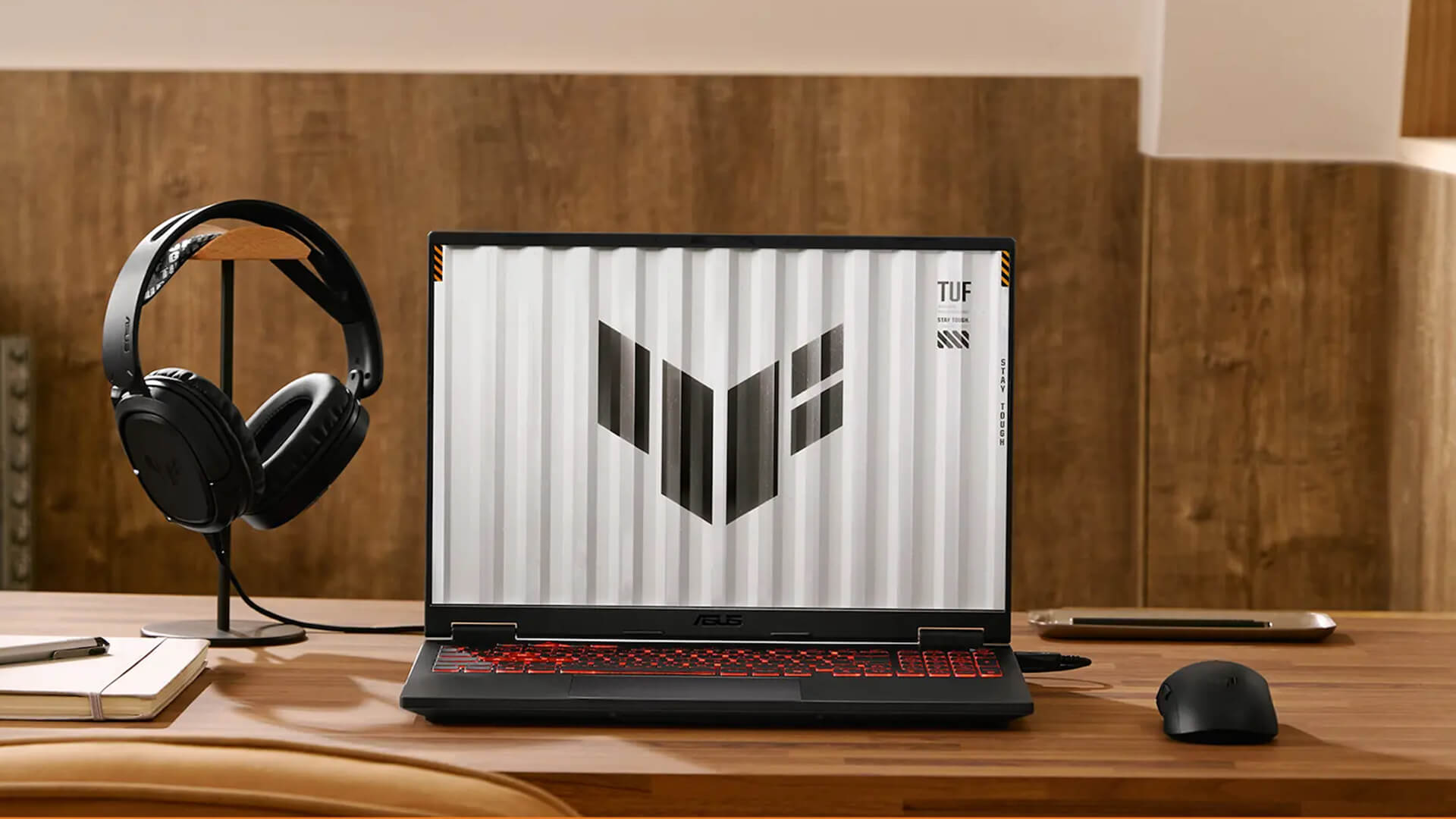
In an ASUS TUF A16 vs F16 comparison, performance starts with platform choice. The A16 is the AMD route. The F16 is the Intel route. Both can scale up to an RTX 5070 Laptop GPU, so the bigger question is how the CPU, display option, and total package fit your style of gaming.
CPU Performance: AMD vs Intel
The ASUS A16 gives you AMD Ryzen processors, with official configurations reaching Ryzen 7 260 and, in some 2026 TUF listings, Ryzen 9 8940HX. The ASUS F16 pushes further on the Intel side, with models going up to Intel Core Ultra processors such as the Core Ultra 9 290HX Plus.
That means the A16 usually looks more balanced for buyers who care about sensible value and a strong all-around setup. The F16 feels more performance-led, especially if you want the newest Intel platform in the TUF range. In a TUF A16 vs TUF F16 buying decision, the CPU split is really the first thing to settle.
GPU Options and Gaming Performance
On the graphics side, both machines now sit in the same modern tier. ASUS's 2026 TUF material puts both models up to NVIDIA GeForce RTX 50 series GPUs, with the A16 and F16 both reaching the RTX 5070 Laptop GPU at up to 115W with Dynamic Boost.
That matters because it keeps this ASUS TUF A16 vs F16 match-up closer than many buyers expect. You are not choosing between a weak GPU laptop and a strong one. You are choosing between two machines that can land in a very similar graphics class, closer to the RTX 4050/4060/5060/5070 class GPUs. The bigger difference is how each system packages that performance around the CPU and screen.
Real-World Performance for Work and Play
In real use, both laptops look well-equipped for modern gaming and mixed workloads. ASUS lists both with upgradeable DDR5 RAM, dual-slot NVMe SSD storage, and 16-inch high-refresh panels, which means neither machine is narrow in day-to-day capability.
That is why the best TUF gaming laptop depends more on your priorities than on raw naming. If you want strong budget gaming performance and an AMD-flavoured value angle, the A16 makes a lot of sense. If you want a newer Intel platform with more premium-leaning screen options, the F16 has the stronger case. In practical terms, both sit in the sweet spot between entry-level and mid-range gaming laptops rather than at extremes.
Display, Build, and Daily Use
When the performance is close, the screen and chassis start to matter more. In an ASUS TUF A16 vs F16 decision, this is where the laptops begin to feel different in everyday ownership. Both keep the same 16-inch format, a 16:10 shape, high-refresh displays above standard laptop levels, and the rugged TUF identity. The bigger differences come from panel options and how premium each configuration feels.
Screen Quality and Resolution Choices
The ASUS A16 gives buyers more panel variety. Current official specs show IPS options at FHD+ 144Hz and 165Hz, plus sharper 2.5K panels at 165Hz and, in some A16 variants, 300Hz. The ASUS F16 pushes harder at the upper end, with a 2.5K 165Hz OLED option and a 2.5K 300Hz IPS option in the 2026 line. That means the FHD vs QHD panels question matters more on the A16, while the F16 feels more premium by default in its current 2026 positioning.
Refresh Rates and Panel Positioning
In a TUF A16 vs TUF F16 comparison, refresh rate is not just a number. The A16 covers more mainstream gaming territory with 144Hz and 165Hz options, while some A16 variants and the latest F16 reach 300Hz. The F16 is also a strong entry in ASUS OLED laptops, which gives it a stronger premium appeal if you care about both motion and image quality. For buyers moving between built-in screens and ASUS TUF monitors, that higher-end panel flexibility gives the F16 a slight edge in display appeal.
TUF Build Quality and Durability
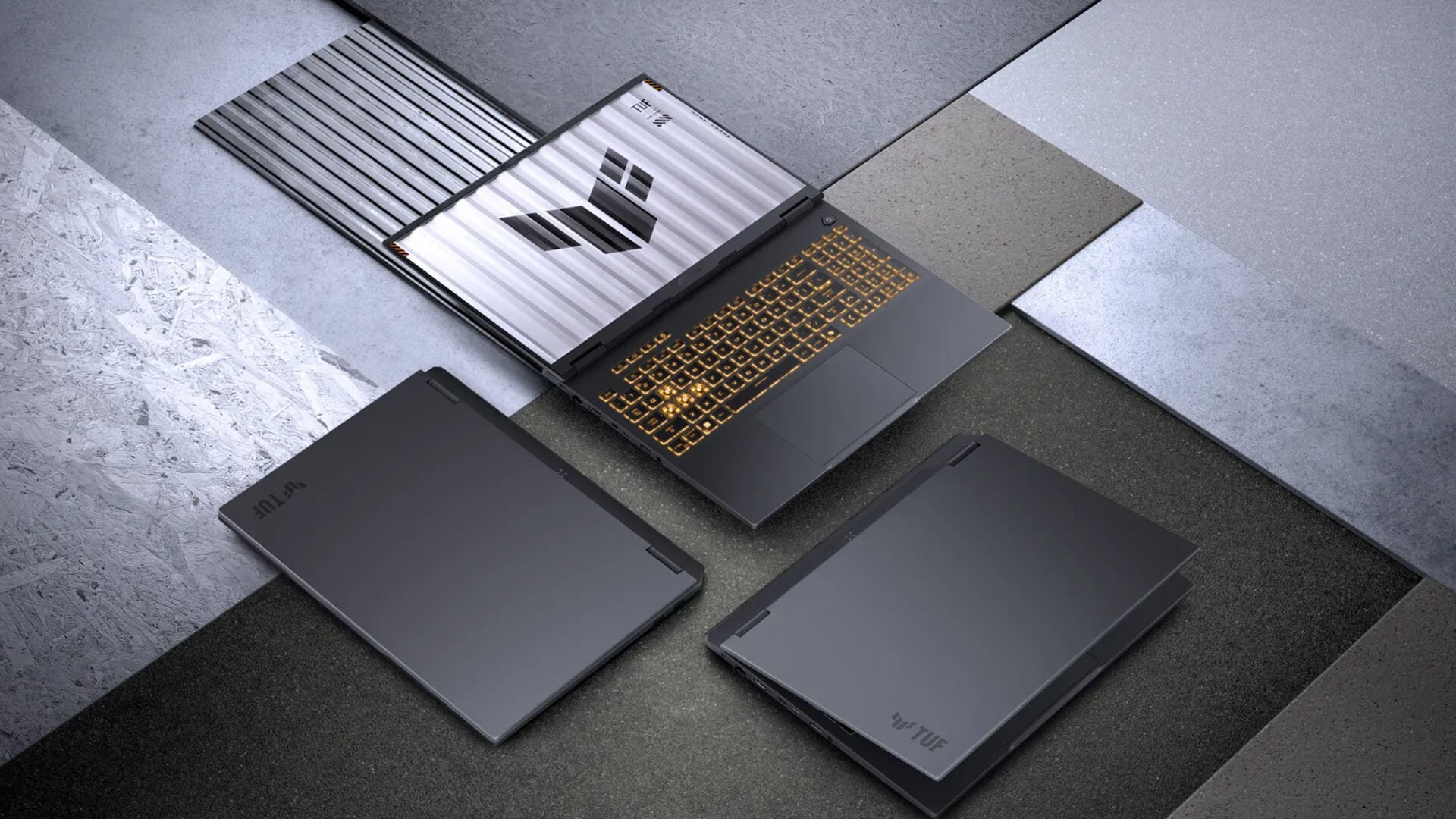
Both machines stay true to the TUF identity. They come with MIL-STD-style TUF durability, a sturdier gaming chassis, and upgrade-friendly internals rather than an ultra-thin luxury design. In practical terms, neither is trying to be a Zephyrus. If you are looking for a lightweight gaming machine, read our ROG Zephyrus G14 vs G16 comparison to explore these top-tier models from the ROG Zephyrus range.
Battery Life and Efficiency
Battery life matters in a laptop like this because both machines are meant to do more than sit on a desk. Both models use a 90Wh battery, and both support USB-C charging, so the real difference comes more from platform behaviour, screen choice, and how heavily you push the hardware.
Where AMD Can Still Appeal for Efficiency
The ASUS A16 makes a strong case for buyers who want a more value-led balance. That is partly because AMD Ryzen processors often appeal to gamers who care about efficiency as much as outright speed. The A16 feels like the more rounded option if your priorities include gaming, general use, and decent unplugged flexibility.
That does not mean the A16 is suddenly a battery-first machine. It is still a 16-inch gaming laptop with discrete graphics. But when it comes to the usual gaming laptop battery trade-offs, a machine with AMD can still look attractive for buyers chasing better performance per pound rather than only the newest platform badge.
Where Intel Makes the Trade-Off More Performance-Led
The ASUS F16 takes a more performance-forward position. ASUS pairs it with Intel Core Ultra processors and newer premium display options, including 2.5K OLED and 300Hz IPS choices. That makes the machine feel a bit more ambitious overall, but it also means battery expectations should stay grounded in the reality of a fast, 16-inch gaming laptop.
In other words, the F16 can be easier to justify if you want the fresher Intel platform and stronger premium appeal. But in a straight TUF A16 vs TUF F16 buying decision, the Intel model feels more performance-led than efficiency-led. That is not a flaw. It is simply the trade-off the F16 makes clearer.
Real-World Battery Expectations
The safe way to read this is simple. Neither laptop should be treated like an ultraportable. Both are gaming systems, and both will lose battery much faster once the GPU is working hard. ASUS itself notes that battery results depend on configuration, settings, and usage, which is exactly what buyers should expect here. Still, these two offer a better battery than many top gaming laptops out there.
Cooling and Thermal Performance
Cooling is a big part of this comparison because both machines are designed for long gaming sessions. On paper, they are closely matched. Each uses second-generation Arc Flow fans, a full-width heatsink, and integrated dust filtering, which gives both a solid base for stable thermal performance under load.
Heat Management Under Load
The overall cooling layout is more similar than different. Both models use a full-width rear exhaust design, which helps move heat more evenly through the chassis. That is a good sign for buyers who care about consistent performance during longer play sessions rather than just short bursts of speed.
Fan Behaviour and Noise
The F16 has a small advantage in light-load refinement. Its 2026 models come with 0dB Ambient Cooling, which allows silent cooling during lighter tasks. The A16 still looks well equipped, but the quieter idle behaviour is one of the clearer comfort advantages on the Intel side of this match-up.
Sustained Gaming Performance
Neither machine looks weak here. Both are built to cope with the kind of sustained load expected from modern games. A16's revised cooling setup reduced surface temperature by around 7°C, which explains how seriously heat control is treated in this family. In practical terms, the difference is less about one having proper cooling and more about whether you prefer the AMD value angle or the F16's slightly more polished thermal package.
Which TUF Laptop Should You Choose in 2026?
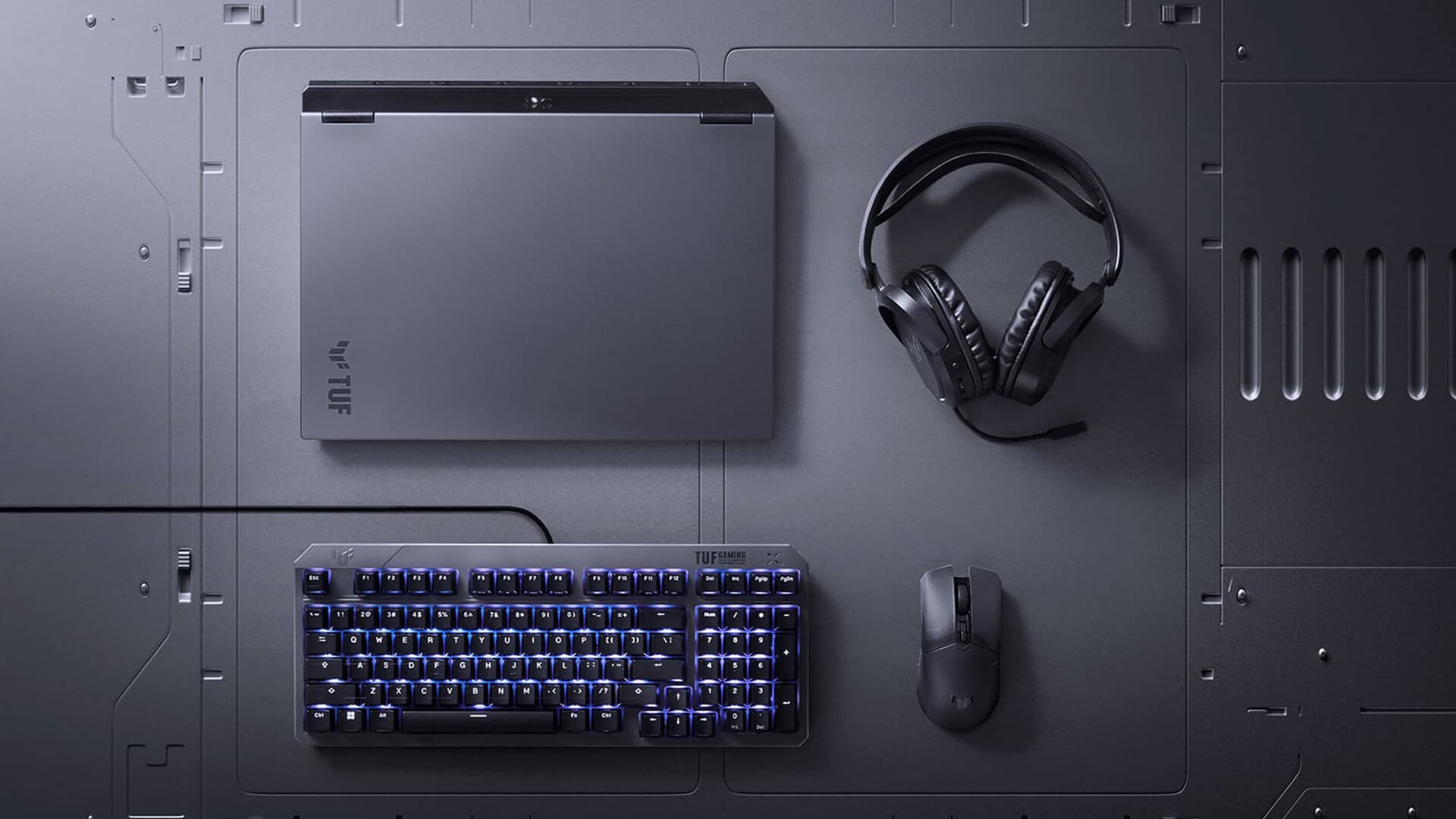
The ASUS TUF A16 vs F16 comparison reveals that both machines are an excellent pick. The better choice depends on what you value more. That usually comes down to budget, platform preference, display goals, and how much you care about the newer Intel-led positioning of the F16. Both are considered among the best ASUS gaming laptops.
Best for Budget-Conscious Gaming
The A16 makes more sense if value is the priority. It still reaches the same top GPU class, keeps the same 90Wh battery size, and offers upgradeable memory and storage. That is why it is often considered one of the best TUF gaming laptops for buyers who care most about budget gaming performance and strong performance per pound. It is also the easier choice if you already know you want an AMD processor.
Best for Higher Performance and Newer Platform Appeal
The F16 is the better fit if you want the newer Intel platform and a more premium 2026 feel. It keeps the same RTX ceiling, but it leans harder into higher-end panel options and Intel's newer processors. That gives the ASUS TUF F16 a stronger case for buyers who want the fresher package. This choice also makes more sense if you want a system that sits closer to premium gaming laptops without moving all the way into ROG territory.
Best Overall Value for Most Buyers
For most people, the A16 is likely to be the safer value pick. The reason is simple. It keeps the core TUF strengths intact, stays highly competitive on graphics, and usually makes the compromise pattern easier to justify. The F16 is the one to buy if you actively want the newer Intel platform, the more premium panel route, or the stronger 2026 product appeal. Regardless of the choice you make, pairing your machine with complete gaming accessories can make a huge difference while playing.
Frequently Asked Questions
Is the ASUS TUF A16 better than the F16?
It depends on what you want. The A16 is usually the stronger value option, while the F16 makes more sense if you want the newer Intel-based platform.
Is the ASUS TUF F16 durable?
Yes. The TUF F16 is built as a rugged gaming laptop and is designed to meet the same durability-focused standards expected from the TUF range.
Is the ASUS TUF A16 better for battery life?
It can be, especially if you prefer the AMD side of the comparison. Even so, battery life on both models still depends heavily on the screen, settings, and how you use the laptop.
Which is better for gaming: TUF A16 or F16?
Both are strong gaming options. The better choice depends on whether you value AMD-based value and balance, or the newer Intel platform and more premium display options.
Are ASUS TUF laptops good for value?
Yes. The TUF range is generally a strong value choice because it combines gaming performance, upgrade-friendly hardware, and durable design at more accessible prices.
You can pay with:
*PayPal Credit Representative Example: Assumed credit limit £1,200, Representative 23.9% APR (variable). Purchase rate 23.9% p.a (variable).Terms & Conditions apply.


PayPal Credit and PayPal Pay in 3 are trading names of PayPal UK Ltd, 5 Fleet Place, London, United Kingdom, EC4M 7RD. Terms and conditions apply. Credit subject to status, UK residents only, Five Tech LTD acts as a broker and offers finance from a restricted range of finance providers. PayPal Pay in 3 is not regulated by the Financial Conduct Authority. Pay in 3 eligibility is subject to status and approval. 18+. UK residents only. Pay in 3 is a form of credit. Check if affordable and how you will repay. May make other borrowing more difficult or expensive. See product terms for more details.
Copyright © 1996-2026 Fivetech LTD | Terms and Conditions
box.co.uk & Box are trading names of Five Tech Limited. Registered office: Box LTD, Unit 10 Woodford Trading Estate, Woodford Green IG8 8HF