


 Menu
MenuMenu


Get Sales Advice from Mon - Fri 9am - 5:00pm:
020 3337 8950LAST UPDATED: April 29, 2026
Are ASUS OLED Laptops Worth It in 2026? Which Ranges Benefit Most?
OLED has become a much bigger part of the ASUS laptop story, but that does not automatically mean every model is worth the premium. In 2026, the real question is not whether ASUS OLED laptops look impressive. It is whether the screen upgrade brings enough value for the way you work, watch, or create.
For many buyers, the answer can be yes. A well-tuned ASUS OLED display can make films look richer, colours appear more accurate, and everyday use feel more premium. That matters even more in ranges like Zenbook, creator-focused options such as the Vivobook Pro 14 OLED, and higher-end gaming models, where the screen plays a bigger role in the overall experience.
This guide looks at where OLED genuinely makes the most difference, which ASUS families benefit most from it, and when it is smarter to pay for the better panel rather than simply paying more for the badge.
What Makes ASUS OLED Langes Different?
What separates ASUS OLED laptops from more standard models is not just the panel type. It is the way ASUS combines OLED with its own tuning, colour targets, and comfort features, so the improvement feels noticeable in everyday use rather than only in a spec sheet. ASUS presents this through ASUS Lumina OLED, which is built around stronger visual fidelity, eye comfort, and more consistent display behaviour.
How OLED Changes What You Actually See
An ASUS OLED display uses self-illuminating pixels instead of a traditional backlight. That design is what allows much darker blacks and a more striking sense of depth on screen. In practical terms, this means richer shadow detail, stronger scene separation, and a more vivid overall image. ASUS highlights true black performance down to 0.0005 nits and a contrast ratio of 1,000,000:1 on its Lumina OLED pages.
That is also why OLED display technology, when combined with other ASUS laptop features, tends to feel premium so quickly. You do not need to be editing photos to notice it. The difference shows up in streaming, browsing, and even simple day-to-day tasks where clearer depth and cleaner contrast make the screen look more refined.
Why These Panels Feel Different from Typical Laptop Screens
Compared with a laptop with a conventional IPS panel, an ASUS OLED notebook usually stands out most in contrast, black depth, and colour richness. ASUS says its Lumina displays cover 100% DCI-P3, are Pantone validated, and maintain vivid colour even at lower brightness levels, which helps explain why they feel more polished in both creative and general use.
That does not mean every OLED screen suits every person equally. Practical things still matter, including how OLED power use compares with IPS panels, how reflections behave on glossy finishes, and how bright your working space tends to be. Even so, when image quality is the priority, OLED still has a clear edge in visual impact.
Why ASUS Uses OLED Across More of Its Range
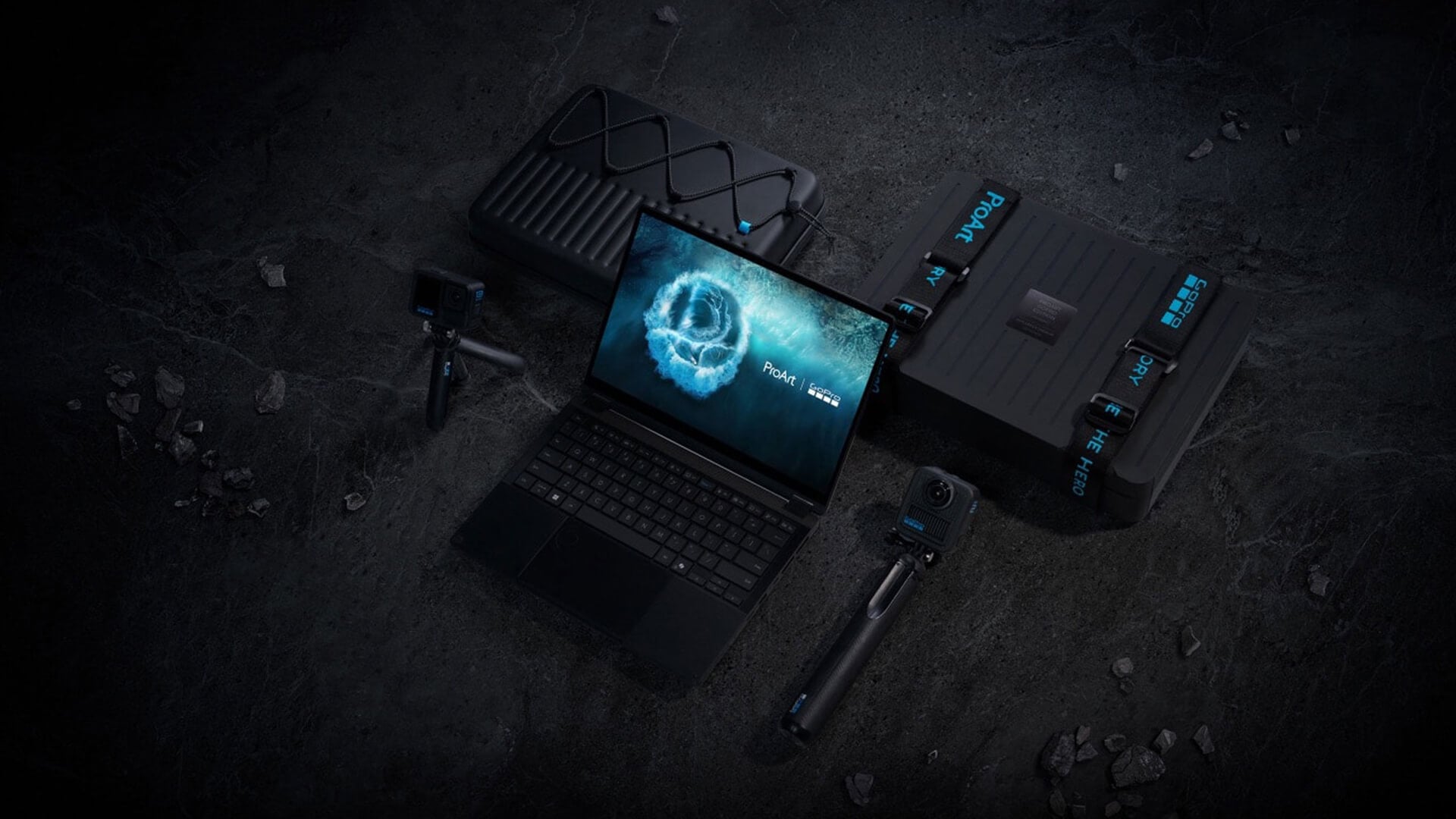
ASUS has not kept OLED limited to one flagship family. It now uses it across slimmer premium models, creator-focused options, and selected gaming machines because the screen benefits appeal to different buyers for different reasons. ASUS's own messaging around Lumina OLED focuses on colour accuracy, eye care, adaptive brightness behaviour, and motion clarity, which gives the technology a broader role than simple media playback.
That wider rollout is a big part of why ASUS OLED laptops matter more in 2026. Buyers are no longer choosing between one niche OLED machine and everything else. They are choosing between several ASUS ranges, where the better screen has been integrated more thoughtfully into the overall experience.
The Real Benefits of ASUS OLED Laptops
The appeal of ASUS OLED laptops is not limited to one type of user. A better panel can change how a laptop feels every day. That applies whether you spend more time watching content, editing visuals, or working on the screen for hours. ASUS builds much of that pitch around ASUS Lumina OLED, which it presents through strong colour performance, eye comfort, and a more premium visual experience.
Richer Contrast and a More Dramatic Image
One of the first things people notice is the stronger sense of depth. Because OLED can switch individual pixels off, you get darker shadow detail and cleaner separation between bright and dark areas. That is what gives these panels their more striking look, especially in films, darker scenes, and image-heavy tasks. ASUS also highlights very high contrast performance and VESA DisplayHDR True Black positioning in its Lumina material.
That is a big reason machines in the ASUS Zenbook OLED line feel more premium straight away. It is not only about colour. The mix of stronger black depth, more convincing highlights, and better HDR support makes the whole screen feel more refined.
Better Colour for Work, Streaming, and Creative Use
ASUS puts a lot of emphasis on colour performance, and that matters in more than specialist workflows. Its Lumina OLED pages highlight cinema-grade 100% DCI-P3 coverage, Pantone validation, and Delta E below 1. That gives these screens a stronger case for both entertainment and colour-sensitive work.
That is why options such as the ASUS Zenbook 14 OLED or a larger Zenbook 16 OLED make sense for buyers who want more than a sharp panel. The screen quality helps with photo viewing, content work, and general media use. It also improves everyday things like web browsing and video playback.
A Stronger Fit for Visually Led Buyers
The people who usually feel the difference fastest are those doing visual work. Better colour consistency, stronger contrast, and more reliable tuning matter more when you are editing, grading, designing, or reviewing images closely. That is why ASUS positions Lumina panels as creator-focused displays, with attention to display calibration and more dependable colour behaviour.
At the same time, this is not limited to high-end creative machines. More accessible ASUS Vivo OLED models can still make a visible difference for buyers who spend a lot of time looking at the screen. Add in ASUS's low blue light and eye care technology messaging, and the overall benefit becomes easier to understand. The laptop does not just look better. It often feels better to use for longer sessions as well.
What Should You Consider Before Choosing an ASUS OLED Laptop?
An OLED panel can be a great upgrade, but the best choice still depends on how you use the laptop. The screen is only one part of the experience. Things like battery habits, room lighting, and refresh rate matter too, especially if you are choosing between different ASUS ranges.
Battery Behaviour Depends on the Way You Work
Battery life on an OLED laptop is shaped by what you do on it. Darker content can be more efficient, while bright webpages, long office sessions, and high brightness levels can use more power. That is why the real conversation is less about “good” or “bad” battery life and more about how power consumption on OLED versus IPS behaves in your own routine.
For most buyers, that means the panel should be judged in context. If your day is a mix of browsing, office work, and media, an ASUS OLED notebook can still be a very practical choice. The key is to think about your normal workload rather than assuming every OLED system behaves the same way.
Brightness, Touch, and Your Work Environment Still Matter
A good OLED screen can look superb, but the space around you still affects the experience. If you often work in bright rooms or near windows, reflections and screen finish matter more. That is especially relevant on models like the ASUS Zenbook 14 OLED touch, where portability and touch interaction are part of the appeal.
This is also where brightness levels and HDR become more meaningful in real use. A panel may look excellent on paper, but the best result comes when the laptop suits the place you actually use it. In simple terms, the real question is not glossy versus matte in theory, but whether the screen will stay comfortable and practical in your everyday environment.
Refresh Rate Matters More in Some OLED Models Than Others
Not every OLED laptop is aimed at the same type of buyer. In a slim premium machine, OLED is usually there to improve colour, contrast, and general visual quality. In a gaming laptop with OLED, the display also plays a bigger role in motion clarity and responsiveness.
That is why refresh rates on OLED panels matter more in some ranges than others. If your priority is visual polish, a standard 60Hz or 120Hz OLED laptop may already feel excellent. If you also care about faster gameplay, then ASUS's more performance-led models become much more relevant. That is where ranges such as ASUS gaming laptops with OLED displays are a better option.
Long-Term OLED Care Features Add Reassurance

For many buyers, burn-in concerns are part of the OLED conversation. In practice, this is usually something to understand rather than worry about. ASUS includes OLED care features and protective display behaviour to help support long-term use, which makes the experience feel much more mature than early OLED sceptics often assume.
That matters because confidence is part of the buying decision, too. If you want the visual benefits of OLED without feeling like you have to treat the laptop delicately, those built-in protections make the upgrade easier to justify.
Which ASUS Laptop Ranges Benefit Most from OLED?
OLED adds value across more than one ASUS family, but not in the same way. In some ranges, it lifts everyday premium use. In others, it strengthens creative work or makes games look far more dramatic. That is why the real question is not whether ASUS uses OLED, but where it delivers the clearest benefit. ASUS now positions OLED across Zenbook, Vivobook, ROG Zephyrus, and ExpertBook lines, rather than keeping it limited to one niche family.
Zenbook Feels Like the Natural Home for OLED
Zenbook is probably the easiest ASUS family to recommend if display quality is a top priority. ASUS describes the range around slim design, premium build, and OLED visuals, which makes the screen feel central to the whole experience rather than an extra feature. That is why a machine in the ASUS Zenbook OLED range, including options like the ASUS Zenbook 14 OLED, tends to make the value of OLED feel obvious very quickly.
The same logic carries into larger premium models, too. A bigger option, such as a Zenbook 16 OLED, simply gives that visual upgrade more room to breathe. For buyers who want a premium laptop for work, travel, and everyday media, the Zenbook is where OLED feels most naturally integrated into the product identity.
Vivobook Is Where OLED Becomes Easier to Reach
Vivobook is where ASUS makes OLED feel more accessible. The Vivobook Pro 14 OLED is a good example of that approach, with ASUS positioning it around a vivid 2.8K OLED panel and stronger all-around performance for work and play. The best ASUS Vivobook laptops for everyday use make it easier for buyers to get a better screen without jumping straight into the most premium part of the lineup.
In the ASUS Vivo OLED range, OLED feels less like a luxury feature and more like a smart step up when it comes to the best ASUS laptops for students, younger professionals, and entry-level creators who want better visuals in daily use.
ROG Zephyrus Is Where OLED Makes the Most Visual Impact in Gaming
ROG Zephyrus gaming laptops benefit from OLED differently. Here, the screen matters not just for colour and contrast, but also for motion clarity and overall game presentation. ASUS positions current Zephyrus models around OLED display options, thin-and-light gaming design, and powerful graphics, which makes them a strong fit for buyers looking at ASUS OLED gaming laptops rather than standard everyday machines.
This is where a gaming laptop with OLED feels most convincing. The display is not only there to make films and photos look nicer. It also adds more punch to modern games, especially when paired with fast response and higher refresh panels. That is one of the reasons UK buyers prefer ASUS gaming laptops over other brands.
Planning to buy a new ASUS gaming laptop? Read our ROG Zephyrus G14 vs G16 Comparison Guide and make a well-informed purchase decision.
ExpertBook Turns OLED into a Premium Work Upgrade
OLED also makes sense in the business-focused ExpertBook lineup, though for quieter reasons. The ExpertBook B9 OLED is positioned as a very light, premium work machine with a 14-inch OLED panel, smart cooling, and a business-first design. That makes ASUS business laptops with OLED feel less like media devices and more like professional tools with a noticeably better screen experience.
For business buyers, the benefit is not mainly about entertainment. It is more about presentation quality, comfort, portability, and giving day-to-day work a more polished feel. That is a different kind of OLED advantage, but it is still a meaningful one.
When ASUS OLED Laptops Make the Most Sense

The value of ASUS OLED laptops becomes much clearer when you look at the kind of buyer behind the screen. OLED does not need to suit everyone in the same way. It works best when display quality is part of the reason you are buying the laptop in the first place. ASUS's own positioning around Lumina OLED, 100% DCI-P3 colour, Pantone validation, and eye-comfort features shows that these machines are aimed at people who will notice the screen advantage.
Creative Professionals and Designers
This is the most obvious fit. If you work with images, video, design, or visual content, the panel matters more than it does for a basic office machine. ASUS says its Lumina OLED displays deliver 100% DCI-P3 colour, Pantone validation, and Delta E below 1, which is exactly the kind of display behaviour that helps creative work feel more dependable.
That is why models in the ASUS Zenbook OLED family make strong sense for visual users. A machine such as the ASUS Zenbook 14 OLED is not just about looking premium. It suits people who want better colour confidence and a more polished visual workspace in daily use.
Media-Heavy Users and Visual-First Buyers
OLED also makes a lot of sense for people who simply care about how content looks. Stronger contrast, cleaner black levels, and better highlight detail make films, streaming, and image-heavy browsing feel more rewarding. ASUS highlights these screens around vivid colour, high contrast, and a richer HDR experience, which explains why the improvement is easy to notice even outside professional work.
This is also the kind of buyer who often already appreciates dedicated HDR ASUS monitors on a desk setup. In that context, choosing an OLED laptop feels less like a luxury and more like a natural extension of the same visual priorities. A well-tuned ASUS OLED display simply fits better when the screen is a big part of the overall experience.
Premium Everyday Use
Some buyers are not creators or gamers at all. They want a laptop that feels better every time they open it. That is where OLED often earns its place most quietly. Better contrast, stronger colour, and a more refined image can make reading, browsing, office work, and everyday media feel more polished. ASUS also builds part of that pitch around low-blue-light and eye-comfort features, which helps the panel feel like a daily-use upgrade rather than just a specialist one.
This is why slimmer premium models, including options like the ASUS Zenbook 14 OLED touch, make a lot of sense for buyers who care about design, portability, and screen quality together. It is also where more accessible choices on the ASUS Vivo OLED side can appeal, because the benefit is easy to appreciate without needing a highly specialised workflow.
Final Verdict: Choosing the Right ASUS OLED Laptop in 2026
For the right buyer, ASUS OLED laptops are worth considering in 2026. The screen upgrade is easy to notice, and it can make daily use feel much more premium. Better contrast, richer colour, and a stronger sense of depth all add up quickly when the display is a big part of your experience. ASUS also backs that up with ASUS Lumina OLED, plus features such as Pantone validation, eye-comfort tuning, and careful display calibration.
The ranges that benefit most are fairly clear. Zenbook makes the strongest case for premium everyday use. Vivobook make OLED easier to reach for mainstream and creative buyers. ROG and Zephyrus show that a gaming laptop with OLED can add more visual impact as well as stronger motion quality. On the work side, ASUS OLED business laptops turn the better panel into a premium professional extra rather than a specialist luxury.
The most sensible way to think about it is simple. If screen quality matters to you, OLED is usually worth it. If you mainly want the lowest cost or the most basic office setup, it may matter less. For buyers who care about visuals, though, the better panel is not just a nice extra. It is one of the clearest reasons these laptops feel more refined.
Frequently Asked Questions
Are ASUS OLED laptops better than IPS laptops?
They can be, especially if you care about contrast, colour richness, and a more premium-looking screen. IPS can still suit buyers who prioritise a simpler, more practical display setup.
Are ASUS OLED laptops good for work?
Yes. They work very well for office use, creative tasks, and premium everyday productivity. The best fit depends on the model and your working environment.
Do OLED laptops use more battery?
They can, depending on brightness and the kind of content you use most. Darker content can be more efficient, while bright screens and bright apps can use more power.
Which ASUS laptops come with OLED displays?
ASUS offers OLED in several ranges, including Zenbook, Vivobook, selected ROG and Zephyrus models, and some ExpertBook systems.
You can pay with:
*PayPal Credit Representative Example: Assumed credit limit £1,200, Representative 23.9% APR (variable). Purchase rate 23.9% p.a (variable).Terms & Conditions apply.


PayPal Credit and PayPal Pay in 3 are trading names of PayPal UK Ltd, 5 Fleet Place, London, United Kingdom, EC4M 7RD. Terms and conditions apply. Credit subject to status, UK residents only, Five Tech LTD acts as a broker and offers finance from a restricted range of finance providers. PayPal Pay in 3 is not regulated by the Financial Conduct Authority. Pay in 3 eligibility is subject to status and approval. 18+. UK residents only. Pay in 3 is a form of credit. Check if affordable and how you will repay. May make other borrowing more difficult or expensive. See product terms for more details.
Copyright © 1996-2026 Fivetech LTD | Terms and Conditions
box.co.uk & Box are trading names of Five Tech Limited. Registered office: Box LTD, Unit 10 Woodford Trading Estate, Woodford Green IG8 8HF