


 Menu
MenuMenu


Get Sales Advice from Mon - Fri 9am - 5:00pm:
020 3337 8950LAST UPDATED: March 12, 2026
What Is Cloud Gaming and How Does It Work?
Picture this: You're playing the latest blockbuster game at ultra settings—not on an expensive gaming rig, but on your basic laptop, tablet, or even smartphone. No downloads, no installs, no hardware upgrades. Just pure, instant gaming powered by the cloud. Welcome to the future of gaming—cloud gaming.
In 2026, cloud gaming is no longer experimental. It's a rapidly growing part of the gaming industry, transforming how players access and experience their favourite titles without relying on expensive hardware. Whether you're a casual gamer or a hardcore enthusiast chasing the latest next-gen gaming experience, gaming on the cloud promises to redefine what's possible.
But what is cloud gaming exactly? And how does it work behind the scenes? Let's dive into the world of cloud-based gaming, unpack the technology, explore its benefits, and see why it's rapidly becoming the future of entertainment.
Cloud Gaming Explained: What It Is and How It Works
At its core, cloud gaming—often referred to as game streaming—lets you play video games remotely through powerful servers located elsewhere. Think of it like Netflix for gaming: Instead of downloading or installing a game on your device, the game runs on a server, and the gameplay is streamed live to your screen.
When you input a command—like moving a joystick or clicking your mouse—the information travels to the server, the game reacts, and the updated video frame is instantly sent back to you. This interaction happens in milliseconds. The goal is to make the experience feel as close as possible to playing a game installed locally, though performance still depends on your internet connection.
Cloud gaming platforms like Xbox Game Pass Ultimate, GeForce Now, and PlayStation's cloud services are leading the charge. These services allow players to access vast libraries of games without the need for pricey consoles or PCs.
Here's how the basic process works:
- You log in to your cloud gaming service.
- Choose a game from their cloud library.
- Your device (laptop, phone, tablet) acts as a display and controller interface.
- The heavy lifting—graphics rendering, physics calculations—happens remotely on powerful cloud servers.
- You receive a continuous video stream of the gameplay.
Whether you're looking to play AAA titles on a lightweight Lenovo Laptop UK or stream indie games while commuting, cloud gaming explained simply offers flexibility, accessibility, and a lower barrier to entry for everyone.
The Technology Behind Cloud Gaming
Cloud gaming isn't just magic—it's a marvel of advanced technology working seamlessly together. Let's peel back the layers to understand the tech that powers your gaming sessions.
Firstly, data centres form the backbone of cloud-based gaming. These massive facilities are packed with rows upon rows of high-performance servers, often equipped with the latest GPUs, CPUs, and memory architectures specifically tailored for real-time gaming performance. When you play a game on the cloud, it's actually being run on one of these powerhouse machines.
Next, the magic of low-latency transmission ensures that your commands reach the server and bounce back without noticeable delay. The biggest hurdle here is latency—the time between input and response. Cutting-edge technologies like edge computing and AI-driven predictive input are increasingly being used to slash latency times, making cloud gaming feel as close to local gaming as possible.
Internet speed and network stability play a crucial role in cloud gaming performance. For an optimal experience, services like Xbox Game Pass Ultimate and GeForce Now recommend at least a 10 Mbps connection for 720p gaming and upwards of 35 Mbps for smooth 4K gaming. In the cloud gaming UK market, increasing 5G coverage and fibre broadband are making these speeds more accessible than ever.
AI also plays a transformative role in cloud gaming technology. Machine learning algorithms help predict player actions, buffer frames intelligently, and dynamically adjust quality based on network conditions. This enhances the fluidity and stability of gameplay, even when network conditions aren't perfect.
In essence, cloud gaming represents a symphony of server architecture, intelligent streaming, low-latency networking, and AI-driven optimisation—all working together to bring next-gen gaming experiences to virtually any screen.
Benefits of Cloud Gaming
So why is cloud gaming generating so much buzz? The advantages are substantial, reshaping the landscape for gamers everywhere.
Play Anywhere, Anytime
Thanks to cloud-based gaming, your gaming device could be your phone, tablet, smart TV, or lightweight laptop. Whether you're at home, travelling, or waiting at a coffee shop, your entire gaming library is accessible at your fingertips. This kind of gaming flexibility is unmatched compared to traditional consoles or PCs tethered to your living room.
Lower Cost, Greater Access
Buying a high-spec gaming PC or next-gen console can easily cost over £1000. Cloud gaming removes this barrier. Now, an affordable Lenovo Laptop UK paired with Xbox Game Pass Ultimate lets you enjoy blockbuster titles without hefty investments. Subscriptions usually cost less than a single game purchase per month.
Instant Play
One of the underrated luxuries of gaming on the cloud is zero waiting time. Forget the frustration of downloading 100GB+ games or endless patch updates. Games load instantly, saving time and enabling more spontaneous play.
Device Flexibility
Cloud gaming isn't tied to a single device. Start your session on your gaming laptop, pick it up on your phone during your commute, and finish on your smart TV at home without losing progress.
Massive Game Libraries
Services like Xbox Game Pass Ultimate offer access to hundreds of games across genres—shooters, RPGs, indie games, strategy, sports—without the need to purchase each title individually.
Sustainability
By relying on shared cloud infrastructure, cloud gaming can potentially reduce electronic waste and manufacturing emissions. With many UK data centres moving towards 100% renewable energy sources, gaming on the cloud is also an eco-friendlier choice.
Clearly, cloud gaming doesn't just change how we play; it changes who can play, where, and when—making gaming a truly universal experience.
Challenges and Limitations of Cloud Gaming
Despite the impressive benefits, cloud gaming isn't without its hurdles, particularly for gamers who demand perfection.
1. Internet Dependency
The Achilles' heel of cloud-based gaming is its reliance on a stable, high-speed internet connection. Without consistent bandwidth, players may experience lag, frame drops, or game freezes.
2. Latency Issues
While technology like AI prediction has improved response times, latency is still noticeable in fast-paced games like first-person shooters or fighting games. Competitive players might still prefer local installations for precision control.
3. Game Ownership Concerns
With many cloud services operating on a subscription model, gamers often don't truly own the titles they play. Losing access to a subscription means losing access to the game library.
4. Limited Offline Play
Unlike traditional gaming where you can play offline, gaming on the cloud mandates an active connection. This can be a dealbreaker for gamers in areas with patchy service.
5. Regional Availability
Although cloud gaming UK services are robust, some cloud platforms and titles are geo-restricted. This limits the global accessibility of certain games.
Despite these limitations, the rapid growth of fibre broadband, 5G networks, and edge data centres—especially in the UK—is helping cloud gaming platforms overcome these challenges, making the experience smoother and more reliable every day.
Top Cloud Gaming Services and Platforms in 2026
The world of cloud gaming services is flourishing, offering players a buffet of options tailored to different needs and budgets.
Xbox Game Pass Ultimate
- Combining console gaming, PC gaming, and game streaming under one umbrella, Xbox Game Pass Ultimate is one of the most comprehensive platforms today.
- Offers hundreds of AAA titles, indie gems, and Xbox exclusives for a single monthly fee.
- Native app support for Android, Windows laptops, tablets, and smart TVs.
- Regular day-one releases like Starfield, Halo Infinite, and Forza Motorsport.
NVIDIA GeForce Now
- Perfect for players who already own games on platforms like Steam, Epic Games Store, or UPlay.
- Supports RTX 3080-level performance, even on low-spec devices.
- Ideal for PC gamers who want cloud flexibility without repurchasing games.
- Tiered subscriptions offering free limited access and paid premium experiences.
PlayStation Cloud Gaming
- Integrated into PlayStation Plus Premium.
- Allows streaming of popular PS4, PS5, and classic titles to PlayStation consoles and compatible PCs.
- Perfect for fans of PlayStation-exclusive games like The Last of Us, God of War, and Spider-Man.
- Currently rolling out new features including 4K cloud streaming.
Amazon Luna
- Channel-based subscription model—subscribe only to publishers or genres you love.
- Deep integration with Twitch streaming for gamers and creators.
Boosteroid and Shadow
- Offer full Windows cloud PCs, giving users the freedom to install any games or apps they like—not just stream existing libraries.
- Ideal for power users needing full desktop experiences on minimal hardware.
Whether you're into console hits, indie adventures, or serious competitive games, there's a cloud gaming platform designed for your style.
Best Devices for Cloud Gaming
While cloud gaming lowers the hardware demands, choosing the right device still enhances your gaming experience dramatically.
Gaming Laptops
For ultimate flexibility, a solid gaming laptop remains a top recommendation. Models like the Lenovo Legion series, IdeaPad Gaming laptops, HP Gaming Laptops, or MSI Gaming series are excellent picks, combining portability with crisp displays and powerful Wi-Fi cards to ensure seamless streaming. Affordable options like the Lenovo IdeaPad 5 or powerful units like the Legion 5 Pro provide perfect platforms for cloud gaming, blending performance, display quality, and mobility.
Best Gaming Laptops for Cloud Gaming from Box.co.uk
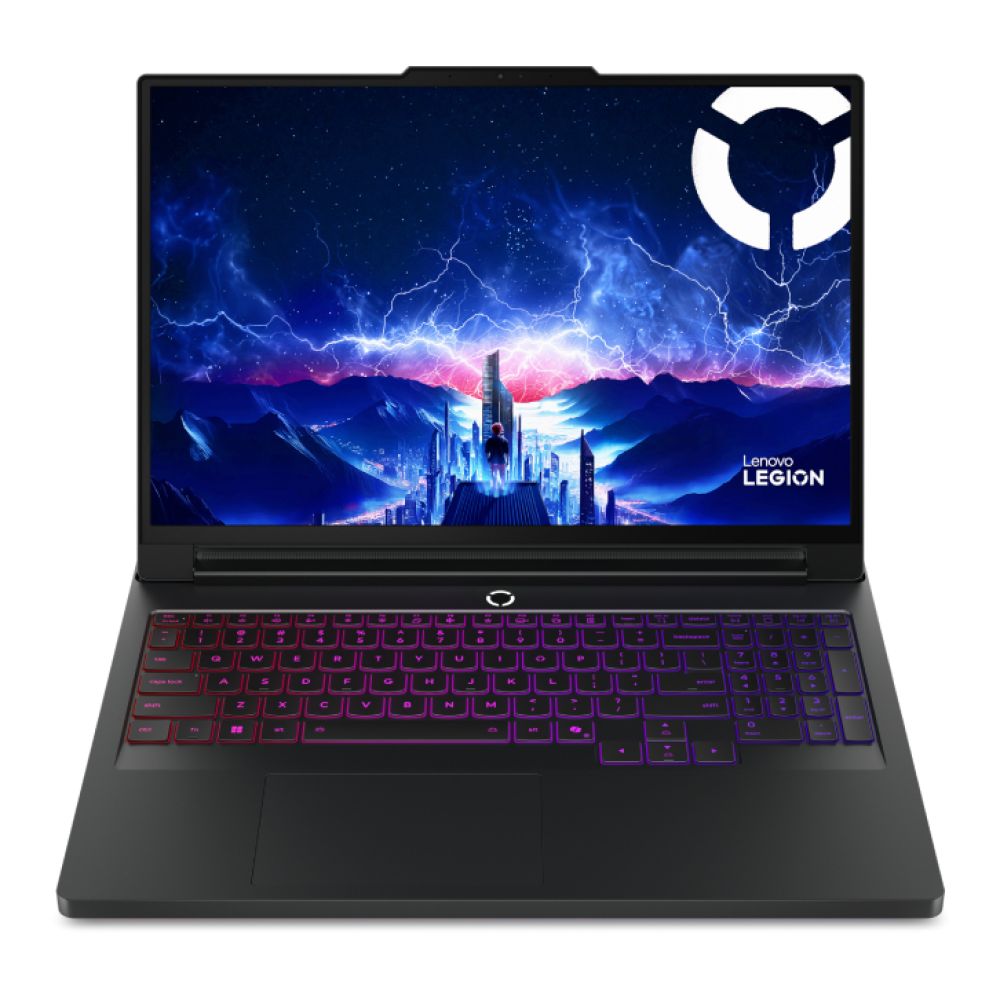
1- Lenovo Legion Pro 7 OLED 16IAX10H (Model: 83F5000UUK)
- Processor: Intel Core Ultra 9 275HX 24-Core Processor
- Graphics: NVIDIA GeForce RTX 5090
- Memory & Storage: 64GB RAM, 1TB SSD
- Display: 16" WQXGA OLED (2560 x 1600)
Ideal For: Gamers who want absolutely no compromises. With RTX 5090 graphics and a flagship Intel Ultra 9 processor, this machine is built for ultra settings, 4K cloud streaming, competitive esports, and heavy content creation. The OLED panel delivers incredible contrast and colour depth, making it perfect for immersive AAA gaming.
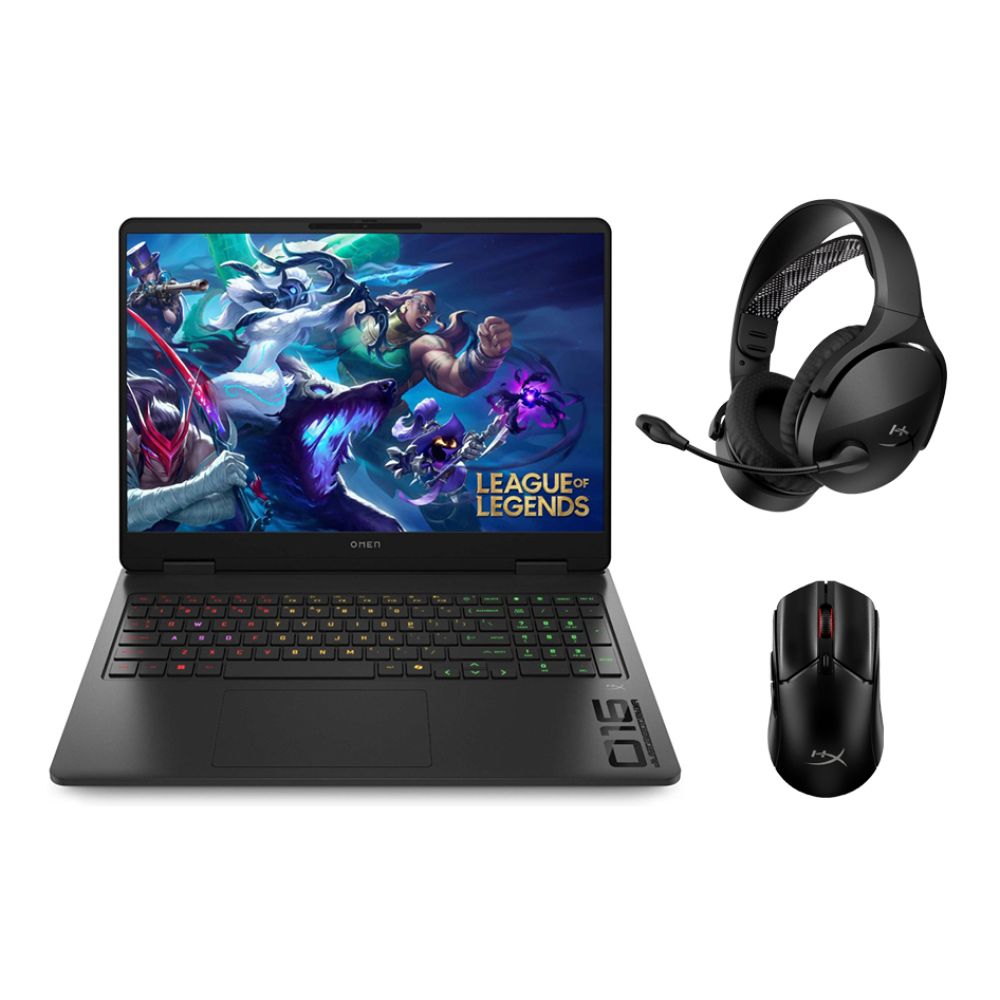
2- HP OMEN Gaming 16-ap0301na (Model: CA1D7EA#ABUBUN)
- Processor: AMD Ryzen 9 8940HX 16-Core Processor
- Graphics: NVIDIA GeForce RTX 5070
- Memory & Storage: 24GB RAM, 1TB SSD
- Display: 16" WQXGA IPS (2560 x 1600)
Ideal For: Gamers who want high-end performance without going full flagship. The RTX 5070 handles modern AAA titles smoothly, while the Ryzen 9 processor keeps multitasking and streaming effortless. A brilliant balance of power, performance, and value for serious cloud and local gaming.
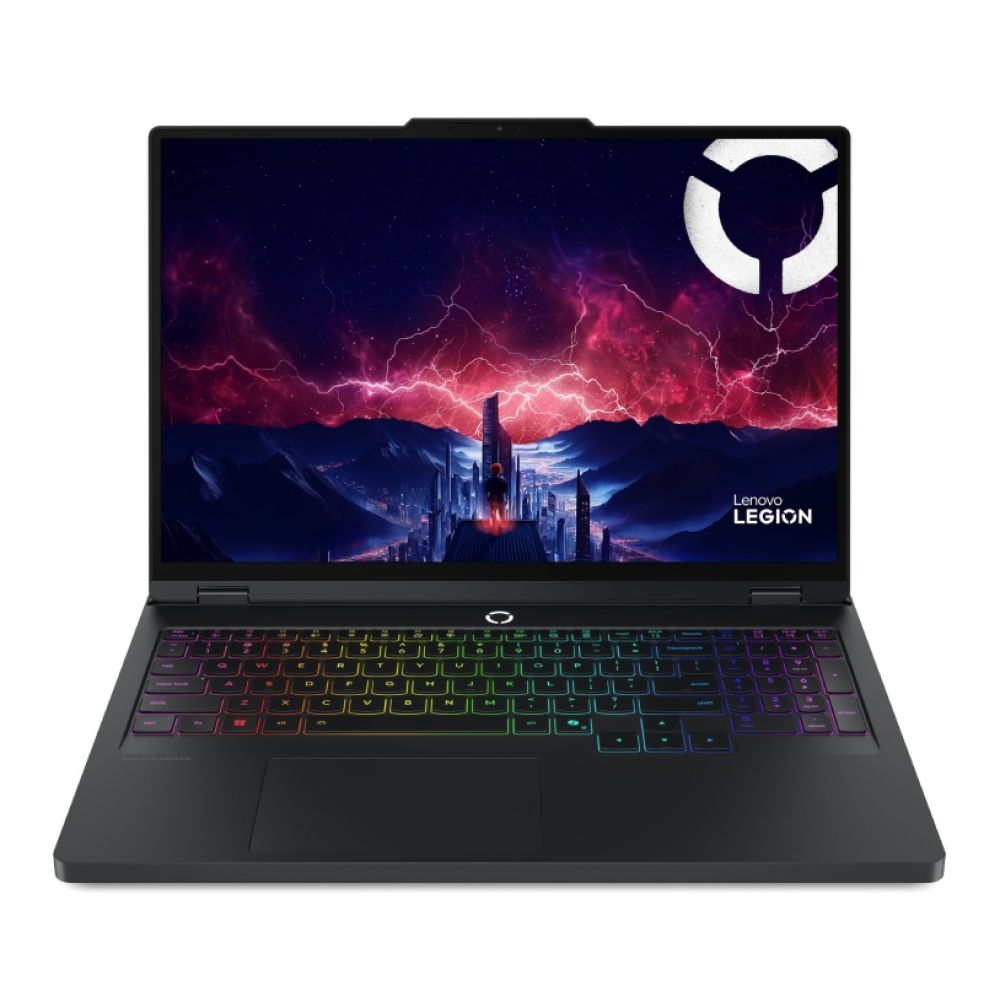
3- Lenovo Legion Pro 5 16AFR10 (Model: 83F20003UK)
- Processor: AMD Ryzen 9 9955HX 16-Core Processor
- Graphics: NVIDIA GeForce RTX 5070
- Memory & Storage: 32GB RAM, 1TB SSD
- Display: 16" WQXGA OLED (2560 x 1600)
Ideal For: Competitive gamers and performance enthusiasts. With a powerful Ryzen 9 CPU and RTX 5070 GPU, this laptop is perfect for high-refresh gaming, demanding titles, and smooth cloud streaming sessions. The OLED display adds deep blacks and punchy visuals for a next-level experience.
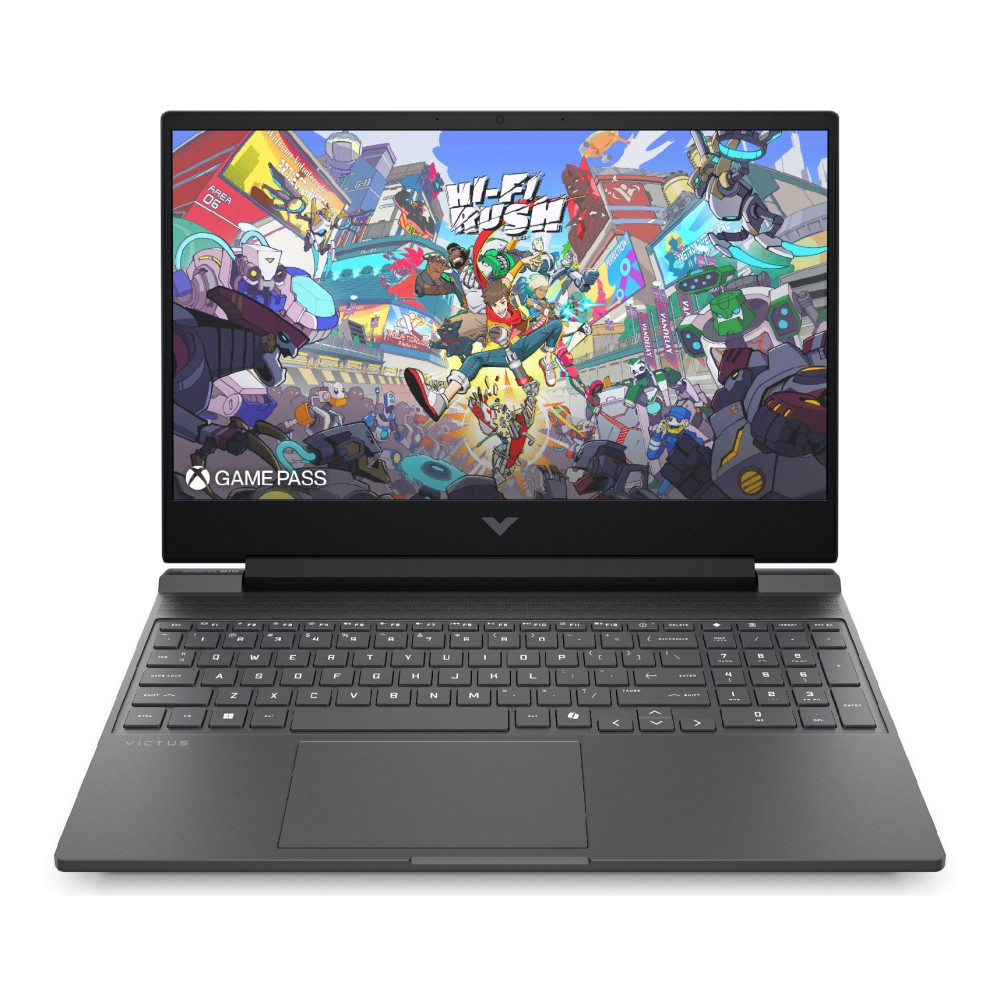
4- HP Victus Gaming 15-fb3008na (Model: C16PSEA#ABU)
- Processor: AMD Ryzen 7 7445H
- Graphics: NVIDIA GeForce RTX 3050
- Memory & Storage: 16GB RAM, 512GB SSD
- Display: 15.6" Full HD IPS (1920 x 1080)
Ideal For: Budget-conscious gamers entering the world of cloud gaming or casual AAA play. The RTX 3050 handles esports titles comfortably, and 16GB RAM ensures smooth multitasking. A strong entry-level gaming laptop without the premium price tag.
5- ASUS ROG Zephyrus G16 GU605CP-QR007W
- Processor: Intel Core Ultra 9 285H 16-Core Processor
- Graphics: NVIDIA GeForce RTX 5070
- Memory & Storage: 32GB RAM, 1TB SSD
- Display: 16" WQXGA OLED (2560 x 1600)
Ideal For: Gamers who want premium design with serious performance. Slim, powerful, and equipped with RTX 5070 graphics, this Zephyrus model is ideal for high-quality cloud streaming, creative workloads, and competitive gaming on the go. The OLED display delivers stunning clarity and contrast.
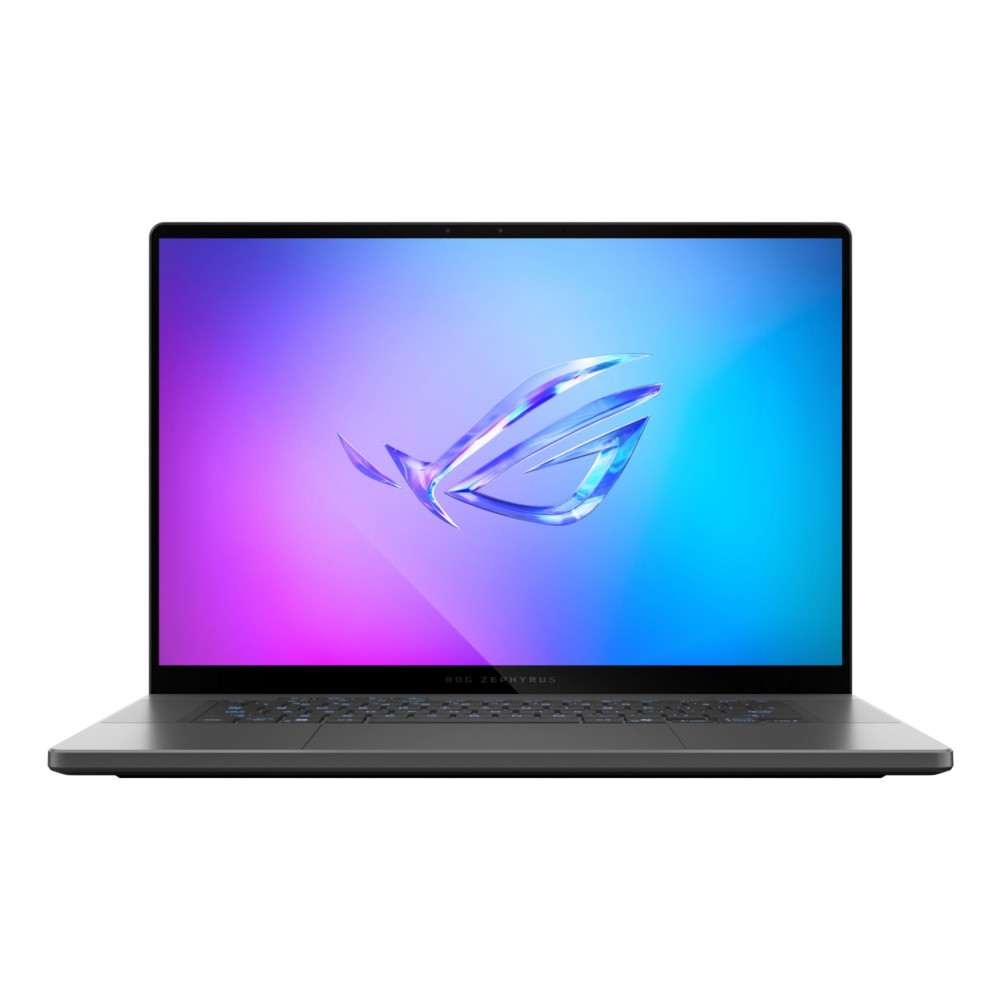
These laptops blend excellent local gaming capabilities with the portability and connectivity needed for seamless gaming on the cloud.
Other Options
Smart TVs, tablets, and even smartphones can access cloud gaming services, but for serious gaming sessions—especially AAA titles—gaming laptops still offer the best combination of portability, power, and versatility.
To explore a curated range of powerful yet affordable gaming laptops, check out Box.co.uk's Gaming Laptop range and find the perfect device for your gaming on the cloud journey.
Cloud Gaming vs Traditional Gaming: Which One's Right for You?
Choosing between cloud gaming and traditional gaming boils down to your lifestyle, needs, and gaming priorities.
Cloud Gaming is Ideal for:
- Casual gamers who don't want to invest heavily in hardware.
- Gamers who prioritise portability and accessibility.
- Players who love sampling new titles without committing to purchases.
Traditional Gaming is Better for:
- Competitive gamers needing precision and minimal latency.
- Players wanting to own physical or digital copies of games.
- Those living in areas with unstable internet connections.
If you travel often, live in a city with excellent broadband, or want to save money on hardware upgrades, cloud-based gaming could be a game-changer for you. However, hardcore esports players and modders might still prefer a powerful gaming rig or console.
With next-gen internet and AI advancements, the lines between these two worlds will blur further, making cloud gaming even more compelling over the next few years.
Is Cloud Gaming Worth It in 2026?
For many players, yes.
If you:
- Don't want to invest £1,000+ in a gaming PC
- Have reliable broadband
- Prefer flexibility over ownership
- Enjoy trying multiple games each month
Cloud gaming can be an incredibly cost-effective option.
However, if you:
- Play competitively at esports level
- Rely on mods
- Have unstable internet
Traditional gaming hardware may still be the better choice.
What Do You Need for Cloud Gaming?
One of the biggest advantages of cloud gaming is how little hardware you actually need. However, there are still a few essentials:
- A stable broadband connection (fibre recommended)
- A compatible device (laptop, smartphone, tablet, smart TV)
- A controller or keyboard and mouse
- A subscription to a cloud gaming service
Unlike traditional gaming, you don't need a high-end GPU or console. Even mid-range laptops can deliver excellent performance, as long as your internet connection is reliable.
The Future of Cloud Gaming: What's Next?
The future of cloud gaming is dazzling, and we're just scratching the surface.
- 5G and Beyond: With 5G becoming widespread and 6G on the horizon, network speeds and latencies will further shrink, enhancing mobile gaming experiences.
- AI in Gaming: Smarter AI will personalise game streams, predict your moves for faster responses, and even enhance game worlds procedurally.
- AR and VR Integration: Expect cloud-powered AR and VR games that don't need a bulky PC or console, making immersive experiences more accessible.
- Global Reach: More countries are investing in high-speed internet, meaning gaming on the cloud will soon become mainstream worldwide, not just in tech-savvy hubs.
In short, cloud gaming is poised to become not just an alternative but a dominant force in the gaming industry, shaping next-gen gaming for years to come.
Conclusion: Welcome to the New Era of Gaming
So, what is cloud gaming? It's a new way to access high-performance games without depending on powerful local hardware. No downloads, no consoles, no hefty investments—just you, your game, and your imagination. As cloud services expand, hardware becomes lighter, and AI makes games smarter, gaming on the cloud will soon be the norm, not the exception. Whether you're kicking off your cloud journey with an affordable Lenovo Laptop UK or diving deep with Xbox Game Pass Ultimate, one thing is clear: the future of gaming is bright, boundless, and beautifully cloud-powered.
Ready to level up? Explore Box.co.uk's Gaming Laptop Collection, and unlock a whole new world of possibilities with cloud gaming today.
Frequently Asked Questions
What is cloud gaming in simple terms?
Cloud gaming allows you to play video games that run on remote servers instead of your own device. The gameplay is streamed to your screen over the internet.
How does cloud gaming work?
When you press a button, your input is sent to a remote server. The server processes the action, renders the graphics, and streams the updated video back to your device in real time.
Do you need a powerful PC for cloud gaming?
No. Since the processing happens in data centres, even mid-range laptops, tablets, and smartphones can run demanding games.
How fast does my internet need to be for cloud gaming?
For smooth performance you need 15 Mbps for 720p, 25 Mbps for 1080p, and 35–50 Mbps for 4K streaming. A stable connection is more important than raw speed.
Is cloud gaming better than traditional gaming?
It depends. Cloud gaming offers flexibility and lower upfront costs, while traditional gaming provides lower latency and full ownership of games.
Can you play cloud gaming offline?
No. Cloud gaming requires an active internet connection because the game runs on remote servers.
You can pay with:
*PayPal Credit Representative Example: Assumed credit limit £1,200, Representative 23.9% APR (variable). Purchase rate 23.9% p.a (variable).Terms & Conditions apply.


PayPal Credit and PayPal Pay in 3 are trading names of PayPal UK Ltd, 5 Fleet Place, London, United Kingdom, EC4M 7RD. Terms and conditions apply. Credit subject to status, UK residents only, Five Tech LTD acts as a broker and offers finance from a restricted range of finance providers. PayPal Pay in 3 is not regulated by the Financial Conduct Authority. Pay in 3 eligibility is subject to status and approval. 18+. UK residents only. Pay in 3 is a form of credit. Check if affordable and how you will repay. May make other borrowing more difficult or expensive. See product terms for more details.
Copyright © 1996-2026 Fivetech LTD | Terms and Conditions
box.co.uk & Box are trading names of Five Tech Limited. Registered office: Box LTD, Unit 10 Woodford Trading Estate, Woodford Green IG8 8HF