


 Menu
MenuMenu


Get Sales Advice from Mon - Fri 9am - 5:00pm:
020 3337 8950LAST UPDATED: July 07, 2026
AMD Ryzen vs Intel in 2026: Which CPU Is Better for Gaming and Everyday Use?
In 2026, the Ryzen vs Intel debate remains at the heart of PC building, with both ecosystems offering impressive choices for gamers, creators and everyday users. From mid-range Ryzen 5 and Core i5 chips that dominate mainstream builds to flagship Ryzen 9 and Core Ultra 9 processors targeting enthusiast rigs, the competition is as intense as ever. AMD's 3D V-Cache designs have pushed Ryzen into the spotlight for gaming performance, while Intel's hybrid core architectures continue to shine in productivity and single-threaded workloads.
This guide cuts through the jargon on whether Ryzen or Intel is better with clear explanations and real examples. We'll compare Ryzen and Intel for gaming, everyday use, content creation, thermals, value and future-proofing, so you can pick the right CPU for your 2026 build. So without further ado, let's get to it.
Ryzen vs Intel – What's the Real Difference?
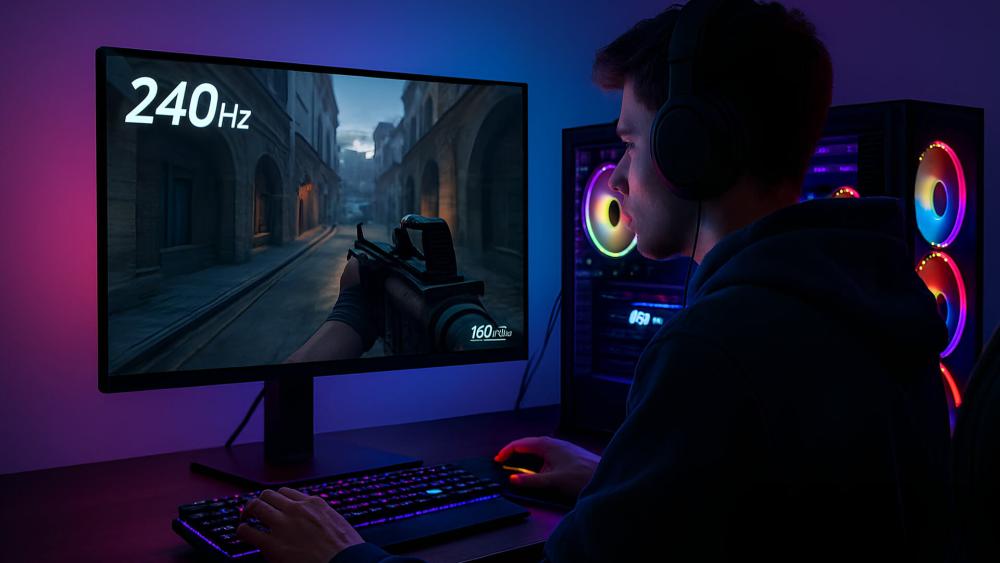
The competition between AMD and Intel has driven major innovation. In 2026, AMD's Ryzen CPUs, especially those with 3D V-Cache, excel at gaming performance thanks to larger cache pools and improved efficiency. On the other hand, Intel's latest processor ranges, such as the Core Ultra series, focuses on hybrid CPU designs with scalable performance, strong single-core boosts, and AI-enhanced workloads.
-
Which Is Better, Ryzen or Intel for Most People?
For everyday tasks such as browsing, media streaming, and office apps, both Ryzen and Intel are more than capable. Neither brand is "bad" here, and choice often comes down to what else you plan to do with your PC. Ryzen tends to offer stronger multi-core performance and efficiency, while Intel can bring high single-core speeds and hybrid performance for light threaded tasks.
-
Ryzen vs Intel Performance at a Glance
|
Aspect |
Ryzen Strength |
Intel Strength |
|
Single-core performance |
Excellent — especially with 3D V-Cache |
Very strong, often leads peak turbo |
|
Multi-core performance |
Great efficiency per watt |
Benefits from hybrid P-core/E-core structure |
|
Gaming |
Often wins CPU-limited scenarios |
Leads in some older esports titles |
|
Productivity |
Excellent at sustained multi-threading |
Hybrid design helps multitasking |
|
Platform longevity |
AM5 supports future CPUs |
Frequent socket changes possible |
-
Is Intel Better Than Ryzen in Any Clear Areas?
Intel CPUs can still shine in specific workloads, especially where single-threaded bursts or hybrid scheduling matters, like some productivity apps or older game engines. But overall in 2026, game-focused CPUs with large cache and efficient architectures (like AMD's X3D chips) often come out on top in tight gaming benchmarks.
Is Ryzen or Intel Better for Gaming?
When it comes to gaming performance in 2026, both AMD and Intel offer strong options, but recent benchmarks show some meaningful trends. AMD's Ryzen processors, especially those with 3D V-Cache, are widely regarded as the strongest performers for gaming workloads this year, while Intel's current Core Ultra and Raptor Lake-derived chips remain competitive in many titles across different budgets.
-
Ryzen vs Intel for Gaming at 1080p
At 1080p, where the CPU can be the primary performance limiter, AMD's 3D V-Cache-equipped chips like the Ryzen 7 9800X3D are frequently at the top of gaming performance charts. These processors leverage large caches to reduce memory latency and boost frame rates, making them excellent choices for high-refresh gaming at lower resolutions.
Intel's flagship offerings, while capable, generally trail behind AMD's X3D models in pure gaming throughput according to aggregated 2026 gaming CPU rankings.
-
Ryzen vs Intel for High-Refresh Competitive Esports
For esports and very high FPS targets, the difference between AMD and Intel narrows. Intel's CPUs can still hold their own in titles that favour very high single-threaded clock speeds, meaning they can deliver competitive frame rates in games like Valorant or Counter-Strike 2 on fast monitors. But even here, AMD's cache advantage keeps frame-time consistency strong, which is a key factor for competitive play.
-
Is Intel Better for Gaming Than Ryzen at the High End?
At the top tier, Intel's Core Ultra series brings capabilities beyond raw clock speed, including strong AI integration and hybrid core designs. However, in traditional gaming benchmarks, AMD's Ryzen X3D chips still tend to produce higher or similar frame rates in a wide set of modern titles. That means Intel's head-to-head advantage in purely gaming-focused workloads is limited, though it may still excel in hybrid or mixed workloads alongside gaming.
-
Does It Even Matter If You're GPU-Bottlenecked?
In real builds, resolution and GPU choice drastically influence gaming performance. At 1440p and 4K, most gamers are limited by the GPU rather than the CPU, meaning the specific choice between Ryzen and Intel has a much smaller impact on overall framerates. For example, with mid-to-high-end graphics cards, the CPU's role often shifts to maintaining stable frametimes rather than boosting peak FPS.
Everyday Use and Productivity – Ryzen vs Intel Beyond Gaming
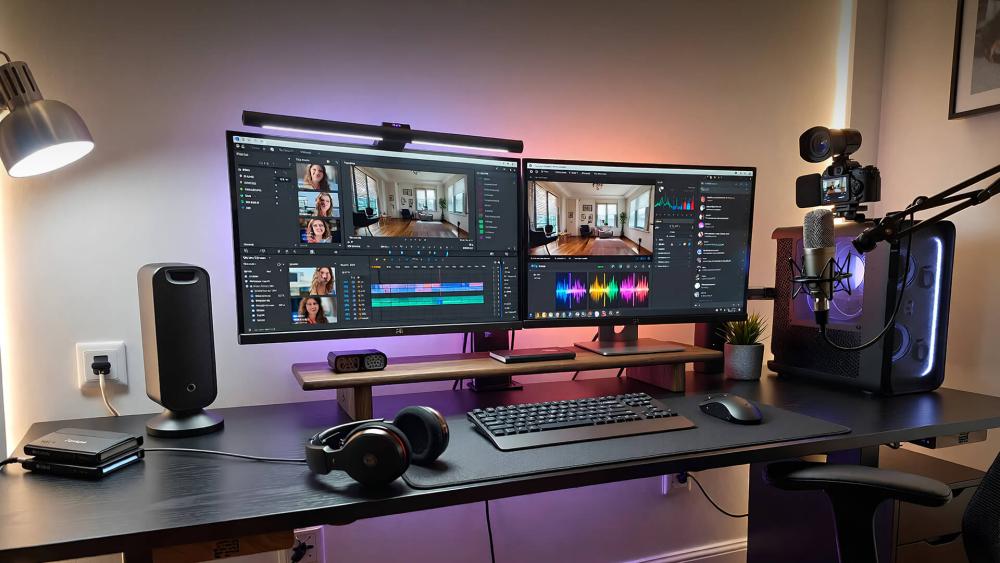
For typical desktop use (web, Office, video streaming etc.), both AMD Ryzen and Intel Core CPUs handle tasks effortlessly. The gaps open up in workloads like video editing, rendering or heavy multitasking, where multi-thread performance matters more.
-
Ryzen vs Intel for Browsing, Office Work and Streaming
For basic tasks, performance differences are negligible. Most modern CPUs can run everyday apps smoothly.
-
Which Is Better for Video Editing and Heavy Multitasking?
In 2026, multi-core beasts like Ryzen 9 and Intel Core Ultra 9 CPUs are strong in content creation. Intel's larger total thread counts can help in hybrid workloads, while AMD's architecture often delivers great throughput per watt.
-
Power Efficiency, Heat and Noise Compared
Ryzen CPUs generally run cooler and more efficiently under sustained load, potentially leading to lower fan noise and better thermal management.
Ryzen 5 vs Intel Core i5 – The Mainstream Gaming Battle
In the mid-range segment, the heart of most gaming builds, AMD Ryzen 5 and Intel Core i5 CPUs remain the most popular choices in 2026. Both families balance price, performance and efficiency, but they take slightly different approaches in how they deliver value. Benchmarks and real-world testing show there isn't a clear universal winner here; instead, the choice depends on how you prioritise gaming performance, power draw, platform features and thermal behaviour.
-
Ryzen 5 vs Intel i5 for 1080p and 1440p Gaming
At typical gaming resolutions like 1080p and 1440p, both Ryzen 5 and Core i5 models offer strong performance, but they pull strengths from different areas:
- AMD's Ryzen 5 CPUs, particularly ones with 3D V-Cache, deliver excellent performance per pound and can punch above their weight in cache-sensitive game scenarios thanks to high L3 cache counts.
Intel's Core i5 parts generally offer slightly higher peak clock speeds and benefit from a hybrid core design that excels in lightly threaded and bursty game scenarios.
In real tests, some Intel i5-series CPUs outpaced Ryzen 5 chips by a small margin in raw frame rates in competitive titles, while AMD holds ground in titles that favour large caches and efficient memory handling.
Key takeaway: For many mainstream gamers, the difference in average FPS is small and can vary by game. Choose based on pricing, platform features, and upgrade plans rather than brand alone.
-
What Intel Processor Is Equivalent to AMD Ryzen 5?
Here's a simple equivalence based on current 2026 performance tiers:
|
AMD Ryzen 5 |
Typical Intel Core i5 Equivalent |
|
Ryzen 5 7500X3D |
Intel Core i5-14600K |
|
Ryzen 5 7600X |
Core Ultra 5 series |
Processors in this bracket typically share similar gaming and general-use capabilities, though exact performance can vary with cooling, motherboard choice and game optimisation.
-
Which Mid-Range CPU Offers the Best Value in 2026?
The mid-range battle isn't just about raw FPS. Value and efficiency matter too:
- AMD Ryzen 5 chips often deliver better power efficiency and thermals, which can translate to quieter systems and lower long-term running costs.
- Intel Core i5 CPUs frequently show a slight lead in multi-threaded productivity and burst gaming performance, thanks to the hybrid P-core/E-core architectural approach.
Prices fluctuate based on retailer and stock, but because both lines cover a wide price range, you'll often find a budget-friendly i5 or Ryzen 5 at competitive prices. Gaming performance at 1440p tends to converge as the GPU becomes more of the bottleneck, so savvy builders may prefer to invest savings into a stronger graphics card.
Ryzen 7 vs Intel Core i7 – Gamers Who Also Create
At the high-end mainstream level, AMD's Ryzen 7 and Intel's Core i7 families sit in a sweet spot for gamers who also stream, edit videos or create content. Both offer strong gaming chops alongside multi-core performance that handles creative workloads comfortably, but they have slightly different strengths depending on how you use your PC.
-
Ryzen 7 vs Intel i7 for Gaming and Streaming
When balancing gaming and content creation, AMD's Ryzen 7 X3D chips are often at the top of the gaming charts thanks to large L3 cache and efficient core designs, giving high average frame rates in many modern titles. Meanwhile, Intel Core i7 CPUs leverage a hybrid architecture with a mix of performance and efficiency cores that shines in mixed workloads like gaming while streaming or recording, particularly when software can utilise multiple threads.
In straightforward gaming benchmarks, AMD's X3D-equipped Ryzen 7 CPUs frequently post slightly higher or similar frame rates compared with Intel i7 parts at equivalent prices, especially at 1080p where the CPU more directly influences performance. But in scenarios where productivity and multitasking matter alongside gaming, Intel's larger thread counts and hybrid design can make a noticeable difference.
-
What Intel Processor Is Equivalent to AMD Ryzen 7?
In performance tiers around the mid-to-high mainstream class, here's a simple equivalence based on recent 2026 comparisons:
|
AMD Ryzen 7 |
Intel Core Equivalent |
|
Ryzen 7 X3D series |
Intel Core Ultra 7 265K / Core i7-14700K |
(Representative equivalences based on current CPUs and benchmarks)
Both families target gamers and creators looking for high performance without stepping into the flagship Ryzen 9 or Intel i9 tiers meaning they balance core counts, clocks and price for mixed-use workloads. If you want, you can check out our guide on the best gaming CPU picks to compare more options in detail and choose the right one.
-
When Is Ryzen 7 Worth It Over Ryzen 5 or Intel i5?
The step up to a Ryzen 7 or Intel Core i7 makes sense when your PC workload goes beyond just gaming:
- Streaming + gaming: The extra threads and cache help keep livestreaming, voice chat and gameplay running smoothly together.
- Creative workloads: If you regularly edit video, render 3D scenes, compile code or multitask heavy applications, the higher core and thread counts in this tier offer real productivity gains over mid-range chips.
- Future-proofing: Ryzen 7 and i7 CPUs generally support more advanced features and higher-bandwidth memory, which can extend the useful life of your system before needing another upgrade.
For many users in 2026, Ryzen 7's cache-enhanced gaming performance and Intel i7's strong multi-threaded throughput make both strong contenders. So the best pick often comes down to price, platform features and workload priorities rather than brand alone.
Ryzen 9 vs Intel Core i9 – High-End and "Overkill" CPUs
At the absolute top of the consumer desktop hierarchy, AMD Ryzen 9 and Intel Core i9 or Core Ultra 9 chips represent enthusiast-level performance for both gaming and heavy workloads. These processors are designed for users who want maximum performance in gaming, livestreaming, content creation, and multi-threaded productivity without compromise.
-
Ryzen 9 vs Intel i9 for 4K and High-Refresh Gaming
In raw gaming performance, flagship AMD CPUs like the Ryzen 9 9950X3D tend to hold a slight real-world edge thanks to large 3D V-Cache, which helps keep frame rates high and smooth in CPU-sensitive titles. Benchmarks comparing the Ryzen 9 9950X3D with Intel's Core Ultra 9 285K show that the Ryzen often outperforms Intel in gaming tests, particularly where cache-heavy workloads matter.
That said, the differences in gaming performance between high-end Ryzen 9 and Intel i9/Core Ultra 9 chips at 4K are relatively small compared with their overall capabilities, especially once you're paired with a powerful GPU and the game becomes more GPU-limited than CPU-limited.
In productivity and multi-threaded workloads such as rendering, compiling or video editing, the two camps trade blows: some benchmarks show the Core Ultra 9 pulling ahead in certain multi-core measures, while AMD's Ryzen 9 remains competitive or superior in others.
-
What Intel Processor Is Equivalent to AMD Ryzen 9?
At the high-end flagship tier, the following equivalence reflects typical performance groupings in current 2026 comparisons:
|
AMD Ryzen 9 |
Intel Core i9/Core Ultra Equivalent |
|
Ryzen 9 X3D series (e.g., 9950X3D) |
Intel Core Ultra 9 285K |
These pairings are based on real performance hierarchies and benchmark groupings across gaming and productivity workloads.
-
Do You Really Need a Ryzen 9 or i9 Just for Gaming?
For pure gaming, stepping up to a Ryzen 9 or Intel i9/Core Ultra 9 is often overkill for most players unless you're chasing every possible frame in CPU-bound situations or planning heavy multitasking alongside gaming.
In many modern titles, the gap between a high-end Ryzen 7/Core i7 and a flagship Ryzen 9/Core Ultra 9 is small, especially once a high-end GPU becomes the performance limiter at resolutions like 1440p or 4K. Because of that, many gamers find that Ryzen 7 or Core i7 chips deliver nearly identical gaming results at lower cost and with better value per pound.
Choosing Between Ryzen and Intel – Practical Buying Advice
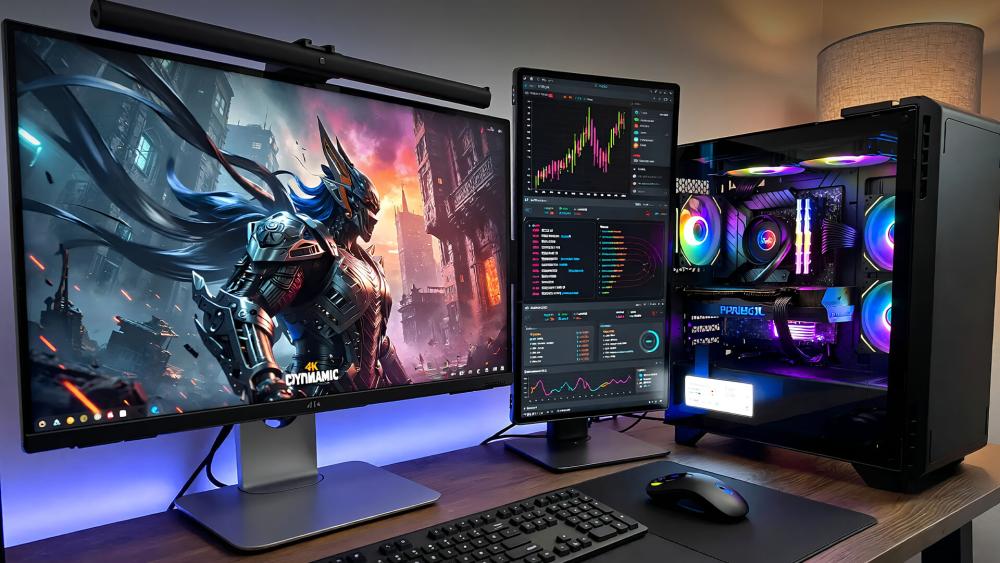
Here's a simple guide to help you decide which CPU class makes sense for your next gaming PC:
- How to Decide Between Ryzen and Intel for Your Next Gaming PC
- 1080p Gaming on a Budget: Ryzen 5 or Intel Core i5 deliver strong performance with excellent value.
- Competitive High-FPS Gaming: Consider AMD X3D-equipped Ryzen chips or Intel Core Ultra options for tight frame-time consistency and responsiveness.
- Gaming + Creation: Ryzen 7/9 or Intel Core Ultra 7/9 strike a good balance between gaming, streaming and creative workloads.
- Should You Upgrade CPU, GPU, or Both?
If your current CPU isn't bottlenecking performance dramatically but your GPU is dated, upgrading the GPU usually delivers larger gaming gains than a CPU swap alone, especially at 1440p and 4K resolutions where graphics performance dominates. Conversely, if your GPU is already strong but your system lags in demanding multitasking or high refresh gaming, a CPU upgrade has more impact.
-
When to Stick with Your Current Platform and When to Switch
If your motherboard supports the latest generation AMD or Intel CPUs and offers features you need (like PCIe 5.0 and fast DDR5 memory), sometimes a simple CPU upgrade is all you need to refresh your system's performance. But if your platform is older or lacks future-proof capabilities, a full platform upgrade with new CPU plus motherboard and memory may be the smarter long-term choice. If you want more help choosing a CPU for your build, our processor buying guide is a must-read.
Wrapping Up
In 2026 the rivalry between AMD Ryzen and Intel Core CPUs still has no absolute winner. But it does have clear patterns that help you choose the right chip for your needs. Both ecosystems bring strong performance to the table, and the "better" choice ultimately depends on how you plan to use your PC.
For gaming, especially at 1080p and high refresh rates, AMD's X3D-equipped Ryzen processors often lead the charts thanks to large cache sizes and efficient architecture. That makes them standouts for competitive and CPU-sensitive titles. Intel's Core Ultra and high-end i9 chips remain very capable, particularly in titles that favour high clock speeds and hybrid core designs, so difference in real-world play is often modest.
When you factor in everyday use, streaming and productivity, both Ryzen and Intel perform excellently, but Intel's strengths in multi-core throughput can give it an edge in heavy creative workloads, while AMD's efficiency and AM5 upgrade path appeal to long-term builders.
For most mainstream and mid-range builds, Ryzen 5 and Intel Core i5 families deliver solid value, and stepping up to Ryzen 7 or Core i7 gives you breathing room for multitasking and content creation. If you're a high-end creator or enthusiast, Ryzen 9 and Intel Core Ultra 9 options both deliver top-tier performance, though for pure gaming many users find a high-end Ryzen or i7 class chip offers the best balance of performance per pound.
So, in summary:
- AMD typically offers excellent gaming performance and efficiency.
- Intel balances single-threaded punch and productivity strengths.
- The best choice depends on your budget and whether you prioritise gaming, creative work, or a mix of both.
No matter which brand you choose, both Ryzen and Intel CPUs give you powerful foundations for a great gaming or productivity PC in 2026. You just match the chip to what matters most in your build.
FAQs:
-
Is Ryzen Better Than Intel?
It depends on your focus: AMD Ryzen often leads in gaming and multi-core efficiency, while Intel's hybrid cores provide excellent single-core and AI-enhanced performance.
-
Is Intel Better Than Ryzen for Gaming?
Intel can be strong in some titles, but AMD's Ryzen X3D CPUs frequently deliver top gaming results in 2026.
-
Which Is Better, Ryzen or Intel for Gaming in 2026?
Both are excellent, but AMD's gaming-optimised chips often hold the edge.
-
Is Ryzen or Intel Better for Everyday Use?
For everyday tasks, both brands are more than capable; differences appear mostly in heavy workloads.
-
What Intel Processor Is Equivalent to AMD Ryzen 7?
Intel Core Ultra 7 265K or Core i7-14700K are common equivalents for Ryzen 7 X3D tier CPUs.
You can pay with:
*PayPal Credit Representative Example: Assumed credit limit £1,200, Representative 23.9% APR (variable). Purchase rate 23.9% p.a (variable).Terms & Conditions apply.


PayPal Credit and PayPal Pay in 3 are trading names of PayPal UK Ltd, 5 Fleet Place, London, United Kingdom, EC4M 7RD. Terms and conditions apply. Credit subject to status, UK residents only, Five Tech LTD acts as a broker and offers finance from a restricted range of finance providers. PayPal Pay in 3 is not regulated by the Financial Conduct Authority. Pay in 3 eligibility is subject to status and approval. 18+. UK residents only. Pay in 3 is a form of credit. Check if affordable and how you will repay. May make other borrowing more difficult or expensive. See product terms for more details.
Copyright © 1996-2026 Fivetech LTD | Terms and Conditions
box.co.uk & Box are trading names of Five Tech Limited. Registered office: Box LTD, Unit 10 Woodford Trading Estate, Woodford Green IG8 8HF