


 Menu
MenuMenu


Get Sales Advice from Mon - Fri 9am - 5:00pm:
020 3337 8950LAST UPDATED: July 06, 2026
Original vs Compatible Ink Cartridges: Save Money or Risk Print Quality?
Choosing between original vs compatible ink cartridges is usually a choice between lower running costs and more predictable print quality.
Original cartridges are made by the same brand as your printer. Compatible ink cartridges are made by a third-party company and designed to work with specific printer models. Both can print, both can save or cost you money in different ways, and both make sense for different types of users.
The right choice depends on what you print, how often you print and how much risk you are comfortable with. If you mostly print schoolwork, forms and everyday documents, compatible cartridges can make sense. If you print photos, colour-heavy work, client documents or anything where consistency matters, original cartridges are usually safer.
Quick answer: Original cartridges are usually best for print quality, reliability, photo printing and warranty peace of mind. Compatible ink cartridges are usually better for low-cost everyday printing, draft documents and users who print often enough to care about cost per page.
Original vs Compatible Ink Cartridges at a Glance
| Question | Original Cartridges | Compatible Ink Cartridges |
|---|---|---|
| Made by | Printer manufacturer | Third-party supplier |
| Also called | OEM cartridge, genuine cartridge, original cartridge | Third-party ink cartridge, replacement ink cartridge |
| Best for | Quality, reliability, photos, colour accuracy | Lower-cost everyday printing |
| Upfront cost | Usually higher | Usually lower |
| Print consistency | Usually more predictable | Can vary by supplier |
| Printer compatibility | Designed for the exact printer range | Must be checked carefully |
| Warranty confidence | Usually stronger | Depends on printer brand and issue |
| Best user | Photo, business, professional or low-risk users | Budget-conscious home users |
What Are Original and Compatible Ink Cartridges?
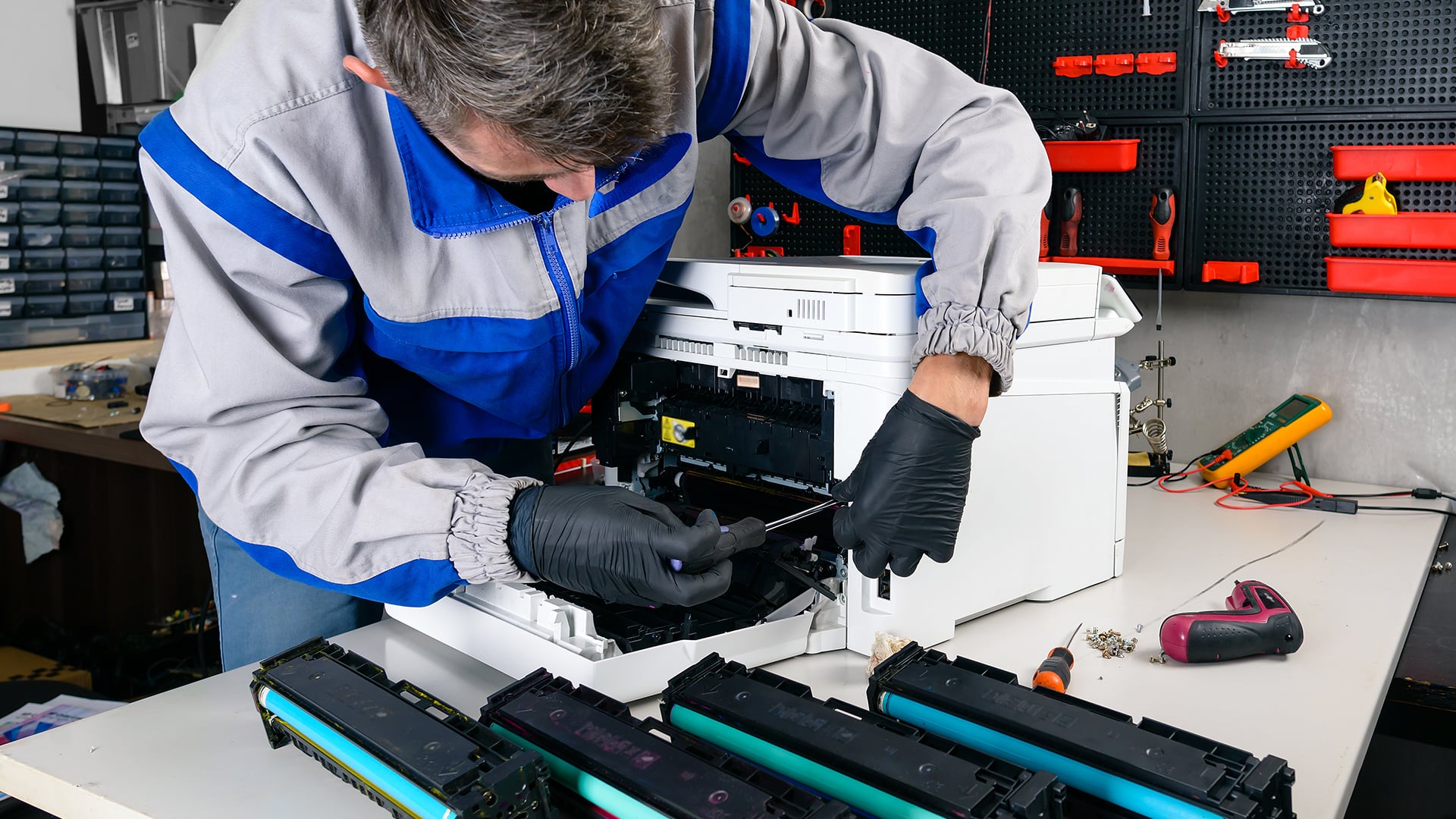
The original vs compatible ink cartridges comparison starts with who makes the cartridge.
An original cartridge is made by the printer brand. A compatible cartridge is made by another company but designed to fit and work with selected printers.
Both are printing supplies. The difference is quality control, price, reliability, and how closely the cartridge is designed around the printer’s ink system.
Original Cartridges
Original cartridges are the genuine cartridges made by the manufacturer of your printer. If, for example, you own an Epson printer, an Epson-made cartridges are the OEM cartridges. If you own a Canon printer, Canon-made ink is the original manufacturer cartridge.
Original cartridges are designed around the printer’s printhead, ink delivery system, firmware, and colour profile. That usually means fewer compatibility issues and more consistent results with this branded printer ink.
Compatible Cartridges
Compatible ink cartridges are made by third-party manufacturers. They are new cartridges designed to work with specific printer models.
They are not the same as counterfeit cartridges. A compatible cartridge should be clearly sold as a third-party alternative, not as a fake version of the original brand’s product.
People often buy compatible ink cartridges because they are cheaper than original cartridges. That can make them appealing for home printing, schoolwork, draft documents and frequent low-cost printing.
Remanufactured Printer Ink Cartridges
Remanufactured printer ink cartridges are different again.
These usually start as used original cartridges. They are cleaned, refilled, tested, and resold. Quality can vary depending on the remanufacturing process.
Compatible vs Remanufactured vs Original
| Cartridge Type | What It Means | Main Benefit | Main Risk |
|---|---|---|---|
| Original cartridge | Made by the printer brand | Best reliability and quality | Higher price |
| Compatible cartridge | New third-party cartridge | Lower upfront cost | Quality and recognition can vary |
| Remanufactured cartridge | Refilled and restored used cartridge | Can reduce cost and waste | Mixed consistency |
| Counterfeit cartridge | Fake branded cartridge | None worth relying on | Poor quality and possible printer issues |
When comparing original vs compatible ink cartridges, avoid anything that looks like a fake branded product. A proper compatible cartridge should be sold honestly as compatible, not disguised as genuine.
Cost Comparison: Are You Really Saving Money?
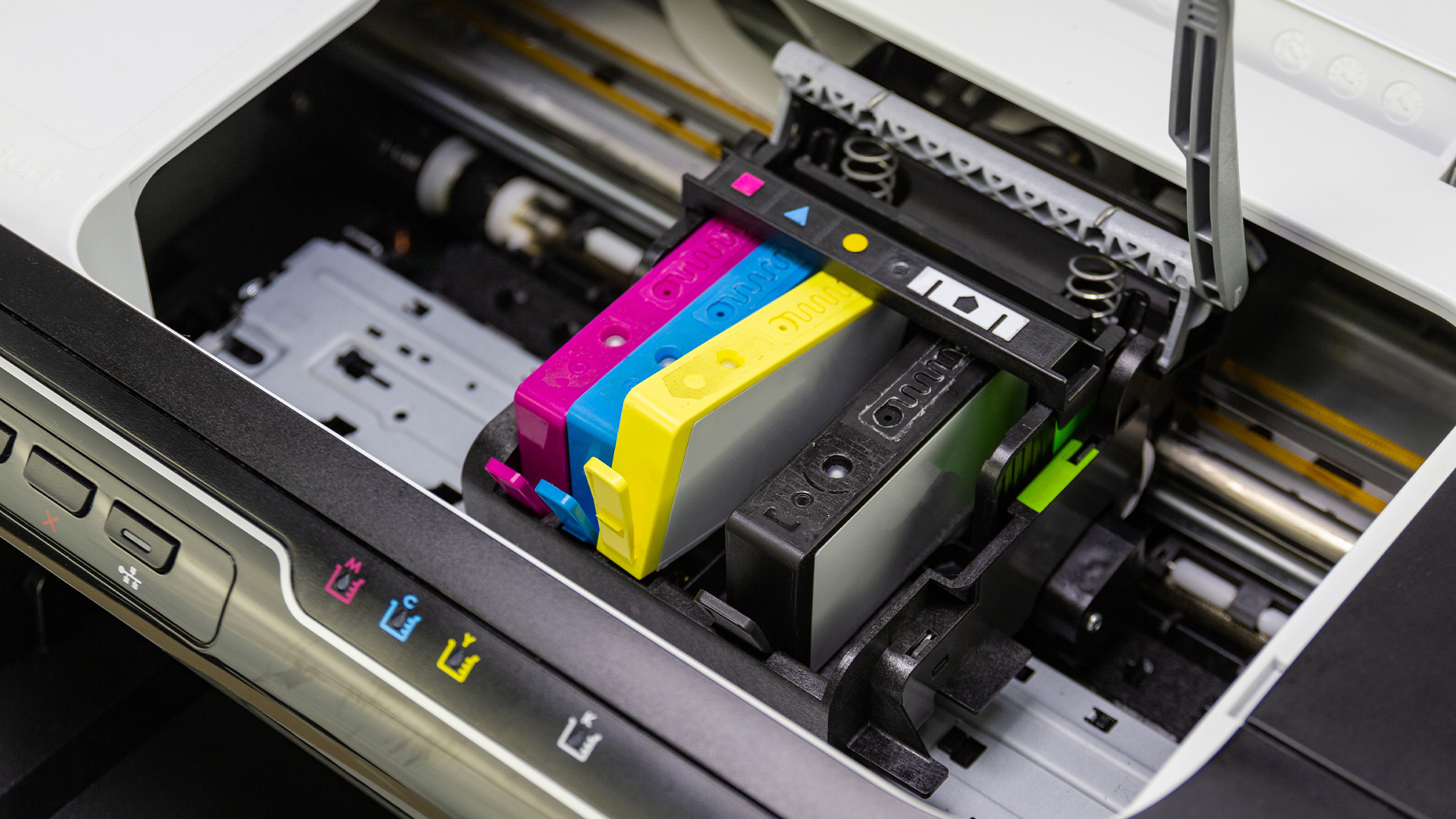
The biggest reason people choose compatible ink cartridges is cost.
Original cartridges often cost more because they are made, tested, and supported by the printer manufacturer. Compatible cartridges usually cost less because they come from third-party suppliers and often compete mainly on price.
That does not automatically mean compatible cartridges are always better value. You need to look at cost per page and print success, not just the price on the box.
Upfront Cost Differences
| Cost Factor | Original Cartridge | Compatible Cartridge |
|---|---|---|
| Purchase price | Usually higher | Usually lower |
| Multi-pack value | Often available | Often cheaper |
| Risk of wasted prints | Lower | Depends on quality |
| Replacement frequency | Depends on page yield | Depends on page yield and quality |
| Best value for | Reliable results | Budget printing |
If you print a lot of draft documents, compatible ink cartridges may save money. If you waste paper and ink because colours are off or prints are streaky, the saving can disappear quickly.
For general printing supplies, it is useful to compare printer ink and toners before buying so you can check cartridge type, printer compatibility, and replacement cost.
Cost Per Page
Cost per page is the better way to compare cartridges ink, toner, and other consumables.
It looks at how much each printed page costs, not just how much the cartridge costs.
A simple way to think about it:
Cost per page = cartridge price ÷ estimated page yield
For example:
| Cartridge Price | Page Yield | Approx. Cost Per Page |
|---|---|---|
| £30 | 300 pages | 10p |
| £20 | 250 pages | 8p |
| £45 | 600 pages | 7.5p |
The cheaper cartridge is not always the cheapest to run if it prints fewer usable pages.
Long-Term Value
Long-term value depends on your habits.
Compatible ink cartridges may be better value if:
- You print lots of everyday documents
- You do not need perfect colour accuracy
- You use a reliable compatible supplier
- You print often enough to use the ink
- You are comfortable checking compatibility
Original cartridges may be better value if:
- You print photos
- You need consistent colour
- You print client documents
- You want fewer printer warnings
- You want the least hassle
- You rarely print and want dependable results
The real question is not just “which is cheaper?” It is “which gives me the best result for the kind of printing I actually do?”
Print Quality and Performance
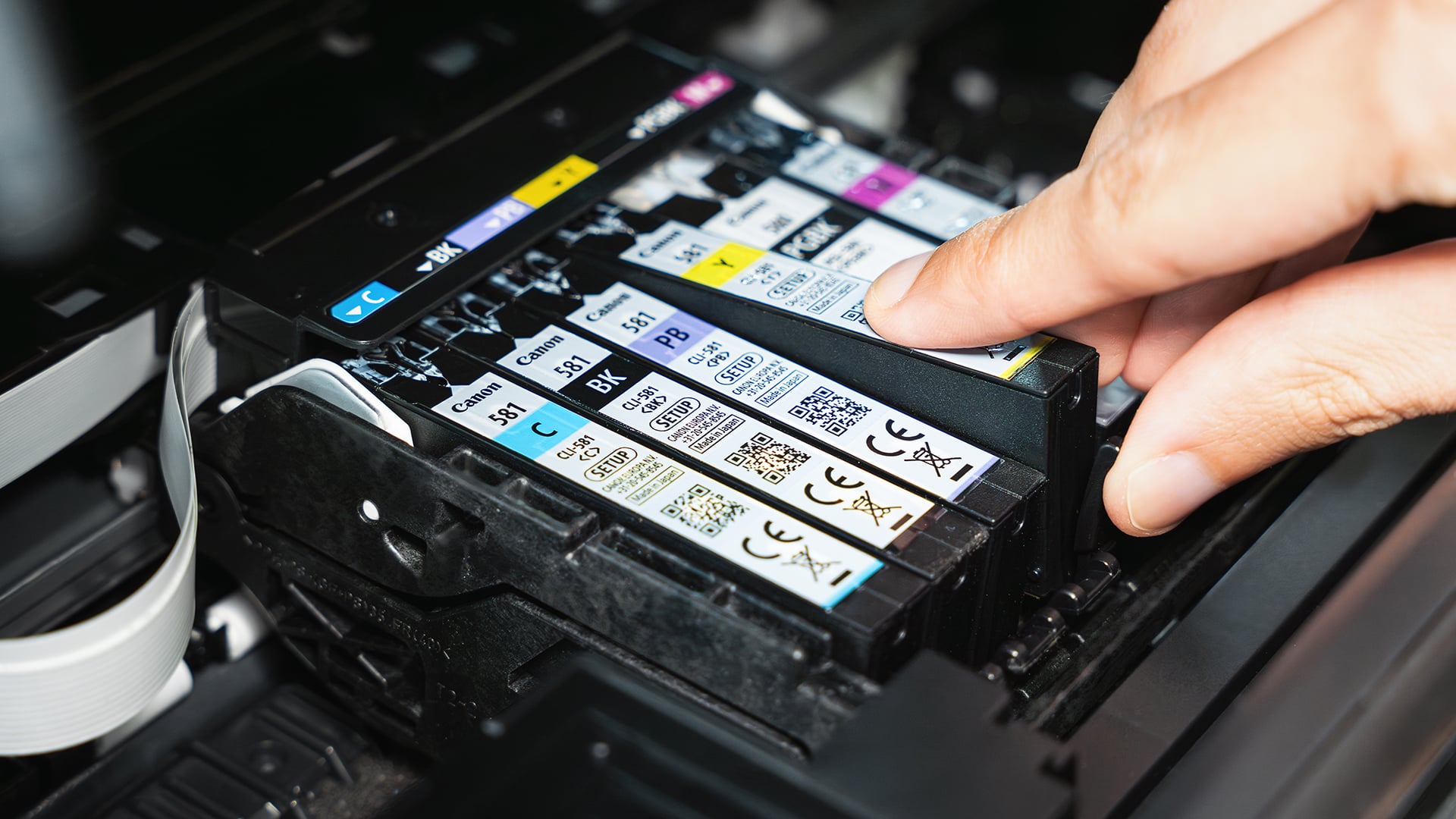
Print quality is where original cartridges usually have the advantage.
That does not mean compatible ink cartridges are always poor. Many can handle everyday documents well. The difference is consistency.
Original printer ink is usually designed to match the printer’s colour profile, printhead, and paper handling. Compatible cartridges can vary more depending on the supplier, ink formula and cartridge chip.
Colour Accuracy and Clarity
For colour-heavy printing, original cartridges usually perform better.
This matters for:
- Photos
- School projects with images
- Marketing materials
- Colour reports
- Artwork
- Presentations
- Product images
- Client-facing documents
Inkjet printers rely heavily on ink quality for colour accuracy and smooth gradients. If you care about colour, photo detail, or clean image output, original cartridges are often the safer choice.
If colour output is a key reason you are buying a printer, compare colour printing inkjet devices before deciding on cartridge type.
Everyday Printing Results
For everyday home printing, compatible ink cartridges can be perfectly acceptable.
They often work well for:
- Homework
- Draft documents
- Recipes
- Forms
- Tickets
- Notes
- Basic letters
- Everyday black text
If the page only needs to be readable, compatible ink can be good enough. If the page needs to look professional, original ink is usually more reliable.
Consistency Over Time
One of the biggest differences in the original vs compatible ink cartridges debate is consistency.
Original cartridges are more likely to produce the same output from one cartridge to the next. Compatible cartridges can be more variable, especially if you switch between different third-party suppliers.
Possible issues with lower-quality compatible cartridges include:
- Faded colours
- Streaky prints
- Ink smudging
- Poor cartridge recognition
- Inaccurate ink levels
- Blocked nozzles
- More cleaning cycles
- Shorter usable life
That does not mean all compatible cartridges are bad. It means supplier quality matters.
Risks and Considerations
Compatible ink cartridges can save money, but there are trade-offs.
The main risks are compatibility, print quality, warranty uncertainty, and reliability. These risks are usually lower if you buy from a reputable supplier and choose cartridges matched exactly to your printer model.
Printer Compatibility Issues
Not every compatible cartridge works with every printer, even if it looks similar.
Check:
- Printer brand
- Printer model
- Cartridge code
- Region compatibility
- Firmware notes
- Chip recognition
- Colour pack details
- Page yield
Some printers may show warnings when third-party ink cartridges are installed. Others may not read ink levels properly. Firmware updates can also affect cartridge recognition on some models.
Warranty Concerns
Warranty concerns are one of the biggest reasons people stick with genuine cartridges.
Using a compatible cartridge does not always automatically void a printer warranty, but if a printer fault is caused by a third-party cartridge, the repair may not be covered in the same way.
That is why original cartridges are usually the lower-risk choice for newer printers, business printers, and devices still under warranty.
Potential Print Quality Problems
The most common print quality problems with cheaper ink supplies include:
| Problem | Possible Cause |
|---|---|
| Faded output | Weak ink density or poor cartridge flow |
| Colour shift | Ink formula does not match original profile |
| Streaks | Nozzle issue or inconsistent flow |
| Smudging | Ink drying or paper compatibility issue |
| Missing colours | Cartridge not recognised or blocked nozzle |
| Ink leakage | Poor cartridge construction |
| Frequent cleaning cycles | Printer trying to clear printhead issues |
If you already get inconsistent results, switching to unknown compatible cartridges may make troubleshooting harder.
When Compatible Cartridges Make Sense
Compatible ink cartridges make the most sense when your main priority is lower-cost printing and you do not need perfect output every time.
They are often a sensible choice for home users who print a lot of basic documents.
Low-Cost Printing Needs
Compatible cartridges can help reduce costs for:
- Draft documents
- Study notes
- Worksheets
- Basic forms
- Internal paperwork
- Personal admin
- Temporary prints
- Everyday black-and-white pages
If you print often, small savings per page can add up.
Everyday Document Printing
For everyday documents, compatible ink cartridges can be a practical option.
Choose them if:
- You print mainly text
- Colour accuracy is not critical
- You are not printing professional work
- You have an older printer
- You are comfortable troubleshooting occasional warnings
- You buy from a reputable supplier
Budget-Conscious Users
If your printer is older and already out of warranty, compatible cartridges may be easier to justify.
They can also make sense for families, students, and home users who need to keep printing costs down.
Just avoid the absolute cheapest unknown cartridges. A poor compatible cartridge can waste paper, cause messy output, and create more hassle than it saves.
When Original Cartridges Are Worth It
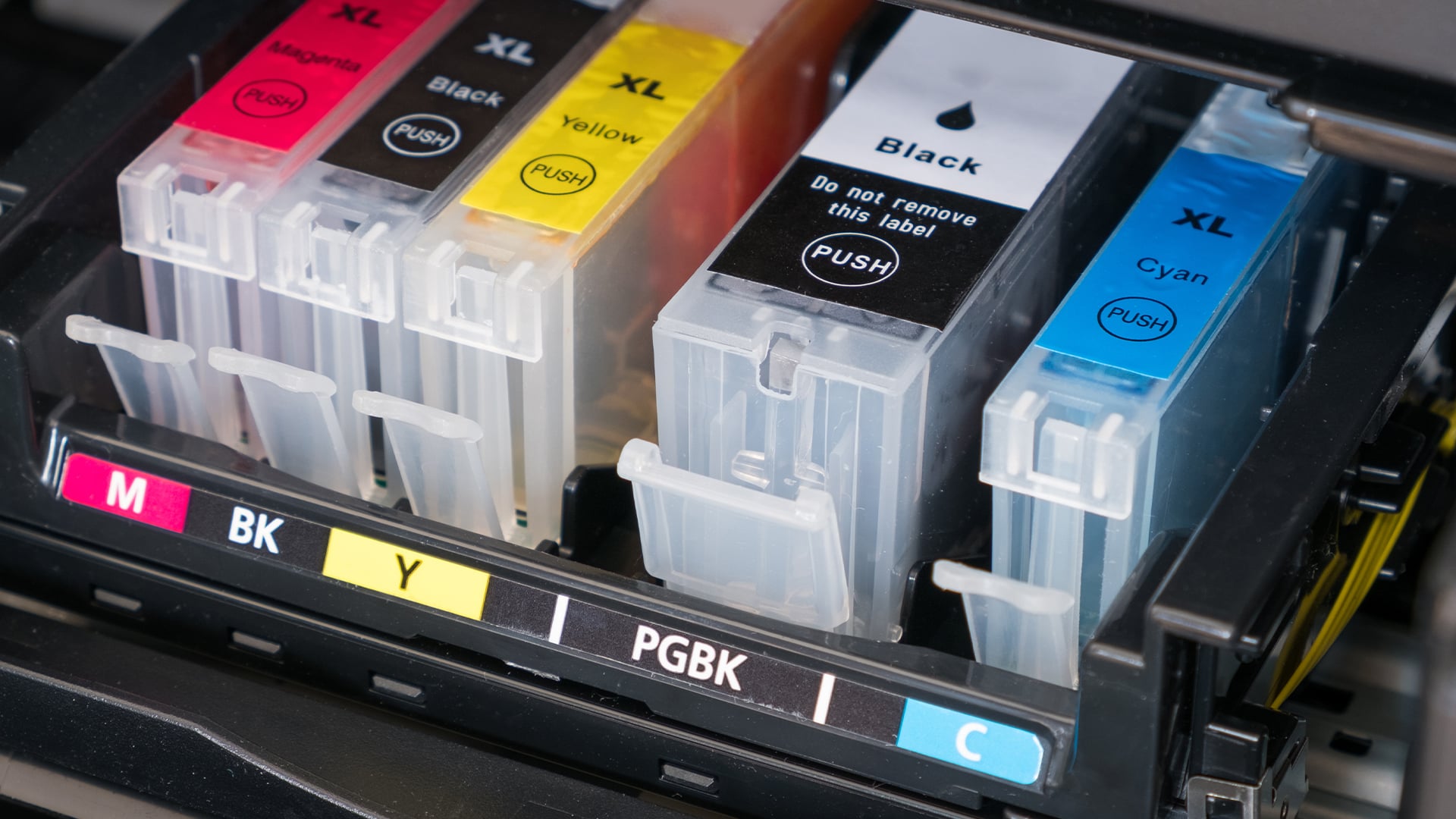
Original cartridges are worth it when quality, reliability and peace of mind matter more than the lowest possible cost.
They are the safer choice for professional, photo and colour-sensitive printing.
High-Quality Printing Requirements
Choose genuine cartridges if you print:
- Client documents
- Business proposals
- Colour reports
- Certificates
- Photos
- Portfolio work
- Design proofs
- Documents where presentation matters
A few pounds saved on ink is not worth it if the final document looks poor.
Professional and Photo Printing
Photo printing is one of the strongest reasons to choose original cartridges.
Original ink is usually better for:
- Colour accuracy
- Skin tones
- Smooth gradients
- Sharp detail
- Glossy paper results
- Long-term consistency
If you print photos regularly, also use the right paper. Even genuine ink cannot perform at its best on poor-quality paper.
Long-Term Reliability
Original cartridges can also reduce friction.
They are usually more predictable for:
- Printer recognition
- Ink level reporting
- Printhead performance
- Firmware compatibility
- Repeatable results
- Warranty confidence
If your printer is used for work, originals are usually worth the higher price.
Ink vs Toner: Do the Same Rules Apply?
While they may often be confused, ink and toner are different.
Ink is liquid and used in inkjet printers. Toner is powder and used in laser printers.
Ink vs Toner
| Feature | Ink | Toner |
|---|---|---|
| Used in | Inkjet printers | Laser printers |
| Form | Liquid | Powder |
| Best for | Colour and photo printing | Fast document printing |
| Main consumable | Ink cartridge | Toner cartridge |
| Drying risk | Can dry if unused | Does not dry like liquid ink |
| Common use | Home colour printing | Office and document printing |
If you mainly print high-volume documents, toner printers may be a better long-term option than constantly replacing ink cartridges. If you want more details, we have a detailed ink vs toner comparison that you can read.
The original vs compatible question still exists with toner, but toner printers have different costs, risks and maintenance needs.
How to Choose the Right Option
The best choice depends on your printer, budget and print quality needs.
Choose Based on Usage
| Your Printing Habit | Better Choice |
|---|---|
| Photos and colour-heavy prints | Original cartridges |
| Everyday text documents | Compatible cartridges may be fine |
| Schoolwork and homework | Compatible or original, depending on colour needs |
| Business documents | Original cartridges |
| Draft printing | Compatible cartridges |
| Occasional printing | Original cartridges or good-quality compatible |
| Older printer | Compatible cartridges may make sense |
| New printer under warranty | Original cartridges are safer |
Choose Based on Budget
If cost is the priority, compatible ink cartridges are worth considering.
If reliability is the priority, original cartridges are usually better.
If you want a middle ground, look for:
- High-yield original cartridges
- Multipacks
- Reliable compatible brands
- Reputable retailers
- Cartridge recycling schemes
- Printers with lower running costs
- Ink tank printers if you print a lot
Choose Based on Print Quality
| Quality Need | Recommended Cartridge |
|---|---|
| Basic readable text | Compatible may be enough |
| Crisp everyday documents | Either, if compatible is reliable |
| Accurate colour | Original |
| Photos | Original |
| Client-facing work | Original |
| Internal drafts | Compatible |
| Long-term consistency | Original |
If you are replacing the printer as well as the cartridges, browse high quality computer printers and compare running costs before choosing a model.
Practical Buying Checklist
Before buying original or compatible cartridges, check these details.
Cartridge Checklist
| Check | Why It Matters |
|---|---|
| Printer model | Avoids buying the wrong cartridge |
| Cartridge code | Confirms compatibility |
| Original or compatible | Sets quality and risk expectations |
| Page yield | Helps compare value |
| Colour pack | Avoids missing colours |
| Warranty position | Important for newer printers |
| Supplier reputation | Reduces compatible cartridge risk |
| Return policy | Useful if the cartridge is not recognised |
| Reviews | Helps avoid poor-quality products |
Red Flags to Avoid
Avoid cartridges that:
- Do not list your printer model
- Have unclear compatibility claims
- Use fake branding
- Have no return information
- Have lots of poor reviews
- Look unusually cheap compared with all alternatives
- Do not state page yield
- Use confusing product names
The phrase “compatible cartridge” should mean compatible with your exact printer, not just roughly similar.
Final Thoughts: Save or Stick with Original?
The original vs compatible ink cartridges decision comes down to risk, quality, and cost.
Choose original cartridges if you want the most reliable results, better colour accuracy, stronger photo printing and fewer printer recognition issues. They cost more, but they are usually the safest choice for work, photos, colour-heavy documents and newer printers.
Choose compatible ink cartridges if you want to reduce printing costs and mostly print everyday documents. They can offer good value, especially for draft work, school printing, and older printers, but quality depends heavily on the supplier.
The best option is not the same for everyone.
Use this simple rule:
- Best for photos: Original cartridges
- Best for business documents: Original cartridges
- Best for everyday drafts: Compatible cartridges
- Best for older printers: Compatible cartridges can make sense
- Best for lowest hassle: Original cartridges
- Best for lowest cost: Compatible cartridges, if bought carefully
A cheap cartridge is only a saving if it prints properly. A genuine cartridge is only worth the higher price if the quality and reliability matter to you. Match the cartridge to the job, not just the price.
FAQs
-
Are compatible ink cartridges as good as originals?
Compatible ink cartridges can be good for everyday printing, draft documents, and basic home use. Original cartridges are usually better for consistent quality, colour accuracy, photo printing, and reliability. The quality of compatible cartridges depends heavily on the supplier.
-
What is the difference between original ink and compatible ink?
Original ink is made by the same brand as the printer and is designed for that printer range. Compatible ink is made by a third-party company and designed to work with selected printer models. Original ink usually offers more predictable quality, while compatible ink usually costs less.
-
Are original cartridges worth the higher price?
Original cartridges are worth the higher price if you print photos, professional documents, colour-heavy work or anything where consistency matters. They are also a safer choice for newer printers still under warranty.
-
Can compatible cartridges damage your printer?
Good-quality compatible cartridges should not normally damage a printer when used correctly, but poor-quality cartridges can cause leaks, printhead clogs, recognition issues or poor output. Always buy cartridges matched to your exact printer model from a reputable supplier.
-
Do compatible ink cartridges void printer warranty?
Using compatible ink cartridges does not always automatically void a printer warranty, but if a printer fault is caused by a third-party cartridge, the repair may not be covered. Check your printer brand’s warranty terms before using non-original ink in a newer printer.
-
Are remanufactured printer ink cartridges the same as compatible cartridges?
No. Compatible cartridges are usually new third-party cartridges. Remanufactured printer ink cartridges are usually used original cartridges that have been cleaned, refilled and tested for reuse.
-
Which is cheaper, original or compatible ink cartridges?
Compatible ink cartridges are usually cheaper upfront. However, the best value depends on page yield, print quality, wasted prints and whether the cartridge works reliably with your printer.
You can pay with:
*PayPal Credit Representative Example: Assumed credit limit £1,200, Representative 23.9% APR (variable). Purchase rate 23.9% p.a (variable).Terms & Conditions apply.


PayPal Credit and PayPal Pay in 3 are trading names of PayPal UK Ltd, 5 Fleet Place, London, United Kingdom, EC4M 7RD. Terms and conditions apply. Credit subject to status, UK residents only, Five Tech LTD acts as a broker and offers finance from a restricted range of finance providers. PayPal Pay in 3 is not regulated by the Financial Conduct Authority. Pay in 3 eligibility is subject to status and approval. 18+. UK residents only. Pay in 3 is a form of credit. Check if affordable and how you will repay. May make other borrowing more difficult or expensive. See product terms for more details.
Copyright © 1996-2026 Fivetech LTD | Terms and Conditions
box.co.uk & Box are trading names of Five Tech Limited. Registered office: Box LTD, Unit 10 Woodford Trading Estate, Woodford Green IG8 8HF