


 Menu
MenuMenu


Get Sales Advice from Mon - Fri 9am - 5:00pm:
020 3337 8950LAST UPDATED: November 05, 2025
From Rumour to Reality: Upcoming OLED / Touchscreen MacBooks - UK Release Dates & What to Expect
The wait for a MacBook Touch Screen might finally be coming to an end. After years of speculation and cautious comments from Apple executives, reports suggest the tech giant is preparing to bring both OLED displays and touch capability to future MacBook models. If true, this marks one of the biggest design leaps in Mac history, combining the sharpness of OLED technology with the intuitive control of touch.
For creative professionals, gamers, and everyday users, the idea of a MacBook Touch Screen is an exciting one. Imagine sketching directly on the display, using intuitive gestures to edit videos, or gaming with touch-enabled precision. It’s a change that could redefine how we interact with Apple laptops and bring macOS closer to the hands-on feel of iPadOS.
In this guide, we’ll explore what’s driving Apple’s shift towards OLED and touch technology, the latest rumours around the MacBook UK release date, and how the new design stacks up against powerful Windows rivals from brands. Whether you’re planning an upgrade or simply curious about Apple’s next move, here’s everything you need to know.
The Evolution Towards a MacBook Touch Screen:
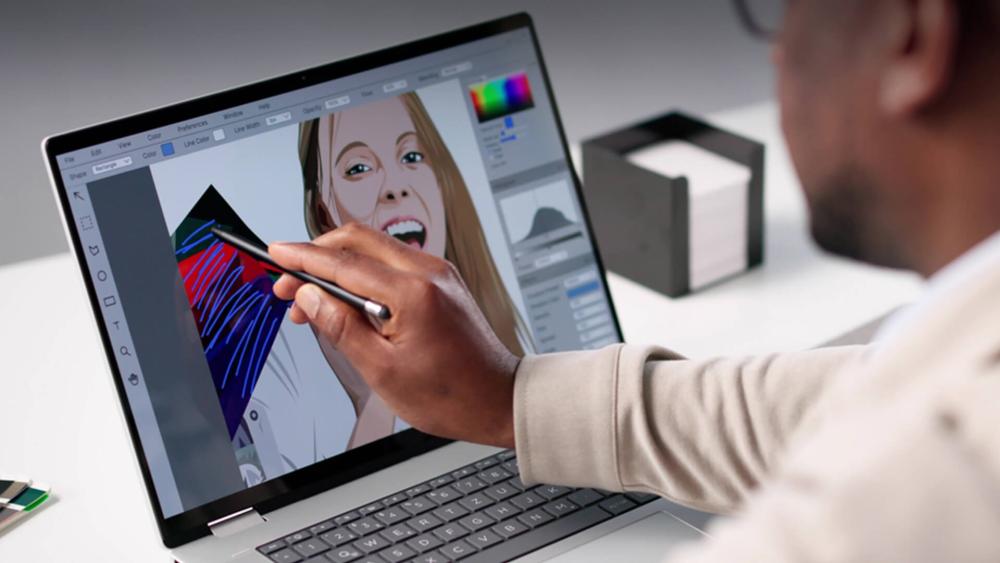
For years, Apple stood firm on one thing; no MacBook Touch Screen. The company believed that touch interfaces were best suited for iPads, while MacBooks were designed for precision input with a trackpad and keyboard. But as touchscreen laptops have become the new normal, Apple seems ready to join the fold.
The idea of a MacBook Touch Screen isn’t new; whispers of it have circled the rumour mill for over a decade. What’s changed now is user behaviour and expectations. Many professionals and students are used to hybrid setups, typing one moment, sketching or scrolling the next. This blend of productivity and creativity has become second nature, and Apple knows it can’t ignore that shift forever.
Competitor Windows laptops have paved the way, offering flexible and high-performance touchscreen designs. Devices such as the Dell XPS 9640 have proven that touch integration doesn’t have to compromise quality or performance. Apple’s design philosophy has always been about seamless user experiences, so if anyone can make a touch interface feel truly natural on macOS, it’s them.
A MacBook Touch Screen could bridge the gap between the MacBook and iPad ecosystems, creating a unified workflow for creatives, coders, and gamers alike. Imagine designing in Photoshop with the same intuitive gestures you use on your iPad, or navigating multiple windows with simple taps and swipes. That’s the kind of precision Apple is reportedly perfecting behind the scenes.
The shift also mirrors wider market trends. Touchscreen and hybrid devices, especially those running Windows, have seen strong adoption among users wanting flexibility without sacrificing power. Apple’s entry would redefine what premium laptops can do, taking a familiar concept and giving it that refined Cupertino polish.
OLED MacBook – What We Know So Far
The rumour mill isn’t just buzzing about touchscreens. Apple’s upcoming OLED MacBook is set to bring a serious leap in display technology. OLED (Organic Light Emitting Diode) panels deliver richer colours, deeper blacks, and better energy efficiency than traditional LCD or even mini-LED displays. For creative professionals, this could mean the most colour-accurate laptop Apple has ever made.
Apple first introduced mini-LED panels with the MacBook Pro, but OLED represents the next step forward. The difference lies in how pixels are illuminated. While mini-LEDs use multiple backlights, OLED pixels light up individually, offering perfect black levels and infinite contrast. This means that an OLED MacBook would deliver punchier visuals, improved HDR performance, and smoother gradients, ideal for video editing, design, and even high-end gaming.
When it comes to comparisons like mini-LED vs OLED, OLED takes the win for pure visual fidelity. Mini-LED still has advantages in peak brightness, but OLED wins in contrast, colour uniformity, and eye comfort, thanks to reduced flicker and improved motion clarity. And with Apple’s display calibration expertise, the first MacBook Touch Screen models with OLED tech could easily become the new benchmark for creative workstations.
The timing also feels right. Windows manufacturers have already made OLED mainstream in premium laptops, such as the HP’s sleek Spectre x360 14. Apple has a history of refining technologies others have pioneered, and it’s likely the company will push OLED further by combining it with their ProMotion 120Hz refresh rate and True Tone display tuning for the ultimate smooth, natural experience.
For everyday users, OLED will make films look more cinematic, text crisper, and games more immersive, all while maintaining incredible power efficiency. Pair that with Apple’s expected next-gen M6 chip, and it’s easy to see why this MacBook Touch Screen generation is already being called a game-changer.
Rumoured Specs and Features
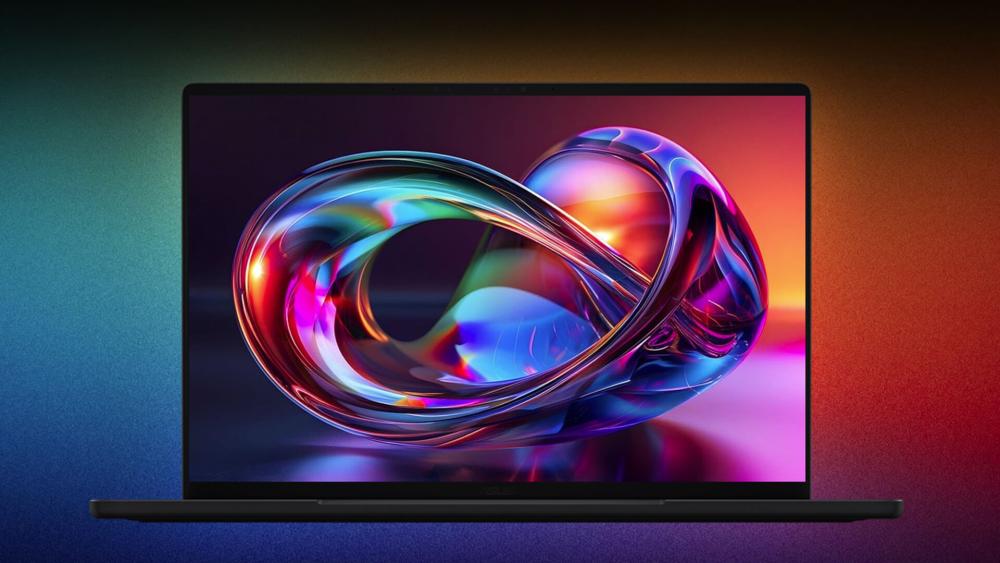
As anticipation builds around the upcoming MacBook Touch Screen, the leaks and reports paint a clear picture of Apple’s next major laptop evolution. If the rumours are accurate, the new models will blend breakthrough display technology, impressive performance, and all-day efficiency, essentially redefining what a premium laptop should feel like.
M6 Chip:
Let’s start with the brains behind it. Apple is expected to debut its M6 chip, a next-generation processor designed for even better efficiency and performance. Built on an advanced fabrication process, it should bring higher core counts, faster graphics, and an AI-ready neural engine to keep up with the latest creative and productivity demands.
That extra power means the upcoming MacBook Touch Screen will be capable of handling demanding workflows like 8K video editing, high-end gaming, and real-time 3D rendering, all while keeping cool and whisper quiet.
OLED & ProMotion:
The display tech will be the real showstopper. The OLED MacBook lineup is rumoured to feature a 120Hz ProMotion display for ultra-smooth visuals. Expect richer contrast, HDR capabilities, and finer detail that will make it a dream for photo editors and content creators who need absolute precision.
OLED technology will also boost efficiency, allowing Apple to claim up to 24-hour battery life, perfect for users constantly on the move.
Design Refinement:
Physically, the new models could introduce a lighter, thinner design thanks to OLED panels being slimmer than mini-LED counterparts. Early leaks also hint at smaller bezels and an edge-to-edge screen for a cleaner, more immersive experience.
Apple may also tweak the keyboard, trackpad, and speakers to make the device more tactile and refined, cementing the MacBook Touch Screen as one of the most advanced laptops ever built.
While Apple refines its design ethos, competitors aren’t sitting idle. High-end Windows laptops have already set strong performance and display standards in the OLED category. Apple’s challenge will be not just to match these benchmarks but to surpass them through tighter integration between hardware and macOS.
If the whispers are true, Apple’s upcoming models might finally deliver the dream combination of a touch-enabled, OLED-powered MacBook with best-in-class endurance and visuals, and that’s something both creators and everyday users have been waiting for.
When Will the MacBook Touch Screen Arrive in the UK?
The million-pound question everyone’s asking: when will the OLED and touchscreen MacBooks actually land in the UK? While Apple has yet to confirm anything officially, multiple credible industry reports suggest we could see the first MacBook Touch Screen models hit shelves in mid to late 2026.
According to display industry insiders, Apple has been working closely with suppliers like Samsung and LG Display to develop next-generation OLED panels specifically tailored for laptops. These suppliers are already gearing up for large-scale OLED production, which aligns neatly with Apple’s expected MacBook UK release date. The timeline hints that the first models to feature OLED screens will likely be the MacBook Pro OLED variants, followed by the standard MacBook Air range a few months later.
Apple tends to roll out major hardware innovations gradually as it’s part of their perfectionist DNA. We saw a similar pattern when mini-LED technology debuted on the iPad Pro before coming to the MacBook Pro lineup. That same approach is likely here: OLED will make its grand entrance in the premium segment first, giving professionals the most advanced visuals and touch functionality before it becomes mainstream.
The timing also makes sense strategically. By 2026, Apple’s silicon roadmap will be well into the M6 chip era, and macOS will almost certainly have deeper touch and gesture integration ready to go. This makes the release of a MacBook Touch Screen not only plausible but perfectly timed for both power users and creatives who’ve been waiting for that next leap.
For anyone considering a laptop upgrade in the meantime, Apple’s current MacBook Pro models remain some of the most capable on the market, especially for those who prioritise performance, battery life, and long-term reliability. But if you’re someone who craves the cutting edge, the next generation of OLED and touch-enabled MacBooks might just be worth the wait.
What the Touchscreen Means for Creatives and Gamers
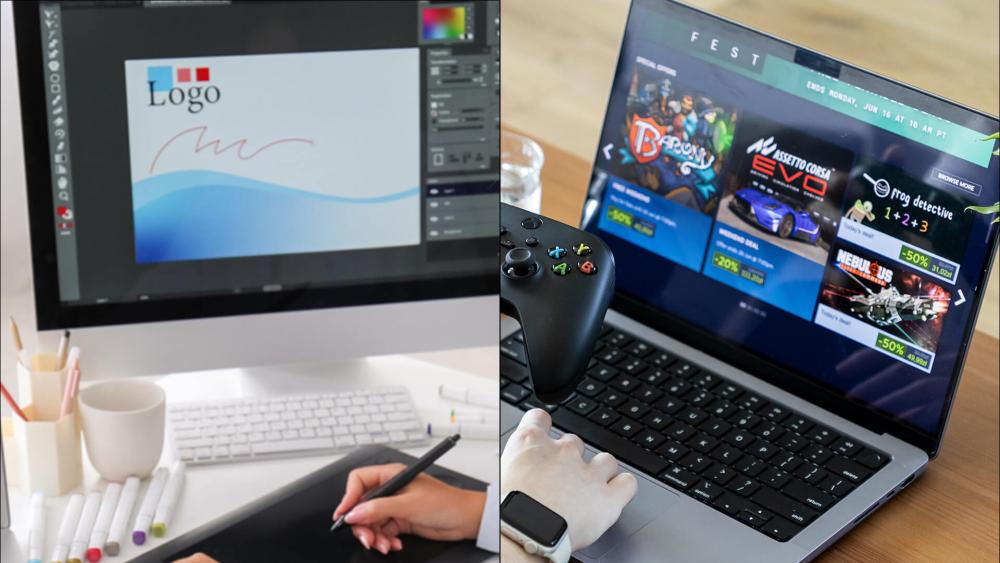
If there’s one group that stands to benefit the most from a MacBook Touch Screen, it’s creatives and gamers. Apple’s hardware has long been a favourite among designers, photographers, and video editors, but adding a responsive touchscreen could completely transform how these professionals interact with their tools.
Creative Professionals:
For creatives, touch functionality means hands-on control without relying on peripherals. Imagine retouching images in Photoshop with your fingertips, or sketching directly onto a MacBook display using intuitive gestures. A touchscreen MacBook would bridge the gap between the iPad and MacBook, combining the versatility of touch input with the power of desktop software. That’s something artists and animators have been asking for, and Apple might finally deliver it.
Gaming Enthusiasts:
Gamers, too, could gain a new level of immersion. Touch support would open up new gameplay experiences, from interactive indie titles to cloud gaming platforms that already support touch input. Pair that with OLED visuals and ProMotion 120Hz, and the result could be one of the most fluid and visually stunning gaming laptops ever made.
Hybrid Users:
The MacBook Touch Screen would also appeal to hybrid users, those who split their time between creative projects and productivity tasks. With improved multitouch gestures and potentially stylus compatibility, macOS could evolve into a truly dynamic workspace. Apple is reportedly fine-tuning macOS to ensure that touch controls feel as smooth and natural as they do on iPads, all without compromising precision or workflow efficiency.
That said, Apple will be entering a space already mastered by the Windows ecosystem. Devices like the 2-in-1 touchscreen laptop models from HP and ASUS have proven how effective touch can be in creative workflows. The HP Spectre x360 14 is a standout example, offering flexibility and OLED brilliance in one sleek package. If Apple’s implementation is as refined as expected, it could raise the bar even higher and redefine what “creative-friendly” laptops look like.
For gamers and professionals alike, the upcoming MacBook Touch Screen could be a major turning point, blending intuitive input, rich visuals, and raw power into one cohesive experience.
Should You Wait or Buy Now?
With all the excitement surrounding the upcoming MacBook Touch Screen, it’s fair to ask: should you hold off until Apple’s OLED models arrive, or grab one of the excellent laptops available right now? The answer depends on what you need from your next machine.
If you’re the type who always wants the latest and greatest, waiting for the OLED MacBook could be worth it. With its rumoured M6 chip, OLED display, and touch support, Apple’s next-gen MacBook lineup will likely set new standards for both performance and design. Add to that a possible 24-hour battery life and lighter, thinner design, and you’re looking at a laptop that could outclass nearly everything on the market. For professionals and enthusiasts who can afford to wait until the expected MacBook UK release date in 2026, patience may well pay off.
However, if you need a new machine right now, there’s no shortage of stellar options. Apple’s current MacBook Pro models remain top-tier for performance, build quality, and battery efficiency, especially for creative tasks. On the other hand, the Windows OLED laptops category is booming, with various models delivering excellent OLED visuals and versatility today.
If portability is key, consider the ASUS Zenbook 14 OLED (UX3405). It’s slim, light, and offers stunning colour accuracy, making it ideal for creators and students alike. And for those looking to enhance their setup, a few smart additions like laptop bags and accessories can help you get the most out of your device now, while keeping your future MacBook upgrade in mind.
Ultimately, Apple’s next leap looks promising, but today’s top-tier laptops already deliver phenomenal performance and visuals. Whether you buy now or wait for the MacBook Touch Screen, it’s a win-win situation for anyone who values quality, design, and cutting-edge display tech.
Wrapping Up:
The long-rumoured MacBook Touch Screen is shaping up to be one of Apple’s most significant laptop innovations in years. By merging OLED display technology with touch capability, Apple is finally addressing two long-standing requests from users; richer visuals and more intuitive interaction. For professionals and gamers alike, this marks a new era of performance, creativity, and convenience.
The upcoming OLED MacBook isn’t just a hardware refresh; it’s the next step in Apple’s evolution of the Mac. Expect a lighter, thinner design, powered by the efficient M6 chip, and capable of delivering up to 24-hour battery life. Add a ProMotion 120Hz OLED panel and potentially stylus support, and the future MacBook could redefine what a premium laptop looks and feels like.
Apple’s timing couldn’t be better. The market is ready as Windows OLED laptops like the Dell XPS and HP Spectre series have proven that OLED displays elevate the laptop experience. But Apple’s trademark is refinement: seamless integration of hardware and software. When it launches, the MacBook Touch Screen won’t just catch up to its rivals but is likely to surpass them in typical Apple fashion.
Whether you plan to wait for the MacBook UK release date or invest in the current MacBook lineup, one thing’s clear, Apple’s next move is set to raise the bar for laptop design, display quality, and performance across the board. The MacBook has always been about precision, creativity, and longevity, and now, touch is the next piece of that puzzle.
FAQs
1. Is the MacBook getting a touchscreen?
Yes, according to multiple reports, Apple is developing a MacBook Touch Screen model expected to debut around 2026. It will combine OLED display technology with multitouch functionality, something fans have been asking for over a decade.
2. When is the OLED MacBook Pro expected to launch?
Industry insiders suggest that the MacBook Pro OLED models will arrive first, likely in mid to late 2026, followed by the standard MacBook Air variants later on.
3. What are the advantages of OLED screens in laptops?
OLED displays offer better contrast, deeper blacks, richer colours, and improved power efficiency compared to LCD or mini-LED panels, making them ideal for creatives and gamers who need colour-accurate laptops.
4. Will the MacBook Touch Screen support Apple Pencil?
Apple hasn’t confirmed this yet, but rumours hint that future models could support stylus input or gestures similar to those on iPads, enhancing creative flexibility.
5. How does mini-LED compare to OLED in MacBooks?
Mini-LED excels in brightness, but OLED delivers superior contrast and colour uniformity. The move to OLED will likely give the next MacBook Touch Screen more immersive visuals and better battery efficiency overall.
You can pay with:
*PayPal Credit Representative Example: Assumed credit limit £1,200, Representative 23.9% APR (variable). Purchase rate 23.9% p.a (variable).Terms & Conditions apply.


PayPal Credit and PayPal Pay in 3 are trading names of PayPal UK Ltd, 5 Fleet Place, London, United Kingdom, EC4M 7RD. Terms and conditions apply. Credit subject to status, UK residents only, Five Tech LTD acts as a broker and offers finance from a restricted range of finance providers. PayPal Pay in 3 is not regulated by the Financial Conduct Authority. Pay in 3 eligibility is subject to status and approval. 18+. UK residents only. Pay in 3 is a form of credit. Check if affordable and how you will repay. May make other borrowing more difficult or expensive. See product terms for more details.
Copyright © 1996-2026 Fivetech LTD | Terms and Conditions
box.co.uk & Box are trading names of Five Tech Limited. Registered office: Box LTD, Unit 10 Woodford Trading Estate, Woodford Green IG8 8HF