


 Menu
MenuMenu


Get Sales Advice from Mon - Fri 9am - 5:00pm:
020 3337 8950LAST UPDATED: June 02, 2026
NVIDIA RTX Spark: The Revolutionary ARM Superchip That Could Redefine PCs
NVIDIA RTX Spark could be one of the biggest shifts in PC hardware for years. It is not just another graphics chip, and it is not simply a laptop processor with better AI features. It is a new NVIDIA superchip designed to bring CPU, GPU, RTX graphics, and AI acceleration into one platform for next-generation Windows PCs.
That matters because the PC is changing. Gaming, content creation, software development, and AI workloads are all becoming more demanding. At the same time, users want slimmer laptops, quieter desktops, better battery life, and more local performance without sending every task to the cloud. NVIDIA RTX Spark is designed for that exact space.
For gamers, the interesting part is the mix of RTX graphics, AI processing, and Windows support. For creators and developers, the appeal is unified memory, local model support, and workstation-style performance in smaller systems. For everyday users, NVIDIA RTX Spark points towards a future where PCs can run smarter assistants, handle heavier apps, and stay responsive during demanding workloads.
This guide covers what NVIDIA RTX Spark is, why it matters, how it compares with Apple M-series chips, what it could mean for laptops and desktops, and who should actually care. So let’s get to it.
What Is NVIDIA RTX Spark?
NVIDIA RTX Spark is a new superchip for Windows PCs that combines NVIDIA AI, RTX graphics, and an Arm-based CPU design in one platform. It is built for personal AI, creative work, gaming, and high-performance computing in thin laptops and compact desktop PCs.
A New ARM-Based Superchip
At the centre of NVIDIA RTX Spark is a 20-core NVIDIA Grace CPU built with Arm architecture, paired with a Blackwell RTX GPU. That makes it a hybrid processing system rather than a traditional PC setup where the CPU and graphics card sit as separate parts.
This is why NVIDIA RTX Spark is being described as a major NVIDIA ARM chip moment. NVIDIA has been dominant in GPUs for gaming, content creation, and AI, but RTX Spark takes that further by putting CPU, GPU, and AI acceleration into a single chip design for Windows PCs.
For users who already understand PC components, think of NVIDIA RTX Spark as a system-on-chip approach, similar in broad concept to Apple Silicon, but built around NVIDIA’s RTX graphics stack, CUDA ecosystem, and AI acceleration hardware.
This does not make traditional CPUs for advanced computing irrelevant. Instead, NVIDIA RTX Spark shows how the PC market is moving towards more integrated designs where the CPU, GPU, and AI hardware work more closely together.
Combining CPU, GPU and AI Power
NVIDIA RTX Spark combines three major hardware areas:
| Component | What It Does |
| ARM-based Grace CPU | Handles general computing, multitasking and system tasks |
| Blackwell RTX GPU | Powers graphics, rendering, gaming and GPU acceleration |
| AI acceleration hardware | Runs local AI models, agents, and creative AI tasks |
This integrated CPU-GPU architecture is important because modern workloads are not neatly separated anymore. A game may use AI upscaling, ray tracing, and frame generation. A creator may edit high-resolution footage while using AI tools. A developer may run local models, code assistants, and containers at the same time.
NVIDIA RTX Spark is designed for those mixed workloads. Rather than treating AI as an add-on, it makes AI acceleration a core part of the PC.
Why NVIDIA Is Entering This Space
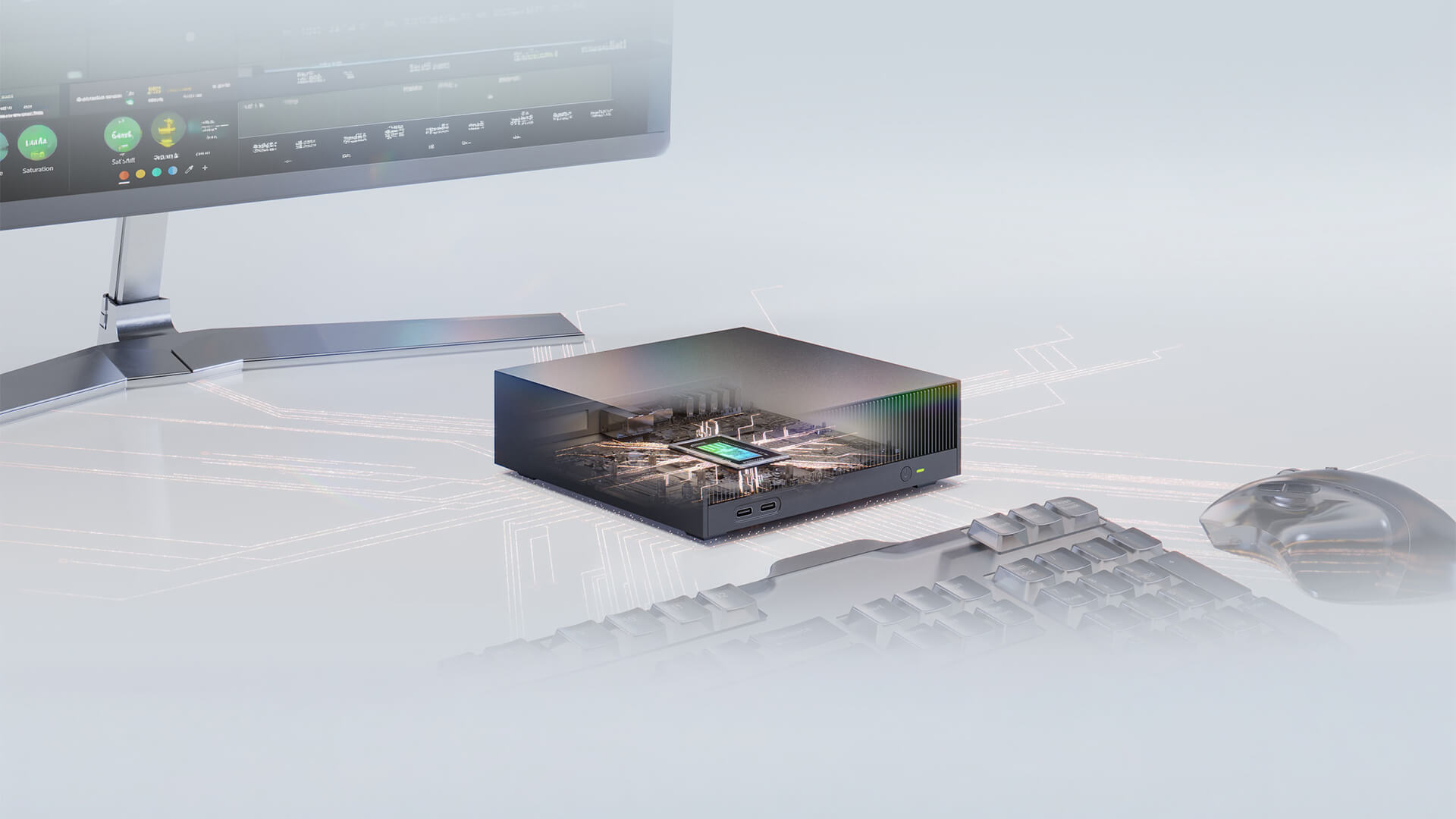
NVIDIA is entering this space because personal computing is moving towards local AI. Cloud AI is still important, but local AI has major advantages: lower latency, better privacy, offline access and reduced reliance on subscriptions or remote servers.
NVIDIA RTX Spark also lets NVIDIA extend its strengths beyond graphics cards. The company already has CUDA, RTX, DLSS, TensorRT, OptiX and a strong software ecosystem. With RTX Spark, NVIDIA can bring those technologies into a new class of Windows PCs where the entire platform is designed around AI and graphics performance.
Why RTX Spark Matters for the Future of PCs
NVIDIA RTX Spark matters because it sits at the crossroads of three major trends: ARM-based computing, AI-powered processors, and the changing expectations of PC users.
Shift Towards ARM-Based Computing
For decades, Windows PCs have mostly been associated with x86 processors. ARM-based computing has existed in the Windows world for years, but the real challenge has always been performance, compatibility and software support.
NVIDIA RTX Spark gives Windows on Arm a serious performance story. It is not just about battery life or thin designs. It is about bringing high-end graphics, local AI processing, and creator-grade workloads to Arm-powered Windows PCs.
That could make ARM-based computing more relevant for users who previously ignored it. If NVIDIA RTX Spark systems can offer strong app support, gaming performance, and efficient multitasking, Windows on Arm becomes much more appealing.
Rise of AI-Powered PCs
AI-powered processors are now a major part of the PC conversation. Modern laptops already include NPUs for AI features, but NVIDIA RTX Spark goes further by combining a powerful RTX GPU, AI acceleration hardware and unified memory for local workloads.
This is not just about background blur in video calls. NVIDIA RTX Spark is aimed at AI agents, large language models, AI-assisted creative tools, rendering, code generation, and high-performance local workloads.
For businesses, this could change how users think about business laptops for productivity. A future productivity laptop may not only need good battery life and a strong keyboard. It may also need enough AI performance to run assistants, automation tools, and local models securely on-device.
Competition with Apple Silicon
Apple Silicon changed expectations around laptop efficiency, unified memory and performance per watt. NVIDIA RTX Spark now brings a similar level of disruption to the Windows side, but with a very different focus.
Apple’s M-series chips are tightly linked to macOS and Apple hardware. NVIDIA RTX Spark is built around Windows, RTX graphics, CUDA acceleration and a broader PC ecosystem. That makes the comparison interesting, but not straightforward.
For gamers and creators who prefer Windows, NVIDIA RTX Spark could offer a new path: Apple-style integration with NVIDIA-style graphics and AI acceleration.
Key Features of RTX Spark
NVIDIA RTX Spark is not important because of one headline number. It matters because several features come together in one platform.
Integrated CPU and GPU Architecture
The RTX Spark chip combines a 20-core Grace CPU with a Blackwell RTX GPU. NVIDIA has confirmed 6,144 CUDA cores for the RTX Spark platform, which puts serious GPU capability directly into a slim laptop or compact desktop design.
That matters because many demanding workloads depend on both CPU and GPU performance. Compiling code, rendering scenes, editing video, running AI models and gaming can all benefit from a chip that moves data efficiently between processing units.
This integrated design also supports unified memory. NVIDIA RTX Spark systems can support up to 128GB of unified memory, meaning the CPU and GPU can access a shared memory pool. That is particularly useful for large AI models, big creative projects and complex scenes that may not fit comfortably into traditional GPU VRAM limits.
AI Acceleration Capabilities
NVIDIA RTX Spark is built for AI acceleration. NVIDIA says the platform offers up to 1 petaflop of AI performance, aimed at local AI agents, creative AI workflows, and large model inference.
For developers, that means NVIDIA RTX Spark could make it easier to run models locally rather than relying completely on cloud tools. For creators, it could speed up AI-enhanced editing, image generation, rendering, and video work. For gamers, AI acceleration supports technologies such as DLSS, ray reconstruction, and future RTX features.
This is where NVIDIA Spark searches may become confusing. The official name is NVIDIA RTX Spark, and the “RTX” part matters because it connects the chip to NVIDIA’s graphics and AI ecosystem.
For buyers comparing hardware, GPUs for advanced workloads will still make sense for many desktop builds. NVIDIA RTX Spark is more about compact, integrated systems where the GPU, CPU, and AI hardware are designed to work together from the start.
Performance and Efficiency Gains
NVIDIA RTX Spark performance should not be judged only by raw benchmark numbers. The bigger promise is performance per watt. NVIDIA and Microsoft are positioning RTX Spark as a platform for thin-and-light Windows PCs with all-day battery life, strong graphics, and local AI capability.
That combination is difficult. High-end gaming laptops often deliver great performance, but they can be heavy, loud, and power-hungry. Ultrabooks are portable, but they usually lack serious GPU performance. NVIDIA RTX Spark is designed to narrow that gap.
Real-world RTX Spark performance will still depend on each laptop or desktop design. Cooling, power limits, memory configuration, and software optimisation will matter. A slim 14-inch laptop and a compact desktop using NVIDIA RTX Spark may not behave exactly the same.
RTX Spark vs Apple M-Series Chips
RTX Spark vs M5 will be one of the biggest comparisons for buyers looking at premium AI PCs. Both are integrated chip platforms, both use unified memory concepts, and both are built for efficient performance. However, they target different ecosystems.
Performance Expectations
Apple’s M5 chip focuses on efficient CPU performance, a 10-core GPU, AI-focused Neural Accelerators, and improved unified memory bandwidth. It is designed for macOS devices such as MacBook Pro, iPad Pro, and Apple Vision Pro.
NVIDIA RTX Spark is different. It is built for Windows PCs with a 20-core Arm-based CPU, Blackwell RTX graphics, 6,144 CUDA cores, up to 128GB unified memory, and NVIDIA’s AI and RTX software stack.
That means RTX Spark vs M5 is not a simple “which chip is faster?” question. Apple M5 may make more sense for users already invested in macOS, Final Cut workflows or Apple’s ecosystem. NVIDIA RTX Spark may appeal more to users who need Windows software, RTX graphics, CUDA tools, local AI models and gaming support.
For users comparing MacBooks with M-series chips against future RTX Spark laptops, the choice will likely come down to software first, performance second, and ecosystem third.
Power Efficiency Comparison
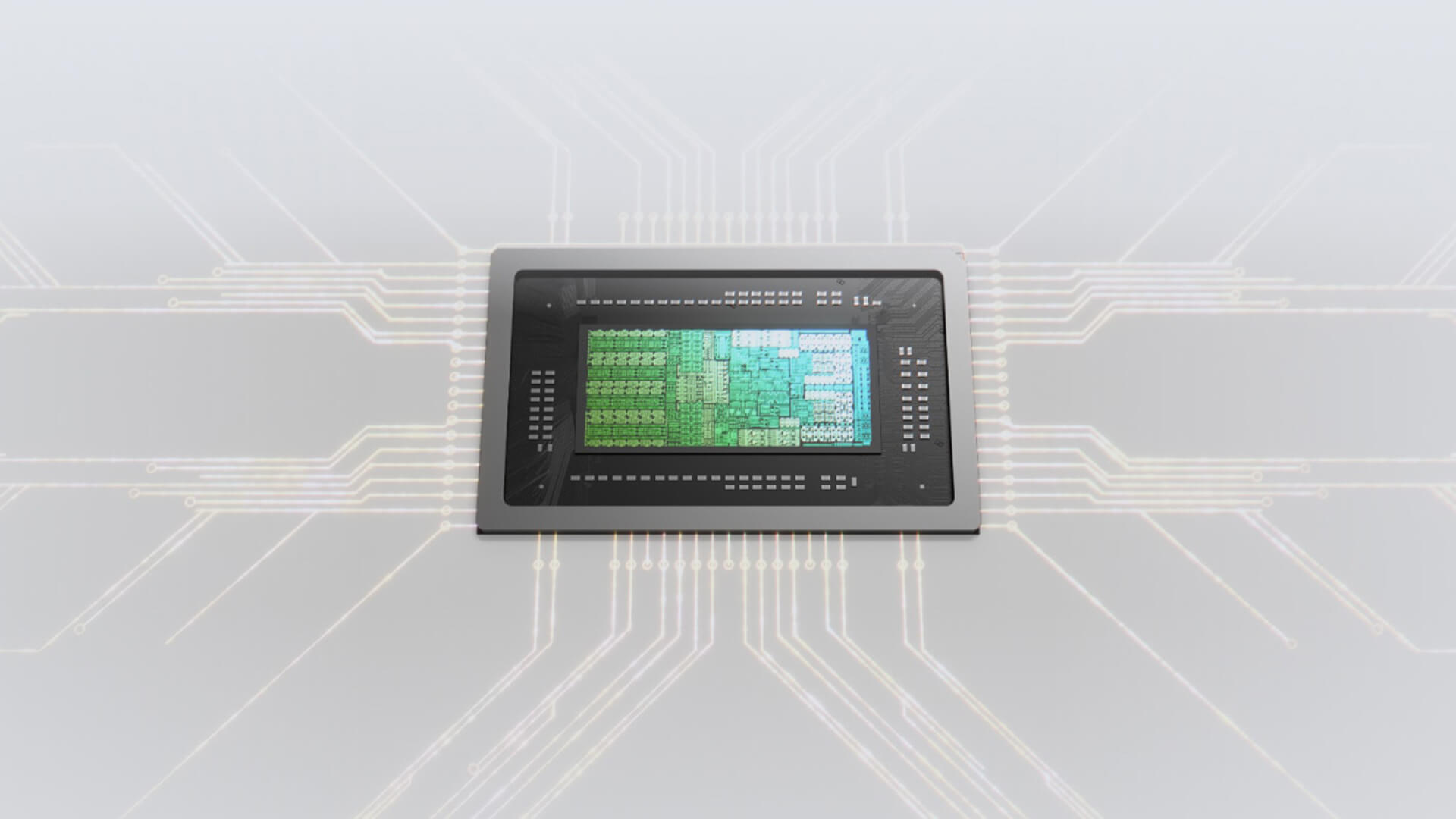
Both Apple Silicon and NVIDIA RTX Spark focus on power-efficient chips. Apple has a strong track record for battery life and quiet laptop performance. NVIDIA RTX Spark is aiming to bring high AI and RTX performance into slim Windows laptops without relying on bulky workstation designs.
The key difference is the workload focus. Apple M5 is built around Apple’s hardware and software stack. NVIDIA RTX Spark is built around Windows, RTX graphics, local agents, and GPU-accelerated workloads.
If NVIDIA RTX Spark delivers strong performance while staying cool and efficient, it could be a major moment for Windows laptops. However, buyers should wait for real laptop reviews before assuming every RTX Spark model will perform the same.
Software Ecosystem Differences
Software is the real battleground. Apple controls the chip, operating system, and hardware design. That can make optimisation clean and predictable.
NVIDIA RTX Spark depends on Windows, ARM compatibility, RTX software, CUDA support, and third-party app optimisation. Microsoft has already highlighted Windows work-around scheduling, unified memory, and Prism emulation, but native ARM apps will still matter.
For users who live inside Windows tools, NVIDIA RTX Spark could be more practical than macOS. For users who want the simplest integrated experience, Apple Silicon will remain a strong competitor.
What This Means for Laptops and Desktop PCs
NVIDIA RTX Spark could change what premium Windows systems look like. Instead of choosing between a thin productivity laptop and a chunky workstation, users may get more systems that blend portability, graphics power, and local AI performance.
Next-Gen Laptops with ARM Chips
RTX Spark laptops are expected to arrive in slim 14-inch to 16-inch designs. NVIDIA has described systems as thin, light, and focused on creators, AI developers, gamers, and power users.
This could be especially useful for people looking at laptops for AI workloads. Traditional AI-capable laptops often rely on discrete GPUs, which are powerful but can increase heat, weight, and battery drain. NVIDIA RTX Spark offers a different approach with unified memory and integrated AI acceleration.
That does not mean every buyer needs one. If you mainly browse, stream, write documents, and play lightweight games, NVIDIA RTX Spark is probably more than you need. But if you code, create, render, train, generate, or game, the RTX Spark chip could be much more interesting.
Potential Desktop Integration
NVIDIA RTX Spark is not only for laptops. Compact desktop PCs are also part of the platform. That makes sense because local AI workloads can benefit from small, always-ready systems that sit on a desk without needing a full tower build.
For users who want a clean setup, a compact RTX Spark desktop could offer serious AI and creative performance without the size of a gaming rig. It could also suit developers who want local model performance next to their main monitor.
Impact on Gaming and Creative Work
For gaming, NVIDIA RTX Spark is exciting because it brings RTX technologies, ray tracing, DLSS, and high frame rate targets into ARM-based Windows PCs. That is a big deal because gaming has historically been one of the weaker arguments for Windows on Arm.
For creators, the bigger benefit may be memory and acceleration. Video editing, 3D rendering, AI image generation, and large creative projects can all benefit from unified memory and RTX acceleration.
NVIDIA RTX Spark could also make creative laptops feel less like compromised mobile machines. If RTX Spark performance holds up in real products, a slimmer laptop could handle workloads that previously needed a larger workstation.
Who Will Benefit Most from RTX Spark?
NVIDIA RTX Spark is not aimed at everyone. It is designed for users who need more from a PC than basic browsing and office work.
Developers and AI Workloads
Developers are one of the clearest audiences. NVIDIA RTX Spark is built for local AI agents, large model inference, AI-assisted development and secure on-device experimentation.
This matters because cloud AI can be expensive, limited, or unsuitable for private data. Running models locally gives developers more control. It also helps when testing agents, building prototypes, or working with sensitive information.
NVIDIA RTX Spark could become a strong option for developers who want local AI acceleration without setting up a full desktop workstation.
Content Creators
Creators working with video, 3D scenes, AI image tools, and high-resolution assets could benefit from NVIDIA RTX Spark. The platform is designed to handle large creative workloads, including heavy video and rendering tasks.
A creator who edits video, generates AI assets, and renders 3D content often needs both GPU power and memory. NVIDIA RTX Spark targets that mix directly.
For users who use powerful PCs for editing, rendering, or design work, RTX Spark desktops could eventually offer a smaller alternative. For mobile creators, RTX Spark laptops may be even more appealing.
Everyday Users
Everyday users may not need NVIDIA RTX Spark immediately, but they may still benefit from the wider shift. If PCs become better at running local assistants, summarising files, searching documents, editing media and automating tasks, those features will eventually reach mainstream systems.
In the short term, NVIDIA RTX Spark is more likely to sit in premium machines. Over time, the ideas behind it could influence more affordable laptops and desktops.
Challenges and What to Watch
NVIDIA RTX Spark has huge potential, but it also comes with important questions. New chip platforms need more than impressive specs. They need software support, clear pricing, strong availability, and real-world performance.
Software Compatibility
The biggest challenge is software compatibility. Windows on Arm has improved, and Microsoft’s Prism emulator helps run x86 and x64 apps. Still, native ARM support will usually deliver the best performance and efficiency.
That means buyers should check the software they rely on. Games with anti-cheat, specialist drivers, plugins, development tools, and professional apps may not all behave the same on day one.
NVIDIA RTX Spark could be brilliant for supported workloads, but users should avoid assuming every Windows app will run exactly like it does on an x86 gaming laptop or desktop.
Windows on ARM Adoption
Windows on Arm needs momentum. NVIDIA RTX Spark gives it a major boost, but adoption will depend on OEM designs, app support, and user trust.
If developers and software companies optimise quickly, RTX Spark laptops could feel like a genuine next-generation computing platform. If support is patchy, early buyers may need patience.
This is why the first wave of NVIDIA RTX Spark devices will be important. Strong launch systems could make the platform feel credible straight away.
Market Competition

NVIDIA RTX Spark will face pressure from Apple M-series chips, Intel AI PCs, AMD AI processors, and traditional gaming laptops with discrete GPUs.
It also needs clear pricing. NVIDIA has announced availability from major manufacturers, but individual RTX Spark laptop and desktop prices will depend on each brand, configuration, and launch schedule.
Buyers should also be careful with GPU comparisons. It is tempting to call NVIDIA RTX Spark equivalent to RTX 5070 because both use 6,144 CUDA cores, but that would be too simple. A dedicated desktop RTX 5070 has its own memory, power envelope, and cooling. RTX Spark is an integrated platform with unified memory and laptop or compact desktop power limits. Real benchmarks will decide how close the comparison feels.
Wrapping Up
NVIDIA RTX Spark could mark a new era for the future of personal computing. It brings together ARM-based computing, RTX graphics, AI acceleration hardware, and unified memory architecture in a way that feels built for where PCs are heading next.
The most important point is that NVIDIA RTX Spark is not just about faster games or quicker exports. It is about changing what a PC can do locally. Running personal agents, large AI models, creative workloads, and demanding games on one compact system is a big shift.
For gamers, NVIDIA RTX Spark could make Windows on Arm more serious than ever. For creators, it could reduce the gap between portable laptops and desktop workstations. For developers, it could make local AI experimentation far more practical.
There are still questions around price, real-world performance, battery life, and software compatibility. However, if NVIDIA and Microsoft deliver on the official promise, NVIDIA RTX Spark could become one of the most important PC platforms of the AI era.
FAQs
Is the NVIDIA RTX Spark a CPU?
No, NVIDIA RTX Spark is not just a CPU. It includes a CPU, GPU, and AI acceleration hardware in one integrated platform. The CPU side uses a 20-core NVIDIA Grace design based on ARM architecture, while the graphics side uses NVIDIA Blackwell RTX technology.
What are RTX Spark laptops?
RTX Spark laptops are upcoming Windows laptops powered by the NVIDIA RTX Spark chip. They are expected to target creators, AI developers, gamers, and power users who need local AI performance, RTX graphics, and portable designs.
How much will NVIDIA Spark cost?
NVIDIA has not confirmed one universal price for RTX Spark laptops or desktops. Pricing will depend on the manufacturer, screen size, memory, storage, and overall design. Buyers should not assume DGX Spark pricing applies directly to RTX Spark laptops because DGX Spark is a separate personal AI supercomputer product.
What is NVIDIA RTX Spark equivalent to?
NVIDIA has not officially said that RTX Spark is exactly equivalent to any single desktop GPU. It shares 6,144 CUDA cores with the GeForce RTX 5070, but that does not mean performance will be identical. RTX Spark uses an integrated design with unified memory, while an RTX 5070 graphics card has its own dedicated memory and different power limits. Real-world reviews will be needed before making a fair comparison.
Who is RTX Spark designed for?
NVIDIA RTX Spark is designed for creators, AI developers, gamers, engineers, and power users who need strong local performance in a laptop or compact desktop. It is especially relevant for AI agents, local large language models, video editing, rendering, coding, and RTX gaming.
Will RTX Spark be used in laptops or desktops?
Yes. NVIDIA has said RTX Spark will power slim Windows laptops and compact desktop PCs. The first systems are expected from major manufacturers in fall 2026, with more designs likely to follow.
You can pay with:
*PayPal Credit Representative Example: Assumed credit limit £1,200, Representative 23.9% APR (variable). Purchase rate 23.9% p.a (variable).Terms & Conditions apply.


PayPal Credit and PayPal Pay in 3 are trading names of PayPal UK Ltd, 5 Fleet Place, London, United Kingdom, EC4M 7RD. Terms and conditions apply. Credit subject to status, UK residents only, Five Tech LTD acts as a broker and offers finance from a restricted range of finance providers. PayPal Pay in 3 is not regulated by the Financial Conduct Authority. Pay in 3 eligibility is subject to status and approval. 18+. UK residents only. Pay in 3 is a form of credit. Check if affordable and how you will repay. May make other borrowing more difficult or expensive. See product terms for more details.
Copyright © 1996-2026 Fivetech LTD | Terms and Conditions
box.co.uk & Box are trading names of Five Tech Limited. Registered office: Box LTD, Unit 10 Woodford Trading Estate, Woodford Green IG8 8HF