


 Menu
MenuMenu


Get Sales Advice from Mon - Fri 9am - 5:00pm:
020 3337 8950LAST UPDATED: January 05, 2026
Comparing GPU Architectures in 2026: NVIDIA vs AMD vs Intel - What’s Best for You?
Choosing a GPU in 2026 is less about a single "fastest card" winner and more about which GPU Architectures and features match how you actually play. Ray tracing is more common, upscaling and frame generation are baked into loads of titles, and driver-level features can matter just as much as raw FPS. That's why a proper GPU architecture comparison has to look at the whole platform, not just benchmark charts.
In this guide, we'll compare GPU Architectures across NVIDIA, AMD, and Intel, explain what changes you'll notice at 1080p, 1440p, and 4K, and help you pick the best fit. If you're ready to shop while you read, start with the best graphics card range and filter by your budget and target resolution.
What Is a GPU Architecture and Why It Matters in 2026
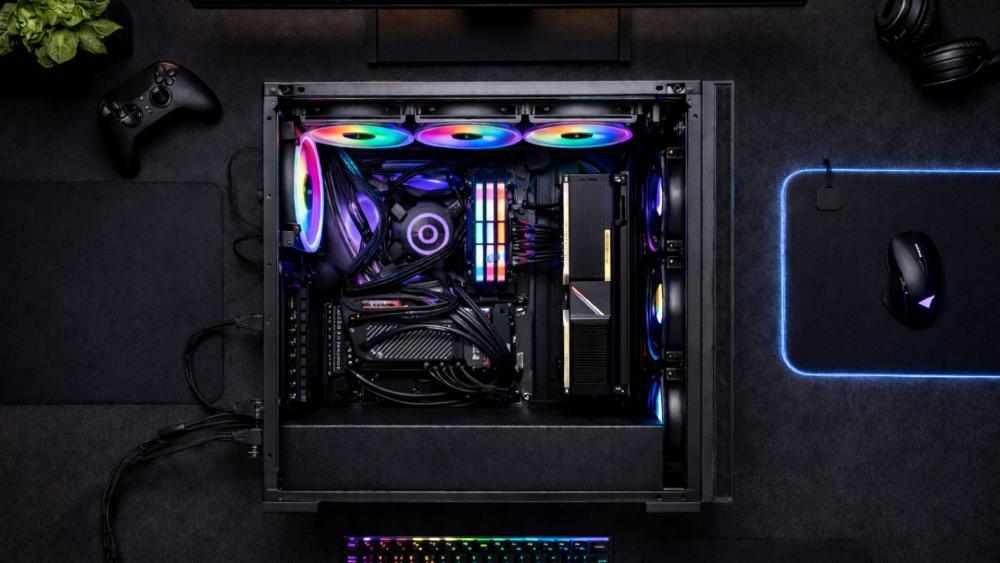
A GPU architecture is the underlying design that dictates how a graphics card handles raster performance, ray tracing, AI upscaling, media encoding, and efficiency. In 2026, GPU Architectures matter more because modern games and engines increasingly lean on AI-assisted rendering and better RT pipelines, and those features are not identical across brands.
Right now, the mainstream "big three" conversation for GPU Architectures still centres on:
- NVIDIA Blackwell for GeForce RTX 50 series, positioned around AI-driven rendering features and updated RT and Tensor hardware.
- AMD RDNA 4 for Radeon RX 9000 series, launched with revamped ray tracing accelerators and stronger AI accelerators.
- Intel Xe2 (Battlemage) for Arc B-series desktop GPUs, with Intel explicitly positioning it on performance-per-pound and modern features.
There's also meaningful "next wave" talk in 2026. NVIDIA has publicly talked about Vera Rubin (primarily on the AI and data-centre roadmap) landing in 2026. Intel's Xe3 Celestial has been reported entering validation stages, but that's still an "in development" story rather than something you should buy around today.
So, if you're weighing Intel vs NVIDIA vs AMD GPU choices, think "which GPU Architectures match my needs this year", not "which logo wins the internet".
Key Factors That Define Modern GPU Architectures
A good GPU architecture comparison uses consistent criteria. These factors are what separate a card that looks great in one benchmark from a card that feels great across your actual games, streams, and creative tasks.
Performance and compute design
In GPU Architectures, compute design is how the GPU schedules work across traditional raster rendering, ray tracing, and AI tasks. NVIDIA's CUDA-core language, AMD's stream processors, and Intel's Xe cores are not 1:1 comparable. What matters is how the architecture feeds those units with memory, cache, and scheduling, especially in modern engines.
Power efficiency and thermals
Efficiency is a genuine quality-of-life win in GPU Architectures. Better performance per watt typically means lower temps, less fan noise, and fewer power spikes. It also helps if you're upgrading without changing your PSU or you're building in a smaller case.
Memory architecture and bandwidth
Memory design is where GPU Architectures can make or break 4K smoothness. VRAM capacity helps, but so does memory bandwidth and cache behaviour. If you've ever seen a game run fine until a dense area stutters, that's often memory pressure, not "the GPU is weak".
AI, ray tracing, and media engines
In 2026, GPU Architectures compete heavily on feature stacks:
- Upscaling and frame generation (DLSS vs FSR vs XeSS-style approaches)
- Ray tracing consistency across titles
- Streaming and creator workflows (AV1 support, encode efficiency, export speed)
This is why "best GPU architecture" is always use-case dependent, even among NVIDIA vs AMD graphics cards.
NVIDIA GPU Architecture in 2026 — Strengths and Trade-offs
For most gamers in 2026, NVIDIA's consumer story is still Blackwell-based GeForce RTX 50 series, marketed around AI-powered graphics features, neural shading, and updated RT and Tensor hardware. That Blackwell focus is the core of NVIDIA's current GPU Architectures pitch for gaming and creator workloads.
Where NVIDIA's GPU Architectures tend to shine
- Strong ray tracing performance and consistency in many major titles
- A mature software ecosystem and broad day-one game support
- A feature stack that's easy to "set and forget" once you've dialled in your settings
This is why the NVIDIA vs AMD GPU debates often swing NVIDIA when players care most about RT-heavy AAA games and feature stability. If you're browsing, start with top NVIDIA graphics cards and shortlist based on your resolution and refresh target.
Trade-offs to keep in mind
- Price-to-performance can vary depending on the tier and current deals
- Some buyers pay extra for features they might not use (especially if they mostly play raster titles)
If you want a premium partner design, a Strix graphics card is a good example of "cooling and build quality first", but your main decision should still be about GPU Architectures and features, not just a flashy shroud.
AMD GPU Architecture in 2026 — Strengths and Trade-offs
AMD's mainstream 2026 footing is built around RDNA 4 and the Radeon RX 9000 series. AMD's own press release frames RDNA 4 as delivering high-quality gaming with revamped ray tracing accelerators and powerful AI accelerators. This is the heart of AMD's current GPU Architectures messaging: push value and performance while modernising RT and AI capabilities.
AMD's GPU Architectures often win at:
- Strong raster performance and a "frames per pound" reputation
- Competitive value in many segments, especially at 1440p
- A straightforward pick if your library is mostly non-RT or mixed workloads
That's why shoppers comparing NVIDIA vs AMD graphics cards often land on AMD when value is the priority. If you want to browse options, check out the best AMD graphics cards collection at Box.
Here are some trade-offs to keep in mind:
- Ray tracing leadership varies more by game and engine than on NVIDIA
- Your experience can depend heavily on which titles you play and how much you lean on upscaling
If your goal is a clean GPU architecture comparison that stays grounded, treat AMD's strengths as "value-first performance with modern features", and then validate against the games you actually play.
Intel GPU Architecture in 2026 — Strengths and Trade-offs
Intel is the most "watch this space" player in GPU Architectures, and in 2026 it can be a smart buy for the right build. Intel's own Battlemage (Arc B-series) materials position Xe2 around a modern gaming experience and strong performance-per-pound, with desktop availability dates called out for B580 and B570.
Intel's GPU Architectures can make sense for:
- Budget and mid-range builds where value matters most
- Players happy to do a quick compatibility sanity check for their top games
- Streamers and creators who care about modern codec support, depending on workflow
Intel graphics cards can be great in supported titles, but you should still be mindful that performance can vary more game-to-game than on AMD or NVIDIA.
Some Trade-offs to keep in mind here include:
- Driver maturity has improved a lot, but variance still exists
- Some niche competitive titles can be more sensitive to driver quirks
On the "what's next" front, Intel's Xe3 Celestial has been reported reaching pre-validation stages, but that's not the same as being a mainstream retail option today.
NVIDIA vs AMD vs Intel — Architecture Comparison Table
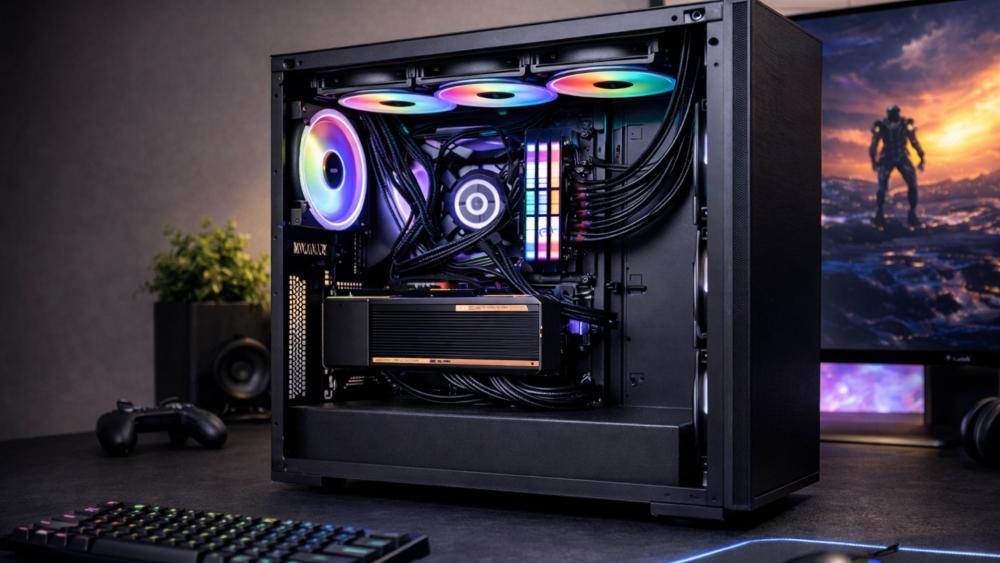
This table is a practical 2026 snapshot for GPU Architectures. It's not a substitute for per-game benchmarks, but it helps you map feature strengths to real buying decisions.
| Factor | NVIDIA (Blackwell / RTX 50) | AMD (RDNA 4 / RX 9000) | Intel (Xe2 / Battlemage) |
| Raster gaming | Very strong | Often excellent value | Strong in many supported titles |
| Ray tracing | Typically most consistent | Improved vs past gens | Improving, still varies |
| Upscaling ecosystem | DLSS feature stack | FSR direction | XeSS direction |
| Efficiency and thermals | Often strong by tier | Competitive by tier | Depends more by model |
| Creator and media | Very strong ecosystem | Solid, app-dependent | Strong modern codec story (workflow dependent) |
| Driver experience | Mature, broad support | Mature, broad support | Improved, but more variance |
For context, NVIDIA's RTX 50 series is explicitly positioned around Blackwell and AI-driven rendering, while AMD's RDNA 4 launch emphasised RT and AI accelerators, and Intel's Xe2 Battlemage messaging is tied to value and modern gaming features.
Which GPU Architecture Is Best for Your Needs in 2026?
The best answer for GPU Architectures is always "it depends", but you still deserve a clear recommendation based on how you play. Think of this like choosing a class loadout, you're matching strengths to your mode.
Best GPU Architecture for gaming
If you mainly play competitive titles and you care about high FPS first, any of the three GPU Architectures can work, but you should prioritise consistent drivers and stable frametimes. NVIDIA and AMD are the easiest "plug in and go" picks. Intel can be great value if your main games are well supported.
For 1440p, the best GPU Architectures choice is often the best deal in the tier you're shopping, because the resolution is forgiving enough that you can balance settings and still hit high refresh.
For GPU architecture for 4K gaming, focus on VRAM headroom, memory bandwidth, and upscaling quality. At 4K, the feature stack matters more, because upscaling and RT can be the difference between "smooth and sharp" and "pretty but choppy".
Best GPU Architecture for content creation
Creators should prioritise stability, encode support, and performance in the apps they use most. In 2026, NVIDIA is often the most straightforward choice for wide software acceleration support, AMD can be excellent value depending on your tools, and Intel can be a strong pick if your workflow aligns with its strengths and you value performance-per-pound.
Best GPU Architecture for AI and productivity
Even if you're not running huge local models, GPU Architectures affect AI-assisted features in games and creative apps. If you rely on upscaling, denoise, or AI-driven creative tools, architecture-level support becomes a quality-of-life win.
Best GPU Architecture for budget builds
If you want maximum value, AMD and Intel are often the first places to look, but pricing swings matter. Your best move is to check out options for the best graphics cards first, then compare NVIDIA, AMD, and Intel options at the same price point.
Future-Proofing Your GPU Choice
Future-proofing with GPU Architectures is mostly about avoiding the common traps. Don't buy purely for today's benchmark, buy for how the card will handle next year's games and features.
Here's the practical checklist:
- VRAM headroom for your target resolution, especially if you want 4K longevity
- Upscaling support you'll actually use in your library
- Ray tracing capability if you play RT-heavy AAA releases
- Driver cadence and stability for your most-played games
- Efficiency if you care about noise, heat, or smaller builds
Also, keep expectations realistic. NVIDIA has discussed Vera Rubin for 2026 in the AI roadmap, but consumer upgrades do not always align perfectly with data-centre roadmaps. For most buyers, the smarter and future-proof move is buying the right tier now, not waiting endlessly for a next codename.
Common Myths About GPU Architectures
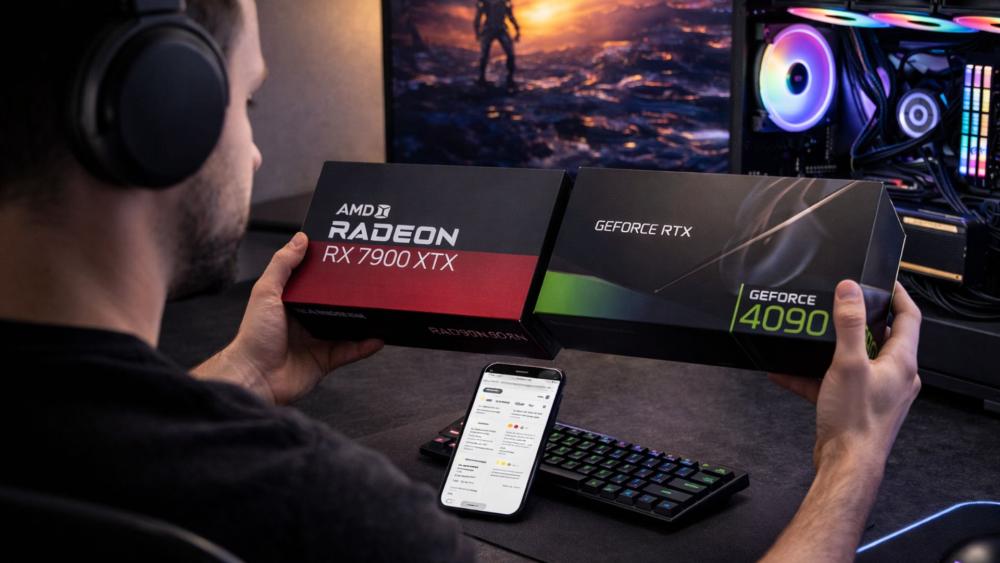
These myths cost people money and cause a lot of "why does this feel worse than my old card" frustration. They're worth clearing up in any gpu architecture comparison.
Myth: More cores always means better performance
False. GPU Architectures differ in scheduling, cache, memory behaviour, and how they handle RT and AI work. A higher "core count" on paper can still lose depending on bottlenecks and game optimisation.
Myth: Only NVIDIA is good for gaming
False. AMD is a strong gaming choice, and Intel is increasingly viable in specific tiers. The best GPU Architectures pick depends on your games, resolution, and budget.
Myth: Intel GPUs aren't viable yet
Outdated. Intel's Battlemage Arc B-series is positioned as a modern gaming experience with strong performance-per-dollar, and availability dates have been publicly communicated. You still need to be mindful of game support, but "not viable" is no longer accurate.
Myth: 4K gaming is just buying the most expensive GPU
Not quite. GPU architecture for 4K gaming is about VRAM, bandwidth, upscaling quality, and stable frametimes. A balanced choice often beats a brute-force purchase that's mismatched to your monitor and settings.
Conclusion
In 2026, the "best" choice isn't about a single winner, it's about which GPU Architectures match your games, your monitor, and how you use your PC day to day. If you want the most mature feature stack for ray tracing and AI-driven graphics, NVIDIA's approach is usually the safest bet. If you care most about frames-per-pound and strong raster performance, AMD's design often lands the best value. And if you're building on a tighter budget or want a value-heavy alternative, Intel can be a smart pick, as long as you double-check your most-played titles for consistency.
The simplest way to buy with confidence is to pick your target resolution first (1440p or 4K), then choose the brand and tier that fits your budget and feature priorities. Start broad with the best graphics card listings, then narrow down to an option that matches your needs once you know whether you're prioritising ray tracing features, value, or long-term driver stability.
Frequently Asked Questions About GPU Architectures
Which GPU architecture is best for gaming in 2026?
The best GPU Architectures choice for gaming in 2026 depends on your games and resolution, but NVIDIA and AMD are the easiest picks for broad compatibility, while Intel can be excellent value in well-supported titles.
Is AMD or NVIDIA better for price to performance?
AMD is often better for price-to-performance, but NVIDIA can justify a premium if you value ray tracing consistency and its feature stack. The best GPU Architectures choice is the one that fits your library and budget.
Are Intel GPUs good enough for modern games?
Yes, Intel Arc can be good enough for modern games, especially in supported titles and value-focused builds, but you should still sanity-check your most-played games because variance can be higher than on AMD or NVIDIA.
Which GPU architecture has the best ray tracing?
NVIDIA's Blackwell-based RTX 50 series is positioned around AI-driven rendering and updated RT hardware, and NVIDIA typically leads on ray tracing consistency across many titles. AMD's RDNA 4 also launched with revamped ray tracing accelerators, so the gap can vary by game.
Which GPU brand offers better long-term driver support?
NVIDIA and AMD generally offer the most consistent long-term driver experience, while Intel has improved rapidly but can still show more game-by-game variance. For long-term confidence, pick GPU Architectures that match your library, then buy enough performance and VRAM headroom for your target resolution.
You can pay with:
*PayPal Credit Representative Example: Assumed credit limit £1,200, Representative 23.9% APR (variable). Purchase rate 23.9% p.a (variable).Terms & Conditions apply.


PayPal Credit and PayPal Pay in 3 are trading names of PayPal UK Ltd, 5 Fleet Place, London, United Kingdom, EC4M 7RD. Terms and conditions apply. Credit subject to status, UK residents only, Five Tech LTD acts as a broker and offers finance from a restricted range of finance providers. PayPal Pay in 3 is not regulated by the Financial Conduct Authority. Pay in 3 eligibility is subject to status and approval. 18+. UK residents only. Pay in 3 is a form of credit. Check if affordable and how you will repay. May make other borrowing more difficult or expensive. See product terms for more details.
Copyright © 1996-2026 Fivetech LTD | Terms and Conditions
box.co.uk & Box are trading names of Five Tech Limited. Registered office: Box LTD, Unit 10 Woodford Trading Estate, Woodford Green IG8 8HF