


 Menu
MenuMenu


Get Sales Advice from Mon - Fri 9am - 5:00pm:
020 3337 8950LAST UPDATED: December 22, 2025
NASCAR 25 Gameplay Breakdown: New Features, Physics Changes & Driving Improvements
NASCAR 25 marks a clear reset for the franchise, with a stronger focus on how the game actually feels to play rather than just surface-level changes. After mixed reactions to previous titles, this release puts NASCAR 25 gameplay front and centre, promising improved driving physics, tighter controls, and more depth for players who want a proper racing experience rather than an arcade-style spin around the oval.
This breakdown focuses specifically on what matters once you're on track. That means how the cars handle in traffic, how tyres and damage affect long runs, and whether the new systems genuinely improve race-to-race consistency. For fans coming from NASCAR 21 or the Heat series, the big question is simple: does this finally feel like a modern NASCAR racing game worth investing time in?
Whether you play casually on a laptop or push higher frame rates on a full gaming setup, NASCAR 25 gameplay aims to be more responsive, more readable, and more demanding in the right ways. Below, we break down the key gameplay features, physics changes, and driving improvements to help you decide if NASCAR 25 is a genuine step forward or just another incremental update.
NASCAR 25 Gameplay at a Glance

At a high level, NASCAR 25 gameplay is built around three core upgrades: a revised driving model, more structured race systems, and cleaner on-screen feedback. Instead of piling on new modes for the sake of it, the developers have focused on making each lap feel more deliberate and less forgiving, especially during longer races.
Here's a quick snapshot of what stands out immediately:
- A new handling model that places more emphasis on tyre management and throttle control
- Improved AI behaviour in traffic, making pack racing less predictable
- More consistent physics across different tracks, reducing the "one-size-fits-all" feel
- Cleaner HUD elements that make race data easier to read at speed
Compared to earlier entries, NASCAR 25 gameplay feels more stable and more intentional. Cars no longer snap unpredictably when pushed, but mistakes are punished over time through tyre wear, heat build-up, and damage rather than instant spin-outs. This makes the NASCAR 25 game more approachable for newcomers, while giving experienced players room to extract performance over a full race distance.
These changes also matter when you compare NASCAR 25 to older NASCAR racing game releases. Instead of short bursts of excitement followed by frustration, races flow more naturally, with strategy, positioning, and consistency playing a bigger role. It's a foundation that supports deeper gameplay systems, which we'll break down in more detail next.
New Gameplay Features That Change How You Race
The biggest strength of NASCAR 25 gameplay is that its new features are designed to support the on-track experience, not distract from it. Rather than overloading players with side activities, NASCAR 25 focuses on systems that directly affect how races play out, from season progression to online competition.
Revamped Career Mode
Career mode has been rebuilt to feel more structured and less repetitive. Progression is clearer, with performance-based objectives replacing grind-heavy unlock paths. Instead of simply finishing races, you're encouraged to manage consistency, avoid unnecessary damage, and build momentum across a season.
Team dynamics also play a bigger role. Setup decisions, race results, and reliability all feed into long-term performance, which makes NASCAR 25 gameplay feel more strategic over time. Compared to older entries, the career mode in the NASCAR 25 game rewards patience and racecraft rather than aggressive driving every lap.
Updated Multiplayer and Online Racing
Online racing benefits from more stable matchmaking and better-defined competitive modes. Lobbies are quicker to join, and races feel more balanced thanks to improved car parity and AI calibration. This is especially noticeable in pack racing, where reckless moves are less forgiving.
For players who treat NASCAR as a competitive NASCAR racing game, these updates make multiplayer more viable for longer sessions. NASCAR 25 gameplay online feels closer to organised league racing, even in public lobbies, which is a welcome change.
New UI, HUD, and Accessibility Options
One of the quieter but more impactful upgrades is the redesigned interface. Race-critical information such as tyre wear, fuel usage, and damage is easier to read without cluttering the screen. This improves decision-making mid-race and helps players adapt their driving style on the fly.
Accessibility options also allow players to tailor assists and visual feedback, making the NASCAR 25 game easier to pick up without watering down the core experience. For both newcomers and long-time fans, these improvements make NASCAR 25 gameplay more readable, more forgiving early on, and more rewarding as you improve.
Physics Overhaul Explained: How NASCAR 25 Drives Differently
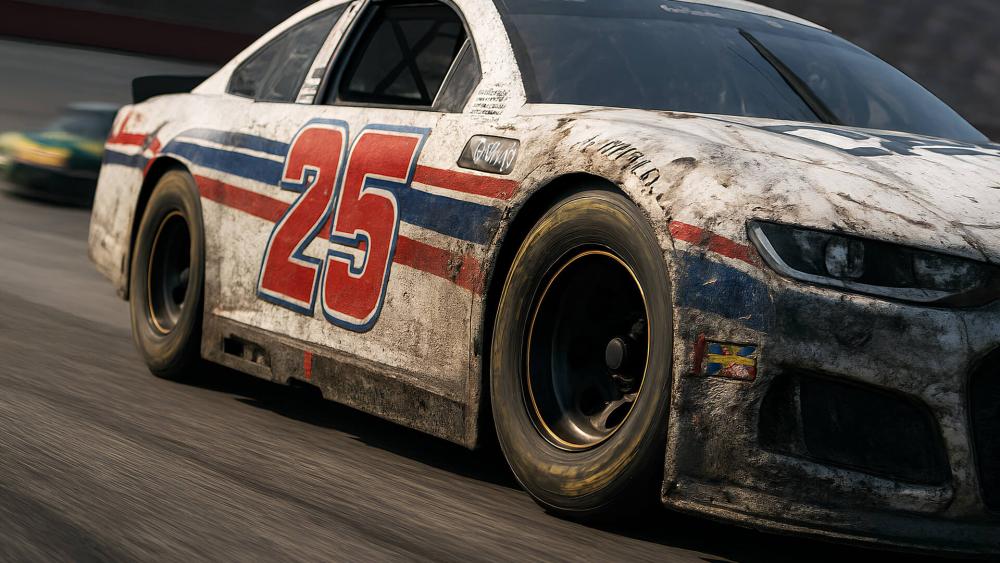
The most important change in NASCAR 25 gameplay is the underlying physics model. This is where NASCAR 25 separates itself from previous titles, shifting away from inconsistent handling and towards a more predictable, skill-based driving experience. Every major gameplay system feeds into this overhaul, making races feel more connected from lap one to the chequered flag.
New Handling Model and Tyre Behaviour
Cars now respond more naturally to steering, throttle, and braking inputs. Instead of sudden grip loss, tyre wear builds gradually, forcing you to manage pace across long runs. Overdriving the car might not punish you immediately, but it will cost you later through reduced grip and slower lap times.
This change alone makes NASCAR 25 gameplay feel closer to a proper racing simulator. It rewards smooth inputs and race awareness rather than constant correction. For players used to older NASCAR games, the difference is noticeable within the first few laps.
Improved Collision and Damage Physics
Contact matters more in NASCAR 25. Light taps can unsettle the car, while heavier impacts affect straight-line speed and corner stability. Damage isn't just cosmetic; it directly influences how the car behaves for the rest of the race.
This makes decision-making in traffic far more important. Aggressive moves that might have worked in previous NASCAR game releases now carry real consequences, adding tension to pack racing and restarts. In terms of realism, NASCAR 25 gameplay takes a clear step forward here.
Track Surface Interaction and Race Flow
Tracks no longer feel identical apart from layout. Surface grip evolves during races, and the racing line changes as tyres heat up and wear down. This adds variety across circuits and forces you to adapt your approach depending on track conditions.
As a result, NASCAR 25 feels less scripted and more reactive. Each race develops its own rhythm, making it one of the strongest entries in the modern NASCAR racing game lineup from a physics standpoint.
Driving Improvements You'll Notice Immediately
The physics overhaul feeds directly into how NASCAR 25 gameplay feels from the moment you leave the pit lane. Even without changing settings, the improvements to control, feedback, and race flow are obvious, especially during longer green-flag runs and tight pack racing.
More Responsive Steering
Steering inputs are cleaner and more predictable, whether you're using a controller or a wheel. Small corrections no longer cause exaggerated reactions, which makes holding a line through corners far less stressful. This is one of the most noticeable upgrades in NASCAR 25 gameplay, particularly on worn tyres where precision matters most.
Improved Acceleration and Braking Feel
Throttle response is smoother, making it easier to modulate power when exiting corners or drafting closely behind other cars. Braking zones feel more consistent, with less guesswork about when the car will lock up or slide wide.
These refinements reduce frustration and reward controlled driving, helping NASCAR 25 feel less chaotic than older NASCAR game entries while still demanding focus.
Smoother Drafting and Aerodynamics
Pack racing benefits heavily from improved aerodynamics. Drafting now feels more dynamic, with air wash and momentum playing a bigger role. Moves require better timing, and defending a position is more about placement than blocking aggressively.
For players who enjoy close racing, NASCAR 25 gameplay delivers more believable battles without constant contact or random losses of control.
Controller vs Steering Wheel Experience
Wheel users benefit the most from these changes, with stronger feedback and better communication through the car. That said, controller support has also improved, making NASCAR 25 accessible without sacrificing depth.
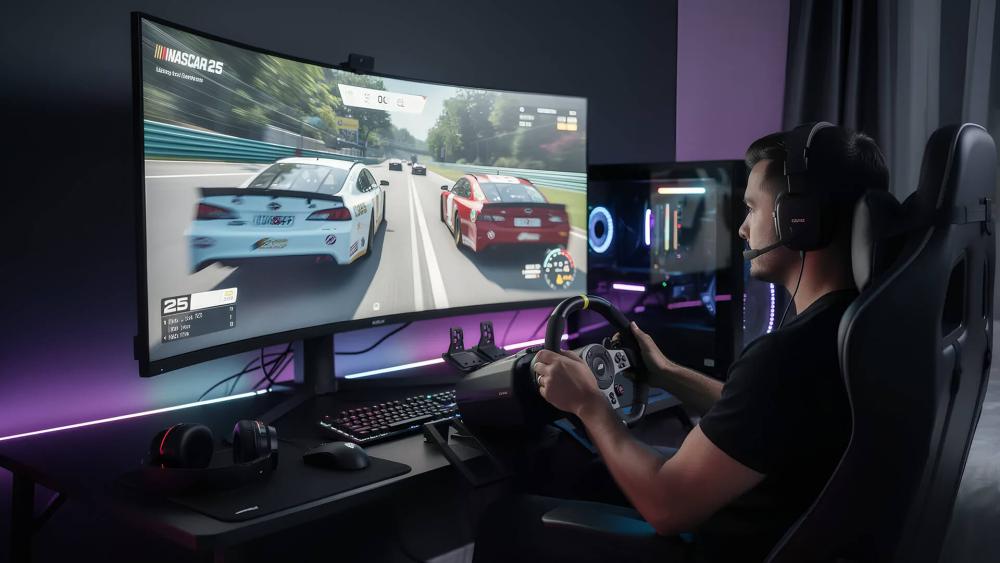
If you're playing on a good gaming laptop or a gaming computer desktop, pairing the game with a high-end gaming monitor helps you read track detail and car movement more clearly. The refined handling also works well with a gaming keyboard and gaming mouse setup for menus and quick inputs, while top rated wireless gaming headsets make it easier to hear engine and tyre cues during races. A capable gaming graphics cards setup ensures smoother performance during heavy pack racing, where clarity matters most. If you are planning on playing on PS5 or XBox instead of a PC but are not sure about it, check out our guide on the best platform to play NASCAR 25 for a clear gameplay comparison.
NASCAR 25 vs Previous NASCAR Games
For many players, the real test of NASCAR 25 gameplay is how it stacks up against older entries. NASCAR 25 isn't trying to reinvent the genre, but it does address long-standing issues that held previous games back, particularly around physics consistency and race flow.
NASCAR 25 vs NASCAR 21 Ignition
NASCAR 21 Ignition struggled with unpredictable handling, unstable physics, and inconsistent AI behaviour. NASCAR 25 feels far more controlled by comparison. Cars behave logically across different tracks, and mistakes tend to build over time rather than ending races instantly.
From a pure driving standpoint, NASCAR 25 gameplay is more readable and more forgiving without being easy. The physics model feels finished, not patched together, which makes every race more enjoyable and far less frustrating.
NASCAR 25 vs the NASCAR Heat Series
The Heat games were accessible and fun but leaned heavily towards an arcade-style experience. NASCAR 25 sits in a better middle ground. It keeps approachability while introducing deeper handling mechanics, tyre management, and more believable AI racing lines.
For players who enjoyed the Heat series but wanted more realism, NASCAR 25 gameplay offers a noticeable upgrade. It feels closer to a proper simulation without alienating casual fans of the nascar video game formula.
Should You Upgrade?
If you skipped NASCAR 21 or bounced off it early, NASCAR 25 is a strong reason to return. The improvements to physics, AI, and race pacing make it a far better NASCAR racing game overall. Players coming from the Heat series will notice the added depth immediately, especially during longer races and online sessions.
However, if you're only interested in short, casual races, the differences may feel more subtle at first. NASCAR 25 gameplay shines most when you commit to full races and learn how the new systems work together.
Tips to Get the Most Out of NASCAR 25's New Mechanics
To really appreciate the depth of NASCAR 25 gameplay, it helps to adjust how you approach races compared to older NASCAR titles. The game rewards patience, consistency, and smarter decision-making rather than flat-out aggression every lap.
Dial Back Assists Gradually
If you're coming from the Heat series or NASCAR 21, easing off driving assists bit by bit makes a huge difference. Traction control and stability assists can hide how good the new handling model actually is. Reducing them slowly lets you feel tyre grip changes and weight transfer more clearly, which improves lap consistency.
Focus on Long-Run Pace, Not Hot Laps
One of the biggest adjustments in NASCAR 25 gameplay is learning to drive for the full stint. Pushing too hard early overheats tyres and hurts you later. Smooth steering inputs and controlled throttle application often lead to better results over 30 or 40 laps than outright speed.
Make Small Setup Changes
You don't need advanced tuning knowledge to benefit from setups. Minor tweaks to tyre pressure or brake bias can stabilise the car over long runs. NASCAR 25 responds well to incremental changes, making it easier for players to learn without overwhelming them.
Optimise Your Hardware Setup
Clear visuals and stable performance matter more now that races are less chaotic. Playing on a gaming computer desktop or a capable gaming laptop, paired with a good gaming monitor, helps you read track surface changes and car movement more accurately. A good audio setup using top rated wireless gaming headsets also makes engine and tyre cues easier to pick up. For smoother pack racing and higher frame rates, investing in reliable gaming graphics cards noticeably improves the experience.
Final Verdict: Is NASCAR 25 Worth It?
NASCAR 25 is the most confident the series has felt in years. By putting NASCAR 25 gameplay first, the developers have delivered a racing experience that's more consistent, more readable, and far more rewarding than recent entries. The improvements to physics, handling, and race flow don't just look good on a feature list, they fundamentally change how races play out lap after lap.
For long-time fans frustrated by NASCAR 21 or those who enjoyed the Heat series but wanted more depth, NASCAR 25 feels like a genuine step forward. The driving model rewards smoother inputs, tyre management matters across full race distances, and pack racing finally feels tense without being chaotic. As a modern NASCAR racing game, it strikes a solid balance between accessibility and realism.
That said, NASCAR 25 gameplay shines brightest when you commit to longer races and take time to learn its systems. If you only dip in for short, casual sessions, some of the deeper changes may take longer to appreciate. For players willing to invest the time, especially sim-racing fans, NASCAR 25 stands out as one of the strongest computer NASCAR racing games available right now.
FAQs: NASCAR 25 Gameplay & Physics
Is NASCAR 25 more realistic than previous NASCAR games?
Yes. Thanks to improved physics, tyre wear, and damage systems, nascar 25 gameplay is more realistic and consistent than recent entries, especially over longer races.
How has the driving physics changed in NASCAR 25?
The new physics model focuses on smoother handling, gradual grip loss, and more believable car behaviour in traffic, making races feel less unpredictable and more skill-based.
Is NASCAR 25 better than NASCAR 21 Ignition?
For most players, yes. NASCAR 25 delivers more stable handling, smarter AI, and better overall race flow, addressing many of the issues that affected NASCAR 21.
Is NASCAR 25 good for beginners?
NASCAR 25 includes accessible assists and cleaner UI options, making it easier for newcomers to learn. As confidence grows, reducing assists allows players to experience the full depth of NASCAR 25 gameplay.
Does NASCAR 25 support steering wheels properly?
Yes. Steering wheel support is noticeably improved, with better feedback and control. Controller users also benefit from more responsive inputs compared to older nascar game releases.
You can pay with:
*PayPal Credit Representative Example: Assumed credit limit £1,200, Representative 23.9% APR (variable). Purchase rate 23.9% p.a (variable).Terms & Conditions apply.


PayPal Credit and PayPal Pay in 3 are trading names of PayPal UK Ltd, 5 Fleet Place, London, United Kingdom, EC4M 7RD. Terms and conditions apply. Credit subject to status, UK residents only, Five Tech LTD acts as a broker and offers finance from a restricted range of finance providers. PayPal Pay in 3 is not regulated by the Financial Conduct Authority. Pay in 3 eligibility is subject to status and approval. 18+. UK residents only. Pay in 3 is a form of credit. Check if affordable and how you will repay. May make other borrowing more difficult or expensive. See product terms for more details.
Copyright © 1996-2026 Fivetech LTD | Terms and Conditions
box.co.uk & Box are trading names of Five Tech Limited. Registered office: Box LTD, Unit 10 Woodford Trading Estate, Woodford Green IG8 8HF