


 Menu
MenuMenu


Get Sales Advice from Mon - Fri 9am - 5:00pm:
020 3337 8950LAST UPDATED: May 25, 2026
Is RTX 3050 Still Worth It in 2026? Real Gaming Performance & Upgrade Advice
The RTX 3050 was originally launched as an entry-level GPU designed to make modern gaming more accessible. It brought features like ray tracing and DLSS to budget users, making it a popular choice for budget gaming PCs and RTX 3050 laptops.
However, as of early 2026, the NVIDIA 3050 (GeForce 3050); especially the 6GB desktop and laptop variants is best described as a serviceable entry-level GPU rather than a future-proof option. It still holds value, but its “worth” now depends heavily on your budget and gaming expectations.
In practical terms, the RTX 3050 has transitioned into what many would consider a “budget-keeper” GPU. It can still handle 1080p gaming with moderate settings adjustments, particularly when paired with DLSS, but it is no longer designed to keep up with the highest settings in modern AAA games.
This shift reflects how much gaming has evolved. Newer titles demand more performance, and newer GPUs offer significantly higher efficiency and power. So the key question is no longer just “is RTX 3050 good or not?” but rather:
Is RTX 3050 Still Worth It in 2026? or is it time to upgrade?
Let’s break it down in simple terms so you can decide what’s right for your setup.
RTX 3050 in 2026: Where Does It Stand?
To understand RTX 3050 worth in 2026, it’s important to look at how its role has changed over time. What was once considered a strong entry point into modern gaming has now shifted into a more limited but still useful position in today’s market.
Original Position as a Budget GPU
When it first launched, the NVIDIA 3050 (GeForce 3050) was designed as a budget-friendly way to access RTX features. It brought technologies like ray tracing and DLSS to a wider audience, making it possible for more users to experience modern gaming without investing in high-end hardware.
At the time, it offered a very balanced package. You could enjoy smooth 1080p gaming, access newer graphical features, and build a capable gaming setup at a relatively low cost. This made it especially appealing for first-time builders and budget-conscious gamers.
How Gaming Requirements Have Changed
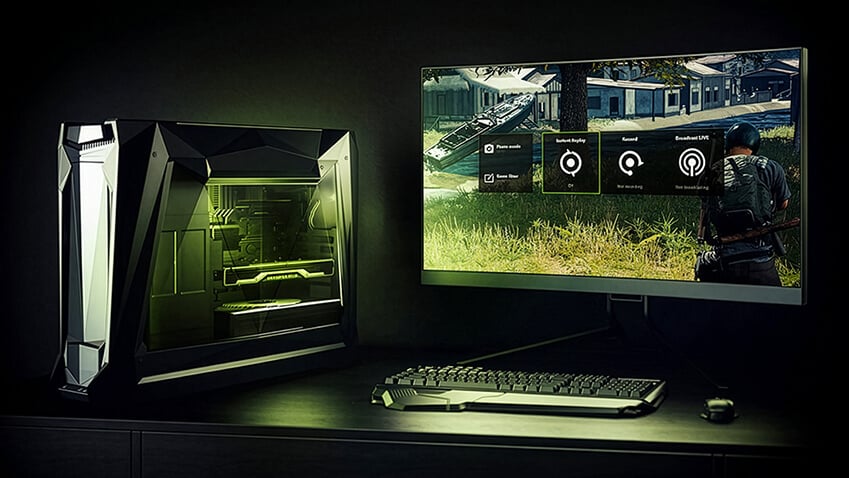
Since then, gaming has evolved significantly. Modern AAA titles are far more demanding than they were just a few years ago, requiring:
- More VRAM for higher-quality textures
- Greater GPU power for advanced graphics and effects
- Better optimisation for higher resolutions and more complex environments
As a result, entry-level GPUs like the RTX 3050 are now pushed much harder when running newer games. What once felt smooth at high settings may now require compromises to maintain stable performance.
Current Expectations in 2026
In 2026, the RTX 3050 is best understood as an entry-level GPU that still delivers value but with limitations.
It remains a good option for:
- 1080p gaming, especially with optimised settings
- Esports titles, where high frame rates are easier to achieve
- Casual gaming, where ultra settings are not essential
However, it does struggle more with modern AAA games, particularly at higher settings or resolutions. This is why it’s often described as a “budget-keeper” GPU; it still works, but requires realistic expectations.
RTX 3050 Gaming Performance
To evaluate RTX 3050 worth , real-world gaming performance is one of the most important factors to consider. While it may no longer compete with newer GPUs, it still delivers a usable experience, especially if you understand its strengths and limitations.
1080p Gaming Experience
For most users, RTX 3050 gaming performance is firmly centered around 1080p gaming, which is where this GPU performs best.
In practical terms, the RTX 3050 should now be seen as a strictly 1080p card. Moving to higher resolutions like 1440p is generally not recommended for modern titles, and 4K gaming is simply not viable on this GPU.
At 1080p, however, it can still deliver:
- Smooth gameplay in older and mid-tier titles
- Strong performance in esports games
- Playable frame rates in newer titles with optimised settings
In esports titles such as Valorant, CS2 and Fortnite, the RTX 3050 performs particularly well, often achieving 100+ FPS on high settings, making it a solid option for competitive players on a budget.
Performance in Modern AAA Games
When it comes to modern AAA titles, the RTX 3050 requires a more balanced approach.
In games like Cyberpunk 2077 or Hogwarts Legacy, you can expect:
- Around 50–60 FPS at 1080p
- A mix of medium to high settings for stable performance
- A smoother experience when DLSS is enabled
This highlights an important shift: the RTX 3050 is no longer about max settings, but about finding the right balance between visuals and performance.
VRAM Limitations and Real-World Constraints
One of the biggest challenges for the GeForce 3050 in 2026 is its 6GB VRAM limit.
Modern games are becoming more demanding, and this limitation can lead to:
- Stuttering at higher texture settings
- Reduced visual quality in newer titles
- Performance drops in more complex environments
This is one of the key reasons why the RTX 3050 is no longer considered future-proof, especially for AAA gaming.
How DLSS Helps Improve FPS
One of the biggest advantages of the RTX 3050 is support for DLSS (Deep Learning Super Sampling), which plays a crucial role in extending its lifespan.
DLSS helps by:
- Increasing frame rates without heavily impacting visual quality
- Making demanding games more playable
- Allowing slightly higher settings without sacrificing performance
For RTX 3050 users, DLSS is often essential. It can turn a borderline experience into a smooth one, especially in newer titles.
If you’re curious about real-world performance across different titles, you can explore RTX 3050 games 2026 to see what this GPU can handle today.
Ray Tracing Performance
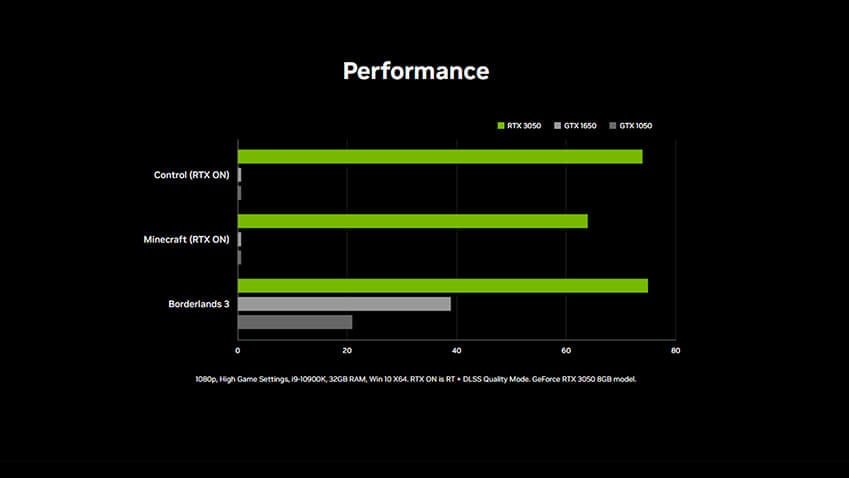
While the RTX 3050 technically supports ray tracing, it is generally not recommended for practical use.
Enabling ray tracing can:
- Significantly reduce frame rates
- Make gameplay less stable
- Require aggressive use of DLSS to remain playable
For most users, it’s better to disable ray tracing and focus on achieving smoother gameplay.
Is RTX 3050 Enough for Modern Games?
As gaming continues to evolve, one of the most common questions users ask is whether the RTX 3050 is still enough for modern games. The answer is not a simple yes or no; it depends on your expectations, the type of games you play and how willing you are to adjust your settings.
High vs Medium Settings Reality
In 2026, the RTX 3050 is no longer designed to run modern games at ultra settings. Instead, it performs best when you approach it with a more balanced mindset.
For most modern titles:
- Medium settings offer the best balance between performance and visual quality
- High settings are sometimes achievable, especially when using DLSS
- Ultra settings are generally not practical for stable gameplay
This means the RTX 3050 is still capable but it requires smart optimisation rather than pushing everything to the maximum. If you’re comfortable adjusting settings, you can still enjoy a smooth and visually pleasing experience.
VRAM Limitations
One of the biggest challenges for the GeForce 3050 in modern gaming is its 6GB VRAM capacity.
As newer games become more demanding, especially with high-resolution textures and detailed environments, this limitation starts to show. In real-world use, this can lead to:
- Lower texture quality in some games
- Reduced performance in more demanding scenes
- Occasional stuttering, particularly in newer AAA titles
This doesn’t make the RTX 3050 unusable, but it does mean you’ll need to be more selective with your settings especially when it comes to texture quality and memory-heavy features.
Competitive vs Casual Gaming
Where the RTX 3050 still shines is in competitive and casual gaming scenarios.
For esports titles like CS2, Valorant and Fortnite, it continues to deliver strong performance with high frame rates, making it a great option for players who prioritise smooth gameplay over graphical detail.
For casual gamers, the RTX 3050 remains a practical choice. If you’re not focused on max settings or the latest AAA titles, it can still provide a satisfying gaming experience.
However, for users who want to play the newest games at high settings or explore more demanding titles, the RTX 3050 is beginning to show its age.
Who Should Still Use RTX 3050?
| User Type | Why It Works (Benefits) |
| Casual Gamers | Ideal for occasional gaming with medium settings. Delivers smooth 1080p performance without needing high-end hardware. |
| Esports Players | Strong performance in competitive titles like CS2, Valorant and Fortnite, often achieving high frame rates for smooth gameplay. |
| Budget PC Users | Offers good value for money when building a budget gaming setup, especially if priced competitively. Suitable for entry-level gaming builds. |
Should You Upgrade from RTX 3050?
As we move further into 2026, deciding whether to upgrade from the RTX 3050 depends largely on how your current system performs and what you expect from your gaming experience. While the GPU is still usable, there are clear scenarios where upgrading becomes the smarter choice.
Signs It’s Time to Upgrade
If your current setup is starting to feel limited, it may be time to consider an upgrade. The RTX 3050 is now an entry-level option, and modern gaming demands can push it beyond its comfort zone.
You should think about upgrading if:
- Games are no longer running smoothly, even at medium settings
- You want to play at higher settings or resolutions like 1440p
- You’re noticing stuttering or performance drops in newer AAA titles
These signs indicate that your GPU is struggling to keep up with current demands.
Performance Bottlenecks
The RTX 3050 can become a bottleneck in several real-world scenarios.
For example:
- Modern AAA games require more power and VRAM than the 3050 can consistently provide
- High-resolution gaming (1440p or above) is generally not practical
- Multitasking or content-heavy workflows can push the GPU beyond its limits
This doesn’t mean the card is unusable but it does mean you’ll start to notice compromises more often.
Upgrade & Purchasing Advice (2026)
If you decide to upgrade or even if you’re still considering buying an RTX 3050; there are a few important things to keep in mind.
First, not all RTX 3050 variants are equal. In 2026, it’s strongly recommended to avoid 4GB models entirely, as they are no longer suitable for modern gaming. Instead, focus on 6GB or 8GB versions, which offer better performance and usability.
For desktop users, the 6GB RTX 3050 remains a practical option in specific scenarios. Its low power requirement (around 70W TDP) means it often doesn’t need an external power connector, making it an easy drop-in upgrade for older systems or budget builds.
If you’re buying a laptop, performance can vary significantly depending on the GPU’s power configuration. A RTX 3050 laptop with a higher TGP (around 90W–95W) will deliver noticeably better performance than lower-powered variants. However, if your budget allows, it’s often worth considering newer options like the RTX 4050 or RTX 5050, which provide a more future-proof experience.
In terms of alternatives, there are stronger options available in a similar price range. A used RTX 3060 or a new AMD RX 6600 can often outperform the RTX 3050 in raw gaming performance, especially in modern titles.
Cost vs Performance Value
Ultimately, upgrading is about value. While the RTX 3050 still works for basic gaming, newer GPUs offer:
- Better frame rates
- Improved efficiency
- Longer lifespan for future games
If you plan to keep your system for several years or want to play newer games at higher settings, upgrading becomes a more worthwhile investment.
How to Improve RTX 3050 Performance
If you’re still using an RTX 3050, the good news is that you can get more out of it with a few simple optimisations. While it may not be the most powerful option in 2026, smart adjustments can significantly improve your gaming experience, especially at 1080p.
Optimising Game Settings
One of the easiest ways to improve RTX 3050 performance is by adjusting in-game settings.
Instead of pushing everything to ultra, focus on:
- Lowering shadows and textures, which are often the most demanding
- Reducing post-processing effects like motion blur and reflections
- Using medium to high settings for a better balance of visuals and performance
These small changes can result in smoother frame rates without a major loss in visual quality.
Using DLSS and Upscaling
DLSS is one of the most valuable features available on the GeForce 3050. It uses AI to upscale lower-resolution images, allowing you to gain extra FPS while maintaining good image quality.
By enabling DLSS, you can:
- Improve performance in modern AAA games
- Run higher settings more comfortably
- Extend the usable lifespan of your GPU
For many users, DLSS is essential to getting the best experience from RTX 3050 gaming in 2026.
Driver and System Tweaks
Keeping your system optimised also plays an important role.
Make sure to:
- Update your NVIDIA drivers regularly
- Close unnecessary background applications
- Ensure your system is running efficiently
These tweaks help maintain stable performance and reduce potential issues during gameplay.
For more detailed guidance, you can explore RTX 3050 best settings to fine-tune your setup further.
Final Verdict!
If your focus is on 1080p gaming, esports titles and budget-friendly setups, the RTX 3050 still delivers usable performance. It remains a practical option for casual gamers and those who prioritise affordability over cutting-edge performance.
However, if you’re looking for high-end gaming, ultra settings or long-term future-proofing, the RTX 3050 is no longer the ideal choice. Modern games are becoming more demanding, and newer GPUs offer significantly better performance and efficiency.
If you’re considering your next step, you can explore a range of RTX 3050 GPUs for budget builds, compare them with high performance NVIDIA GPUs, or look at newer options like the latest 5050 GPUs for a more powerful and future-ready upgrade at Box.co.uk.
Frequently Asked Questions
Is an RTX 3050 good for gaming?
Yes, it’s good for 1080p gaming and esports titles, but struggles with newer AAA games on high settings.
Can RTX 3050 handle 144Hz?
Yes, in esports games but not consistently in modern AAA titles.
Should I upgrade RTX 3050?
Upgrade if you want higher performance, better graphics, or future-proofing.
How long will RTX 3050 last?
It can last a few more years for casual and esports gaming, but may struggle with future AAA games.
Is RTX 3050 enough for 1080p?
Yes, it’s still suitable for 1080p gaming with optimised settings.
You can pay with:
*PayPal Credit Representative Example: Assumed credit limit £1,200, Representative 23.9% APR (variable). Purchase rate 23.9% p.a (variable).Terms & Conditions apply.


PayPal Credit and PayPal Pay in 3 are trading names of PayPal UK Ltd, 5 Fleet Place, London, United Kingdom, EC4M 7RD. Terms and conditions apply. Credit subject to status, UK residents only, Five Tech LTD acts as a broker and offers finance from a restricted range of finance providers. PayPal Pay in 3 is not regulated by the Financial Conduct Authority. Pay in 3 eligibility is subject to status and approval. 18+. UK residents only. Pay in 3 is a form of credit. Check if affordable and how you will repay. May make other borrowing more difficult or expensive. See product terms for more details.
Copyright © 1996-2026 Fivetech LTD | Terms and Conditions
box.co.uk & Box are trading names of Five Tech Limited. Registered office: Box LTD, Unit 10 Woodford Trading Estate, Woodford Green IG8 8HF