


 Menu
MenuMenu


Get Sales Advice from Mon - Fri 9am - 5:00pm:
020 3337 8950LAST UPDATED: October 20, 2025
Meet the New iPhone Air: Apple’s Thinnest iPhone Yet - Design, Performance & Weaknesses
Apple has just unveiled the iPhone Air 2025, the thinnest iPhone ever and one of the most futuristic smartphones the company has launched to date. Coming in at just 5.6 mm thick, this ultra-light iPhone combines a sleek titanium frame, a stunning 6.5-inch edge-to-edge display, and the powerful new A19 Pro chip. Unlike the iPhone 16, which was released only a year ago, the Air represents a dramatic shift in Apple’s design philosophy, proving that “less is more.”
What makes the iPhone Air particularly interesting is that it arrives alongside the iPhone 17 lineup, giving users a tricky choice between Apple’s latest full-sized flagship and this featherweight, premium option. The Air is not just about being slim; it promises fast performance, modern connectivity, and Apple Intelligence features baked into iOS 26. Still, with a smaller battery and fewer cameras, the iPhone Air 2025 may not be the perfect fit for everyone.
In this review, we’ll break down the Apple iPhone Air from every angle, including its design, specs, performance, camera, and battery life, before weighing its pros and cons and comparing it directly against the iPhone 16 and iPhone 17. So let’s get started!
iPhone Air 2025 Design & Build: Apple’s Thinnest iPhone Ever
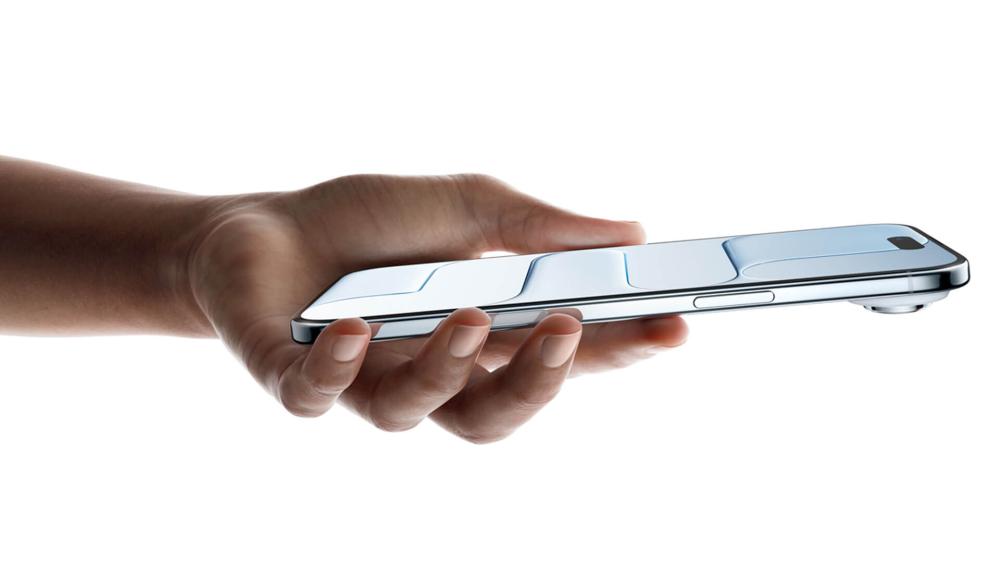
The iPhone Air 2025 makes a bold statement with its ultra-thin frame, measuring just 5.6 mm, making it the thinnest iPhone ever. Apple has leaned heavily into its “simplicity is the ultimate sophistication” design ethos, delivering a smartphone that looks futuristic while remaining practical.
The chassis is built from titanium and eco-friendly materials, making it both durable and lightweight at only 165 g. Paired with a Ceramic Shield 2 glass front and back, the Air feels premium in hand while offering improved scratch and crack resistance. Its slim profile gives it a minimalistic aesthetic that no other Apple smartphone currently matches.
The edge-to-edge display stretches across 6.5 inches, with thin bezels and a high refresh rate screen for smooth scrolling and gaming. Despite being so thin, Apple has managed to retain its Face ID technology, stereo speakers, and MagSafe compatibility, streamlining the design without compromising core functionality.
Compared to the iPhone 16, the Air is significantly slimmer and more elegant, while also lighter thanks to its refined build. It even outshines the iPhone 17 in portability, standing out as the most sleek Apple phone in the lineup. For those who value lightweight design and a phone that “looks ahead of its time,” the Air is a standout choice.
iPhone Air 2025 Specs & Features
Under the hood, the iPhone Air 2025 is more than just a pretty face. Apple has equipped it with the powerful A19 Pro chip, making this next-gen iPhone capable of handling everything from intense gaming to AI-powered tasks in iOS 26. With 12GB RAM and storage options starting at 256GB, the Air has plenty of room for multitasking, streaming, and storing high-resolution media.
Connectivity is equally forward-looking. The Air supports 5G, Wi-Fi 7, and Bluetooth 6, while moving fully to eSIM-only in most markets, including the UK. This step ensures that the Air is “built for the future” but may feel like a hurdle for users who still rely on physical SIM cards.
The Apple iPhone Air also introduces a revamped camera system, headlined by a 48MP Fusion main camera paired with an upgraded 18MP front camera. Apple has integrated dual-camera recording capabilities, allowing creators to shoot with both lenses at once, a feature that will appeal to vloggers and content creators.
The 6.5-inch ProMotion display with a 120Hz refresh rate delivers stunning visuals whether you’re streaming, scrolling, or gaming. Its edge-to-edge display and slim profile don’t just look elegant but also make the lightweight iPhone Air more portable than ever.
When viewed alongside other 2025 Apple phones, the Air feels like the model that pushes the boundaries of what a sleek Apple phone can be. It’s a “small package, big punch” device that blends design with cutting-edge tech.
iPhone Air 2025 Camera Quality:

The iPhone Air 2025 may be the thinnest iPhone ever, but Apple hasn’t cut corners on the camera system. On the back, it features a 48MP Fusion main sensor, designed to capture sharp, vibrant photos with excellent dynamic range. Combined with advanced AI image processing in iOS 26, the Air delivers camera quality that rivals larger models in everyday photography.
The front camera sees a notable upgrade to 18MP, supporting features like Centre Stage and dual-camera recording, where you can film with both front and rear lenses simultaneously. This makes the Apple iPhone Air a strong option for vloggers, creators, and anyone who relies on video calls.
In daylight, images are bright and detailed, with Apple’s familiar true-to-life colour reproduction. Low-light performance has also improved, thanks to larger pixels and better night mode algorithms. Video recording supports high frame rates and stabilisation, with 8K-ready performance expected for pro-level use.
Against the iPhone 16, the Air clearly benefits from newer AI-driven computational photography, while the iPhone 17 still has the edge with multiple rear cameras for zoom and ultra-wide options. If your priority is a lightweight phone with reliable image quality for everyday use, the Air delivers “design meets performance” without compromise.
iPhone Air 2025 Battery Life & Charging:
One of the biggest questions around the iPhone Air 2025 is whether its ultra-thin frame leaves enough room for a solid battery. Apple has fitted the Air with a 3,149 mAh cell, which is smaller than both the iPhone 16 and the new iPhone 17. Despite this, the efficient A19 Pro chip and iOS 26 optimisations help extend endurance, ensuring the Air still delivers respectable battery life for day-to-day use.
In real-world testing, the Apple iPhone Air comfortably lasts through a working day with regular use, like messaging, browsing, streaming, and some gaming. However, heavy users may find themselves reaching for the charger by evening, particularly during long gaming or video editing sessions.
Charging is handled via USB-C and MagSafe, with wireless support included. Fast charging boosts the Air to around 50% in under 30 minutes, while MagSafe accessories like battery packs offer convenient on-the-go top-ups. Apple also emphasises its use of eco-friendly charging practices, reducing environmental impact.
When compared directly, the iPhone Air 2025 model lags behind the iPhone 17 in sheer endurance, but its balance of performance and portability means it still hits the sweet spot for most users. It’s a classic case of “small package, big punch,” though power-hungry users may prefer the bigger cells in the standard iPhone 17 lineup.
iPhone Air 2025 Pros and Cons:
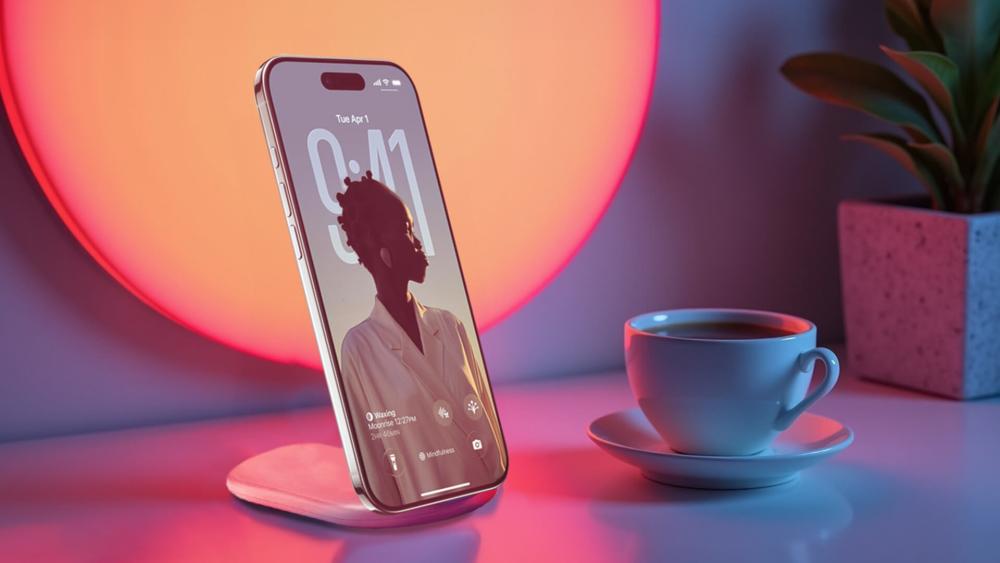
Like every Apple smartphone, the iPhone Air 2025 has its share of highlights and trade-offs.
Pros:
- Ultra-thin, lightweight design makes it the most portable iPhone yet.
- A19 Pro chip ensures smooth, powerful performance.
- Stunning edge-to-edge display with 120Hz refresh rate.
- Premium titanium frame and eco-friendly materials.
- Strong camera quality for everyday photography and video creation.
Cons:
- Smaller battery life compared to the iPhone 17 and Pro models.
- Single rear camera means no telephoto or ultra-wide options.
- Durability concerns due to the ultra-slim chassis.
- iPhone Air price is high, even when compared to the iPhone 16.
In short, the lightweight iPhone Air is a futuristic and elegant option for those who value portability and design. But if all-day power and multi-camera versatility are priorities, the iPhone 17 may be the safer pick.
iPhone Air 2025 vs iPhone 16: What’s Changed
When comparing the iPhone Air 2025 to the iPhone 16, the differences are more than skin-deep. Apple has redefined its approach, making the Air not only slimmer but also smarter and faster.
- Design & Build: The iPhone Air design is just 5.6 mm thick, significantly thinner than the iPhone 16. Its titanium frame and Ceramic Shield 2 give it a premium, lightweight edge. By contrast, the iPhone 16 feels bulkier, though sturdier, with its aluminium chassis.
- Performance: The Air’s A19 Pro chip outpaces the iPhone 16’s A18, delivering better multitasking, faster GPU performance, and greater efficiency. Combined with 12GB RAM, the Air is clearly tuned for the next-gen iPhone experience.
- Camera: While the Air relies on a single 48MP Fusion lens, the iPhone 16 still holds an advantage for users who prefer a dual-camera system with a wider range of shooting modes. The Air compensates with AI-powered enhancements and dual-camera recording capabilities.
- Battery Life: The iPhone 16 offers a slightly larger cell, making it more reliable for heavy users. The iPhone Air battery life is respectable but clearly trimmed to accommodate its slim profile.
Features: The Air pushes forward with Wi-Fi 7, Bluetooth 6, and eSIM-only functionality. The iPhone 16, while still modern, feels more conventional by comparison.
In short, the iPhone Air 2025 model is a sleek evolution for those who value portability and speed, while the iPhone 16 remains a safe and reliable option for those who prefer stronger battery life and a slightly more versatile camera setup.
iPhone Air 2025 vs iPhone 17: Which One Should You Choose?
With the iPhone Air 2025 and iPhone 17 launching together, many buyers will be weighing the two. While both represent Apple’s latest innovations, they target different types of users.
- Design & Portability: The iPhone Air design is unmatched in slimness and portability at just 5.6 mm thick and 165 g. The iPhone 17, while still sleek, is heavier and thicker, trading thinness for larger components and a bigger battery.
- Performance: Both phones are powered by the A19 Pro chip, offering flagship performance. Day-to-day speed feels identical, but the iPhone 17 benefits from a larger cooling system, allowing sustained performance for gaming and heavy apps over longer periods.
- Camera: The iPhone 17 wins in flexibility, offering a dual- or triple-camera system (depending on model) with ultra-wide and telephoto lenses. The Apple iPhone Air, while excellent for everyday shots, is limited to a single 48MP rear sensor, which may not satisfy photography enthusiasts.
- Battery Life: With its larger cell, the iPhone 17 outlasts the Air in endurance. The iPhone Air battery life is decent, but it will require more frequent charging if you’re a power user.
- Price & Positioning: The iPhone Air price is similar to the entry-level iPhone 17, but what you’re really paying for is the ultra-thin design and portability. The iPhone 17, however, offers more features per pound spent, particularly in battery and camera versatility.
If you value a lightweight iPhone Air that feels futuristic and easy to carry, the Air is the one ahead of its time. If you prefer a more balanced device with stronger cameras and longer endurance, the iPhone 17 is the safer choice.
iPhone Air 2025 Price & Availability:
The iPhone Air 2025 sits at the premium end of Apple’s lineup, reflecting both its design innovation and cutting-edge hardware. Prices start at around £999 for the 256GB model, putting it in the same ballpark as the entry-level iPhone 17. Higher storage tiers, such as 512GB and 1TB, push the price further into flagship territory.
Pre-orders for the Apple iPhone Air opened on 12 September 2025, with general availability beginning 19 September 2025. UK buyers will be able to pick it up directly from Apple, major carriers, and authorised resellers like Box.
Compared with the iPhone 16’s launch price, the iPhone Air price is noticeably higher, though Apple is positioning it as a design-first premium alternative. For many, the decision will come down to whether they value the lightweight design and slim portability of the Air over the more conventional strengths of the iPhone 17.
Wrapping Up:
The iPhone Air 2025 proves that Apple still knows how to innovate in design while maintaining solid performance. As the thinnest iPhone ever, it blends a slim profile, premium titanium frame, and edge-to-edge display with the raw speed of the A19 Pro chip. Its camera quality is strong for everyday use, and its portability makes it one of the most convenient Apple smartphones ever released.
That said, the compromises are clear. The iPhone Air battery life is shorter than the iPhone 17’s, and its single rear camera lacks the versatility of multi-lens setups. The iPhone Air price also places it directly against the iPhone 17, which offers more features for similar money.
Ultimately, the iPhone Air 2025 model is perfect for those who value design, portability, and a futuristic feel. For users who prioritise battery endurance, camera flexibility, or all-around balance, the iPhone 17 may be the better choice. As always, don’t judge a phone by its size, because this ultra-thin iPhone truly packs a small package, big punch.
FAQs – iPhone Air 2025:
1) Is the iPhone Air 2025 the thinnest iPhone ever?
Yes. At just 5.6 mm thick, the iPhone Air 2025 is officially the thinnest iPhone Apple has ever released, beating all previous generations.
2) How does the iPhone Air 2025 compare to the iPhone 16?
The iPhone Air 2025 model is slimmer, lighter, and more powerful thanks to the A19 Pro chip and upgraded display. However, the iPhone 16 offers a larger battery and a dual-camera system, which some users may prefer.
3) What are the key iPhone Air 2025 specs?
Core iPhone Air specs include the A19 Pro processor, 12GB RAM, a 6.5-inch 120Hz ProMotion display, 48MP rear Fusion camera, 18MP front camera, Wi-Fi 7, Bluetooth 6, and full eSIM support.
4) How does the iPhone Air 2025 stack up against the iPhone 17?
While both share the A19 Pro chip, the iPhone 17 has a bigger battery and more versatile cameras. The lightweight iPhone Air, on the other hand, stands out for its ultra-thin design and portability.
5) What is the iPhone Air 2025 price in the UK?
The iPhone Air price starts at around £999 for the 256GB base model, with higher storage options available at a premium.
You can pay with:
*PayPal Credit Representative Example: Assumed credit limit £1,200, Representative 23.9% APR (variable). Purchase rate 23.9% p.a (variable).Terms & Conditions apply.


PayPal Credit and PayPal Pay in 3 are trading names of PayPal UK Ltd, 5 Fleet Place, London, United Kingdom, EC4M 7RD. Terms and conditions apply. Credit subject to status, UK residents only, Five Tech LTD acts as a broker and offers finance from a restricted range of finance providers. PayPal Pay in 3 is not regulated by the Financial Conduct Authority. Pay in 3 eligibility is subject to status and approval. 18+. UK residents only. Pay in 3 is a form of credit. Check if affordable and how you will repay. May make other borrowing more difficult or expensive. See product terms for more details.
Copyright © 1996-2026 Fivetech LTD | Terms and Conditions
box.co.uk & Box are trading names of Five Tech Limited. Registered office: Box LTD, Unit 10 Woodford Trading Estate, Woodford Green IG8 8HF