


 Menu
MenuMenu


Get Sales Advice from Mon - Fri 9am - 5:00pm:
020 3337 8950LAST UPDATED: February 02, 2026
Should You Upgrade to the iPhone 17 from the iPhone 14 or 15? (Honest Guide for 2026)
Upgrading an iPhone used to be a simple decision. These days, with Apple releasing solid year-on-year updates, it's a lot harder to tell when an upgrade is actually worth your money. If you're currently using an iPhone 14 or Apple iPhone 15 and wondering whether it's time to upgrade to iPhone 17, you're definitely not alone.
On paper, the iPhone 17 looks like another polished step forward. Apple is pushing smarter performance, improved battery efficiency, and noticeable camera upgrades, especially when compared to older Pro and Pro Max models. But specs alone don't always translate into real-world benefits, particularly if your current phone still feels fast and reliable.
This guide takes an honest, practical look at whether upgrading to the iPhone 17 makes sense in 2026. We'll break down the differences between the iPhone 17, iPhone 14, and iPhone 15 series, covering performance, camera quality, battery life, and everyday usability. We'll also look at pricing, trade-in value, and whether buying outright or upgrading via contract offers better value.
If you're browsing the best iPhones, comparing new phones, or simply trying to decide which of today's latest phones actually delivers meaningful upgrades, this article will help you make the right call before committing.
Quick Answer – Who Actually Needs to Upgrade?
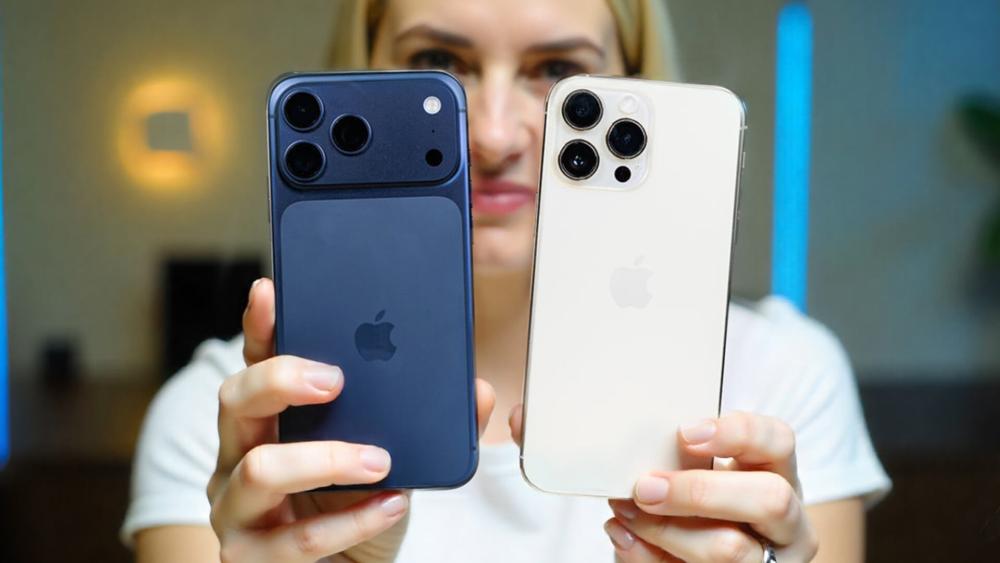
If you want the short version, upgrading to the iPhone 17 is less about chasing the newest model and more about how your current phone is holding up in daily use. The difference between models feels very different depending on whether you're coming from an iPhone 14 or an iPhone 15.
Below is the quickest way to decide if you should upgrade to iPhone 17 now, wait another year, or stick with what you've got.
If you're on iPhone 14
If you're still using an iPhone 14, the iPhone 17 upgrade feels like a genuine step forward rather than a minor refresh. Performance gains are noticeable, especially when multitasking, gaming, or using newer iOS features. Battery efficiency is also improved, which matters if your iPhone 14 is starting to struggle to last a full day.
Camera improvements are another key factor. The jump from the iPhone 14 Pro or iPhone 14 Pro Max to the iPhone 17 brings better low-light shots, more consistent video, and smarter image processing. If you take a lot of photos or videos, the iPhone 17 upgrade features are far easier to justify from this generation.
In short, if your iPhone 14 feels slower, drains faster, or you want a phone that will stay smooth for several more years, upgrading makes sense.
If you're on iPhone 15
For iPhone 15 users, the decision is more nuanced. The Apple iPhone 15 is still a strong performer in 2026, and for many people, it handles everyday tasks without any real issues. The iPhone 17 does improve efficiency, camera processing, and long-term software headroom, but the jump isn't as dramatic as it is from the iPhone 14.
If you're using an iPhone 15 Pro Max and you're happy with performance and battery life, you may not feel an immediate need to upgrade. However, users who push their phone harder, especially with gaming, video recording, or heavy multitasking, will notice the smoother experience on the iPhone 17.
If you should wait another year
Waiting is a sensible option if your current phone still lasts all day, takes photos you're happy with, and doesn't feel slow. If you upgraded to an iPhone 15 recently or mainly use your phone for messaging, browsing, and streaming, the iPhone 17 may feel like a nice-to-have rather than a must-have.
Holding off can also make sense if you're aiming to maximise trade-in value or see how Apple's next generation evolves. For many users, skipping a cycle remains the most cost-effective choice.
iPhone 17 vs iPhone 14 & 15: Specs at a Glance
Looking at specs side by side is often where the upgrade question becomes clearer. While the iPhone 14 and Apple iPhone 15 were strong releases in their own right, the iPhone 17 brings refinements that add up over time, especially if you plan to keep your phone for several years. Here's a quick spec comparison table to help you quickly compare the three ranges:
| Feature | iPhone 14 / 14 Pro | iPhone 15 / 15 Pro | iPhone 17 |
| Release generation | 2022 | 2023 | 2025 |
| Display | OLED, up to 120Hz (Pro models) | OLED, improved brightness, up to 120Hz (Pro models) | OLED, brighter display, smoother motion |
| Processor | A16-class chip | A17-class chip | Newer A-series chip with improved efficiency |
| Performance feel (2026) | Starting to show age in heavy use | Still strong for most users | Fastest and most future-proof |
| Rear camera | Triple camera on Pro models | Improved sensors and processing | Enhanced sensors and smarter image processing |
| Low-light photography | Good | Very good | Best consistency and detail |
| Video recording | Strong stabilisation | Improved video processing | Better stabilisation and low-light video |
| Front camera | Solid selfie quality | Sharper selfies | Improved detail and video calls |
| Battery life | Adequate, depends on battery health | Improved efficiency | Best efficiency and endurance |
| Charging | Wired & MagSafe | Wired & MagSafe | Wired & MagSafe, better efficiency |
| Storage options | Lower base storage | Improved base options | Higher base storage available |
| Software support | Several years left | Longer support window | Longest future support |
| Best for | Casual users, light upgrades | Power users who upgraded recently | Users wanting a long-term upgrade |
If you want detailed specifications for the iPhone 17 range, our iPhone 17 launch guide is a great starting point. Below, we break down the most important differences that affect day-to-day use when deciding whether to upgrade to iPhone 17.
Design and display changes
At first glance, the iPhone 17 doesn't radically change Apple's design language, but there are subtle improvements that make it feel more refined in hand. Weight distribution is slightly improved, and the chassis feels more balanced compared to the iPhone 14 Pro Max and iPhone 15 Pro Max.
The display sees incremental upgrades too. Brightness levels are higher, outdoor visibility is improved, and motion feels smoother during scrolling and gaming. While the iPhone 14 and iPhone 15 displays still hold up well, the iPhone 17 feels more polished, especially if you spend a lot of time watching content or playing mobile games.
Processor and performance
Performance is where the gap starts to widen. The newer chipset in the iPhone 17 delivers faster load times, better sustained performance, and improved efficiency compared to both the iPhone 14 and iPhone 15. This isn't just about raw speed, but how consistently the phone performs under pressure.
For gaming enthusiasts, this is one of the strongest reasons to upgrade to iPhone 17. Graphically demanding games run more smoothly, with fewer frame drops and less heat build-up. Over time, this performance headroom also means the phone is better prepared for future iOS updates and more demanding apps.
Storage options
Storage capacities across Apple's latest lineup have shifted notably with the iPhone 17 series, addressing a common pain point for power users and content creators. For the iPhone 14 and iPhone 15 generations, most models started at 128GB, which was increasingly tight for people who shoot lots of video or download large games and apps.
With the iPhone 17 range, Apple has doubled the baseline storage for all models:
- iPhone 17 — 256GB and 512GB options.
- iPhone 17 Pro — 256GB, 512GB, and 1TB options.
- iPhone 17 Pro Max — 256GB, 512GB, 1TB, and for the first time ever on an iPhone, 2TB of storage.
That 2TB variant represents Apple's largest storage tier yet, and it's especially appealing for users who capture lots of high-resolution photos and 4K/ProRes-quality video, store large offline game libraries, or like to keep a big media cache without relying on cloud storage.
For buyers comparing older models, this evolution means that someone upgrading from an iPhone 14 Pro or iPhone 15 Pro Max will often find the iPhone 17 lineup easier to live with right out of the box, no immediate storage stress and fewer early upgrades needed. Whether you plan to keep your phone for years or need space for creative work, the broader range, especially the 2TB option on the Pro Max, gives you far more flexibility than previous generations.
Camera Upgrades: Are the Photos Really Better?
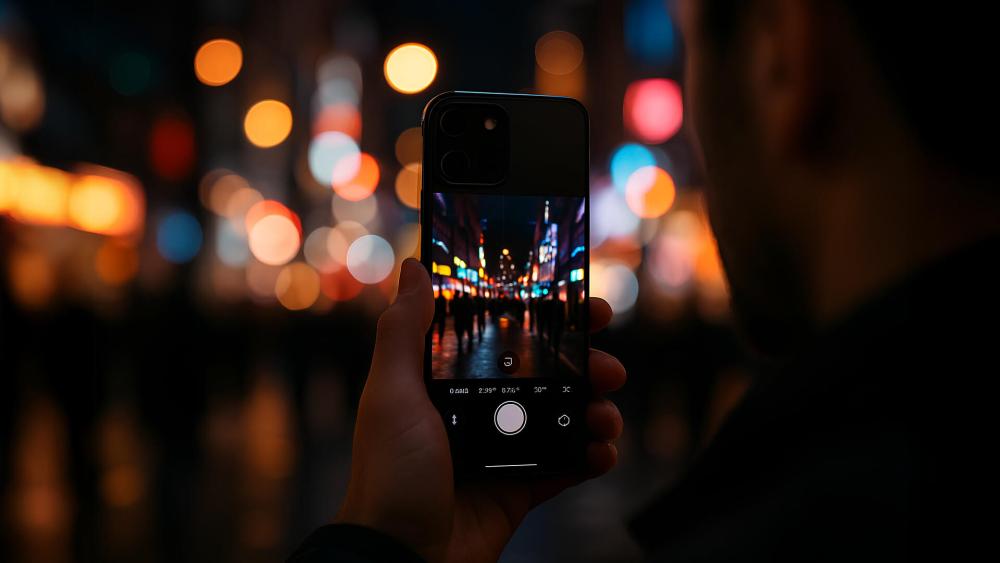
Camera performance is one of the biggest reasons people consider upgrading, especially when moving from an iPhone 14 or iPhone 15. On paper, the iPhone 17 doesn't reinvent mobile photography, but the improvements across sensors, processing, and video handling are much more noticeable in everyday use than raw megapixel numbers suggest.
If camera quality is high on your priority list, this is where the decision to upgrade iPhone 17 starts to make more sense.
Main camera improvements
The iPhone 14 Pro and iPhone 15 Pro Max both use a 48MP main sensor, and the iPhone 17 continues with a 48MP system rather than chasing higher megapixel counts. The difference comes from sensor refinement and image processing, not headline numbers.
Compared to the iPhone 14, photos taken on the iPhone 17 show more consistent exposure, better highlight control, and improved detail in challenging lighting. When comparing the iPhone 17 camera vs iPhone 14, colours are more balanced and fine textures are preserved more reliably, especially in mixed lighting situations.
Users upgrading from an Apple iPhone 15 will see a smaller jump, but image consistency is still improved. The iPhone 17 produces fewer missed shots, particularly when shooting quickly or capturing moving subjects.
Low-light and video upgrades
Low-light photography is where the iPhone 17 pulls ahead most clearly from older models. While the iPhone 14 already performs well at night, it can struggle with motion blur and uneven lighting. The iPhone 17 improves night shots with better noise control and faster processing, resulting in sharper images with less smearing.
Video recording also benefits from these changes. All three generations support 4K HDR video, but the iPhone 17 delivers steadier footage and more reliable exposure shifts when moving between bright and dark scenes. This is particularly noticeable when recording concerts, events, or gameplay clips for social media.
For users who regularly record video, these refinements make the iPhone 17 feel more dependable than both the iPhone 14 Pro Max and iPhone 15 Pro Max.
Front camera and selfie quality
The front-facing camera remains 12MP across generations, but improvements in processing make a difference on the iPhone 17. Selfies show better skin tone accuracy, while video calls appear sharper and more stable in lower light.
For everyday use such as FaceTime, social content, and authentication, the front camera on the iPhone 17 feels more polished than on the iPhone 14 and slightly more refined than on the iPhone 15.
Overall, while the camera upgrades may not look dramatic on a spec sheet, they are consistent and practical. If photography and video are central to how you use your phone, the improvements alone can help justify the decision to upgrade to iPhone 17.
Battery Life & Charging: Day-to-Day Differences
Battery life is one of the most important factors when deciding whether to upgrade to iPhone 17, especially if your current device no longer lasts a full day. While Apple rarely quotes headline battery capacities, the differences between the iPhone 14, iPhone 15, and iPhone 17 become clear through efficiency gains and real usage patterns.
Screen-on time comparison
In daily use, the iPhone 17 delivers more consistent screen-on time than both the iPhone 14 and Apple iPhone 15. This improvement comes primarily from a more efficient processor and better power management rather than a dramatic increase in battery size.
For iPhone 14 users, the difference is immediately noticeable. After two to three years of use, many iPhone 14 and iPhone 14 Pro Max devices struggle to comfortably reach the end of the day without a top-up, particularly with gaming, video streaming, or navigation. The iPhone 17 handles the same workload more reliably, even with heavy app usage.
Compared to the iPhone 15, the gains are smaller but still present. The iPhone 17 maintains performance for longer during demanding tasks, meaning fewer sudden battery drops during gaming sessions or extended camera use. Over time, this improved efficiency helps preserve battery health, which is an important factor if you plan to keep your phone for several years.
Charging speeds and efficiency
Charging methods remain familiar across all three generations, with wired charging and MagSafe supported on the iPhone 14, iPhone 15, and iPhone 17. However, the iPhone 17 benefits from improved charging efficiency, generating less heat during charging and maintaining more stable speeds when topping up.
In practical terms, this means quicker top-ups during short charging sessions and less thermal throttling when charging while using the phone. While charging speeds themselves haven't dramatically increased, the overall experience feels smoother and more reliable than on older models.
For users who frequently charge on the go or rely on quick boosts throughout the day, these refinements contribute to a better long-term ownership experience. Combined with stronger efficiency, battery performance becomes a genuine reason to upgrade iPhone 17, particularly for anyone moving from an iPhone 14 or an ageing Pro Max model.
New Features You Only Get on the iPhone 17
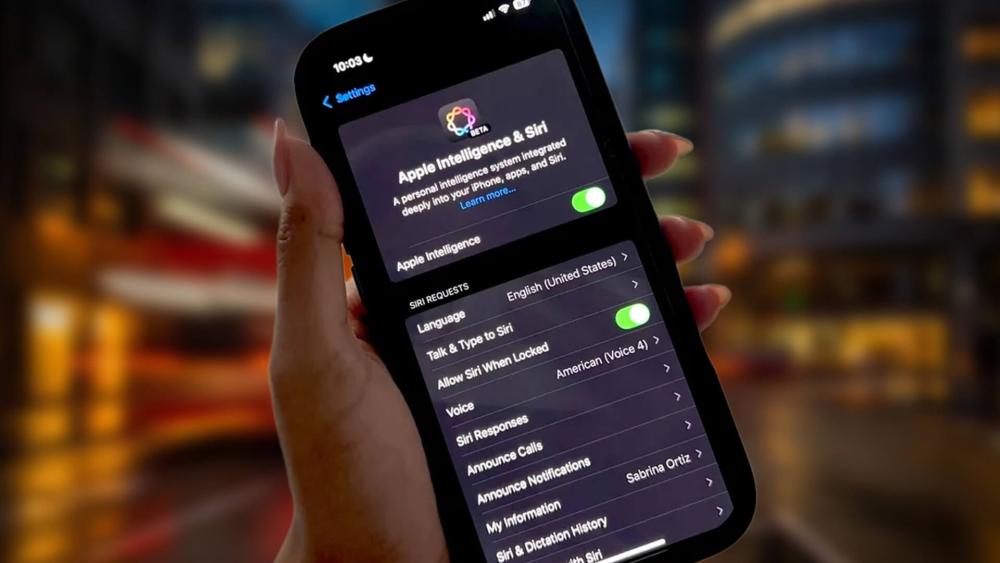
When deciding whether to upgrade to iPhone 17, raw performance and camera quality are only part of the picture. What often makes the biggest difference over time are the features that are exclusive to the newest hardware, particularly as iOS evolves and older devices begin to miss out.
The iPhone 17 introduces a set of changes that go beyond simple speed improvements, with a clear focus on smarter software behaviour, efficiency, and long-term usability.
Headline new features (AI, safety, and software)
One of the most noticeable upgrades on the iPhone 17 is how it handles on-device intelligence. New AI-driven features run locally rather than relying heavily on cloud processing, which improves speed, privacy, and reliability. Tasks such as photo enhancement, voice processing, and system-wide suggestions feel faster and more responsive compared to both the iPhone 14 and Apple iPhone 15.
Safety and background system features also benefit from the newer hardware. The iPhone 17 processes real-time data more efficiently, allowing safety tools and system monitoring to run continuously without a noticeable impact on battery life. This is something older models struggle to balance as iOS becomes more demanding.
These features are not always headline-grabbing, but they contribute to a phone that feels smoother and more dependable over long-term use, particularly if you plan to keep your device for several years.
Software tricks that actually matter in real use
Some iOS features introduced alongside the iPhone 17 are technically available on older devices, but they don't always perform the same way. On the iPhone 14 and iPhone 15, certain animations, multitasking behaviours, and background processes can feel slower or less consistent.
On the iPhone 17, these software tools feel properly optimised. App switching is faster, complex apps reload less often, and background tasks such as navigation or music playback are less likely to pause unexpectedly. For users who game, multitask, or rely on their phone for work throughout the day, these improvements quickly add up.
This is where the decision to upgrade to iPhone 17 becomes easier to justify. While individual features may seem small in isolation, the combined effect is a more responsive and future-proof device that keeps pace with Apple's software updates far better than older generations.
Price, Trade-In and UK Upgrade Deals
Price is often the deciding factor when choosing whether to upgrade iPhone 17, especially if your current phone still works well. While Apple's flagship pricing continues to climb, how much you actually pay depends heavily on trade-ins, contracts, and how you buy.
Typical UK pricing bands
At launch, the iPhone 17 series sits firmly in premium territory. Standard models are positioned at the lower end of Apple's flagship pricing, while Pro and Pro Max variants climb significantly depending on storage.
For buyers comparing options across new phones, the iPhone 17 remains one of the most expensive choices in the smart phones category. However, higher base storage and longer software support help balance the upfront cost, particularly if you keep your phone for several years rather than upgrading annually.
Trade-in value for iPhone 14 and 15
Trade-in value plays a big role in whether upgrading feels worthwhile. In 2026, the iPhone 15 still holds strong resale and trade-in value, especially Pro and Pro Max models. This can significantly reduce the effective cost of upgrading to the iPhone 17.
The iPhone 14, while still supported, has seen more noticeable depreciation. That said, trading in an iPhone 14 Pro or iPhone 14 Pro Max can still knock a meaningful amount off the price of a new handset, making the upgrade easier to justify if battery health or performance is starting to dip.
If you're upgrading specifically to future-proof your device, using trade-in value sooner rather than later often makes more financial sense.
Monthly contract vs SIM-only + handset
In the UK, there are two main ways to upgrade iPhone 17: buying outright and pairing it with a SIM-only plan, or spreading the cost through a monthly contract.
Buying outright offers the most flexibility and can be cheaper long-term, especially if you already have a competitive SIM-only deal. This route appeals to users who like to keep control over upgrades and avoid long commitments.
Monthly contracts, on the other hand, lower the upfront cost and bundle the handset with data and minutes. For many buyers browsing phones online, this is the simplest way to move to a new device, even if it costs more overall.
Ultimately, the better option depends on your budget and how often you upgrade. If you plan to keep the iPhone 17 for several years, buying outright often delivers better value. If convenience matters more, a contract can still be a sensible choice.
Should iPhone 14 Owners Upgrade to iPhone 17?
If you're using an iPhone 14 in 2026, the decision to upgrade iPhone 17 is far more clear-cut than it is for newer models. After several years of daily use, the gaps in performance, battery life, and camera reliability are easier to notice, especially if your phone is no longer in perfect condition.
When it's worth it
Upgrading from an iPhone 14 makes sense if your current phone is starting to show its age. Battery health is often the biggest trigger. Many iPhone 14 and iPhone 14 Pro Max devices now struggle to comfortably last a full day, particularly with gaming, navigation, or video streaming.
Performance is another factor. While the iPhone 14 still handles basic tasks well, heavier apps and newer games load slower and drain the battery faster than they do on the iPhone 17. The newer processor delivers smoother gameplay, quicker app switching, and better long-term support for future iOS updates.
Camera improvements are also more noticeable from this generation jump. The difference between the iPhone 17 camera vs iPhone 14 is clear in low-light photos, video stability, and overall consistency. If photography or video recording is important to you, upgrading feels justified rather than indulgent.
For users who want a phone that will comfortably last another four to five years, the iPhone 17 is a strong upgrade from the iPhone 14.
When you should keep your 14 longer
That said, upgrading isn't essential for everyone. If your iPhone 14 still has good battery health, performs smoothly for your daily needs, and takes photos you're happy with, there's no urgent reason to upgrade.
Casual users who mainly use their phone for messaging, browsing, social media, and streaming may find the differences less impactful. In these cases, holding on for another year can help you get more value out of your current device and potentially benefit from better trade-in timing later.
Ultimately, the iPhone 14 remains a capable phone, but for many users, 2026 is the point where upgrading to iPhone 17 starts to feel practical rather than premature.
Should iPhone 15 Owners Upgrade to iPhone 17?
If you're currently using an Apple iPhone 15, deciding whether to upgrade to iPhone 17 is less straightforward. The iPhone 15 generation is still relatively modern in 2026, and for many users, it continues to deliver strong performance, good battery life, and reliable camera results.
That doesn't mean the iPhone 17 offers nothing new, but the gains are more situational than essential.
Small vs big gains
For most iPhone 15 users, the improvements with the iPhone 17 fall into the category of refinement rather than transformation. Performance is smoother and more consistent, especially during demanding tasks like gaming or video recording, but everyday actions such as messaging, browsing, and streaming won't feel dramatically different.
Camera upgrades are also incremental. While the iPhone 17 produces more consistent results, particularly in low light and video, the jump from an iPhone 15 or iPhone 15 Pro Max is not as obvious as it is from the iPhone 14. Unless you regularly push your camera in challenging conditions, the difference may be subtle.
Where the upgrade starts to make more sense is longevity. The iPhone 17 benefits from newer hardware that will handle future iOS features more comfortably, which matters if you plan to keep your phone for several years without upgrading again.
Who should definitely wait
If your iPhone 15 still lasts all day, performs well, and meets your needs, waiting is often the smarter choice. This is especially true for users who upgraded to an iPhone 15 recently or mainly use their phone for light to moderate tasks.
From a value perspective, holding on also helps you avoid rapid depreciation. The iPhone 15 retains strong trade-in value, and delaying your upgrade could put you in a better position financially when Apple's next generation arrives.
For most iPhone 15 owners, the iPhone 17 is best viewed as a long-term upgrade option rather than an immediate necessity. Unless you specifically want the latest features or plan to keep your next phone for many years, waiting another cycle is often the sensible move.
FAQs
How long will Apple support the iPhone 14 and 15?
Apple typically provides around six to seven years of iOS updates from a model's release. The iPhone 14, launched in 2022, should continue receiving major updates for several more years, while the Apple iPhone 15 will be supported even longer.
That said, newer iOS features are increasingly optimised for newer hardware. While the iPhone 14 and 15 will remain supported, some advanced features and performance improvements will work best on newer models like the iPhone 17.
Is it cheaper to buy outright or upgrade on contract in the UK?
Buying outright and pairing your phone with a SIM-only deal is usually cheaper in the long run, especially if you keep your phone for several years. This option offers more flexibility and avoids long contracts.
Upgrading on a monthly contract spreads the cost and reduces upfront payment, which can be appealing, but often costs more overall. The better option depends on your budget and how frequently you upgrade.
Will the iPhone 17 feel faster than the iPhone 15 in everyday use?
In basic tasks like messaging, browsing, and streaming, the difference between the iPhone 15 and iPhone 17 is subtle. However, during gaming, multitasking, and camera use, the iPhone 17 feels smoother and more consistent, particularly under sustained load.
The biggest benefit is longevity, as the iPhone 17 is better equipped to handle future iOS updates without slowdown.
Is the iPhone 17 camera noticeably better than the iPhone 14 Pro Max?
Yes, particularly in low-light photography and video. While both phones use high-quality 48MP sensors, the iPhone 17 delivers more consistent exposure, better noise control, and steadier video.
For users who regularly take photos or record video, the difference between the iPhone 17 camera vs iPhone 14 is noticeable in real-world conditions.
Does the iPhone 17 support more storage than previous models?
Yes. The iPhone 17 series starts at 256GB across the range, and the iPhone 17 Pro Max introduces a 2TB storage option, the highest capacity ever offered on an iPhone. This is a major upgrade for users who store large files, games, or high-resolution video locally.
Should I upgrade to iPhone 17 now or wait for the next model?
If you're using an iPhone 14 and experiencing battery or performance issues, upgrading now makes sense. For iPhone 15 users who are still happy with their phone, waiting another year is a reasonable option.
The iPhone 17 is best suited to users who want long-term reliability, improved efficiency, and higher storage headroom, rather than those chasing minor year-on-year changes.
You can pay with:
*PayPal Credit Representative Example: Assumed credit limit £1,200, Representative 23.9% APR (variable). Purchase rate 23.9% p.a (variable).Terms & Conditions apply.


PayPal Credit and PayPal Pay in 3 are trading names of PayPal UK Ltd, 5 Fleet Place, London, United Kingdom, EC4M 7RD. Terms and conditions apply. Credit subject to status, UK residents only, Five Tech LTD acts as a broker and offers finance from a restricted range of finance providers. PayPal Pay in 3 is not regulated by the Financial Conduct Authority. Pay in 3 eligibility is subject to status and approval. 18+. UK residents only. Pay in 3 is a form of credit. Check if affordable and how you will repay. May make other borrowing more difficult or expensive. See product terms for more details.
Copyright © 1996-2026 Fivetech LTD | Terms and Conditions
box.co.uk & Box are trading names of Five Tech Limited. Registered office: Box LTD, Unit 10 Woodford Trading Estate, Woodford Green IG8 8HF