


 Menu
MenuMenu


Get Sales Advice from Mon - Fri 9am - 5:00pm:
020 3337 8950LAST UPDATED: March 11, 2026
Intel Core Series 2 Arrives: Why Real-Time Edge Computing Is About to Get Faster
The rise of edge computing has changed how modern systems handle data. Instead of sending everything to the cloud, organisations increasingly process information directly where it's generated. This shift demands faster processors, better AI capabilities, and extremely low latency.
That is exactly where Intel Core series 2 technology enters the picture.
The latest generation of Intel Core processors is designed to support next generation edge computing with improved AI capabilities, enhanced throughput, and deterministic performance for real-time workloads. These chips focus heavily on Intel edge computing use cases such as industrial automation, healthcare monitoring, smart infrastructure, and AI-driven analytics.
For organisations building distributed computing environments, the new Intel Core series 2 processors deliver significant improvements in AI acceleration, multi-thread performance, and low-latency processing. They are designed to power Intel edge AI workloads efficiently, enabling faster decision-making in systems where milliseconds matter.
This guide will walk you through everything about Intel Core Series 2 processors. So without further ado, let's get to it.
What Is Intel Core Series 2?
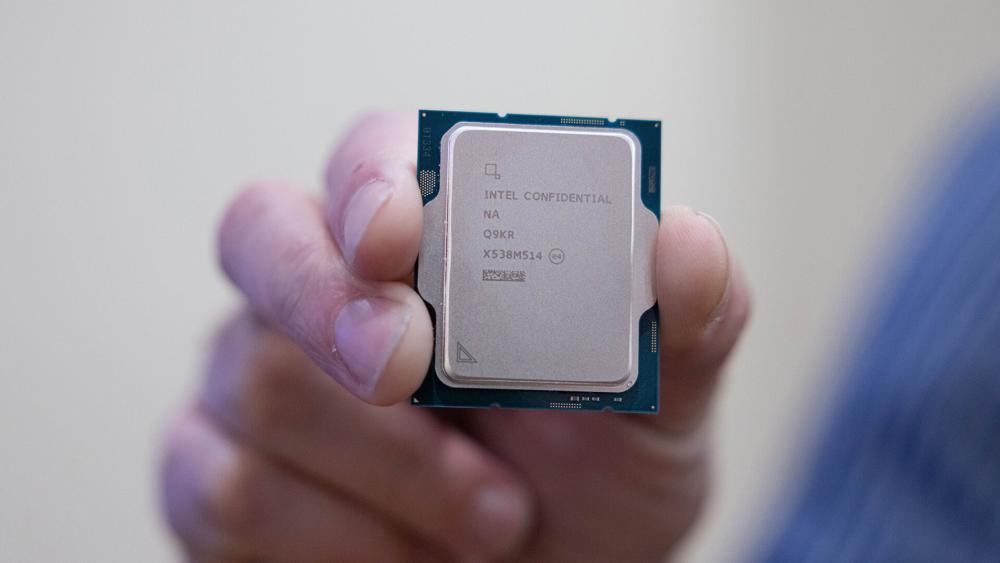
The Intel Core series 2 platform represents the next evolution of Intel's processor architecture built to support AI workloads and edge computing environments. These Intel chips are engineered to deliver powerful compute performance while maintaining efficiency across distributed systems.
Unlike traditional processors focused primarily on desktop computing, the new generation of edge AI processors is designed for real-time processing environments where large volumes of data must be analysed instantly.
Key Architectural Highlights
The Intel Core series 2 processors include several improvements that make them well suited for modern edge deployments:
- Up to 24 cores combining performance and efficiency cores
- Boost frequencies reaching around 5.6 GHz
- Support for PCIe Gen 5 and Gen 4 connectivity
- Compatibility with DDR4 and DDR5 memory
- High bandwidth connectivity for sensors and peripherals
- Integrated graphics for visual computing workloads
These capabilities enable faster AI inference, high-speed data processing, and efficient system scaling across distributed computing platforms. Intel designed this generation specifically to power AI-driven edge environments, from smart factories to immersive retail systems.
The flexibility of the Intel Core series 2 architecture also allows organisations to upgrade existing systems more easily. Many processors maintain compatibility with previous Intel Core platforms, simplifying deployments across enterprise and industrial environments.
For builders assembling performance-focused systems, browsing the latest processors is a good way to compare modern CPU options.
Why Real-Time Edge Computing Matters
The importance of Intel edge computing continues to grow as organisations deploy more connected devices and IoT infrastructure.
Traditional cloud processing introduces latency. Data must travel from the device to a remote data centre before returning with instructions. In applications such as robotics or industrial automation, this delay can create operational risks.
Real-time edge computing eliminates that delay.
Key Advantages of Edge Computing Architecture
1- Latency Reduction
Processing data locally allows systems to respond instantly. This is essential for real-time control systems and autonomous technologies.
2- Reduced Bandwidth Usage
Only important insights are sent to the cloud. Raw data can be processed locally, reducing network load.
3- Improved Reliability
Edge devices continue functioning even if connectivity to cloud infrastructure fails.
4- Better Privacy and Security
Sensitive data can be processed locally rather than transmitted across networks.
This shift is driving demand for more capable edge AI chip solutions and advanced real-time processing CPUs. The Intel Core series 2 processors are built to address these requirements, enabling AI inference at the edge and supporting complex industrial workloads.
Businesses deploying edge solutions often integrate these processors into business desktop systems or industrial workstations that operate continuously in demanding environments.
How Intel Core Series 2 Fits Into Modern Edge Computing Architecture
Edge computing environments are built around distributed processing layers that operate closer to the data source. The Intel Core series 2 architecture fits directly into this design by enabling powerful computing at the network edge rather than relying solely on centralised cloud servers.
A typical edge computing architecture includes several layers:
Edge Devices
Sensors, cameras, industrial machines, and IoT devices collect large volumes of data. These systems generate continuous streams of information that must often be processed immediately.
Edge Gateways
Edge gateways act as intermediaries between devices and computing platforms. They aggregate data, manage device connectivity, and prepare workloads for processing.
Edge Servers and Processing Nodes
This is where Intel Core series 2 processors deliver the most value. Edge servers powered by these processors handle AI inference, analytics, and control logic directly within the local environment.
Because these real-time processing CPUs support high core counts and fast turbo frequencies, they can analyse multiple data streams simultaneously without introducing delays. Intel Core Series 2 chips can scale up to 24 cores with turbo speeds approaching 5.6 GHz, allowing them to process compute-intensive workloads at the edge.
Cloud Integration
Even in edge environments, cloud infrastructure still plays an important role. Processed data, insights, and analytics results are often synchronised with cloud platforms for long-term storage and large-scale analysis.
The benefit of this distributed approach is latency reduction. Instead of sending every data packet to the cloud, the Intel edge computing layer handles urgent workloads locally.
This architecture is especially important for industrial AI platforms, robotics, and real-time control systems where even small delays can affect operations.
How Intel Core Series 2 Improves Edge AI Performance
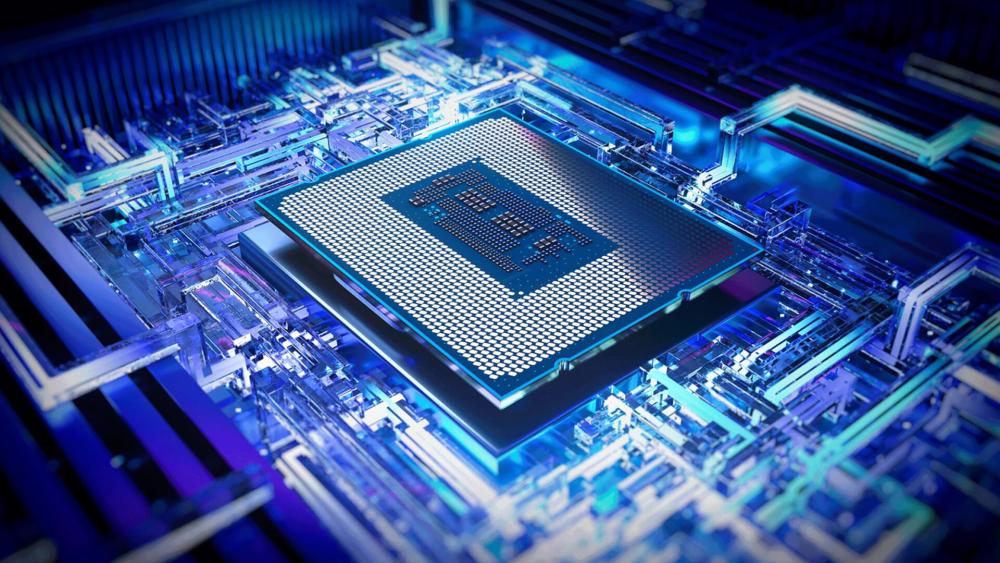
A major focus of the Intel Core series 2 architecture is improving performance for Intel edge AI workloads.
AI applications require fast compute resources capable of handling parallel processing, data streaming, and inference tasks simultaneously. These requirements are especially critical in industrial computing processors used in factories, logistics systems, and healthcare environments.
Hybrid Core Architecture
The Intel Core Series 2 processors feature hybrid designs combining:
- Performance cores (P-cores) for heavy workloads
- Efficiency cores (E-cores) for background processing
This hybrid architecture helps distribute workloads efficiently across the processor. High-priority tasks receive maximum compute power while lower-priority processes run on energy-efficient cores.
The result is stronger multi-thread performance, better power efficiency, and improved responsiveness for real-time computing systems.
AI Acceleration at the Edge
Many Intel AI chip platforms now include specialised AI acceleration capabilities. These features enable fast processing for:
- Video analytics
- Image recognition
- Predictive maintenance
- Machine vision
- Smart surveillance
With support for AI acceleration and high-speed connectivity, Edge AI processors built on the Intel Core Series 2 architecture can run advanced AI models directly on local systems rather than relying on cloud processing.
For engineers building systems that demand peak performance, pairing CPUs with faster desktop RAM helps maximise throughput for AI and machine learning workloads.
Key Features Powering Next Generation Edge Computing
The Intel Core Series 2 platform introduces several innovations that make it ideal for next generation edge computing deployments.
High Core Counts and Performance Scaling
The ability to scale up to 24 cores allows these real-time processing CPUs to handle demanding workloads such as distributed analytics, industrial control, and AI inference simultaneously.
Advanced Memory Support
Support for both DDR4 and DDR5 provides flexibility for system designers. Faster memory bandwidth improves the speed of data processing, which is critical for edge computing architecture where large data streams must be analysed quickly.
PCIe Gen 5 Expansion
Modern edge AI chip platforms often rely on accelerators such as GPUs, network cards, and high-speed storage devices. PCIe Gen 5 enables faster communication between these components and the CPU.
Long Lifecycle Support
Industrial and embedded systems often operate for many years without hardware changes. The Intel Core series 2 processors offer long-term availability, making them suitable for mission-critical deployments.
System builders often combine these processors with Intel-compatible motherboard options to create scalable infrastructure platforms capable of supporting AI, IoT, and distributed computing workloads.
Industries Benefiting from Edge AI Processors
The performance improvements delivered by Intel Core Series 2 technology make it highly valuable across multiple industries.
These processors enable organisations to deploy powerful Intel edge computing platforms capable of running advanced analytics and AI workloads directly at the source of data generation.
Manufacturing Automation
Factories increasingly rely on AI-driven systems for predictive maintenance, machine vision, and robotics.
Edge AI processors allow manufacturers to analyse production data in real time. This helps detect equipment failures early and improve production efficiency.
Healthcare Monitoring Systems
Healthcare devices generate huge amounts of real-time data.
Intel edge AI platforms powered by Intel Core Series 2 processors can process medical imaging, patient monitoring data, and diagnostic analytics locally while maintaining strict privacy requirements.
Smart Cities and Surveillance
Urban infrastructure increasingly depends on real-time analytics.
Edge systems powered by industrial computing processors can run facial recognition, traffic monitoring, and anomaly detection algorithms locally to reduce latency and improve response times.
Retail and Immersive Environments
Retailers use AI to analyse customer behaviour, optimise store layouts, and manage inventory.
High-performance Intel AI chip platforms enable interactive displays, real-time analytics, and AI-driven recommendation systems.
Across these industries, the ability to process data instantly at the edge is transforming how businesses operate.
Building Systems with Intel Core Series 2
Organisations planning to deploy next generation edge computing infrastructure should consider several hardware factors when designing systems around the Intel Core Series 2 processors.
Processor Selection
Choosing the right CPU depends on workload requirements such as:
- AI model complexity
- real-time processing demands
- number of connected sensors
- required throughput
Exploring Intel processors for advanced workloads can help identify suitable options.
Memory and Bandwidth
High-speed memory plays a major role in AI processing and data analytics.
Systems running Intel Edge AI applications benefit from fast DDR5 modules and large memory capacities to support heavy datasets.
Motherboard Compatibility
Selecting compatible motherboards ensures reliable connectivity for accelerators, networking hardware, and storage devices.
Browse Intel-compatible motherboard options at Box when planning new system builds.
Scalable Infrastructure
Many edge systems operate in distributed networks. Using modular components such as desktop systems can simplify upgrades and long-term maintenance.
The Future of Edge Computing with Intel
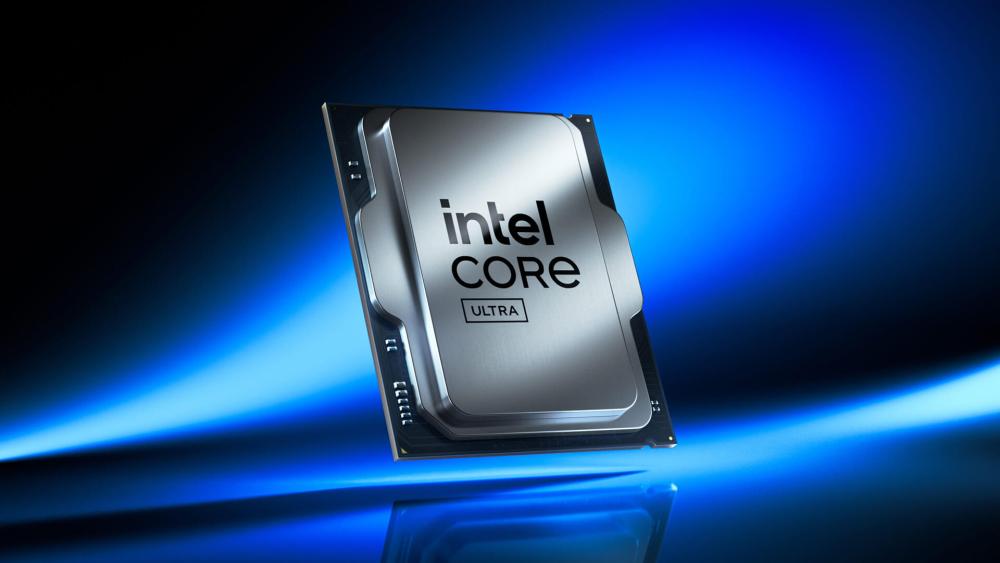
The evolution of Intel Core Series 2 technology reflects a broader shift in computing architecture.
Instead of relying entirely on centralised cloud infrastructure, modern systems distribute processing across networks of edge devices. This approach improves performance, reduces latency, and enables AI-driven automation across industries.
As Intel Edge computing platforms continue evolving, future processors will likely focus on:
- stronger AI acceleration
- improved power efficiency
- expanded connectivity
- better support for distributed computing environments
The Intel Core Series 2 processors represent a significant step toward that future, enabling faster real-time workloads, smarter AI systems, and more responsive computing environments.
For organisations deploying AI and edge solutions, investing in modern Intel Core processors ensures infrastructure remains ready for tomorrow's workloads.
FAQs
What is the Intel Core Series 2?
Intel Core Series 2 refers to a new generation of Intel processors designed to support modern computing demands such as AI workloads, edge computing, and real-time data processing. These processors include hybrid core architectures, high clock speeds, and support for advanced memory and connectivity technologies.
Why is real-time edge computing important?
Real-time edge computing processes data locally rather than sending it to remote cloud servers. This reduces latency, improves reliability, and enables instant responses for applications such as robotics, healthcare monitoring, and industrial automation.
How does Intel Core Series 2 improve performance?
The Intel Core series 2 processors improve performance through hybrid core designs, high clock speeds, advanced AI acceleration capabilities, and support for modern technologies such as PCIe Gen 5 and DDR5 memory.
What industries benefit from edge computing processors?
Industries such as manufacturing, healthcare, retail, smart cities, and transportation benefit from edge AI processors because they allow systems to process data in real time and make immediate decisions without relying on cloud infrastructure.
What is AI inference at the edge?
AI inference at the edge refers to running AI models locally on edge devices rather than in cloud data centres. This enables faster responses, reduced latency, and improved privacy for applications like video analytics, machine vision, and predictive maintenance.
You can pay with:
*PayPal Credit Representative Example: Assumed credit limit £1,200, Representative 23.9% APR (variable). Purchase rate 23.9% p.a (variable).Terms & Conditions apply.


PayPal Credit and PayPal Pay in 3 are trading names of PayPal UK Ltd, 5 Fleet Place, London, United Kingdom, EC4M 7RD. Terms and conditions apply. Credit subject to status, UK residents only, Five Tech LTD acts as a broker and offers finance from a restricted range of finance providers. PayPal Pay in 3 is not regulated by the Financial Conduct Authority. Pay in 3 eligibility is subject to status and approval. 18+. UK residents only. Pay in 3 is a form of credit. Check if affordable and how you will repay. May make other borrowing more difficult or expensive. See product terms for more details.
Copyright © 1996-2026 Fivetech LTD | Terms and Conditions
box.co.uk & Box are trading names of Five Tech Limited. Registered office: Box LTD, Unit 10 Woodford Trading Estate, Woodford Green IG8 8HF