


 Menu
MenuMenu


Get Sales Advice from Mon - Fri 9am - 5:00pm:
020 3337 8950LAST UPDATED: February 11, 2026
HP vs Dell Laptops: Key Differences You Need to Know in 2026
Choosing between HP vs Dell laptops in 2026 is no longer just about brand loyalty. Both companies offer excellent machines, but they are designed with different priorities in mind.
HP tends to focus on value, design, and accessibility across a wide range of users, while Dell leans heavily into durability, long-term reliability, and premium performance; especially for professionals.
If you’re asking, "Dell or HP laptop; which is better?", this guide will walk you through the real differences so you can confidently choose the right laptop for your needs.
HP vs Dell: How the Brands Differ in 2026
At a brand level, HP and Dell still approach laptop design and development from noticeably different angles in 2026, even though they often compete in the same price and performance brackets.
| Feature | Winner | Why It Matters in 2026 |
| Best Overall Value | HP | HP offers stronger specs for the price in the mid-range, particularly with Pavilion and Envy models that balance performance, design, and affordability. |
| Best Premium Design & Build | Dell | Dell’s XPS range continues to lead in chassis rigidity, materials, and long-term durability, especially for users who keep laptops for several years. |
| Best Battery Life | Dell | Dell XPS and Latitude laptops consistently deliver longer real-world battery life for all-day productivity and mobile professionals. |
| Best for Gaming | Dell | Alienware gaming laptops offer better cooling headroom, higher sustained GPU power, and more consistent performance during long gaming sessions. |
| Best for Business Use | Dell | Dell Latitude laptops stand out with enterprise-grade security, manageability, and stronger after-sales support options. |
| Best for Students & Everyday Use | HP | HP laptops are lighter, more design-focused, and generally more affordable, making them ideal for students and home users. |
HP laptops are built around choice and accessibility, offering a wide range of models that prioritise modern design, lighter builds, and strong value for money. From everyday Pavilion systems to premium Envy laptops and gaming-focused OMEN models, HP appeals to students, home users, creatives, and gamers who want up-to-date hardware and stylish designs without paying a heavy premium. Frequent refresh cycles also mean HP buyers often get newer features and displays at competitive prices.
Dell laptops, in contrast, focus on longevity and consistency. Dell places greater emphasis on build quality, thermal stability, battery endurance, and long-term reliability, particularly across its XPS, Latitude, and Alienware ranges. This approach makes Dell a popular choice for professionals and business users who rely on sustained performance and dependable support over many years.
Ultimately, the question of HP vs Dell laptop which is better comes down to priorities. HP tends to win on style, value, and variety, while Dell stands out for durability, support, and long-term dependability.
Performance and Laptop Range Comparison

When comparing HP vs Dell laptops, one of the biggest differences is how each brand structures its product range and performance tiers. Both offer options that cover everyday use, professional work, and gaming, but they approach this in noticeably different ways.
HP laptops are organised around clear performance and price tiers, which makes it easier for buyers to step up or down depending on budget. Pavilion models are designed for everyday tasks like browsing, office work, and streaming, offering solid performance at accessible prices. Moving up, Envy laptops introduce stronger processors, better displays, and more refined designs, making them suitable for creative users, multitasking professionals, and premium home setups. At the top end, HP Omen gaming laptops are purpose-built for performance, featuring dedicated GPUs, higher refresh rate displays, and more advanced cooling systems to handle modern games and demanding workloads.
Dell laptops take a more use-case-driven approach. Inspiron models cover home and student needs, focusing on reliability, sensible performance, and broad configuration options. XPS laptops sit firmly in the premium category, prioritising portability, battery life, and build quality for users who work long hours on the move. Dell’s business-focused lines are engineered specifically for professional environments, with durability, security features, and long-term support as key priorities.
For buyers weighing Dell versus Hp laptops, this means HP often offers more flexibility across price points, while Dell’s range can feel more purpose-built for specific roles. HP gives you more choice within each tier, whereas Dell focuses on optimising each line for a defined type of user.
HP Envy vs Dell XPS: Premium Laptop Face-Off
The HP Envy vs Dell XPS comparison is one of the most common questions among users shopping for a premium laptop in 2026, and the reason is simple: both aim to deliver high performance in slim, stylish designs.
HP Envy laptops tend to strike a balance between power and value. They usually offer strong CPUs, generous RAM options, and high-quality displays at prices that are more approachable than ultra-premium competitors. Envy models are particularly popular with creatives, students, and professionals who want a premium feel without paying top-tier flagship pricing. They also tend to offer more configuration flexibility at mid-range price points.
Recommended Product:
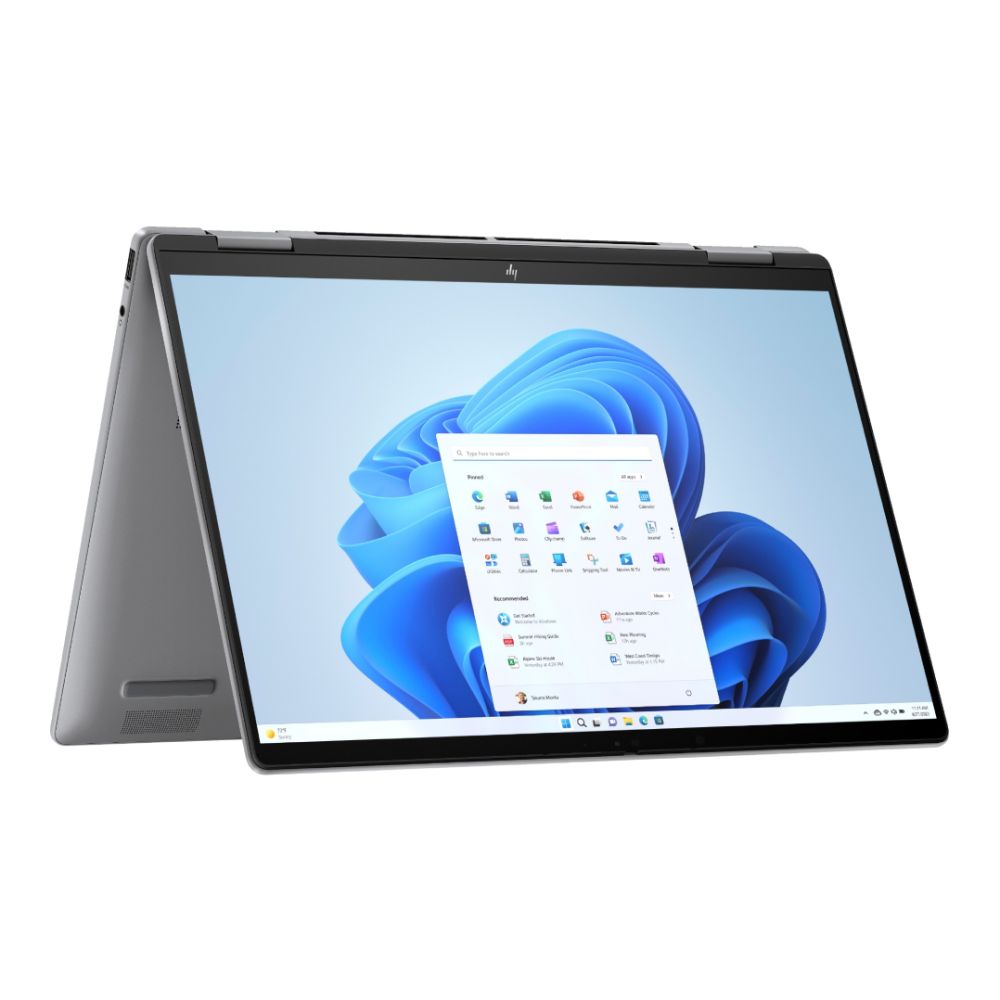
HP Envy x360 14-fa0004na
This Envy x360 is a strong example of HP’s premium-but-flexible approach. Powered by an AMD Ryzen 5 8640HS processor with 16GB RAM and a fast 512GB SSD, it’s well suited to multitasking, creative workloads, and everyday productivity. The 14-inch touchscreen and 2-in-1 design make it particularly appealing for users who switch between typing, presenting, and touch-based work.
Dell XPS laptops focus more heavily on refinement and endurance. They are known for excellent battery life, sturdy construction, and consistent performance over long working days. XPS machines are designed for users who rely on their laptop continuously whether that’s for business travel, remote work, or extended productivity sessions. While they often cost more upfront, they’re built to hold up well over time.
Recommended Product:
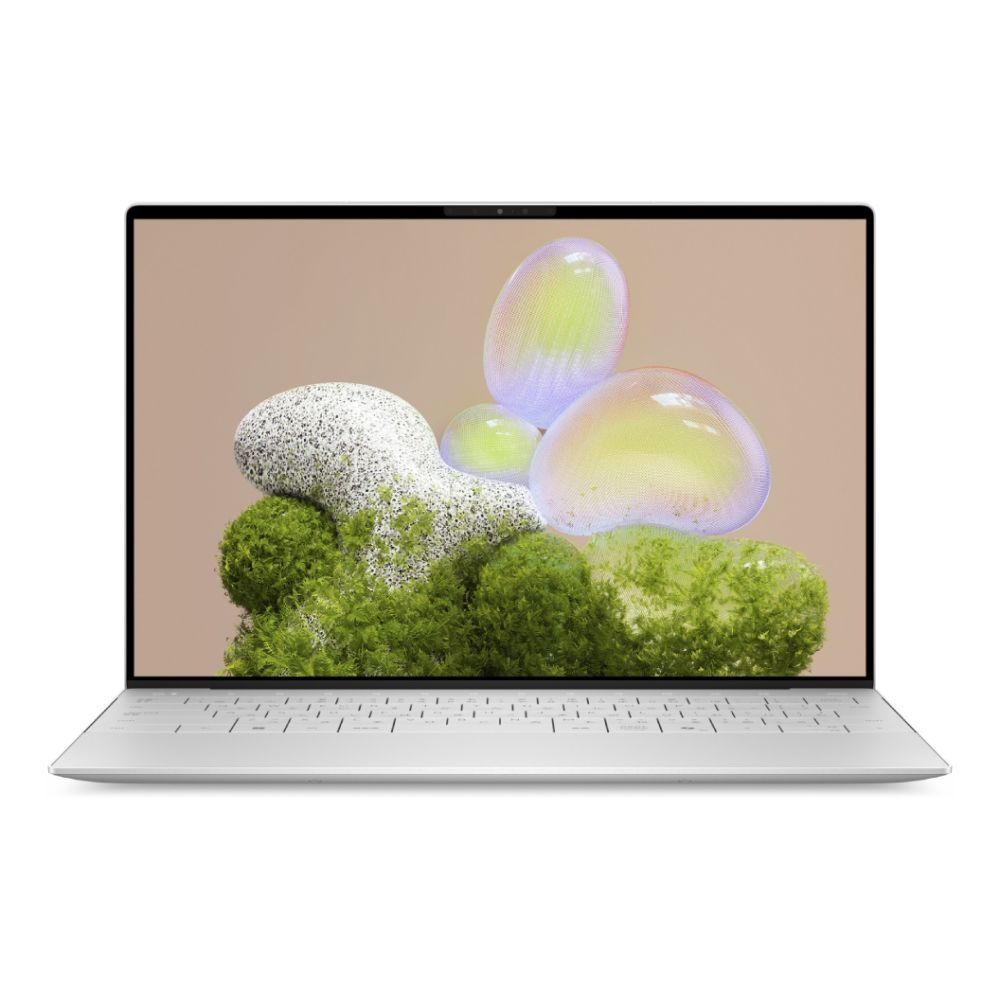
Dell XPS 13 9350
The Dell XPS 13 leans more heavily into ultra-portability and long-session efficiency. With an Intel Core Ultra 7 processor, a generous 32GB of RAM, and a 1TB SSD, it’s designed for professionals who need consistent performance throughout the day. Its compact 13.4-inch display and Copilot+ features make it especially relevant for business users and remote workers.
| Verdict: Choose HP Envy premium laptops if you want high-end features, strong performance, and better overall value. Choose Dell XPS if long battery life, build quality, and day-long reliability matter more than initial cost. |
HP Envy vs Dell Inspiron: Mid-Range Value Compared
In the HP Envy vs Dell Inspiron comparison, the distinction is less about raw performance and more about experience and refinement.
HP Envy models lean toward premium materials, sharper displays, and sleeker designs. They feel more polished and are often better suited for users who present work, edit photos or videos, or simply want a laptop that looks and feels more upmarket.
Dell Inspiron laptops, meanwhile, prioritise practicality and dependability. They’re designed to be straightforward, reliable machines for everyday computing; ideal for students, families, and office users who want consistent performance without paying for premium finishes or advanced features they may not need.
Recommended Product
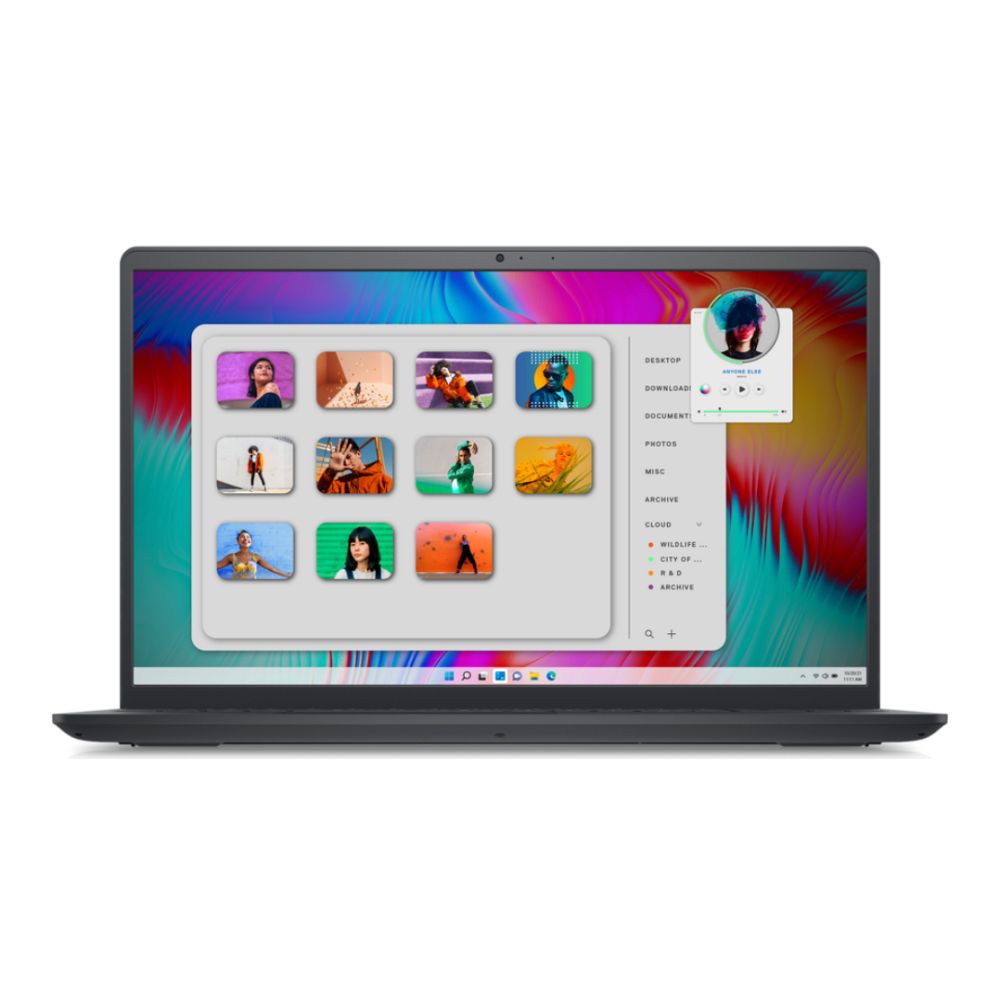
Dell Inspiron 3530
This Inspiron model is designed as a dependable everyday machine for work and study. With an Intel Core i5 processor, 8GB RAM, and a 512GB SSD, it handles office tasks, web-based workloads, and general productivity smoothly. The larger 15.6-inch display and Windows 11 Pro make it a sensible option for business users who prioritise screen space and reliability over premium finishes.
This makes HP Envy a better fit for users who value aesthetics and screen quality, while Dell Inspiron is often the smarter choice for buyers who want a dependable workhorse at a competitive price.
Gaming Laptops: HP vs Dell for Gamers
Gaming is one of the clearest points of separation in the HP vs Dell laptops comparison. While both brands offer capable gaming machines, they approach the category with very different priorities.
HP gaming laptops, particularly the OMEN range, are built around delivering strong in-game performance at competitive prices. HP typically focuses on pairing powerful GPUs with effective thermal designs, ensuring frame rates remain stable during longer gaming sessions. This makes HP a popular choice for gamers who care about raw performance, cooling efficiency, and value for money. OMEN models often appeal to players who want high FPS without paying a premium purely for branding.
Dell gaming laptops, on the other hand, lean more towards premium construction and overall experience. Dell’s gaming machines are well built and visually distinctive, but they often come with higher price tags for similar specifications. For gamers who prioritise design, build quality, and brand presence alongside performance, Dell can still be attractive but it’s usually not the most cost-effective option for pure gaming performance.
| Verdict for gamers: If your main goal is performance per pound, shop HP laptops as they generally offer better value in the gaming segment. Dell gaming laptops suit buyers who want a more premium feel and are comfortable paying extra for it. |
Battery Life and Portability

Battery life plays a major role in any laptop comparison, especially for users who work or study on the move.
HP laptops typically offer reliable battery life across most categories. Premium models balance performance and efficiency well, making them suitable for mixed-use scenarios like browsing, streaming, and productivity tasks. HP tends to prioritise versatility, which works well for users who want one laptop to handle many roles.
Dell laptops often push further when it comes to real-world battery endurance, particularly in their premium and business-focused lines. Dell designs many of its laptops with long workdays in mind, optimising power efficiency so users can stay productive for extended periods without constantly searching for a charger.
| Verdict: If you need dependable battery life for everyday use, HP performs well. If all-day endurance is critical, especially for work-heavy schedules, Dell often has the edge. |
Business Laptops: Dell or HP?
For professionals asking "dell or hp laptop for business?", Dell is frequently considered the safer long-term choice.
Dell business laptops are designed for consistency and reliability. They are built to handle heavy daily workloads, long deployment cycles, and professional environments where downtime matters. Dell also has a strong reputation for after-sales support, which can be a deciding factor for businesses managing multiple devices.
HP business laptops still offer excellent performance and value, especially for smaller teams or individual professionals. They tend to provide modern designs and competitive pricing, making them appealing where budgets are tighter, or flexibility is needed.
If reliability, durability, and long-term support are your top priorities, Dell is often the stronger choice. HP remains a solid option for professionals who want good performance and value without stepping into higher enterprise pricing.
You can explore Best Business Laptops to compare current professional-grade options from both brands.
At a brand level, HP and Dell still approach laptop design and development from noticeably different angles in 2026, even though they often compete in the same price and performance brackets.
Price, Value, and Long-Term Ownership

When it comes to upfront pricing, HP laptops generally offer better value, particularly in the budget and mid-range categories. Models in the Pavilion and Envy ranges are often competitively priced while still delivering solid performance, modern designs, and respectable battery life. This makes HP appealing to students, home users, and buyers who want good specifications without stretching their budget too far.
Dell laptops, by comparison, usually come with higher starting prices, especially in premium and business-focused lines. However, that additional cost often reflects stronger build quality, longer-term durability, and more robust support options. Over time, this can translate into lower total ownership costs for professionals or businesses who value reliability, fewer repairs, and consistent performance over several years.
This is why the question "is Dell better than HP?" doesn’t have a universal answer. HP often makes more sense if you want maximum features for your money today. Dell can be the better choice if you’re thinking long term and want a laptop that’s built to last through heavier daily use, especially in work environments.
HP vs Dell: Which Laptop Brand Is Best for You?
Choosing between HP vs Dell laptops ultimately depends on how you plan to use your device.
HP laptops are a strong fit if you value modern design, competitive pricing, and flexibility. HP’s range covers everything from everyday home laptops to premium convertibles and gaming machines, making it easy to find a model that suits mixed use whether that’s study, entertainment, or light creative work.
Dell laptops tend to suit users who prioritise consistency and durability. Dell focuses heavily on long-term usability, particularly for professionals and businesses. Their laptops are often tuned for stable performance, extended battery life, and reliability under sustained workloads, which is why they’re frequently chosen in corporate environments.
There isn’t a single best laptop brand for everyone. Instead, the right choice depends on whether you prioritise upfront value and design (HP) or long-term dependability and professional focus (Dell).
Final Verdict!
HP continues to stand out for buyers who want well-designed, affordable laptops that perform reliably across everyday tasks, creative work, and gaming. Dell remains a strong option for users who need long battery life, durable construction, and confidence in long-term performance, particularly in business and professional settings.
You can browse Dell laptops for reliable, performance-focused machines, or explore HP Pavilion everyday laptops for daily use. If gaming performance is your priority, it’s worth looking at HP OMEN gaming laptops; all available at Box with fast UK delivery and flexible purchasing options.
Frequently Asked Questions
Are HP laptops more reliable than Dell laptops?
Both brands are reliable, but Dell generally has an edge in long-term durability, especially in its XPS and Latitude ranges. HP laptops are dependable for everyday use, though build quality and support can vary more across different price tiers.
Which brand is better for students on a budget: HP or Dell?
HP is usually the better choice for students on a budget. Its Pavilion and lower-tier Envy models offer modern designs, solid performance, and competitive pricing, making them more accessible than Dell’s equivalents.
Which is better for business use: HP EliteBook/ProBook or Dell Pro/Latitude?
Dell Latitude models are often preferred for business due to stronger enterprise support, longer battery life, and rugged construction. HP EliteBook and ProBook laptops are still strong alternatives, especially for small businesses and hybrid workers.
Which has better gaming laptops: HP Omen/Victus or Dell/Alienware?
Dell’s Alienware lineup generally delivers higher-end gaming performance and more advanced cooling. HP Omen and Victus laptops, however, offer better value for gamers who want strong performance without paying a premium.
Do HP or Dell laptops have better battery life overall?
Dell typically leads in battery endurance, particularly with XPS and Latitude models designed for all-day use. HP still performs well in this area, especially with select Envy and OmniBook models, but results vary more by model.
You can pay with:
*PayPal Credit Representative Example: Assumed credit limit £1,200, Representative 23.9% APR (variable). Purchase rate 23.9% p.a (variable).Terms & Conditions apply.


PayPal Credit and PayPal Pay in 3 are trading names of PayPal UK Ltd, 5 Fleet Place, London, United Kingdom, EC4M 7RD. Terms and conditions apply. Credit subject to status, UK residents only, Five Tech LTD acts as a broker and offers finance from a restricted range of finance providers. PayPal Pay in 3 is not regulated by the Financial Conduct Authority. Pay in 3 eligibility is subject to status and approval. 18+. UK residents only. Pay in 3 is a form of credit. Check if affordable and how you will repay. May make other borrowing more difficult or expensive. See product terms for more details.
Copyright © 1996-2026 Fivetech LTD | Terms and Conditions
box.co.uk & Box are trading names of Five Tech Limited. Registered office: Box LTD, Unit 10 Woodford Trading Estate, Woodford Green IG8 8HF