


 Menu
MenuMenu


Get Sales Advice from Mon - Fri 9am - 5:00pm:
020 3337 8950LAST UPDATED: March 05, 2026
Best HP Laptop Deals for Students from £300
Choosing the best HP laptops for university or college in 2026 does not mean overspending. With prices starting from £300, students can now access dependable performance, modern features, and full Windows 11 support without sacrificing everyday usability. Whether you are attending lectures, managing university coursework, or taking part in online learning, the right laptop plays a crucial role in productivity and organisation.
Many affordable devices now include fast SSD storage, efficient Intel Core or AMD Ryzen processors, and either 8GB RAM or 16GB RAM, making multitasking far smoother than older budget machines. A responsive system is essential when working across Microsoft Office, web research, video calls on Zoom or Teams, and cloud-based study platforms. Combined with strong battery life, reliable connectivity such as WiFi 6, and a sharp Full HD display, modern student laptops are built to handle full academic schedules with ease.
When exploring the best HP laptops, the key advantage is balance. HP continues to offer well-built machines that combine sensible pricing with practical features students actually need. From slim, portable designs for commuting to larger models suited for extended study sessions, there are strong options available for a wide range of courses and budgets. This guide will help you understand what to look for and which specifications matter most.
What Makes a Good Student Laptop in 2026?
When narrowing down the best HP laptops, it helps to focus on practical specifications rather than marketing claims. In 2026, a reliable student laptop should handle everyday academic tasks smoothly, remain responsive under light multitasking, and stay durable enough to last the length of a degree. Performance, storage speed, portability, and long-term software support are the key areas that define the best laptops for students.
Minimum RAM Needed
For general study tasks such as document editing, browsing research materials, and managing multiple tabs, an HP laptop with 8GB RAM is the perfect choice for students. It allows smooth switching between applications without noticeable slowdowns.
Students working with data-heavy software, development tools, or creative platforms may benefit from 16GB for added headroom. When comparing options, the goal is stability under daily workloads rather than chasing higher numbers unnecessarily.
SSD vs eMMC
Storage type directly affects how responsive a laptop feels. Systems with SSD storage load applications faster and reduce waiting times when opening large files. In contrast, eMMC storage is slower and has a lower capacity.
A 256GB SSD is typically sufficient for written assignments, research materials, and essential software. Those managing larger media files or specialist tools may prefer 512GB to avoid relying heavily on external storage.
Battery Life Importance
A dependable device should comfortably support a full academic day. A long battery life reduces the need to carry chargers between lectures and makes studying in libraries or shared spaces far easier.
Look for realistic performance estimates based on mixed usage rather than ideal laboratory figures. Efficiency matters just as much as raw power in a student-focused machine.
Portability Factors
Size and weight influence daily convenience. A compact and lightweight HP laptop is easier to carry across campus and better suited for travel between home and university accommodation.
Screen size is largely personal preference when it comes to the best HP laptop for students. A 14-inch model offers better portability, while a 15.6-inch display provides extra space for split-screen work. Whichever you choose, clarity and viewing comfort are more important than sheer dimensions.
Windows 11 Compatibility
Modern systems should fully support Windows 11 to ensure ongoing updates and compatibility with current academic software. Choosing a device that meets long-term support standards protects your investment throughout your course.
Lifestyle Image 1 HERE
Why Choose an HP Laptop for University or College?
When comparing the best HP laptops for academic use, brand reliability and long-term durability play an important role. University devices are used daily for note-taking, research, collaboration, and independent study. A laptop must handle consistent use without developing performance issues after a single academic year. HP has built a strong reputation for producing dependable machines suited to education environments.
Reliable Build Quality
HP laptops are known for solid construction, comfortable keyboards, and practical designs. For students typing essays and reports for hours at a time, keyboard comfort and trackpad accuracy matter more than flashy aesthetics. Many models also feature reinforced hinges and sturdy chassis materials that cope well with frequent travel between lectures and home.
Student-Friendly Model Range
Another reason students consider HP laptops is the wide variety in which they are available. From entry-level configurations to more premium options, HP covers different budgets and course requirements. The range includes everyday laptops designed for study tasks, versatile Pavilion laptops for balanced performance, and the more refined Envy range for those who prioritise build quality and design.
For students in more demanding fields such as game design or media production, HP also offers higher-performance lines such as HP Victus gaming laptops, while advanced users may even look to buy an HP Omen laptop for heavier workloads. This breadth means students are not limited to a single type of machine as their needs evolve.
Practical Upgrade Potential
Some HP models allow memory or storage upgrades, which can extend the lifespan of a device across a three- or four-year period. This flexibility is especially useful for students who expect their workload to grow over time.
What Can You Expect from an HP Laptop Starting from £300?
A budget starting at £300 is enough to access genuinely capable machines, especially when it comes to the best HP laptops for students. While these models are not designed for extreme workloads, they are more than suitable for day-to-day academic use. The key is understanding which specifications make the biggest difference and choosing based on your course requirements rather than headline features.
Performance – 8GB vs 16GB RAM
At this price range, 8GB is common and suitable for most academic tasks. It supports document editing, browser-based research, presentations, and general multitasking without noticeable lag. For many students, this configuration delivers reliable performance throughout a degree.
Stepping up to 16GB provides extra headroom for more demanding activities such as programming environments, data processing, or running multiple productivity tools simultaneously. If you want added longevity, higher memory can reduce the likelihood of performance limitations later.
Storage – 256GB vs 512GB SSD
Most HP laptops from £300 include 256GB storage, which is generally enough for written assignments, essential software, and moderate file storage. Students who mainly use cloud services may not require additional capacity.
A 512GB option offers greater flexibility for larger files, specialist software, or storing lecture recordings locally. When exploring a student laptop, storage capacity should align with how much data you prefer to keep offline.
Intel vs Ryzen in Student Laptops
Both Intel and Ryzen processors perform well for study use. Entry-level and mid-range chips from either brand are capable of handling productivity applications and everyday workloads smoothly.
Intel processors are often recognised for consistent performance in single-task scenarios, while Ryzen chips can offer strong multi-core efficiency at competitive pricing. For most students, the difference will not be dramatic, so overall system balance matters more than processor branding alone.
Display Size – 14" vs 15.6"
Screen size influences both portability and comfort. A 14-inch laptop is easier to carry around campus and suits students who commute daily. A 15.6-inch model provides additional screen space, which can improve productivity when working with multiple windows.
Clarity is more important than size alone. A sharp panel makes long study sessions more comfortable and reduces eye strain during extended reading or research.
Lifestyle Image 2 HERE
HP Pavilion vs HP Envy – Which Is Better for Students?
When choosing between Pavilion and Envy models, the decision usually comes down to budget, performance needs and design preferences. Both sit within HP's wider range of HP Windows laptops, but they target slightly different student priorities. If you are comparing options while browsing the best HP laptops, understanding these differences helps you choose confidently.
HP Pavilion – Practical and Budget-Friendly
The Pavilion laptops range is designed to deliver reliable everyday performance at accessible pricing. These models are often ideal for general coursework, research, presentations and streaming. They typically offer a strong balance between processor performance, memory and storage without pushing into premium pricing.
For most students, Pavilion models provide enough power for multitasking, document editing and academic software while remaining affordable. They are a sensible option for those who want dependable performance without paying extra for premium materials or advanced features.
HP Envy – Premium Design and Performance
The HP Envy range focuses more on refined design, slimmer builds and upgraded components. These laptops often include higher-end processors, improved display quality and enhanced build materials. This makes them appealing for students who value portability, durability and a more premium feel.
Envy models are particularly suited to creative students or those working with more demanding software. The improved performance headroom and build quality can justify the higher price if your course requirements are heavier.
Which Should You Choose?
If affordability and everyday reliability are your main concerns, Pavilion is typically the more practical route. If you want stronger performance, a slimmer chassis and longer-term flexibility, Envy may be worth the investment.
Ultimately, both lines represent some of the best HP laptops available for education. The right choice depends on how intensive your coursework is and how much you are comfortable spending at the start of your degree.
Best HP Laptops for Different Types of Students
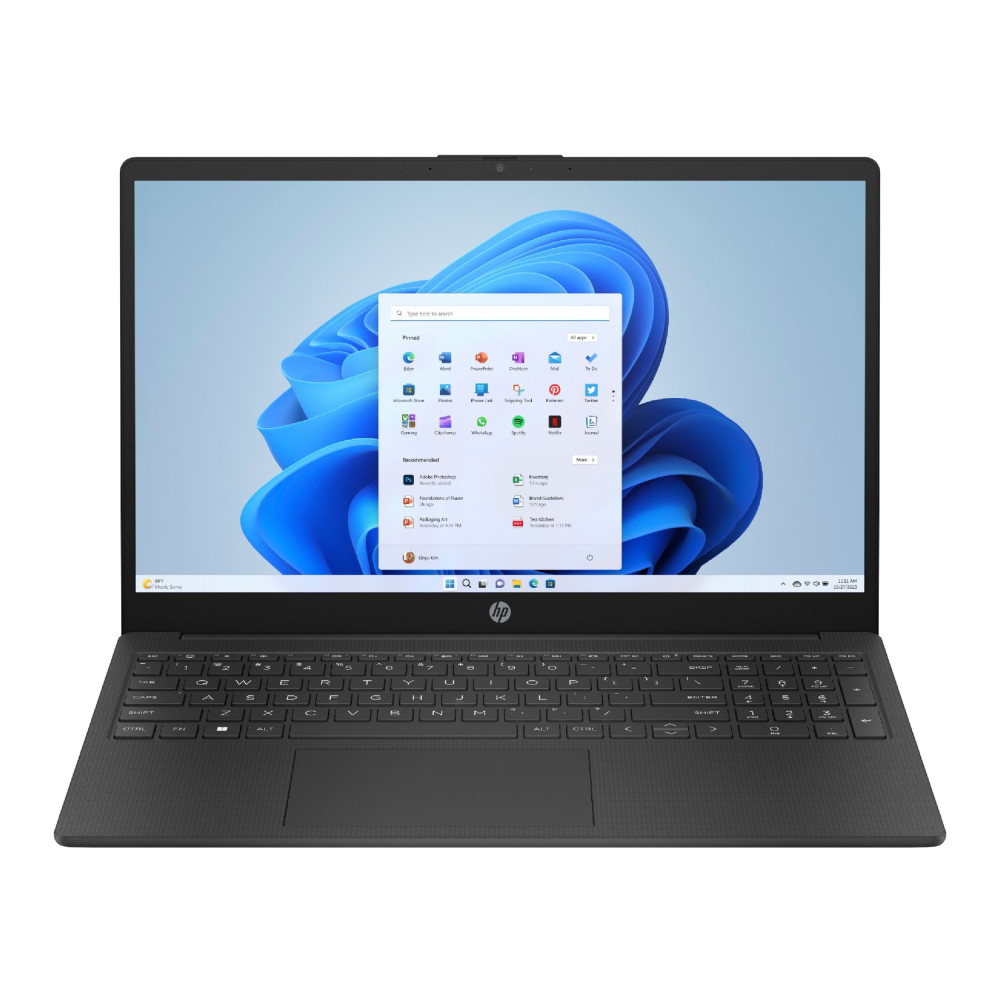
Different courses place different demands on a laptop. Some students prioritise screen size and comfort for long writing sessions, while others need stronger processors for spreadsheets, coding tools or creative software. Here are some of the best HP laptop deals currently available at box.co.uk.
For Essay Writing & Research
Students focused on writing, document editing and browser-based research benefit from larger displays and dependable everyday performance offered by the HP budget laptops for education.
- HP 17-cn0104na 894M3EA#ABU: Intel® Pentium® Silver N5030, 4GB RAM, 128GB SSD, 17.3″ Full HD, Windows 11 Home in S mode.
It is an affordable HP laptop with large-screen, making it ideal for essays, web research and media streaming. The 17.3″ display provides comfortable viewing for long reading sessions.
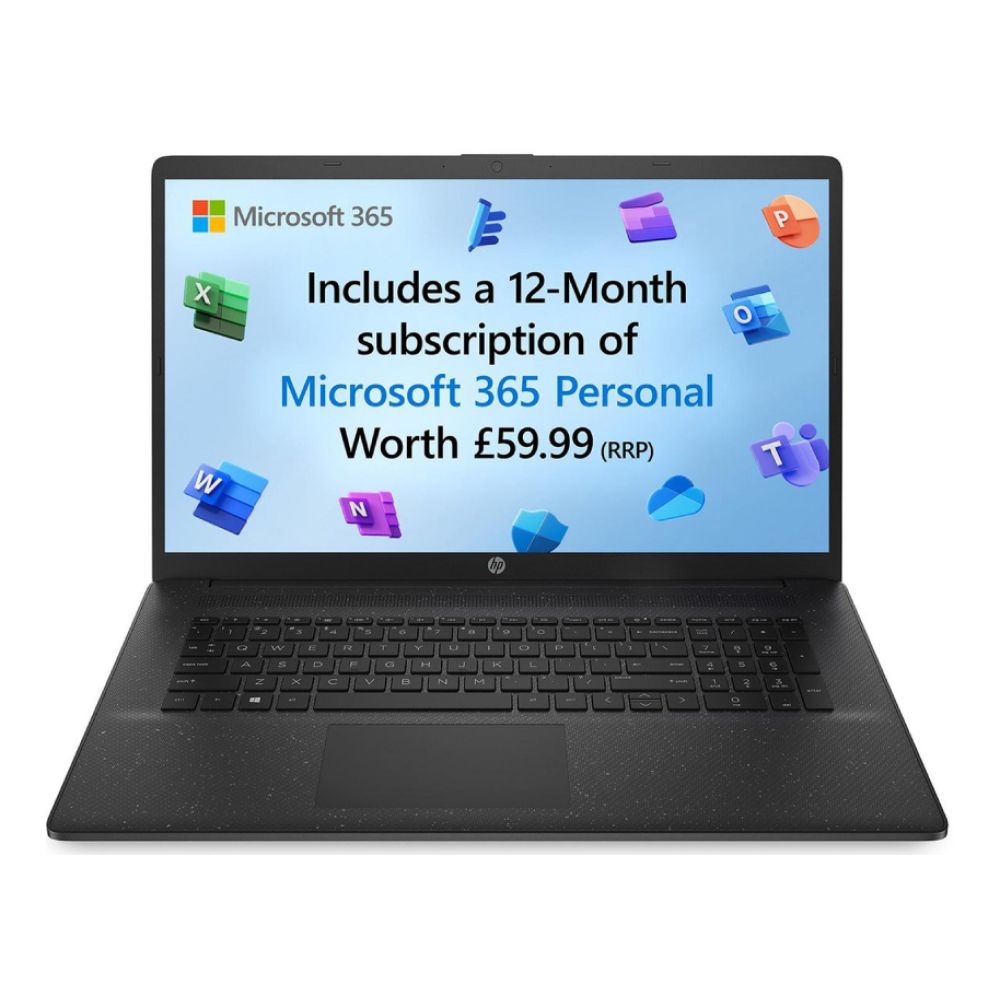
- HP 17-cn0105na 8B2M1EA#ABU: Intel® Core™ i5-1135G7, 8GB RAM, 512GB SSD, 17.3″ Full HD, Windows 11 Home.
A stronger 17″ option that offers smoother multitasking for students who keep multiple documents and browser tabs open.

For Business & Finance Students
Business and finance courses often require reliable multitasking for spreadsheets, reports and presentation software.
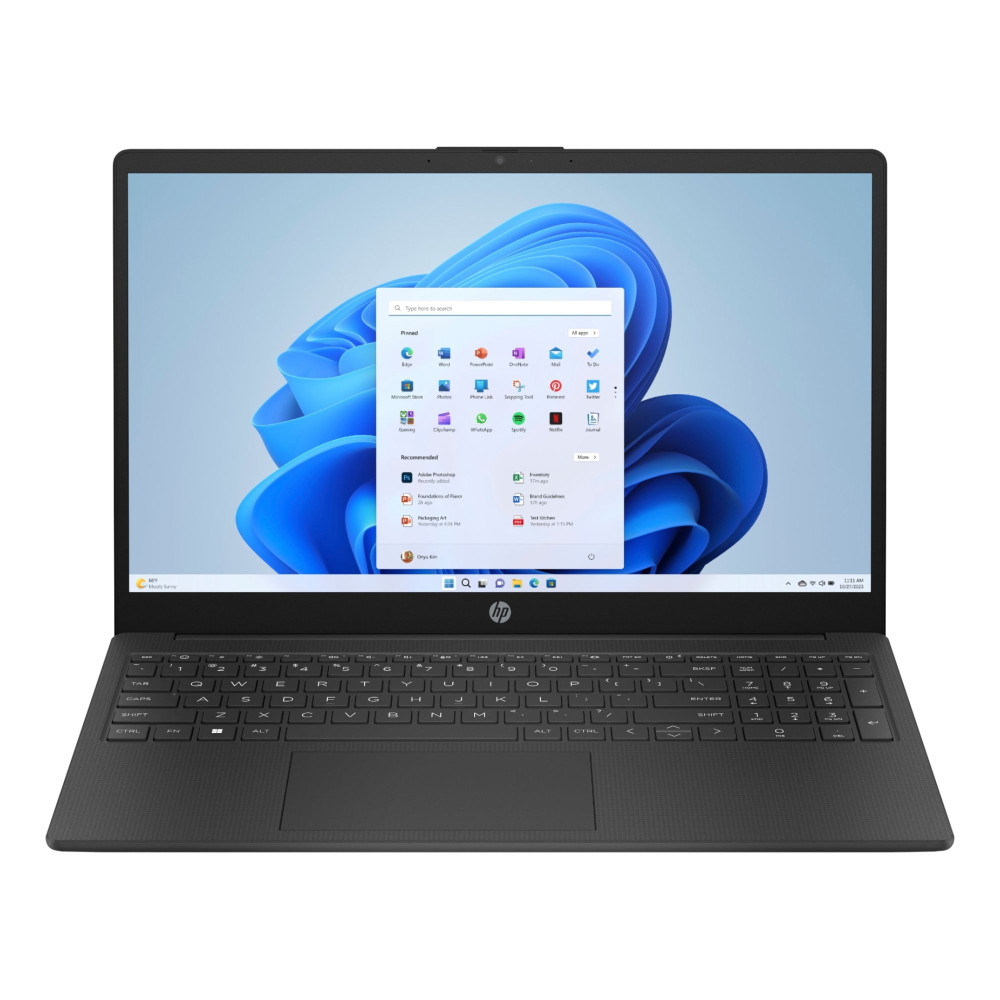
HP 15-fc0057na BM2V0EA#ABU: AMD Ryzen™ 5 7520U, 8GB RAM, 512GB SSD, 15.6″ Full HD, Windows 11 Home.
A balanced mid-range model that combines performance and screen space, ideal for students looking for a reliable HP laptop under £400.
For Creative Courses
Creative students benefit from stronger processors and larger storage for handling media files and design software.
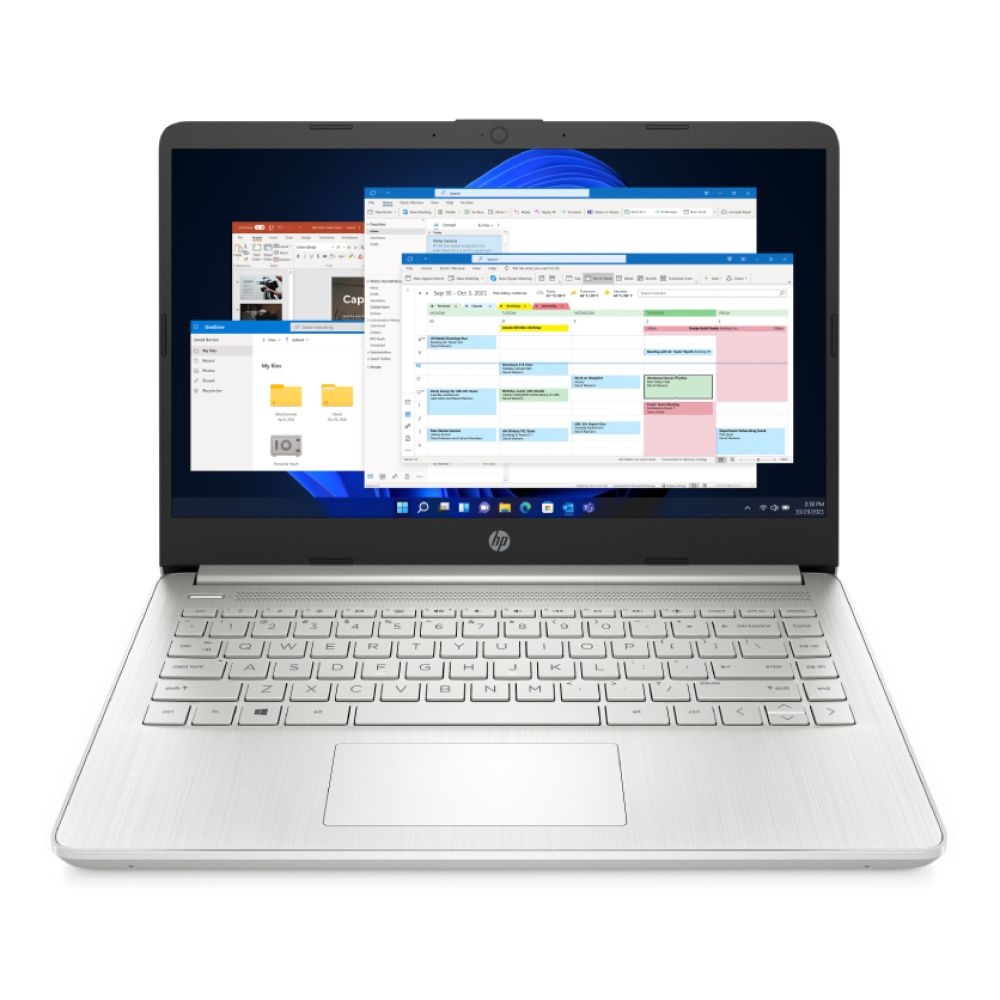
- HP 14s-dq5014na A20JLEA#ABU: Intel® Core™ i7-1255U, 8GB RAM, 512GB SSD, 14″ Full HD, Windows 11 Home.
Its fast processor and generous SSD make it well-suited to light content creation, editing projects and design coursework.
For Coding & IT Students
Development tools and programming environments benefit from responsive processors and sufficient memory for smooth operation.
- HP 15-fc0045na BM2U1EA#ABU: AMD Ryzen™ 3 7320U, 8GB RAM, 256GB SSD, 15.6″ Full HD, Windows 11 Home.
A capable entry-level HP laptop for college students studying coding, running IDEs and managing development projects.
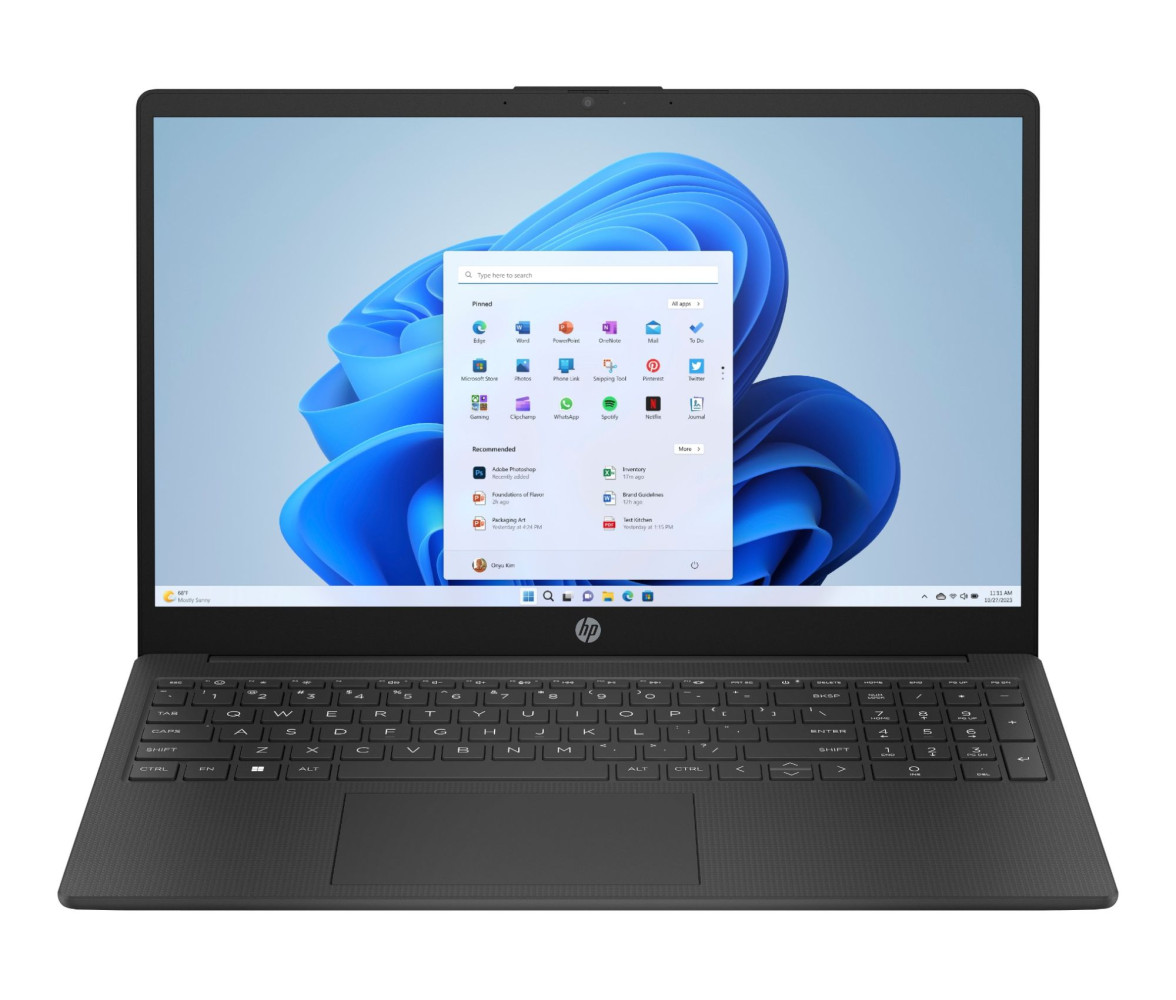
- HP 15-fd0060na BM2V4EA#ABU: Intel® Core™ i3-N305, 4GB RAM, 128GB storage, 15.6″ Full HD, Windows 11 Home in S mode.
A lighter configuration suitable for introductory coding, web-based development tools and general IT coursework.
Lifestyle Image 3 HERE
Should You Buy Now or Wait for Student Sales?
Timing can make a difference when buying an HP student laptop, but waiting is not always necessary. The decision often depends on how urgently you need the device and whether current pricing already offers strong value.
Back-to-School Period
The late summer period is traditionally one of the busiest times for student tech purchases. Retailers often introduce HP laptop deals, bundle offers or limited discounts ahead of the new academic year. If you are preparing for university in September, this window can provide competitive pricing without cutting it too close to the term start.
However, popular models can sell out quickly during this period, especially entry-level configurations. Here is our full back-to-school tech guide to help you prepare for school properly.
Seasonal Trends and Stock Considerations
Laptop pricing fluctuates based on demand, new product launches and stock availability. Entry-level models can increase in price during peak student periods due to demand.
If you require a device for upcoming coursework, exams or enrolment tasks, buying sooner rather than later often avoids unnecessary stress. Waiting for HP student laptop deals only makes sense if you are flexible and monitoring prices closely.
In short, if you find a model that meets your needs and fits your budget, purchasing confidently is usually better than delaying and risking limited availability.
Conclusion
Choosing the right student laptop does not have to be complicated. By focusing on practical specifications, course requirements and long-term reliability, students can confidently select a device that supports their academic journey from first year through to graduation.
The best HP laptops offer strong value across a wide price range, including models from £300 that comfortably handle everyday study tasks. Whether you prioritise screen size for writing, extra processing power for business software, or balanced performance for coding and creative work, there are options designed to match different academic needs.
Rather than chasing the highest specification available, the smarter approach is to match performance to workload. With the right balance of memory, storage and processor capability, an HP laptop can remain dependable throughout your degree.
Frequently Asked Questions
Is £300 enough for a good student laptop?
Yes. £300 is enough for a reliable device suitable for essays, research, web-based study platforms and general coursework. You can expect solid everyday performance, fast storage and modern operating system support at this price point.
Is 8GB RAM enough for university work?
For most students, 8GB is sufficient. It comfortably handles document editing, browser multitasking, presentations and online lectures. Students using heavier software may benefit from 16GB for additional headroom.
Are HP laptops good for students?
Yes. HP offers a wide range of dependable devices suited to different academic needs. From entry-level models to more premium configurations, the best HP laptops balance performance, durability and sensible pricing for education.
Which HP laptop is best for coursework?
The best option depends on your subject. Essay-based courses can prioritise screen size and comfort, while business, coding or creative courses may require stronger processors and larger storage. Matching specifications to workload is more important than choosing the highest-priced model.
Is Ryzen or Intel better for students?
Both are suitable. Intel processors are known for consistent single-task performance, while Ryzen chips often provide strong multi-core efficiency. For general academic use, either option performs well when paired with sufficient memory and storage.
Can an HP laptop from £300 handle Microsoft Office?
Yes. Budget HP laptops can comfortably run Microsoft Office applications such as Word, Excel and PowerPoint, along with web browsing and video calls.
How long should a student laptop last?
A well-chosen student laptop should last three to five years with proper care. Selecting a configuration with adequate memory and storage helps extend usability throughout a full degree.
You can pay with:
*PayPal Credit Representative Example: Assumed credit limit £1,200, Representative 23.9% APR (variable). Purchase rate 23.9% p.a (variable).Terms & Conditions apply.


PayPal Credit and PayPal Pay in 3 are trading names of PayPal UK Ltd, 5 Fleet Place, London, United Kingdom, EC4M 7RD. Terms and conditions apply. Credit subject to status, UK residents only, Five Tech LTD acts as a broker and offers finance from a restricted range of finance providers. PayPal Pay in 3 is not regulated by the Financial Conduct Authority. Pay in 3 eligibility is subject to status and approval. 18+. UK residents only. Pay in 3 is a form of credit. Check if affordable and how you will repay. May make other borrowing more difficult or expensive. See product terms for more details.
Copyright © 1996-2026 Fivetech LTD | Terms and Conditions
box.co.uk & Box are trading names of Five Tech Limited. Registered office: Box LTD, Unit 10 Woodford Trading Estate, Woodford Green IG8 8HF