


 Menu
MenuMenu


Get Sales Advice from Mon - Fri 9am - 5:00pm:
020 3337 8950LAST UPDATED: May 18, 2026
Google’s Googlebook: The AI Laptop We Didn’t Expect
Googlebook is Google’s next big laptop idea after Chromebook. First previewed at The Android Show 2026, the Googlebook AI laptop brings together Android’s app ecosystem, ChromeOS strengths and Gemini Intelligence in a new category built around smarter, more connected computing. It is not being framed as a simple Chromebook refresh, but as a laptop designed to make AI part of everyday actions, not just a separate tool.
The early Googlebook laptop experience centres on features such as Magic Pointer, Create your Widget, Android phone app access and Quick Access to phone files. That gives Googlebook a different angle from traditional AI-powered laptops, because the focus is not only on performance, but on helping users move between apps, files, devices and tasks with less friction.
There is still plenty to wait on as the device is planned for an autumn release this year. Google has confirmed premium hardware, a glowbar design and partner devices from Acer, ASUS, Dell, HP and Lenovo, but full Googlebook laptop specs, pricing and model details are not available yet. If the Googlebook Gemini laptop delivers on this early promise, it could become one of the clearest signs of where the future of laptops is heading.
Disclaimer: This article is based on details shared in Google’s official Googlebook announcement, alongside early industry reporting and currently available public information. As Google has only previewed the platform so far, some details around pricing, final hardware, availability and real-world performance may change when devices are released.
What Is Googlebook?
Googlebook is a new laptop category built around Gemini Intelligence, Android technologies and ChromeOS strengths. In simple terms, it is designed to bring Google’s apps, AI tools and Android device connections into one more joined-up laptop experience.
- A new Google laptop category: Googlebook is not just another Chromebook name. It is being framed as a fresh platform that blends Android’s app ecosystem with ChromeOS strengths, including Chrome and web access. That makes it closer to an Android laptop platform than a traditional ChromeOS device.
- Not just a Chromebook refresh: The idea is not to replace every Chromebook overnight. Googlebook is aimed at a different kind of experience, with AI built deeper into everyday actions rather than added as a separate feature.
- Built for Android users: A Googlebook laptop is designed to work closely with Android phones. Users will be able to access phone apps from the laptop screen and use Quick Access to view, search or insert phone files without manual transfers.
Here is a clear snapshot of the confirmed Googlebook features so far.
| Availability | What Google has confirmed |
| Category | Googlebook is a new laptop category, not just a renamed Chromebook |
| AI experience | Gemini Intelligence sits at the centre of the platform |
| Main AI tool | Magic Pointer brings contextual Gemini suggestions to the cursor |
| Apps | Google Play apps and adaptive apps are part of the experience |
| Phone connection | Users can access Android phone apps and phone files from the laptop |
| Hardware | Devices will use premium materials and include a unique glowbar |
| Partners | Acer, ASUS, Dell, HP and Lenovo are working on the first Googlebooks |
| Availability | Devices are expected to become available in autumn 2026 |
The Googlebook Features That Actually Matter

The biggest difference with the Googlebook is that AI is not treated like a separate app you open when needed. The new machine from Google is being built around Gemini AI integration, so help can appear closer to what you are already doing on screen.
- Magic Pointer: Magic Pointer is the headline feature. Instead of using the cursor only to click, Googlebook lets you wiggle it over something on screen to bring up Gemini suggestions. For example, a date in an email could become a calendar action, while selected images could trigger a visual task. This is what makes this device different from traditional Googlebook Gemini laptops.
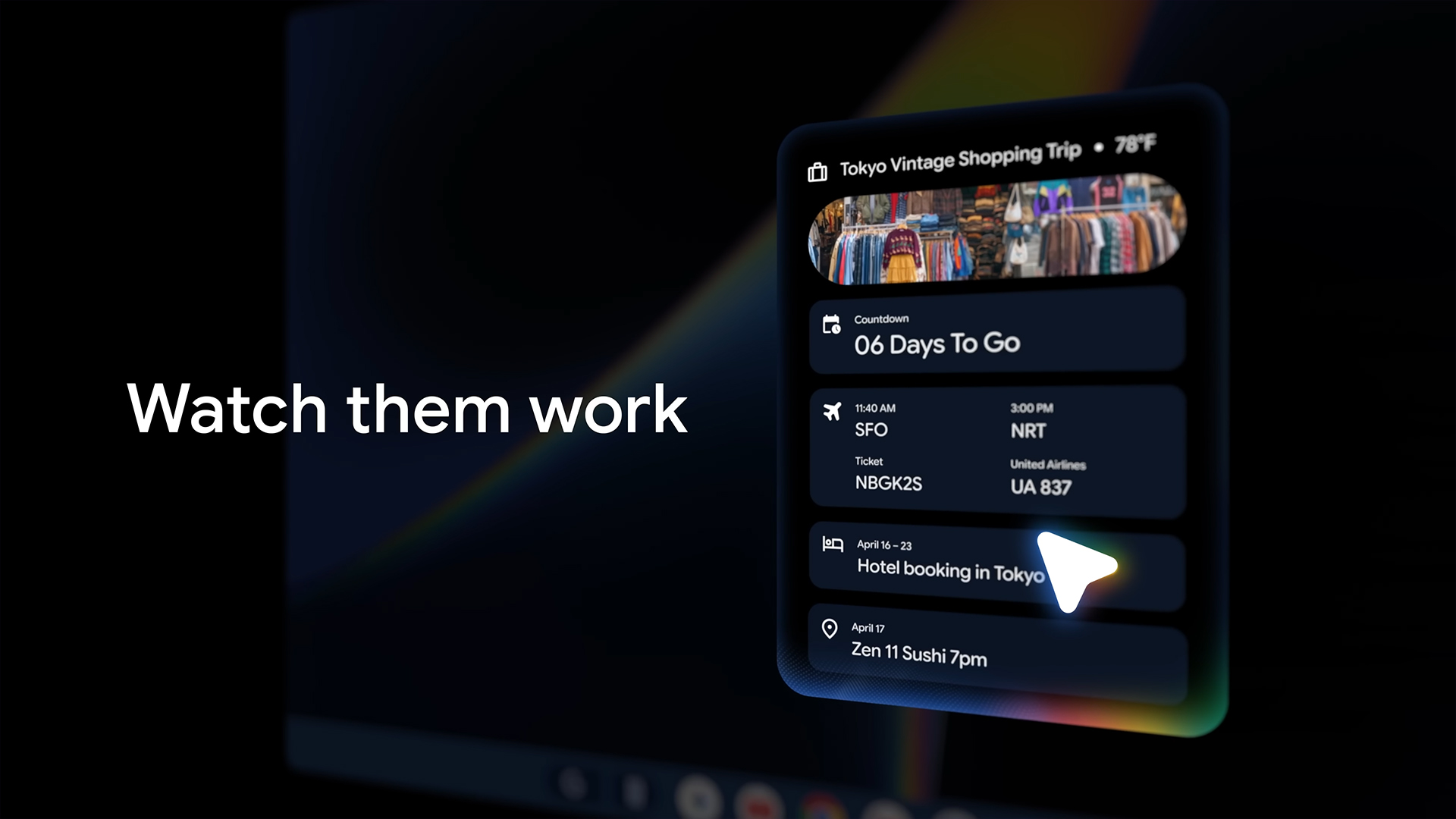
- Create your Widget: Create your Widget lets users ask Gemini to build a custom desktop widget. It can pull from the web and Google apps such as Gmail and Calendar, so a travel plan, event countdown or set of reservations could sit in one useful dashboard instead of being scattered across tabs and apps.
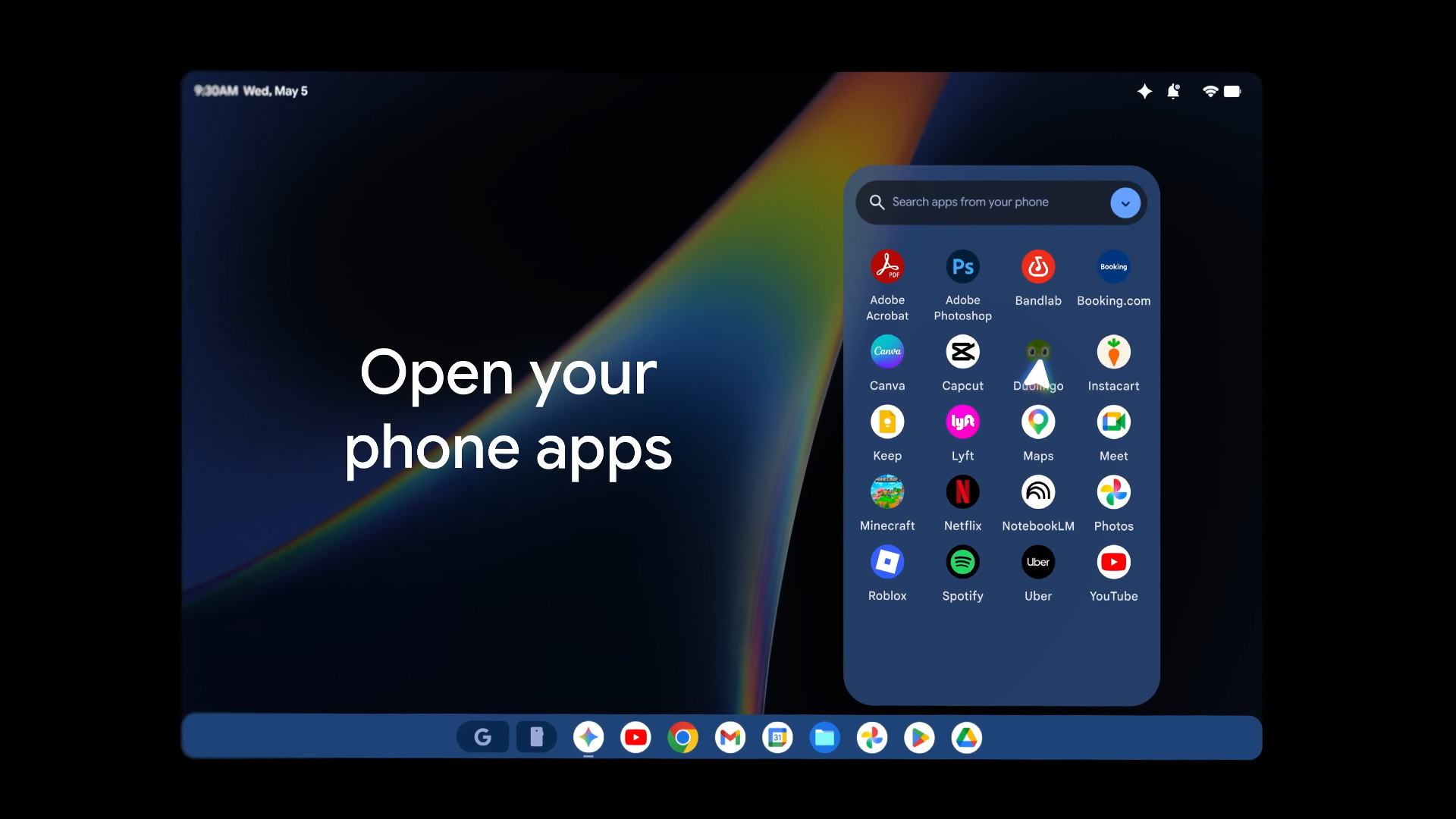
- Phone apps on the laptop: Googlebook is designed to keep Android phone apps within reach. If you need to quickly use a phone app while working, Google wants that to happen from the laptop screen without breaking your flow. This could be one of the more useful AI productivity tools for users who already live across Android and Google services.
- Quick Access to phone files: Quick Access lets users view, search or insert files from their phone directly through the Googlebook file browser. That means photos, screenshots and documents can move into laptop work without manual transfers, emailing files to yourself or digging through cloud folders.
- Google Play and adaptive apps: Googlebook also leans on Android’s app ecosystem, with Google Play apps expected to play a bigger role on the laptop screen. The important bit is not just having mobile apps available, but making them feel more natural on a larger display, especially for AI-assisted workflows that move between apps, files and web content.
- Premium hardware and glowbar design: Google has confirmed that the first devices will be made with Acer, ASUS, Dell, HP and Lenovo, with premium materials and a distinctive glowbar. That does not tell us the exact performance yet, but it does suggest the Googlebook features are being wrapped in a more premium hardware than a basic, low-cost Chromebook-style shell. When connected with monitors for modern work environments, these powerful laptops can improve the way you work.
Googlebook vs Chromebook: What’s Changing?
The Googlebook vs Chromebook comparison is not about one device replacing the other overnight. Chromebooks were built for a cloud-first world, with ChromeOS, web apps and simple everyday computing at the centre. Googlebook is being positioned differently: a new category built around Gemini Intelligence, Android’s app ecosystem and closer phone-to-laptop continuity.
| Area | Googlebook | Chromebook |
| Main focus | AI-first laptop experience | Cloud-first laptop experience |
| Software direction | Android tech stack with ChromeOS strengths | ChromeOS |
| Apps | Google Play and adaptive Android apps | Web apps, Chrome and supported Android apps |
| AI role | Gemini is built closer to the core experience | AI features are added where supported |
| Phone connection | Deeper Android phone app and file access | More limited cross-device flow |
| Best suited to | Android users, AI workflows and premium laptop buyers | Students, browsing, cloud work and simple daily use |
The biggest change is the software direction. A Chromebook is still a strong option for cloud-based computing, especially if most of your work happens in a browser. Googlebook, on the other hand, looks more like a Chromebook alternative for users who want Android apps, phone files, Gemini and desktop-style workflows to feel more connected.
That does not make Chromebooks outdated. Users looking for Chromebooks for everyday use still have plenty of options, especially for study, browsing, email, streaming and Google Workspace. Googlebook simply pushes the idea further by blending Android and ChromeOS strengths into something closer to hybrid operating systems, with AI doing more of the background work.
In a Googlebook vs Chromebook comparison, the decision is simple. If you want a simple, affordable laptop for web-first tasks, a Chromebook still fits. If you want a laptop with enhanced AI and Android support, it is worth waiting for Googlebook.
How Googlebook Compares to Windows, Mac and AI PCs
For now, this comparison is more about platform direction than raw performance. The final Googlebook laptop specs are not confirmed yet, so it is too early to judge battery life, processor choices, RAM, storage or real-world app performance against Windows laptops and Macs.
- Where Googlebook could stand out: The Googlebook has a clear advantage if you already use Android and Google services every day. Magic Pointer, Quick Access phone files, phone app access and Gemini-powered widgets are all designed to make the laptop feel closely connected to your phone, files and Google apps.
- Where Windows still looks stronger: Windows offers a desktop software base, better gaming support and broader professional compatibility. Copilot+ laptops have a clearer AI hardware direction, with Microsoft setting out features such as Recall, Cocreator and Live Captions, alongside AI-focused chips capable of 40+ TOPS.
- Where Mac still has the edge: Mac laptops remain strong for creative users, long battery life, polished hardware and Apple ecosystem continuity. Apple Intelligence is also built into Mac, iPhone and iPad, so Googlebook is not the only platform trying to make AI feel more native across devices.
- Where Googlebook still has to prove itself: Googlebook’s biggest test will be whether its Android-based app experience feels genuinely laptop-ready. The idea of next-gen laptop software is exciting, but buyers will still need strong app support, smooth performance, sensible pricing and reliable hardware before it can compete seriously with established Windows and Mac options.
What Googlebook Means for the Future of Laptops
Googlebook points towards laptops that do more than open apps and wait for instructions. The bigger idea is a shift towards devices that can understand context, suggest actions and help users move between phone, files, apps and web tasks more smoothly. Google describes this as moving from an operating system towards an intelligence system, with Gemini handling more of the helpful work across devices.
- AI becomes part of the workflow: The Googlebook shows how AI could move from a separate chatbot into everyday laptop actions, such as scheduling, organising, searching and creating.
- Cloud and local tools work together: Instead of relying only on cloud-based computing, future devices may mix web services, local files, Android apps and account-connected data in one smoother experience.
The big takeaway is simple: Googlebook is not just about another device launch. It is Google testing how laptops might feel when AI, apps and connected devices are designed as one system from the start.
Who Should Wait for Googlebook?
Google has confirmed an autumn 2026 availability window, but exact launch dates, UK availability, pricing and model details have not been confirmed. That said, not everyone needs to wait for Googlebook, especially if they need a laptop right now. But if you are interested in a more connected, AI-first device, the Googlebook AI laptop is worth keeping on your radar.
- Android users: If your phone, files, apps and Google account already sit at the centre of your day, Googlebook could make that setup feel more joined up. The phone app access and Quick Access file features are clearly built with Android users in mind.
- Students and everyday users who don't need a laptop urgently: If Google gets the price right, Googlebook could become a useful step up from a basic Chromebook. This can make modern and lightweight laptops within the reach of mainstream buyers.
- Professionals using Google apps: Anyone working across Gmail, Calendar, Docs, Drive and Gemini may benefit from the way Googlebook brings help closer to the task. Magic Pointer and custom widgets could be useful if they reduce small admin steps rather than adding more clutter.
- Early adopters: If you like trying new device categories, Googlebook is one to watch. It has enough new ideas to feel different, but it is still worth waiting for reviews before judging app quality, performance and battery life.
- AI laptop buyers: If you are comparing laptops built for AI-powered tasks, Googlebook may become an interesting alternative to Windows AI laptops. The key difference is that Google is building around Android, Gemini and cross-device flow rather than only local AI hardware.
Final Thoughts: Googlebook Is Bigger Than a Chromebook Rename
The Googlebook looks like Google’s attempt to create a new laptop category, not just refresh an old one. The idea is promising: Gemini at the centre, Android apps, phone continuity, Magic Pointer and a more connected desktop experience.
Still, it needs real devices in people’s hands before anyone can judge it properly. Pricing, performance, battery life, app quality and hardware choices will decide whether Googlebook becomes a genuinely useful new laptop category or simply a promising first generation.
For now, Googlebook feels like the beginning of something bigger, but the real test starts when the first models arrive in autumn 2026.
Frequently Asked Questions
What is a Googlebook laptop?
Googlebook is Google’s new AI-focused laptop category built around Gemini Intelligence, Android technologies and ChromeOS strengths. It is designed to connect apps, files, phone access and AI help more closely inside the laptop experience.
Is Googlebook replacing Chromebooks?
No. Googlebook is a new laptop category, not a direct Chromebook replacement. Chromebooks are still useful for web-first tasks, while Googlebook is aimed at a more AI-first, Android-connected experience.
What makes the Googlebook laptop different?
The main differences are Gemini Intelligence, Magic Pointer, Create your Widget, Android phone app access and Quick Access to phone files. These features are designed to make the laptop feel more contextual and connected.
Can Googlebook compete with Windows and Mac?
It could compete for users who want Google apps, Android integration and AI-assisted workflows. However, Windows and Mac still have stronger established desktop software ecosystems, so real-world app support will matter.
Who should consider Googlebook?
Googlebook is worth watching for Android users, Google Workspace users, early adopters and anyone interested in AI-first laptops. It makes the most sense for people who already use Google apps and want a smoother phone-to-laptop experience.
When is Googlebook coming out in the UK?
Google says the first Googlebook devices will become available this autumn, with more details expected before launch. Current reporting points to an autumn 2026 release window, but exact model-by-model dates, pricing and UK availability have not been confirmed yet.
You can pay with:
*PayPal Credit Representative Example: Assumed credit limit £1,200, Representative 23.9% APR (variable). Purchase rate 23.9% p.a (variable).Terms & Conditions apply.


PayPal Credit and PayPal Pay in 3 are trading names of PayPal UK Ltd, 5 Fleet Place, London, United Kingdom, EC4M 7RD. Terms and conditions apply. Credit subject to status, UK residents only, Five Tech LTD acts as a broker and offers finance from a restricted range of finance providers. PayPal Pay in 3 is not regulated by the Financial Conduct Authority. Pay in 3 eligibility is subject to status and approval. 18+. UK residents only. Pay in 3 is a form of credit. Check if affordable and how you will repay. May make other borrowing more difficult or expensive. See product terms for more details.
Copyright © 1996-2026 Fivetech LTD | Terms and Conditions
box.co.uk & Box are trading names of Five Tech Limited. Registered office: Box LTD, Unit 10 Woodford Trading Estate, Woodford Green IG8 8HF