


 Menu
MenuMenu


Get Sales Advice from Mon - Fri 9am - 5:00pm:
020 3337 8950LAST UPDATED: February 20, 2026
Do Gaming Laptops Actually Have a Shorter Lifespan Than Regular Laptops? Myths & Reality
If you’ve ever owned a gaming laptop, you’ve probably heard that They don’t last as long as regular ones. It’s one of those claims that’s been repeated so often, it feels like fact. But is it really true, or just another tech myth that’s outstayed its welcome?
The idea that gaming laptops have a shorter life comes from a mix of truth and misunderstanding. Yes, they run hotter. Yes, they’re packed with high-performance parts that are constantly under stress. But with the leaps in modern hardware and smarter thermal engineering, the gaming laptop longevity debate in 2025 looks very different from what it was just a few years ago.
Today’s gaming laptops aren’t just bulked-up notebooks anymore. They come with AI-enhanced cooling systems, smarter fan curves, and efficient processors that balance speed with sustainability. Even average laptop lifespan figures are shifting — with many gaming models now lasting just as long as traditional office laptops, provided they’re cared for properly.
In this blog, we’ll dive into what really affects the expected life of a laptop, bust the most common myths about gaming machines, and explore the habits that can help your device power through years of intense use.
What Actually Determines Laptop Lifespan
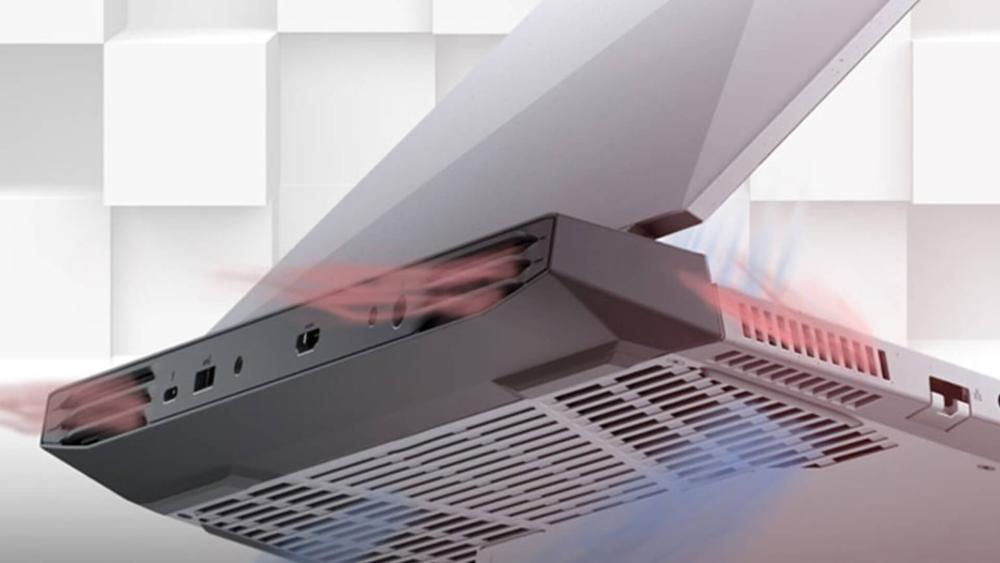
When people talk about laptop lifespan, they often expect a single number, three years, five years, maybe seven if you’re lucky. But the truth is, there’s no fixed expiry date. The longevity of laptops depends on how they’re built, how they’re used, and how well they’re maintained.
Every laptop, whether for gaming or office work, has parts that wear out over time. The battery slowly loses capacity with each charge cycle, thermal paste dries up and reduces cooling efficiency, and even fans start to lose performance after years of spinning under heat. SSDs and HDDs, while robust, also have write limits, meaning every file you move or delete counts towards their eventual slowdown.
What separates gaming laptops from regular ones is what’s happening under the hood. A gaming rig has power-hungry GPUs, high-performance CPUs, and a cooling system that’s working overtime to keep temperatures under control. This doesn’t automatically mean a shorter life. In fact, premium gaming models often use sturdier materials and better cooling than standard notebooks. But it does mean that laptop computer lifespan is far more sensitive to how you handle that performance.
Think of it like a high-performance car. You can run it flat out every day and wear it down faster, or maintain it well, drive smart, and enjoy years of smooth performance. The same logic applies here: proper cooling, smart power management, and routine cleaning go a long way in preserving laptop longevity.
Gaming Laptop vs Regular Laptop – The Real Longevity Comparison
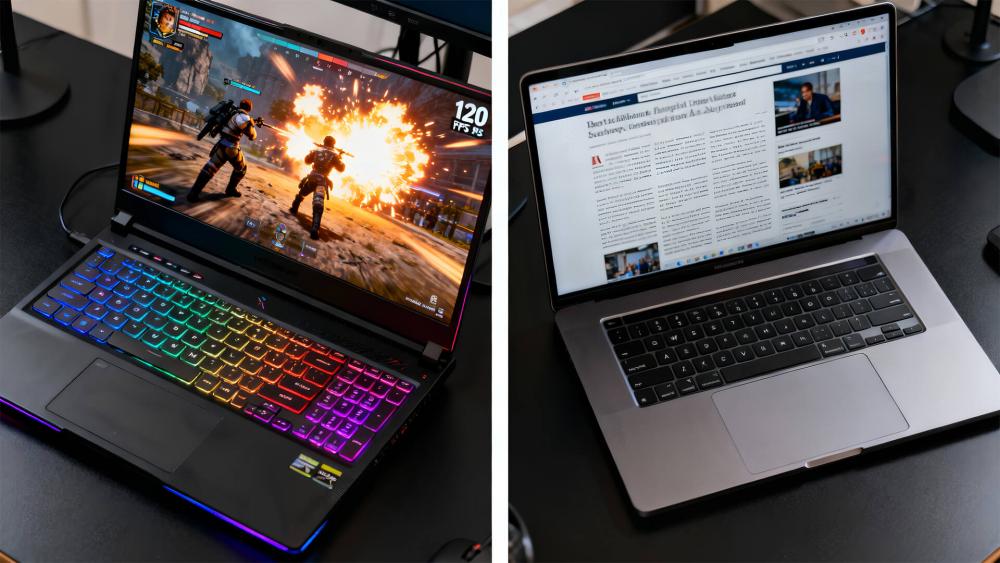
When comparing gaming laptop longevity with that of regular notebooks, the truth isn’t as simple as "one lasts longer." It’s really about how each is used and what stresses their components face.
How Usage Shapes Lifespan
A standard laptop spends most of its life handling light tasks, such as browsing, spreadsheets, or streaming. These create minimal heat and power draw, which helps extend the average lifetimeof a laptop.
In contrast, gaming laptops constantly push their GPUs, CPUs, and fans to their limits. High temperatures and performance loads are part of daily life, which can accelerate wear if the system isn’t maintained. That’s why the average laptop life expectancy for gamers often seems shorter, but it’s a matter of usage intensity, not build quality.
Still, this doesn’t mean gaming laptops are doomed to die young. Many premium models are designed for durability, with metal chassis, reinforced hinges, and advanced cooling solutions that can actually outlast entry-level office laptops.
What the Numbers Say: MTBF and Warranty Terms
Manufacturers measure hardware durability using MTBF (Mean Time Between Failures). This metric estimates how many hours a component can operate before it’s likely to fail. High-end gaming laptops often boast similar MTBF ratings to professional or business laptops, thanks to superior materials and cooling.
Warranty terms also tell a story. While standard laptops may offer one to two years, many gaming laptops now match that and even extend further with support add-ons. If you’re planning to keep your device long-term, investing in extended laptop warranties is a smart move to safeguard your investment.
So, Which Lasts Longer?
In reality, both can last 5–7 years or more. A gaming laptop may experience faster performance decline due to heat and stress, while a regular notebook may stay slower but steady for longer. The deciding factor is care and usage. Proper cooling, smart settings, and regular upkeep can make either machine survive far beyond the so-called typical laptop lifespan.
Common Myths About Gaming Laptop Longevity
The conversation around gaming laptop longevity has been fuelled by misconceptions for years. From claims about overheating to assumptions that you’ll need a replacement every couple of years, these myths have stuck around, even as technology has evolved well beyond them. Let’s break down the most common ones and uncover what’s actually true.
Myth 1: "Gaming Laptops Always Overheat and Fail"
This myth dates back to the bulky, poorly ventilated machines of the early 2010s. Modern gaming laptops are a different story entirely. Manufacturers now invest heavily in cooling, from vapour chamber systems to liquid metal thermal compounds. Proper airflow and cooling pads can make a huge difference, too.
In fact, most gaming laptops are engineered to handle temperatures that would cripple regular notebooks. It’s prolonged neglect, not performance, that kills components. Cleaning vents and fans regularly, and occasionally refreshing thermal paste, can easily add years to your laptop lifespan.
Myth 2: "You’ll Need a New One Every 2–3 Years"
This myth persists because people equate performance degradation with failure. But modern CPUs and GPUs are built for longevity. You might outgrow your specs before your hardware actually gives up.
Upgrades also extend usable life. Simply upgrading the RAM can revitalise an older gaming laptop, while swapping in a faster SSD or using Portable external SSDs can breathe new life into storage-limited models. Regular maintenance and balanced power settings can easily keep a gaming laptop in top form for five years or more.
Myth 3: "Regular Laptops Are Built to Last Longer"
It’s easy to assume business or standard laptops are more reliable because they’re marketed for productivity, not performance. But build quality depends on the manufacturer, not the category.
Many gaming laptops use stronger hinges, thicker aluminium shells, and more durable keyboards to handle intense daily use. The only real difference lies in how they’re treated. A gaming laptop that’s cleaned, cooled, and upgraded can easily outlive a neglected office machine.
What the Data Says
When it comes to gaming laptop longevity, speculation and opinion are everywhere, but data paints a clearer picture. Manufacturers track hardware reliability through metrics like MTBF (Mean Time Between Failures), while repair centres and tech communities give us real-world insight into how long laptops actually last.
Across multiple reports, the average laptop lifespan still sits between 3 and 5 years for mid-range devices, and 5 to 7 years for higher-end models. Interestingly, many gaming laptops fall into the latter category. Their stronger cooling systems and premium components mean that, when cared for properly, they can go toe-to-toe with business-class notebooks.
Warranty data supports this too. Most gaming laptops now offer the same coverage period as regular laptops (typically two years) while flagship or enthusiast models can include up to three years as standard. For those who plan on pushing their systems hard, investing in an extended laptop warranty offers extra protection against wear-related failures.
User experiences tell a similar story. On Reddit and gaming forums, it’s common to find posts from players whose gaming laptops have lasted 5 or even 7 years, with only minor upgrades like RAM or SSD swaps needed along the way. The data shows that with decent care and smart usage, gaming laptops can absolutely match, or even surpass, the average lifetime of a laptop.
If you’d like a deeper look into maintenance tips and repair insights, you can also check out our related post: What Is a Gaming Laptop’s Lifespan and How to Increase It.
Why Some Gaming Laptops Fail Sooner
If gaming laptop longevity largely depends on maintenance and usage, why do some devices still fail early? The truth isn’t always about bad design. Often, it comes down to habits, neglect, or unrealistic expectations. Let’s break down the most common reasons gaming laptops meet an early end.
1. Misuse and Overload
Gaming laptops are built for high performance, but even the best hardware has limits. Running at max settings 24/7, blocking exhaust vents, or gaming directly on soft surfaces like beds can quickly overheat key components. Prolonged thermal stress accelerates laptop component fatigue, reducing the expected life of a laptop.
It’s important to remember that performance tweaks can make a big difference. Lowering graphics settings slightly or limiting FPS can help reduce heat and extend your gaming laptop lifespan without noticeably affecting gameplay.
2. Skipping Maintenance and Upgrades
Dust buildup is one of the most common killers of gaming laptops. It clogs vents, traps heat, and strains the cooling system. Ignoring simple upkeep, like cleaning fans or replacing dried thermal paste, can turn a perfectly fine machine into a furnace.
Likewise, neglecting upgrades is another missed opportunity. Adding more memory through RAM upgrades or using external SSDs for smoother storage performance helps relieve system strain, allowing your laptop to age more gracefully.
3. Cheap Builds and Budget Models
Not all gaming laptops are created equal. Budget-friendly models often cut costs where it matters most, cooling, materials, and durability. Thinner chassis may look appealing, but if they compromise airflow or thermal headroom, it can shorten the typical laptop lifespan.
If you’re shopping on a budget, aim for a balance between power and build quality. Sometimes, spending a little more upfront means saving years of reliable performance in the long run.
How to Make Your Gaming Laptop Last Longer
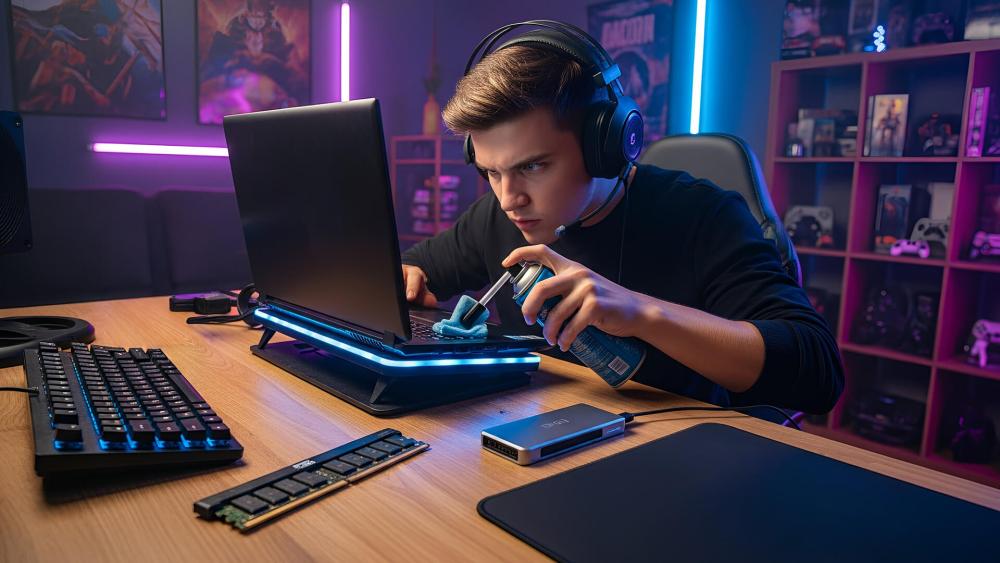
Gaming laptops are built to perform, but lasting performance takes more than just good specs — it’s about consistent care and smart usage. Here’s how to get the most years possible out of your machine.
1. Don’t Push Hardware to the Edge
Running your laptop flat out all the time is a fast way to age it. Instead of always maxing out your GPU and CPU, use performance profiles or limit your FPS in lighter games. Undervolting tools are great for reducing heat without hurting performance, and can significantly extend gaming laptop lifespan. Think of it as training your laptop to sprint only when needed, not constantly.
2. Keep Temperatures Under Control
Heat is the number one enemy of laptop longevity. Make cleaning part of your gaming routine, compressed air for vents, gentle brushwork around fans, and a proper cooling pad for airflow. If you’re feeling confident, refreshing thermal paste every couple of years can drop temperatures by several degrees. A cooler laptop doesn’t just run faster, it lives longer.
3. Take Battery Health Seriously
Your battery has a limited number of charge cycles before it starts to degrade. Avoid letting it drain to zero or stay at 100% constantly. Keeping the charge between 40% and 80% is ideal for long-term health. Many modern laptops include eco-charging or hybrid battery modes, so make use of them. When gaming for long sessions, plug in directly. It spares your battery unnecessary wear and extends average laptop life expectancy.
4. Upgrade Smartly When Possible
Upgrades are the easiest way to give your system a second wind. Boosting memory or swapping in an NVMe drive can make your machine feel brand new. For external storage or faster load times, consider Portable SSDs. Even small improvements like these can extend laptop computer lifespan and help you avoid premature replacements.
5. Use the Right Accessories and Settings
Small tools can make a big difference. Cooling pads, external drives, and power settings tailored to your workload all help manage heat and stress. Regular system updates, dust checks, and balanced fan profiles can keep performance steady year after year. And if you’re planning to hold onto your device long-term, an extended laptop warranty adds a safety net for peace of mind.
Final Verdict – It’s Not About Gaming vs Regular
At the end of the day, the debate over gaming laptop longevity versus regular laptops isn’t really about the category. It’s about how you use and care for your device. A gaming laptop might face more stress, but it’s also built to handle it. With proper upkeep, smart usage, and occasional upgrades, it can last just as long as, if not longer than, a standard notebook.
The truth is that both types of laptops share a similar typical lifespan usually between five and seven years. What makes the difference is consistency. Cleaning your cooling system, managing heat, and handling power properly can easily stretch that number. It’s not uncommon to see gaming laptops from 2018 still running smoothly in 2025, thanks to a bit of care and smart management.
Before deciding what’s right for you, consider your habits and priorities. If you’re someone who loves gaming, creates content, or just prefers high performance, a gaming laptop offers incredible long-term value. But if portability and light workloads are your main focus, a standard laptop might be the simpler option. Either way, maintaining your device well is what defines its lifespan and not the badge on the lid.
For anyone planning to hold onto their machine for years, a few smart investments go a long way. Combine good maintenance with an extended laptop warranty, and don’t shy away from timely upgrades. With these, your laptop can easily go beyond the average laptop life expectancy and stay relevant for far longer than expected.
So no, gaming laptops aren’t doomed to die young. They simply demand a little more attention. Treat them right, and they’ll repay you with years of reliable, high-speed performance that rivals any other category.
FAQ – Gaming Laptop Lifespan Myths and Truths
1. Do gaming laptops last as long as business laptops?
Yes, they can. Most modern gaming laptops match or even exceed business laptops in average laptop lifespan, thanks to stronger cooling systems and premium components. The key difference is in how they’re used. Gamers typically push hardware harder, so consistent maintenance matters more.
2. How many years should I expect from a gaming laptop?
On average, a well-maintained gaming laptop can last between five and seven years. High-end models can go beyond that with care, occasional RAM upgrades, and SSD replacements. Proper cooling and battery management also play a huge role in gaming laptop longevity.
3. Can I upgrade parts in a gaming laptop?
Yes, most gaming laptops support upgrades like RAM and storage. Adding more memory or switching to external SSDs can improve both speed and lifespan. Some advanced models even allow fan or Wi-Fi card replacements, making them surprisingly upgradable compared to ultrabooks.
4. What’s the most common reason gaming laptops fail?
Heat and neglect. Overheating from dust build-up, old thermal paste, or blocked vents are the usual culprits. Regular cleaning and the use of cooling pads can drastically reduce wear and extend the expected life of a laptop.
5. Is battery life shorter in gaming laptops?
Typically, yes but only because of the high-performance components drawing more power. However, smart battery settings, balanced profiles, and hybrid modes help extend battery lifespan in laptops, even when gaming regularly.
6. Should I avoid gaming laptops for school or work?
Not at all. In fact, they’re perfect for students or professionals who game and create. Many new models, including AI laptops, are thin, efficient, and powerful enough for design, development, and productivity, offering performance that lasts years.
You can pay with:
*PayPal Credit Representative Example: Assumed credit limit £1,200, Representative 23.9% APR (variable). Purchase rate 23.9% p.a (variable).Terms & Conditions apply.


PayPal Credit and PayPal Pay in 3 are trading names of PayPal UK Ltd, 5 Fleet Place, London, United Kingdom, EC4M 7RD. Terms and conditions apply. Credit subject to status, UK residents only, Five Tech LTD acts as a broker and offers finance from a restricted range of finance providers. PayPal Pay in 3 is not regulated by the Financial Conduct Authority. Pay in 3 eligibility is subject to status and approval. 18+. UK residents only. Pay in 3 is a form of credit. Check if affordable and how you will repay. May make other borrowing more difficult or expensive. See product terms for more details.
Copyright © 1996-2026 Fivetech LTD | Terms and Conditions
box.co.uk & Box are trading names of Five Tech Limited. Registered office: Box LTD, Unit 10 Woodford Trading Estate, Woodford Green IG8 8HF