


 Menu
MenuMenu


Get Sales Advice from Mon - Fri 9am - 5:00pm:
020 3337 8950POSTED: 25 May, 2026
ATX vs Micro ATX AM5 Motherboards: Which Size Is Right for You?
Choosing between ATX vs Micro ATX AM5 Motherboards is one of the first decisions you need to make when building a Ryzen gaming PC. Both sizes can support modern AMD Ryzen processors, DDR5 memory and high-performance graphics cards, but they suit different types of builds.
An ATX form factor motherboard is larger, usually offers more expansion room and is often the safer choice for high-end gaming PCs. A Micro ATX board, also known as an mATX motherboard, is smaller and can be better for compact, affordable and space-saving builds.
The important thing to understand is that size does not automatically decide gaming performance. A good mATX AM5 motherboard can still power a strong gaming PC. Likewise, not every ATX board is automatically better. The right choice depends on your case, budget, GPU size, cooling plans, storage needs and upgrade goals.
AM5 is AMD’s current desktop platform for Ryzen 7000, Ryzen 8000 and Ryzen 9000 series processors, with support for DDR5 memory and PCIe 5.0 on select motherboards. AMD also states that AMD Socket AM5 motherboards with 600 and 800 series chipsets support AMD Socket AM5 processors across Ryzen 7000, 8000 and 9000 families
What Are Motherboard Form Factors?
Motherboard form factor simply means motherboard size and layout. It affects what case the board fits in, how many expansion slots it can have, how much storage it may support, and how much space there is around the CPU socket, GPU slot and memory slots.
The most common PC motherboard sizes are:
| For Factor | Typical Size | Best For |
| Mini ITX | 170mm x 170mm | Very compact gaming PCs |
| Micro ATX | 244mm x 244mm | Compact value focused builds |
| ATX | 305mmx244mm | Standard gaming and performance PCs |
| Extended ATX | Larger than ATX | Enthusiast and showcase builds |
ATX and Micro ATX are the two most common choices for mainstream gaming PCs. ATX gives you more space and features, while Micro ATX gives you a smaller footprint and often better value.
If you are building a Ryzen system, you can browse AMD motherboards to compare different AM5 options across multiple form factors.
What Is an ATX AM5 Motherboard?
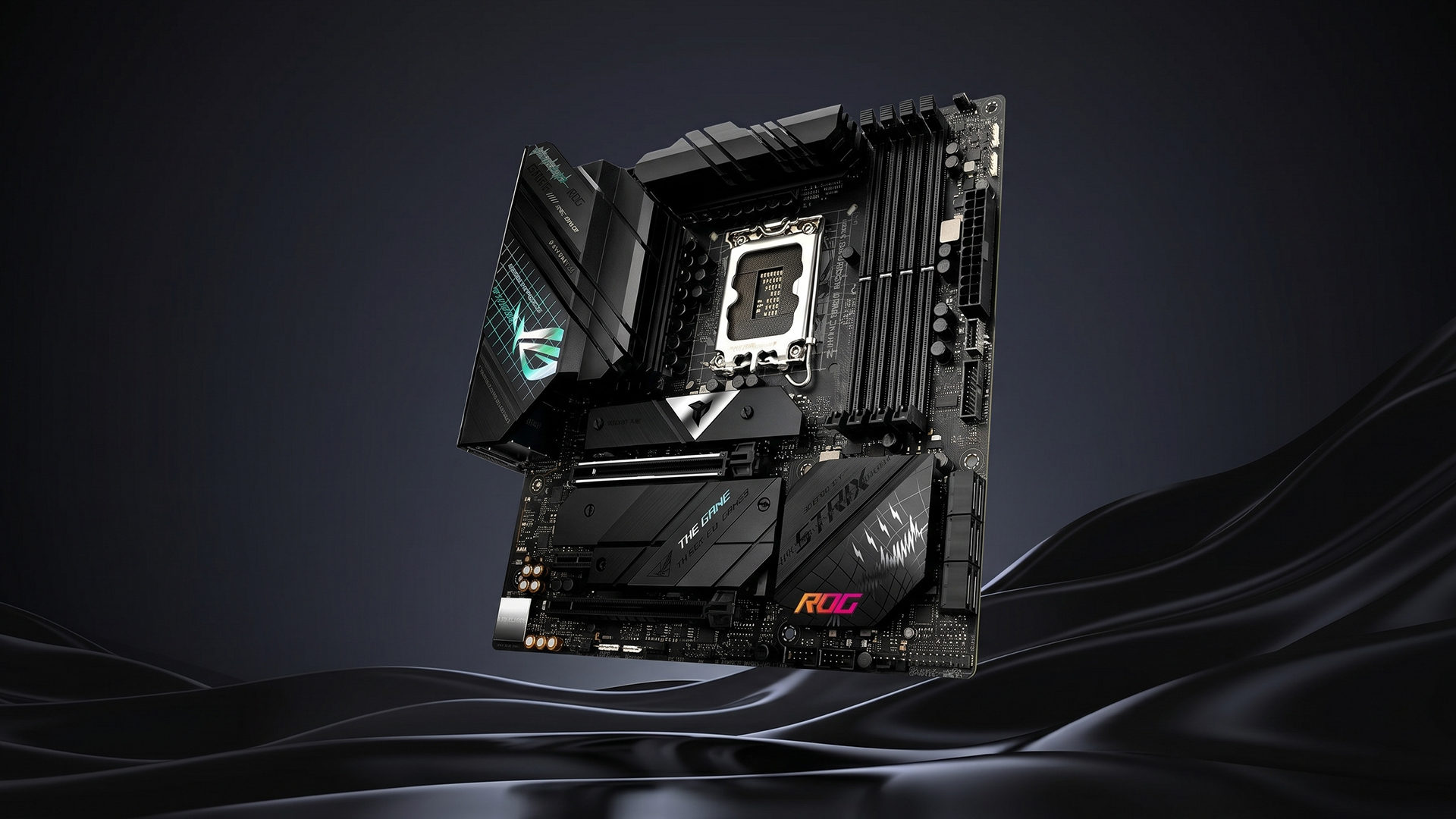
An ATX AM5 motherboard is a full-size motherboard designed for AMD Ryzen processors using the AM5 socket. It is the most common choice for gaming builds because it offers a good balance of space, cooling room, expansion slots and features.
A typical ATX PC motherboard gives you:
- More PCIe expansion slots
- More M.2 SSD slots
- More fan and RGB headers
- More USB headers
- Better spacing around components
- Larger VRM heatsinks on many models
- Easier cable routing in mid-tower cases
- Better support for large graphics cards
For high-end gaming, this extra space can be useful. Large modern GPUs can take up several slots, and ATX boards usually provide more room for airflow and additional expansion.
An ATX motherboard is often the easiest choice if you are building a gaming PC in a mid-tower or full-tower case. It gives you more flexibility and makes the build process more comfortable.
If you want a standard-size Ryzen board for a performance PC, browse ATX PC motherboard options.
What Is a Micro ATX AM5 Motherboard?
A Micro ATX AM5 motherboard is a smaller motherboard that still supports AMD Ryzen AM5 processors. It is commonly used in compact gaming PCs, office systems, budget builds and smaller cases.
A typical mATX AM5 motherboard gives you:
- A smaller board size
- Lower pricing on many models
- Enough features for most users
- Support for full-size graphics cards
- Usually two to four RAM slots
- Usually one or more M.2 SSD slots
- Good compatibility with compact cases
The main benefit of Micro ATX is practicality. Many gamers only use one graphics card, one or two SSDs and standard USB accessories. If that sounds like your build, you may not need the extra expansion room of ATX.
A good mATX motherboard can be a smart way to save money or build a smaller system without giving up Ryzen gaming performance.
You can compare mATX motherboard options if you want a compact AM5 build.
ATX vs Micro ATX AM5 Motherboards: Key Differences
The biggest differences between ATX and Micro ATX are physical size, expansion room, storage support, and case compatibility.
| FEATURE | ATX AM5 MOTHERBOARD | MICRO ATX AM5 MOTHERBOARD |
| Size | Larger | Smaller |
| Case fit | Mid-tower and larger cases | mATX cases and many ATX cases |
| Expansion slots | Usually more | Usually fewer |
| M.2 slots | Often more | Usually fewer |
| RAM slots | Usually four | Usually two or four |
| Build space | Easier to work with | More compact |
| Price | Can be higher | Often better value |
| Cooling space | More room around components | Depends heavily on case |
| Best for | High-end and upgrade-focused builds | Compact and value-focused builds |
For most gamers, the choice comes down to how much expansion and space you actually need.
If you want a powerful PC with multiple SSDs, a large GPU, lots of cooling and future upgrade flexibility, ATX is usually better. If you want a smaller, simpler and more affordable Ryzen build, Micro ATX can be the smarter option.
Does Motherboard Size Affect Gaming Performance?
Motherboard size does not directly increase FPS. A Micro ATX board and an ATX board using the same CPU, GPU, RAM and storage can deliver very similar gaming performance.
What matters more is motherboard quality.
A good AM5 motherboard should have:
- Reliable VRM power delivery
- Good CPU support
- DDR5 memory support
- Strong BIOS stability
- Enough cooling around key components
- Suitable PCIe and M.2 slots
- Good network connectivity
- Enough ports for your setup
For gaming, the CPU and GPU have a much bigger direct impact than the board size. That means a well-built Micro ATX board can be perfectly fine for gaming, even with a powerful Ryzen CPU and modern graphics card.
However, ATX boards often include stronger feature sets, more heatsinks, and more connectivity. That can make them better for high-end systems, even if the size itself does not improve FPS.
If you want a board designed specifically for gaming builds, browse top gaming motherboards.
Why Choose an ATX AM5 Motherboard?
The best ATX AM5 motherboard for you is usually the one that gives your build more room to grow. ATX is the better choice if you want a more feature-rich motherboard and a more flexible system.
Better Expansion Options
ATX boards usually offer more PCIe slots than Micro ATX boards. This can be useful if you want to add capture cards, sound cards, extra networking cards or other expansion devices.
Most gaming PCs only need one GPU, but extra slots still give you more flexibility. This is especially useful for streamers, content creators and users who want a PC that can evolve over time.
More Storage Potential
ATX boards often include more M.2 slots than mATX boards. This matters because modern games can take up a lot of space. If you want several fast NVMe SSDs, ATX is usually the easier route.
A high-end ATX AM5 board may give you enough space for a boot drive, a games drive and another SSD for work files or future expansion.
Easier Building Experience
ATX boards are physically larger, which can make them easier to build with. There is usually more space around headers, cables, the CPU socket and the GPU slot.
This is helpful if you are building your first PC or using a large graphics card. A bigger case and full-size board often make cable management, airflow and upgrades easier.
Better for High-End Ryzen Builds
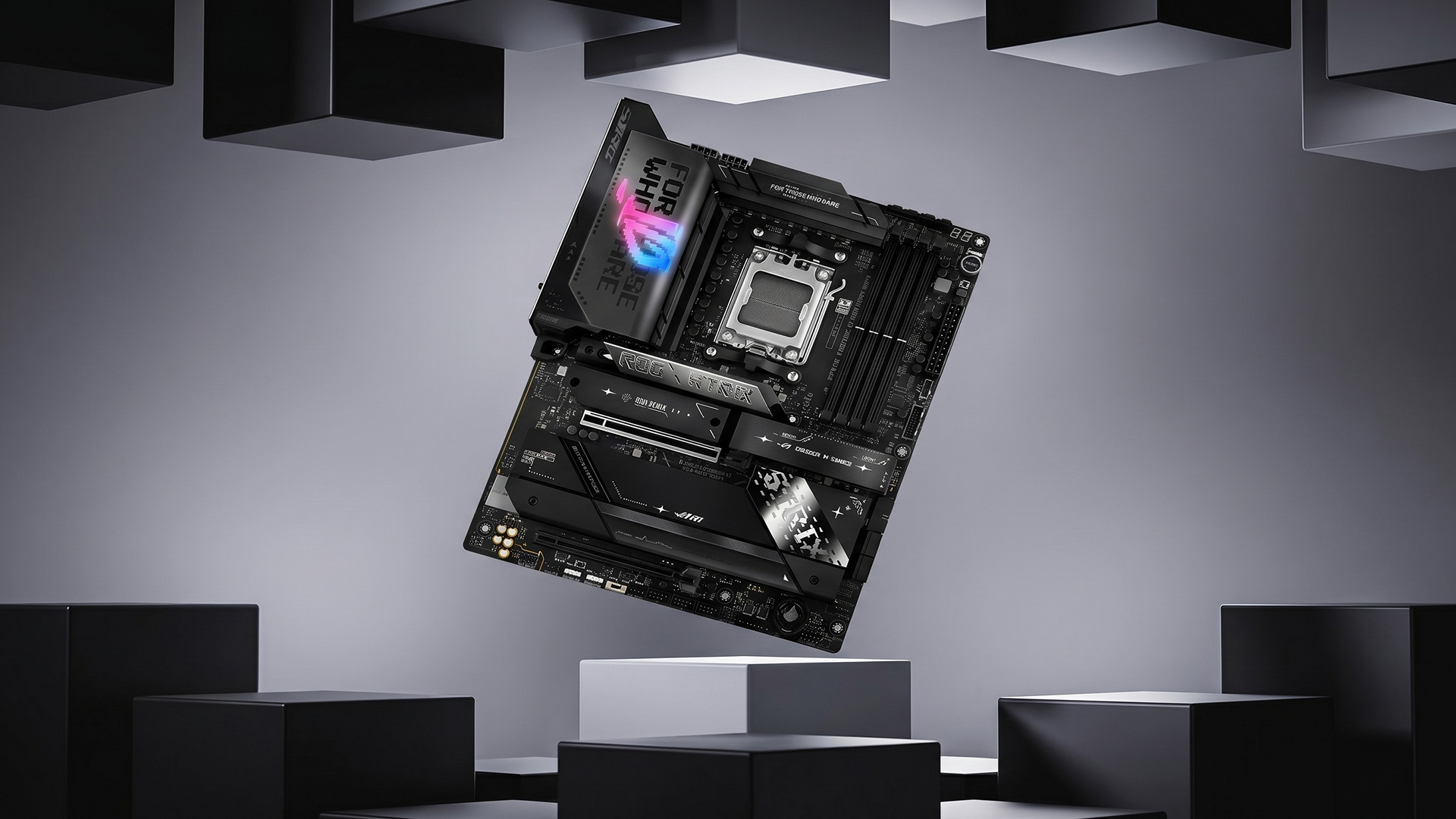
If you are using a Ryzen 9 or Ryzen X3D processor, a strong ATX board may be the better long-term choice. Many premium ATX boards include better VRM cooling, larger heatsinks and more robust connectivity.
This does not mean Micro ATX cannot work. It simply means ATX gives you more headroom for demanding builds.
Why Choose a Micro ATX AM5 Motherboard?
A Micro ATX motherboard is a strong choice if you want a compact, efficient and cost-effective Ryzen build.
Better Value for Many Gamers
Micro ATX boards often cost less than similar ATX models. If you do not need extra PCIe slots or multiple SSD slots, this can be a smart way to save money.
That saved budget can go towards a better graphics card, more RAM, a larger SSD or a better monitor. For many gamers, that will improve the experience more than paying extra for unused motherboard features.
Smaller PC Builds
Micro ATX boards are ideal if you want a smaller desktop PC. They fit in mATX cases, which can take up less desk or floor space than full ATX towers.
This is useful for bedroom setups, student rooms, small offices, or minimalist gaming spaces.
Enough Features for Most Users
Most gamers use one GPU, one or two SSDs, two memory sticks and a handful of USB devices. A good mATX AM5 board can support all of that without issue.
For many users, Micro ATX is not a compromise. It is simply the right size for what they actually need.
Easier to Fit Into Different Budgets
If you are building a value-focused Ryzen PC, an mATX AM5 motherboard can help keep the total cost under control. This makes it a strong option for budget gaming builds and everyday systems.
Once you’ve chosen the right motherboard size, check out our guide on how to choose the best AM5 motherboard for high-end gaming to compare chipset features, VRM quality, PCIe support, and upgrade potential.
Case Compatibility: What You Need to Check
Before choosing any motherboard, check your case support. A motherboard must physically fit inside your PC case.
Most ATX cases support ATX, Micro ATX and Mini ITX boards. However, most Micro ATX cases do not support full-size ATX boards.
| CASE TYPE | USUALLY SUPPORTS |
| Mini ITX case | Mini ITX only |
| Micro ATX case | Micro ATX and Mini ITX |
| ATX mid-tower | ATX, Micro ATX and Mini ITX |
| E-ATX full tower | E-ATX, ATX, Micro ATX and Mini ITX |
Always check the exact case specification before buying. Some cases may have size limits, especially if you are using a large GPU, liquid cooler or multiple storage drives.
If you want a very compact system, you may also want to compare ITX motherboard options. If you want a larger showcase build, extended ATX motherboard options may be worth considering.
Expansion Slots and GPU Clearance
Modern graphics cards can be large. Many high-end GPUs take up two, three or even more slots. This affects both ATX and Micro ATX builds, but the smaller board and case size of mATX builds can make planning more important.
With ATX, you usually get more space below the main GPU slot. This can help with airflow and makes it easier to use extra PCIe cards.
With Micro ATX, the GPU may cover more of the board, limiting access to lower PCIe slots or headers. This is not always a problem, but it is something to check before buying.
For most gaming PCs, the key questions are:
- Will the GPU fit inside the case?
- Will it block important motherboard headers?
- Is there enough airflow around the GPU?
- Do you need any PCIe cards besides the graphics card?
- Does the case support the GPU length and thickness?
If you only use one GPU and no extra expansion cards, Micro ATX can still work very well.
Storage, M.2 Slots and Future Upgrades
Storage is another important difference between ATX and Micro ATX AM5 motherboards.
ATX boards often offer more M.2 slots, which means more room for fast NVMe SSDs. This is useful if you install lots of large games or want separate drives for Windows, games and work files.
Micro ATX boards may have fewer M.2 slots, but many still offer enough for a normal gaming build. If you only need one or two SSDs, an mATX board may be perfectly fine.
For 2026 gaming PCs, a practical storage setup is:
| BUILD TYPE | RECOMMENDED STORAGE |
| Budget gaming PC | 1TB NVMe SSD |
| Mid-range gaming PC | 1TB to 2TB NVMe SSD |
| High-end gaming PC | 2TB NVMe SSD plus expansion room |
| Gaming + content creation | Multiple NVMe SSDs preferred |
If you want the best upgrade path, choose a board with more M.2 slots than you need today.
Cooling and Airflow Considerations
Motherboard size affects cooling indirectly. The board itself is not the only factor; the case, fans, CPU cooler and GPU size matter more.
ATX builds usually have more room for airflow because they are often installed in larger cases. This can help when using powerful GPUs and high-end Ryzen processors.
Micro ATX builds can still cool well, but you need to choose the case carefully. A cramped mATX case with poor airflow can make components run hotter. A well-designed mATX case with mesh panels and good fan support can perform very well.
For high-end gaming, check:
- CPU cooler clearance
- GPU airflow
- Case fan support
- VRM heatsinks
- M.2 heatsinks
- Radiator support if using liquid cooling
If you are using a Ryzen 9 CPU or a very powerful GPU, an ATX build may be easier to cool. If you are building around a Ryzen 5 or Ryzen 7, Micro ATX can be a very practical choice.
Which Is Better for AM5 Gaming?
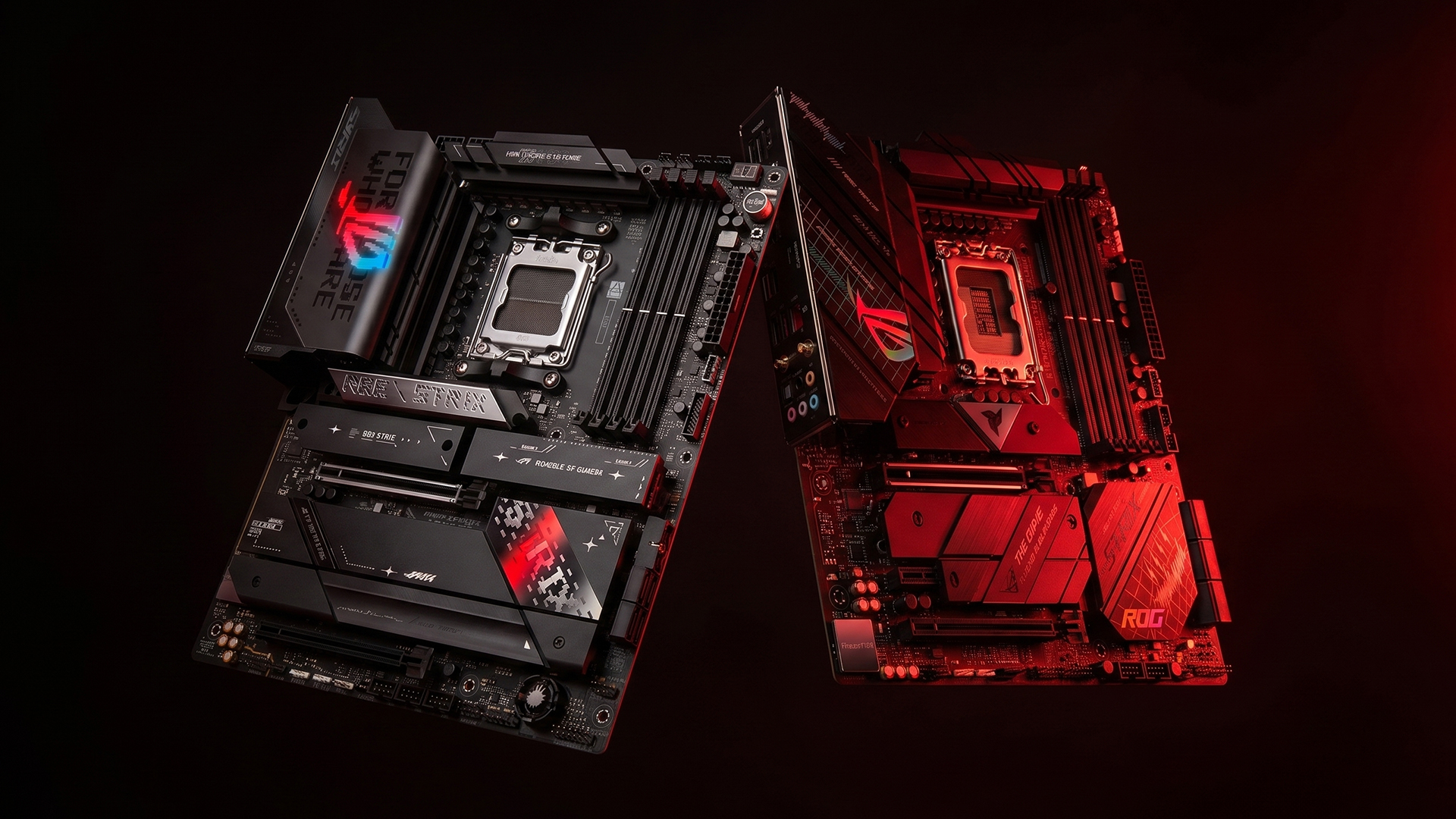
There is no single winner. The best choice depends on your build.
Choose ATX if you want:
- A high-end gaming PC
- More M.2 SSD slots
- More PCIe expansion
- Easier cable management
- Better upgrade flexibility
- A large case with strong airflow
- A premium Ryzen motherboard
Choose Micro ATX if you want:
- A smaller PC
- Better value
- A simpler gaming build
- One GPU and one or two SSDs
- A compact case
- A practical AM5 system without overspending
For many gamers, Micro ATX is enough. For enthusiasts, streamers, creators, and high-end builders, ATX is usually the better choice.
Best AM5 Motherboard Size by User Type
| USER TYPE | BETTER CHOICE | WHY |
| First-time PC builder | ATX | Easier to build in and more spacious |
| Budget gamer | Micro ATX | Better value and enough features |
| High-end gamer | ATX | More expansion and cooling room |
| Compact setup user | Micro ATX | Smaller system footprint |
| Streamer or creator | ATX | More storage and expansion options |
| Minimalist desk setup | Micro ATX | Cleaner, smaller PC build |
| Upgrade-focused user | ATX | More long-term flexibility |
This table gives a simple way to decide. If you want maximum flexibility, choose ATX. If you want good value and a smaller build, choose Micro ATX.
Your motherboard size is only one part of the decision. Our budget vs premium AM5 motherboards guide breaks down how pricing affects features, connectivity, performance, and long-term value.
Final Verdict
When comparing ATX vs Micro ATX AM5 Motherboards, the best choice depends on how much space, expansion and flexibility you need.
An ATX AM5 motherboard is the better option if you are building a high-end Ryzen gaming PC, want more M.2 slots, need extra PCIe expansion or prefer a roomier build experience. It is the safer choice for premium systems and future upgrades.
A Micro ATX AM5 motherboard is the better option if you want a smaller, more affordable and more practical gaming PC. It still supports modern Ryzen processors and can deliver excellent gaming performance when paired with the right CPU, GPU and memory.
In simple terms, choose ATX if you want maximum flexibility. Choose Micro ATX if you want strong value in a compact build.
To build your next Ryzen PC, browse the latest AMD Ryzen motherboards at box.co.uk, compare wider PC motherboards, explore compact mATX motherboard options, or choose an ATX PC motherboard for a full-size gaming setup.
You can pay with:
*PayPal Credit Representative Example: Assumed credit limit £1,200, Representative 23.9% APR (variable). Purchase rate 23.9% p.a (variable).Terms & Conditions apply.


PayPal Credit and PayPal Pay in 3 are trading names of PayPal UK Ltd, 5 Fleet Place, London, United Kingdom, EC4M 7RD. Terms and conditions apply. Credit subject to status, UK residents only, Five Tech LTD acts as a broker and offers finance from a restricted range of finance providers. PayPal Pay in 3 is not regulated by the Financial Conduct Authority. Pay in 3 eligibility is subject to status and approval. 18+. UK residents only. Pay in 3 is a form of credit. Check if affordable and how you will repay. May make other borrowing more difficult or expensive. See product terms for more details.
Copyright © 1996-2026 Fivetech LTD | Terms and Conditions
box.co.uk & Box are trading names of Five Tech Limited. Registered office: Box LTD, Unit 10 Woodford Trading Estate, Woodford Green IG8 8HF