


 Menu
MenuMenu


Get Sales Advice from Mon - Fri 9am - 5:00pm:
020 3337 8950LAST UPDATED: January 27, 2026
Apple Turns to Google Gemini for Siri AI Upgrade: Features, Privacy, and What’s Next
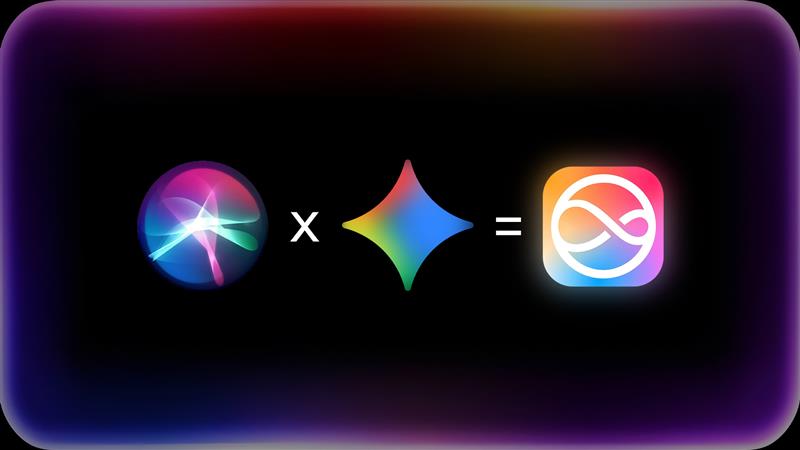
Apple is making a major move in artificial intelligence by partnering with Google to power its long-awaited Siri AI upgrade. In a multi-year deal, the iPhone maker will use Google's Gemini AI models to enhance Siri and other Apple Intelligence features, marking one of the most significant shifts in Apple's software strategy in recent years.
The Apple and Google collaboration was confirmed in a joint statement from Google and Apple, with both companies highlighting the goal of delivering smarter, more personalised experiences without compromising privacy.
Why Apple Is Upgrading Siri with Google Gemini
The upcoming Apple Siri upgrade reflects growing pressure on Apple to compete in an AI-driven market. While rivals like Google and Samsung have aggressively rolled out AI features, Apple has taken a more cautious approach. That strategy is now changing.
With Apple Gemini Siri integration, Apple will rely on Google's Gemini models as a foundational layer for Apple Intelligence. Analysts say Google Gemini offers the scale and capability Apple needs to rapidly improve Siri's conversational abilities, contextual understanding, and response accuracy.
This move is expected to finally deliver the intelligent assistant Apple users have been waiting for particularly across iPhones with Apple Intelligence and the latest Apple hardware.
What the Siri AI Upgrade Means for Apple Devices
The Google Gemini Siri partnership will power improvements across multiple Apple services, starting with Siri. Users can expect more natural conversations, better task automation, and improved handling of complex queries.
Importantly, Apple confirmed that Apple Intelligence, including the Siri AI upgrade; will continue to run on-device and through Apple's Private Cloud Compute system. This approach allows Apple to deliver advanced AI features while maintaining strict privacy controls.
These enhancements will roll out across latest Apple devices, including iPhones, Macs, and iPads. AI performance is also expected to benefit Apple's growing range of AI-powered laptops, such as the popular MacBook Air laptops, which are already optimised for on-device intelligence.
You can explore the full range of Apple products available now at the Apple Store.
Visual Intelligence on Latest iPhones: How It Fits into Apple's AI Strategy
Alongside the Siri AI upgrade, Apple is also expanding its Visual Intelligence capabilities on iPhone 16 and iPhone 17 models, running iOS 18.1 or later. This feature is powered primarily by Apple's own on-device and private cloud AI models, forming a core part of Apple Intelligence rather than relying directly on Google's systems.
Visual Intelligence allows users to point their iPhone camera at objects, text, landmarks, or products to receive contextual information, translations, and suggestions; all processed with Apple's privacy-first approach.
However, Apple gives users the option to search Google and other third-party services for specific tasks, such as broader web results or shopping comparisons. This optional search capability reflects Apple's evolving AI strategy: Apple Intelligence handles the core experience, while partnerships like Google's provide extended reach when users choose it.
In this context, the Apple–Google collaboration feels less like outsourcing and more like a controlled expansion combining Apple's AI foundation with Google's strengths where useful.
Privacy: Apple's Key Differentiator
Privacy remains central to Apple's AI strategy. Despite using Google's technology, Apple has stressed that user data will not be used to train Google's models. According to the joint statement, Apple determined that Google's AI offered the strongest foundation while still allowing Apple to maintain industry-leading privacy standards.
For customers choosing new iPhones with Apple Intelligence, this reassurance will be critical especially as AI becomes more deeply embedded into everyday device usage.
If you're considering upgrading, explore the latest Apple iPhone models available now.
How This Impacts the AI Competition
The Google Gemini Apple Siri deal is also significant for the wider AI landscape. While Apple already integrates ChatGPT for advanced queries, Gemini will now serve as a core AI engine, raising questions about how Apple balances multiple AI partnerships long term.
Meanwhile, Google continues to strengthen its position, with Gemini competing directly against rivals in voice assistants and even influencing the future direction of the Google Assistant AI upgrade.
Why Regulators May Be Watching the Apple–Google AI Deal Closely
Although details of the deal remain limited, regulators in the UK and EU have previously raised concerns about Apple and Google's market power. UK regulators have described the companies as holding strategic market status, and previous agreements such as Google paying billions to remain the default search engine on iPhones have already drawn scrutiny.
As AI assistants become more central to how users access information, partnerships like this may face closer regulatory attention.
What's Next for Apple Intelligence?
The Siri AI upgrade powered by Google Gemini is expected to roll out gradually over the next year, after previous delays pushed major AI enhancements into 2026. While Apple insists its OpenAI partnership remains unchanged, questions remain about how ChatGPT and Gemini will coexist within Siri.
One thing is clear: Apple's collaboration with Google signals a turning point. As AI-powered services become a deciding factor for consumers, this partnership could redefine Siri and Apple's place in the AI race.
Apple plans to roll out the Siri AI upgrade gradually over the coming year after previous delays. As AI-powered services gain adoption, features like this could become a deciding factor for consumers choosing new hardware.
You can pay with:
*PayPal Credit Representative Example: Assumed credit limit £1,200, Representative 23.9% APR (variable). Purchase rate 23.9% p.a (variable).Terms & Conditions apply.


PayPal Credit and PayPal Pay in 3 are trading names of PayPal UK Ltd, 5 Fleet Place, London, United Kingdom, EC4M 7RD. Terms and conditions apply. Credit subject to status, UK residents only, Five Tech LTD acts as a broker and offers finance from a restricted range of finance providers. PayPal Pay in 3 is not regulated by the Financial Conduct Authority. Pay in 3 eligibility is subject to status and approval. 18+. UK residents only. Pay in 3 is a form of credit. Check if affordable and how you will repay. May make other borrowing more difficult or expensive. See product terms for more details.
Copyright © 1996-2026 Fivetech LTD | Terms and Conditions
box.co.uk & Box are trading names of Five Tech Limited. Registered office: Box LTD, Unit 10 Woodford Trading Estate, Woodford Green IG8 8HF