


 Menu
MenuMenu


Get Sales Advice from Mon - Fri 9am - 5:00pm:
020 3337 8950POSTED: 26 May, 2026
AMD Ryzen 7 260 vs Intel Core i7-13650HX: Which Laptop Processor Should You Choose?
Choosing between Ryzen 7 260 vs i7 13650HX is really about choosing the type of laptop experience you want. Both processors are powerful enough for gaming, productivity, and everyday use, but they are designed for slightly different laptops.
The AMD Ryzen 7 260 is a newer, efficient Ryzen 7 CPU. It has 8 cores, 16 threads, a boost clock of up to 5.1GHz, Radeon 780M integrated graphics, and Ryzen AI support. AMD lists it with a 45W default TDP, 35–54W configurable TDP, DDR5/LPDDR5X support and up to 16 TOPS of NPU performance.
The Intel Core i7-13650HX is an older but more power-focused high-performance laptop processor. It uses Intel’s hybrid core architecture with 6 Performance cores and 8 Efficiency cores, giving it 14 cores and 20 threads in total. It is designed for larger gaming and performance laptops where cooling and sustained power matter more than maximum portability.
In simple terms, the Ryzen 7 260 is better if you want efficiency, battery life, strong integrated graphics, and modern AI features. The i7-13650HX is better if you want higher multi-core performance in a larger laptop, especially when paired with a dedicated GPU.
Ryzen 7 260 vs i7-13650HX: Key Differences
Architecture and Generation Gap
The Ryzen 7 260 is the newer processor. It launched in 2025 as part of AMD’s Ryzen 200 Series and uses Zen 4 architecture on a TSMC 4nm process. It is closely related to AMD’s Hawk Point laptop chips, which are built for efficient performance, strong integrated graphics, and AI-assisted workloads.
The i7 13650HX launched earlier as part of Intel’s 13th Gen Raptor Lake HX range. It is a high-power mobile CPU designed for gaming laptops and desktop-replacement systems. Its main strength is raw performance, especially when the laptop has enough cooling to let the processor run at higher power.
This generation difference matters because the Ryzen 7 260 has newer platform features and stronger efficiency-focused design, while the i7-13650HX focuses more on traditional high-performance laptop CPU power.
Core and Thread Count
The two processors use different core designs.
| Processor | Core Layout | Threads | Main Advantage |
| AMD Ryzen 7 260 | 8 Zen 4 cores | 16 threads | Efficient, balanced performance |
| Intel Core i7-13650HX | 6 P-cores + 8 E-cores | 20 threads | Stronger multi-core workload potential |
The Ryzen 7 AMD laptop approach is simpler: 8 full Zen 4 cores with simultaneous multithreading. This makes it strong for everyday use, gaming, creative work, and efficient multitasking.
The CPU Core i7 approach uses Intel’s P-core and E-core design. The P-cores handle demanding tasks, while the E-cores support background and multi-threaded workloads. This gives the i7-13650HX more total cores and threads, which can help in heavier productivity tasks.
Performance Tier Positioning
The Ryzen 7 260 sits in a performance-efficient laptop category. It is not a low-power office-only chip, but it is also not designed to be a huge HX-class desktop replacement CPU. It is best suited to portable performance laptops, creator laptops and efficient gaming laptops.
The i7-13650HX sits in a higher-power gaming laptop category. It is usually found in machines with dedicated graphics cards, stronger cooling, and larger chassis designs.
The comparison shows the i7-13650HX ahead in CPU Mark multi-threaded scoring, while the Ryzen 7 260 has a very similar single-thread rating. It also notes that the Intel chip uses more power.
For buyers, that means this is not just a “which CPU is faster?” question. It is a “which laptop type fits me better?” question.
Gaming Performance Comparison
AAA Gaming Performance
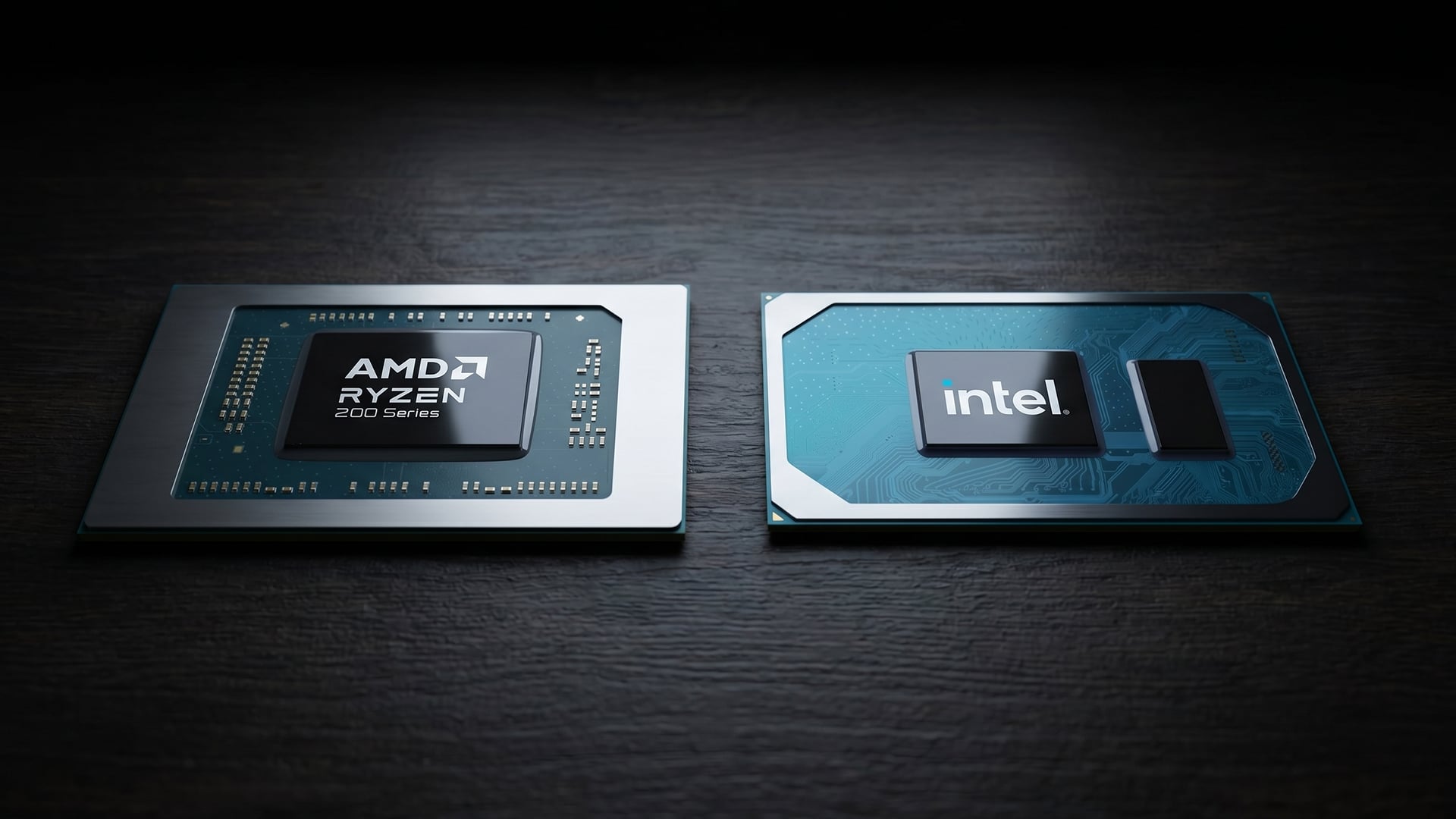
For AAA gaming, the graphics card usually matters more than the CPU. If both laptops have the same RTX GPU, the difference between Ryzen 7 260 vs i7 gaming performance may be smaller than expected in many games.
The i7-13650HX can have an advantage in CPU-heavy games, especially titles with large simulations, complex physics or high frame-rate targets. This can include some strategy games, open-world games, and esports titles where the CPU has to process many tasks quickly.
The Ryzen 7 260 is still very capable for AAA gaming. Its strong single-core performance and efficient design make it a good match for modern gaming laptops, especially when paired with a mid-range or upper-mid-range dedicated GPU.
For most players, the GPU pairing will decide more than the CPU. A Ryzen 7 260 laptop with a stronger GPU can beat an i7-13650HX laptop with a weaker GPU in actual gaming.
Esports Gaming
Esports titles often rely on high frame rates, fast CPU response, and consistent performance. Both processors can handle esports gaming well.
The i7 13650HX performance advantage may appear in high-refresh competitive games where the laptop is trying to push very high FPS. Its higher core count and strong P-core design can help when paired with a powerful GPU and good cooling.
The Ryzen 7 260 performance is also strong for esports, especially because it has a capable Radeon 780M integrated GPU. That means even laptops without a dedicated GPU can handle some lighter competitive titles better than many Intel integrated graphics systems.
For serious gaming, you should still choose a laptop with a dedicated GPU. But for light gaming, casual esports and backup graphics performance, the Ryzen 7 260 has a clear integrated graphics advantage.
GPU Pairing Impact
This is the most important point for gaming laptop buyers: do not judge the laptop by CPU alone.
A gaming laptop’s real performance depends on:
| Component | Why It Matters |
| Dedicated GPU | Biggest factor for AAA gaming performance |
| GPU wattage | A higher-powered RTX GPU can perform much better |
| Cooling system | Helps maintain performance during long sessions |
| RAM | 16GB minimum is ideal for modern gaming |
| Display | Match GPU power to 1080p, 1440p or high refresh needs |
| CPU | Important, but not the only performance factor |
If you are buying a gaming laptop, the i7-13650HX is a strong CPU for high-performance systems. The Ryzen 7 260 is a strong choice for more efficient gaming and creator laptops.
For broader options, you can compare Ryzen 7 260 laptops or browse i7 13650HX powered laptops depending on your preferred platform.
Productivity and Multitasking
Content Creation Tasks
For content creation, both processors are strong, but they suit different types of workflow.
The i7-13650HX is better suited to heavier CPU-based workloads such as:
- Video exporting
- Rendering
- Code compilation
- Large creative projects
- Heavy multitasking
- Workloads that use many threads
Its 14-core, 20-thread layout gives it more multi-core capacity than the Ryzen 7 260, which can help in demanding creative applications.
The Ryzen 7 260 is better suited to creators who want strong performance in a more efficient laptop. It is especially appealing for users who edit photos, create content, work with AI-assisted tools, manage multiple apps, and want better portability.
Multithreaded Workloads
For pure multithreaded performance, the i7-13650HX has the advantage. Its hybrid Intel architecture gives it more total cores and threads, which can help in workloads that scale well across many cores.
However, that performance depends heavily on laptop cooling. A thin i7-13650HX laptop with limited cooling may not perform like a larger gaming laptop with stronger airflow.
The Ryzen 7 260 has fewer total cores, but its 8 Zen 4 cores are efficient and consistent. It may not win every heavy benchmark, but it can deliver strong real-world performance while using less power.
Everyday Performance
For everyday use, both processors are more than fast enough.
Tasks such as browsing, office work, streaming, email, video calls, spreadsheets and general multitasking will feel smooth on either CPU when paired with enough RAM and SSD storage.
For most everyday users, the difference will come down to the laptop around the processor. A Ryzen 7 260 laptop may feel cooler, quieter, and more battery-friendly. An i7-13650HX laptop may feel faster in heavy workloads but could be larger, warmer and more power-hungry.
Power Efficiency and Thermals
Laptop Power Consumption
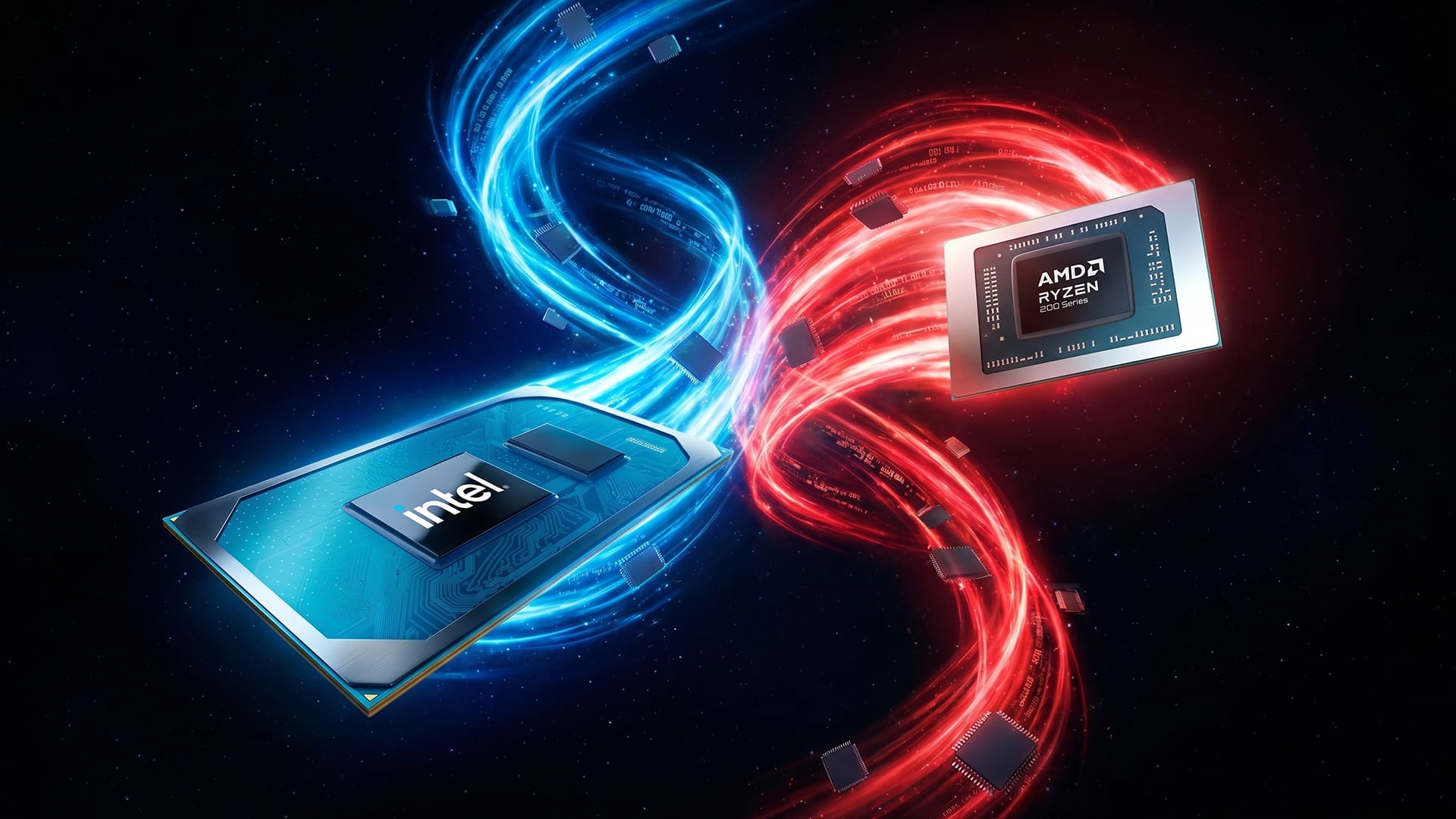
This is where the Ryzen 7 260 has one of its biggest advantages. It is designed for efficient laptop performance, with a 45W default TDP and configurable range between 35W and 54W.
The i7-13650HX is a higher-power HX-class chip. It is designed to run harder in larger performance laptops, and benchmark comparisons show it consuming more power than the Ryzen 7 260.
For users, this means the Ryzen 7 260 is usually better for battery-conscious laptops, while the i7-13650HX is better when plugged-in performance matters most.
Heat and Cooling Behaviour
The i7-13650HX can produce more heat because it is built for higher performance levels. That is not a problem in a well-designed gaming laptop with strong cooling, but it does mean chassis design matters.
A good i7-13650HX laptop should have:
- Strong dual-fan cooling
- Good heatpipe or vapour chamber design
- Enough chassis thickness for airflow
- Proper GPU and CPU thermal management
The Ryzen 7 260 is generally easier to cool because it is more efficiency-focused. That can help laptops stay quieter and more comfortable during everyday use.
Battery Impact
If battery life matters, the Ryzen 7 260 is the better choice in most cases. It is designed for high-performance laptops on the go, and AMD positions it around trusted speed and battery life for portable systems.
The i7-13650HX is better suited to laptops that spend more time plugged in. Gaming laptops with HX processors and dedicated GPUs can still have usable battery life, but they are not usually built around all-day efficiency.
Platform and Features
Memory Support
The Ryzen 7 260 supports DDR5 and LPDDR5X memory, including DDR5-5600 and LPDDR5X-7500 depending on laptop design. It also supports up to 256GB maximum memory according to AMD’s specification.
The i7-13650HX platform is commonly paired with DDR5 or DDR4 depending on laptop model. This gives manufacturers flexibility, but the exact memory speed and capacity will depend on the laptop configuration.
For buyers, the practical advice is simple: choose at least 16GB RAM for general use and gaming, and 32GB if you plan to edit video, stream, multitask heavily or keep the laptop for several years.
PCIe and Storage
The Ryzen 7 260 supports PCIe 4.0 and native NVMe storage support. That is more than enough for fast SSDs in modern laptops.
The i7-13650HX also supports modern laptop storage platforms, but the exact number of SSD slots and PCIe lanes depends on the laptop motherboard, not only the CPU.
For most buyers, the storage advice is the same for both:
- Choose at least 512GB SSD for everyday use.
- Choose 1TB SSD for gaming or creative work.
- Check whether the laptop has a second M.2 slot if you want upgrades later.
AI and Modern Features
The Ryzen 7 260 has a clear advantage for AI features because it includes AMD Ryzen AI with up to 16 TOPS NPU performance and up to 38 overall TOPS.
This can help with AI-assisted workloads such as camera effects, background processing, creative tools and future software features that use local AI acceleration.
The i7-13650HX does not have the same dedicated modern NPU focus. It is still powerful for CPU-based work, but it is less specialised for newer AI laptop workflows.
If AI features matter to your workflow, browse ryzen 7 processor options or compare intel i7 laptop processors to see which platform fits your needs.
Which One Is Better for Gaming Laptops?
Budget Gaming Laptops
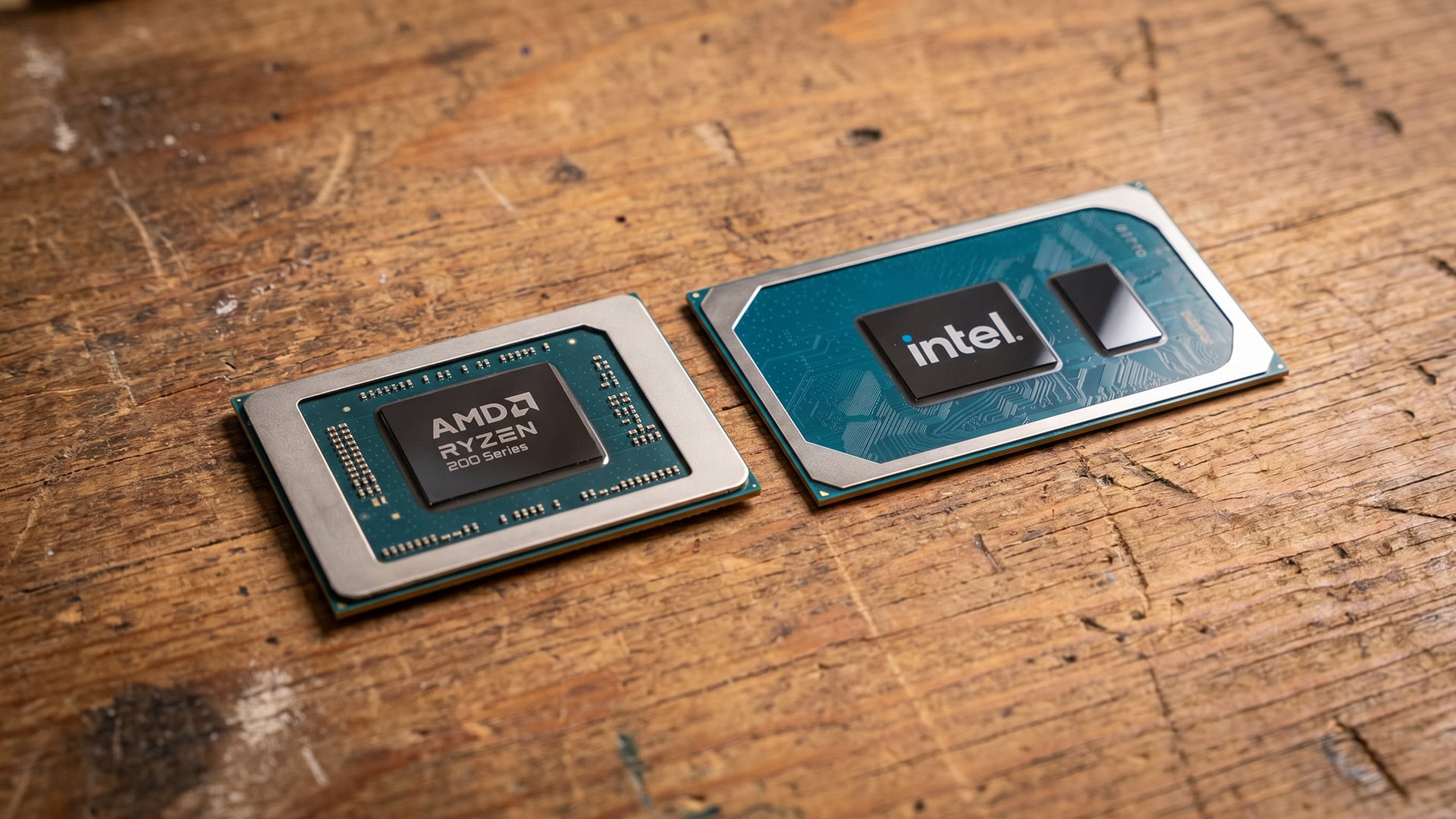
For budget gaming laptops, the Ryzen 7 260 can be a very strong option if it helps deliver a more efficient and better-balanced system. It is especially appealing if the laptop has good battery life, strong integrated graphics, and a sensible dedicated GPU.
However, if you find an i7-13650HX gaming laptop at a strong price with a powerful RTX GPU, it can offer excellent performance for the money.
The best budget choice depends on the whole laptop, not just the CPU.
High-Performance Laptops
For high-performance gaming laptops, the i7-13650HX is often the stronger pick. Its higher core count and HX-class design make it well suited to larger machines with powerful GPUs and strong cooling.
Choose i7-13650HX if you want:
- Maximum plugged-in performance
- Strong multi-core capability
- A larger gaming laptop
- Better performance in demanding CPU workloads
- A system paired with RTX 4060, RTX 4070 or better graphics
Choose Ryzen 7 260 if you want:
- Better efficiency
- Strong battery potential
- Better integrated graphics
- Ryzen AI features
- A lighter or more portable performance laptop
Long-Term Value
The Ryzen 7 260 has stronger long-term appeal for efficiency and modern features. Its Ryzen AI support, Radeon 780M graphics and newer platform positioning make it more future-facing for portable laptops.
The i7-13650HX has stronger long-term appeal for raw performance, especially if you buy it in a laptop with good cooling and a strong GPU.
In simple terms, Ryzen is the smarter balanced choice. Intel is the stronger performance-focused choice.
Final Verdict: Ryzen 7 260 or i7-13650HX?
The Ryzen 7 260 vs i7 13650HX comparison comes down to laptop type and user needs.
Choose the AMD Ryzen 7 260 if you want a newer, efficient and balanced processor for gaming, work, content creation and AI-assisted tasks. It is better for users who care about battery life, portability, strong integrated graphics, and modern features. It is also a better fit for lighter performance laptops where heat and battery life matter.
Choose the Intel Core i7-13650HX if you need stronger multi-core performance in a larger gaming or high-performance laptop. It is a better fit for demanding productivity tasks, high-end gaming setups, and users who mostly keep their laptop plugged in.
For most everyday users, students, hybrid workers and portable creators, the Ryzen 7 260 is the easier recommendation. For gamers and power users who want maximum performance from a larger laptop, the i7-13650HX remains a strong choice.
To choose your next laptop, browse Ryzen 7 260 laptops at box.co.uk, compare i7 13650HX powered laptops, or explore accessories for your laptop to complete your setup.
FAQs
Is AMD Ryzen 7 260 better than Intel i7 13650HX?
The AMD Ryzen 7 260 is better for efficiency, battery life, integrated graphics, and modern AI features. The Intel Core i7-13650HX is better for heavier multi-core performance and larger gaming laptops.
Is the AMD Ryzen 7 260 good for gaming?
Yes, the AMD Ryzen 7 260 is good for gaming, especially when paired with a dedicated GPU. Its Radeon 780M integrated graphics are also strong for lighter games and casual gaming.
Which processor is more efficient?
The Ryzen 7 260 is generally more efficient. It uses a newer 4nm Zen 4 design and has a lower power profile than the i7-13650HX.
Is Ryzen 7 260 outdated in 2026?
No, the Ryzen 7 260 is not outdated in 2026. It launched in 2025 and still offers strong performance, efficient power use, Radeon 780M graphics, and Ryzen AI support.
You can pay with:
*PayPal Credit Representative Example: Assumed credit limit £1,200, Representative 23.9% APR (variable). Purchase rate 23.9% p.a (variable).Terms & Conditions apply.


PayPal Credit and PayPal Pay in 3 are trading names of PayPal UK Ltd, 5 Fleet Place, London, United Kingdom, EC4M 7RD. Terms and conditions apply. Credit subject to status, UK residents only, Five Tech LTD acts as a broker and offers finance from a restricted range of finance providers. PayPal Pay in 3 is not regulated by the Financial Conduct Authority. Pay in 3 eligibility is subject to status and approval. 18+. UK residents only. Pay in 3 is a form of credit. Check if affordable and how you will repay. May make other borrowing more difficult or expensive. See product terms for more details.
Copyright © 1996-2026 Fivetech LTD | Terms and Conditions
box.co.uk & Box are trading names of Five Tech Limited. Registered office: Box LTD, Unit 10 Woodford Trading Estate, Woodford Green IG8 8HF