


 Menu
MenuMenu


Get Sales Advice from Mon - Fri 9am - 5:00pm:
020 3337 8950LAST UPDATED: April 08, 2026
Which AMD Gaming GPUs have ray tracing capabilities?
Ray tracing has quickly become one of the most important features in modern gaming, delivering more realistic lighting, shadows, and reflections. As more games adopt this technology, many gamers are now looking for AMD gaming GPUs that support ray tracing without breaking the budget.
AMD has made significant progress in recent years, introducing dedicated ray tracing hardware across its Radeon lineup. Whether you're building a new PC or upgrading your graphics card, there are now multiple AMD GPUs with ray tracing available at different price points.
In this guide, we'll explore which AMD GPUs support ray tracing, how the technology works, and which models are best suited for your gaming needs.
If you're upgrading your system, you can browse the latest gaming graphics cards at Box.co.uk to compare current AMD options.
What Is Ray Tracing in Gaming?
Ray tracing is an advanced rendering technique that simulates how light behaves in real life. Instead of using pre-rendered lighting effects, it calculates how light interacts with objects in real time.
This results in:
- More realistic reflections on surfaces like water and glass
- Accurate shadows that respond to light sources
- Improved depth and lighting across environments
For gamers, this means a more immersive and visually detailed experience, especially in modern AAA titles.
How AMD Gaming GPUs Handle Ray Tracing
Ray tracing is highly demanding, which is why modern GPUs include dedicated hardware to handle these calculations.
AMD introduced ray tracing support with its RDNA 2 architecture, adding specialised cores to process ray-traced effects. This allowed AMD Radeon GPUs to compete in the growing demand for real-time lighting and visual realism.
With newer architectures, AMD has improved both performance and efficiency, making ray tracing more accessible across a wider range of GPUs.
AMD GPUs with Ray Tracing Support
AMD introduced hardware-accelerated ray tracing with its RDNA architecture, and since then, its GPUs have steadily improved in both performance and efficiency. Understanding how these generations differ can help you choose the right AMD gaming GPU for your setup.
RDNA 2: First Generation Ray Tracing
AMD's RDNA 2 architecture marked the company's first step into real-time ray tracing. GPUs based on this architecture, such as the Radeon RX 6000 series, brought dedicated hardware support for ray tracing into AMD's lineup for the first time.
These GPUs are capable of running ray-traced games and delivering improved lighting and visual effects compared to traditional rendering. However, performance can vary depending on the game and settings. In more demanding titles, users may need to lower ray tracing quality or resolution to maintain smooth gameplay.
RDNA 2 GPUs are still a solid option for gamers who want to experience ray tracing at a more accessible price point, especially when balanced with other graphical settings.
RDNA 3: Improved Ray Tracing Performance
With RDNA 3, AMD significantly refined its approach to ray tracing. This generation focuses on improving both performance and efficiency, allowing newer GPUs to handle ray-traced workloads more effectively.
In real-world use, RDNA 3 GPUs provide smoother gameplay with ray tracing enabled, particularly at higher settings. They are better equipped to handle modern games that rely heavily on advanced lighting and visual effects.
This makes RDNA 3 a more balanced choice for gamers who want to enjoy ray tracing without compromising too much on performance.
Latest AMD Radeon GPUs
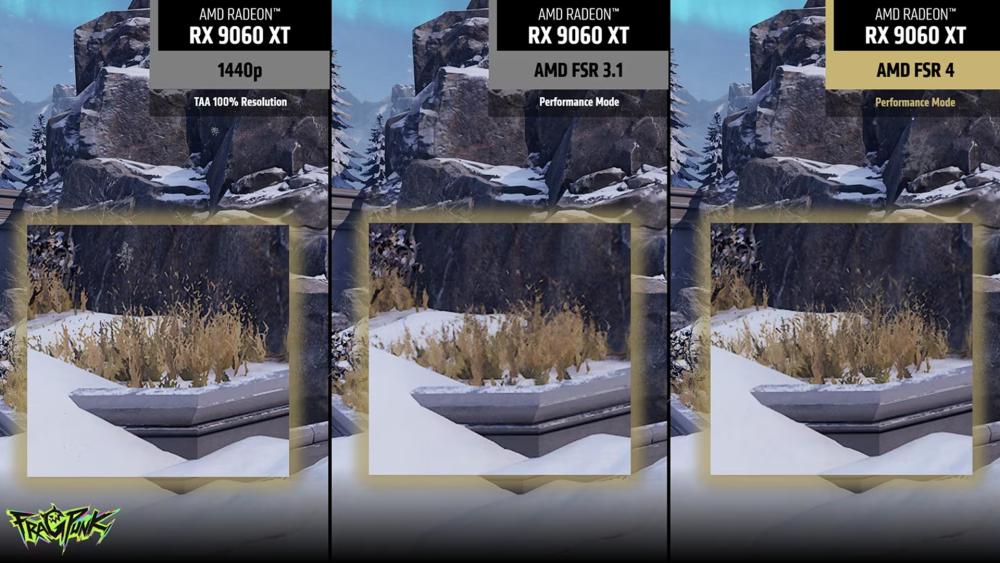
The latest AMD Radeon GPUs continue to build on these improvements, making ray tracing more practical across a wider range of systems. Even mid-range models now offer usable ray tracing performance, something that was more limited in earlier generations.
As AMD continues to develop its GPU architecture, newer models are becoming more efficient at handling ray tracing while maintaining strong overall gaming performance. This means more players can enjoy modern visual features without needing the highest-end hardware.
If you're exploring upgrade options, it's worth looking at the latest AMD Radeon GPUs to find models that balance performance, price and ray tracing capability for your needs.
Best AMD Gaming GPUs for Ray Tracing
Choosing the right AMD gaming GPU for ray tracing isn't just about picking the most powerful option; it depends on your budget, the type of games you play and the level of visual quality you expect.
Ray tracing can significantly enhance graphics, but it also requires more processing power. This means different tiers of GPUs will deliver very different experiences, especially when it comes to balancing performance and visual settings.
Entry-Level AMD GPUs with Ray Tracing
Entry-level AMD GPUs are designed to make ray tracing more accessible, particularly for gamers building a system on a budget.
These GPUs support ray tracing, but they are best suited for lighter workloads. In real-world use, this usually means enabling ray tracing at lower settings or combining it with reduced resolution to maintain smooth performance. For less demanding games or casual gaming, this can still provide a noticeable improvement in visual quality.
For users who want to experience modern features without investing heavily, these GPUs offer a practical starting point. They allow you to explore ray tracing while keeping costs down, even if performance is more limited compared to higher-end options.
Mid-Range AMD GPUs for Balanced Performance
Mid-range AMD GPUs are where ray tracing becomes much more usable for everyday gaming.
These GPUs are capable of running modern titles with ray tracing enabled at medium to high settings, while still maintaining smooth frame rates. They strike a balance between performance and price, making them one of the most popular choices for gamers.
In practical terms, this means you can enjoy improved lighting, reflections and shadows without significantly compromising gameplay. For many users, this tier offers the best overall experience, as it delivers noticeable visual upgrades without requiring a high-end system.
High-End AMD GPUs for Maximum Ray Tracing
High-end AMD GPUs are built for gamers who want the best possible performance and visual quality.
These GPUs are designed to handle demanding titles at higher resolutions, such as 1440p or 4K, with ray tracing enabled at maximum or near-maximum settings. They provide smoother performance in visually intensive games and allow you to fully take advantage of advanced graphical features.
In real-world gaming, this results in more detailed environments, more realistic lighting and a consistently smooth experience, even in the most demanding scenarios. These GPUs are ideal for enthusiasts or users building high-performance gaming systems.
If you're looking to upgrade, exploring the latest gaming graphics cards can help you compare high-end AMD options and find a model that matches your performance goals.
AMD Ray Tracing Performance in Real-World Gaming
In real-world gaming, the performance of AMD gaming GPUs with ray tracing depends largely on how the feature is used alongside other settings.
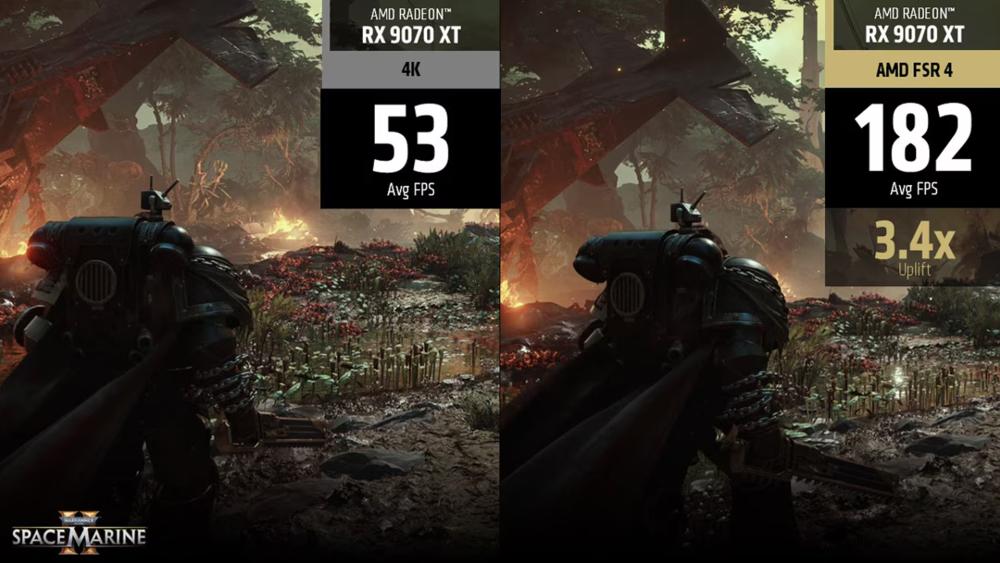
Ray tracing adds a significant level of visual realism, but it also increases the workload on the GPU. When enabled at higher settings, it can reduce frame rates, particularly in more demanding games. However, modern AMD GPUs are designed to handle this more efficiently than earlier generations.
In practice, most gamers don't run ray tracing at maximum settings across every game. Instead, they adjust settings to find a balance between smooth performance and improved visuals. For example, lowering certain graphical settings or using optimised presets can help maintain stable frame rates while still benefiting from enhanced lighting and reflections.
This means that AMD GPUs are capable of delivering a good ray tracing experience, especially when settings are tuned correctly. For many users, the goal isn't maximum visual quality at all times, but rather a consistent and smooth gameplay experience with noticeable visual improvements.
Are AMD GPUs Good for Ray Tracing?
AMD GPUs have become a much stronger option for ray-traced gaming in recent years, particularly with newer architectures that improve both performance and efficiency.
One of the main advantages of AMD GPUs is their ability to deliver strong overall gaming performance at competitive price points. This makes them an appealing option for users who want modern features like ray tracing without moving into the highest price tiers.
In addition, newer AMD GPUs have improved their ability to handle ray tracing workloads, making the feature more practical in everyday gaming scenarios rather than just a high-end option.
However, it's important to understand the limitations. Entry-level AMD GPUs can support ray tracing, but they may struggle to maintain high frame rates at higher settings. Performance can also vary depending on how well a game is optimised for ray tracing.
Overall, AMD GPUs offer a balanced approach. They provide access to ray tracing across a wide range of price points, making the technology more accessible while still delivering solid performance in modern games.
Where to Find AMD Gaming GPUs
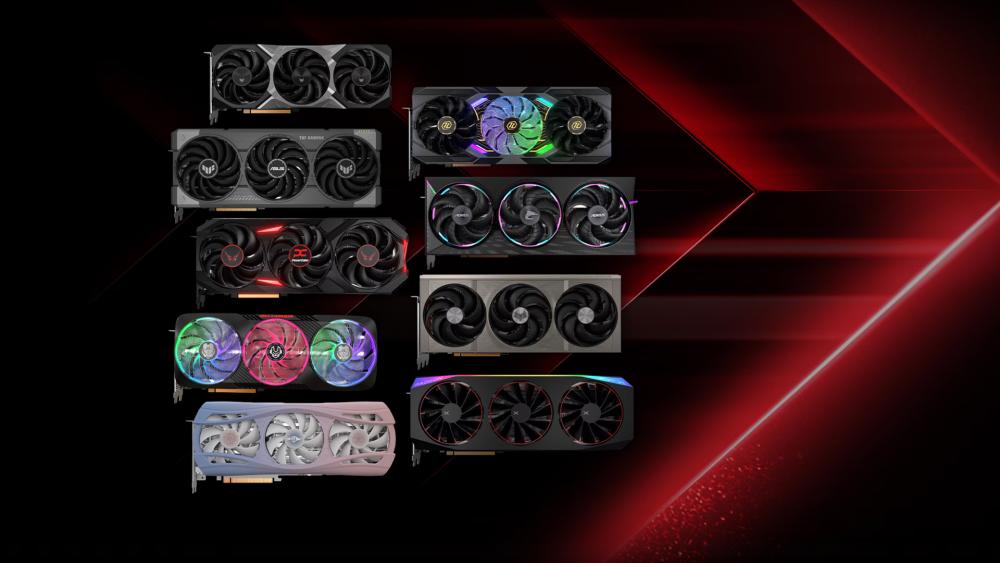
If you're considering upgrading your system, there is a wide range of AMD gaming GPUs available to suit different budgets and performance needs.
From newer models designed for high-performance gaming to more affordable options that still support ray tracing, AMD's lineup offers flexibility for different types of users.
You can explore options such as AMD 9060 GPUs, RX 9060 XT GPUs and RX 9070 GPUs, along with the full range of AMD Radeon GPUs, to find a model that fits your setup.
Browsing the latest gaming graphics cards at Box.co.uk allows you to compare specifications, performance levels and pricing, helping you choose the right GPU for your gaming experience.
Final Thoughts
AMD has made significant progress in ray tracing technology, expanding support across multiple GPU generations and price points. What was once limited to high-end systems is now accessible to a much wider range of gamers.
Whether you're building a new gaming PC or upgrading an existing one, there are now plenty of AMD gaming GPUs capable of delivering modern graphics features, including ray tracing.
The key is choosing a GPU that matches your expectations; balancing performance, budget and visual quality to get the best overall gaming experience.
You can pay with:
*PayPal Credit Representative Example: Assumed credit limit £1,200, Representative 23.9% APR (variable). Purchase rate 23.9% p.a (variable).Terms & Conditions apply.


PayPal Credit and PayPal Pay in 3 are trading names of PayPal UK Ltd, 5 Fleet Place, London, United Kingdom, EC4M 7RD. Terms and conditions apply. Credit subject to status, UK residents only, Five Tech LTD acts as a broker and offers finance from a restricted range of finance providers. PayPal Pay in 3 is not regulated by the Financial Conduct Authority. Pay in 3 eligibility is subject to status and approval. 18+. UK residents only. Pay in 3 is a form of credit. Check if affordable and how you will repay. May make other borrowing more difficult or expensive. See product terms for more details.
Copyright © 1996-2026 Fivetech LTD | Terms and Conditions
box.co.uk & Box are trading names of Five Tech Limited. Registered office: Box LTD, Unit 10 Woodford Trading Estate, Woodford Green IG8 8HF