


 Menu
MenuMenu


Get Sales Advice from Mon - Fri 9am - 5:00pm:
020 3337 8950LAST UPDATED: April 30, 2026
AMD Radeon RX 9060 vs RX 9060 XT: Which GPU Is Worth It in 2026?
When people search RX 9060 vs RX 9060 XT, the real decision in 2026 is not only about raw FPS. It is about which card you can buy without hassle, which one actually matches your monitor, and whether the extra spend gives you better long-term value. The AMD Radeon RX 9060 is a lower-cut RDNA 4 card aimed at 1080p, while the Radeon RX 9060 XT sits higher in the stack and is marketed around stronger 1440p play, with both 8GB and 16GB XT variants in the market.
That makes RX 9060 vs RX 9060 XT a buying guide first and a benchmark chart second. If you are comparing AMD 9060 cards with AMD 9060 XT models, the right answer depends on whether you want the cheapest possible entry point, a better 1440p experience, or a card that will age more gracefully as new games keep eating VRAM for breakfast. We will discuss all of this in this guide. So, let's get started.
AMD Radeon RX 9060 vs RX 9060 XT at a Glance
For most buyers, RX 9060 vs RX 9060 XT is quite simple. The RX 9060 is the leaner RDNA 4 option with 28 compute units, 1,792 stream processors, 8GB of GDDR6, 288 GB/s bandwidth and 132W typical board power. The RX 9060 XT steps up to 32 compute units, 2,048 stream processors, up to 16GB of GDDR6, 320 GB/s bandwidth and 150W to 160W board power depending on whether you buy the 8GB or 16GB version. Both support DisplayPort 2.1a, HDMI 2.1b, AV1 encode/decode, a single 8-pin connector and a 450W PSU recommendation. Here's a quick comparison table to help you look at the two variants side by side:
| Feature | AMD Radeon RX 9060 | AMD Radeon RX 9060 XT |
| GPU tier | Mainstream RDNA 4 | Higher mainstream RDNA 4 |
| Compute units | 28 | 32 |
| Stream processors | 1,792 | 2,048 |
| VRAM | 8GB GDDR6 | 8GB or 16GB GDDR6 |
| Memory bus | 128-bit | 128-bit |
| Memory bandwidth | 288 GB/s | Up to 320 GB/s |
| Typical board power | 132W | 150W to 160W |
| Power connector | 1 x 8-pin | 1 x 8-pin |
| Recommended PSU | 450W | 450W |
| Display support | DisplayPort 2.1a, HDMI 2.1b | DisplayPort 2.1a, HDMI 2.1b |
| Media features | AV1 encode/decode | AV1 encode/decode |
| Position in AMD lineup | Entry point below RX 9070 tier | Stronger step below RX 9070 tier |
| Best suited for | 1080p gaming, lower-cost builds | 1080p high refresh and stronger 1440p gaming |
| Retail availability in 2026 | More limited and less consistent | Wider retail availability |
| Buying takeaway | Better only if clearly cheaper | Better choice for most buyers |
In AMD's wider RDNA 4 desktop stack, the AMD Radeon RX 9060 and RX 9060 XT both sit below the RX 9070 tier. In practical terms, that means mainstream rather than enthusiast positioning but they are worth mentioning when talking about the best AMD GPU options. The 9060 GPU is the more budget-minded card, while the XT is the version aimed at players who want more headroom for newer games, heavier settings and longer upgrade cycles.
The awkward bit in RX 9060 vs RX 9060 XT is availability history. Tom's Hardware reported the RX 9060 launch as an OEM or system-integrator-focused move, which mattered because DIY builders could not treat it like a normal retail shelf option at the time. By contrast, the RX 9060 XT launched as a conventional retail graphics card.
Specs Comparison: RX 9060 vs RX 9060 XT
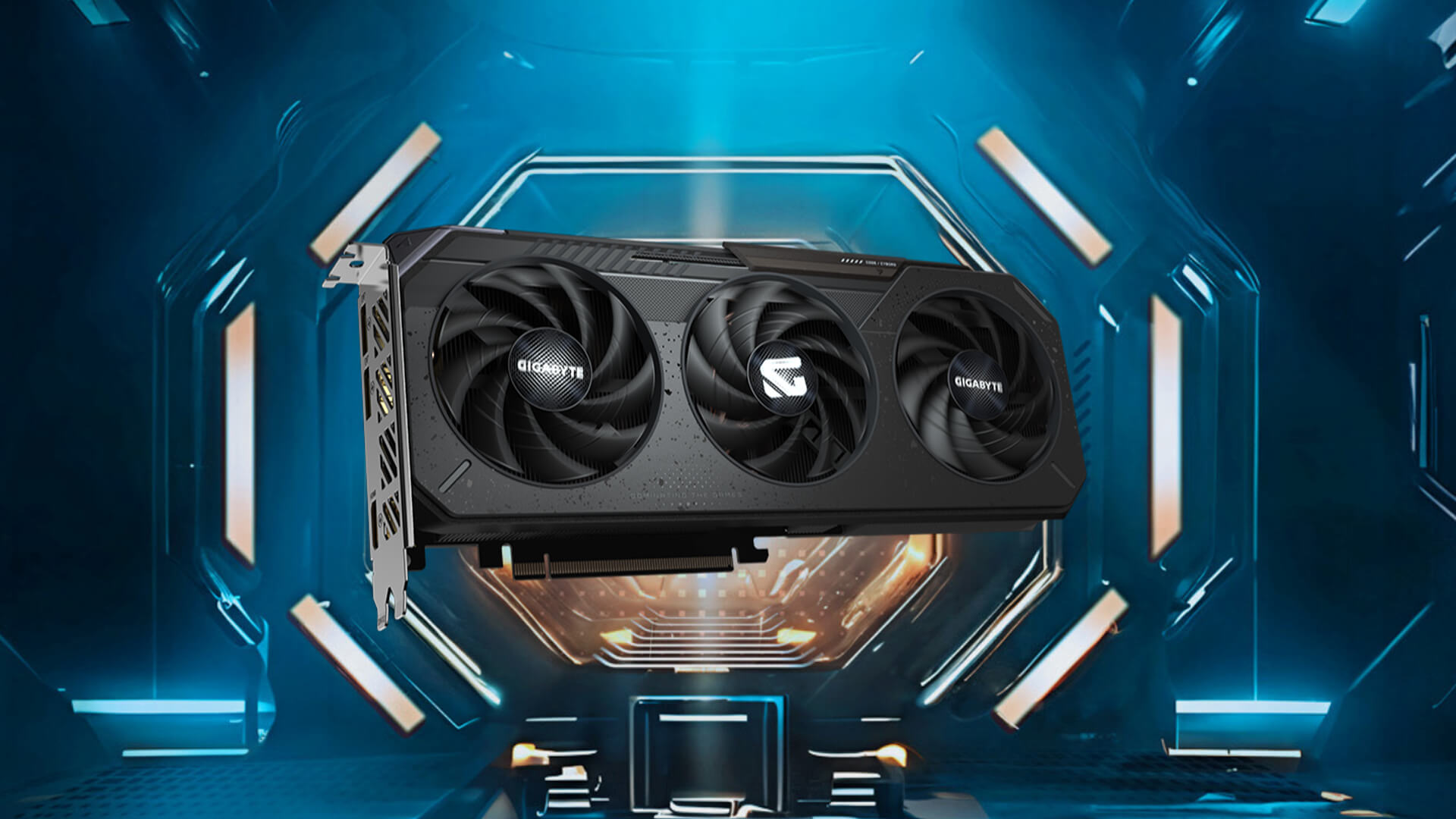
On paper, RX 9060 vs RX 9060 XT is mostly a story of scaling down. The XT keeps the full 32 CUs and 2,048 stream processors, plus up to a 3,130 MHz boost clock. The non-XT drops to 28 CUs, 1,792 stream processors and up to 2,990 MHz boost. That is not a tiny trim. It is enough to put the XT in a clearly stronger bracket before you even get to memory.
Memory matters even more in this comparison. The AMD Radeon RX 9060 is fixed at 8GB GDDR6 on a 128-bit bus with up to 288 GB/s bandwidth. The Radeon RX 9060 XT comes in two flavours: an 8GB model at 150W and a 16GB model at 160W, both on the same 128-bit bus with up to 320 GB/s bandwidth. So in RX 9060 vs RX 9060 XT, you are not just paying for extra cores. In the 16GB XT, you are also paying for a much healthier memory ceiling for modern games.
Power and build requirements are refreshingly sane. Whether you are looking at the 9060XT, the RX9060 XT 8GB model, or the standard RX 9060, AMD lists a single 8-pin connector and a 450W PSU recommendation. That means neither card is likely to force a major PSU upgrade unless the rest of your rig is already pushing the limits. It also makes both cards easier fits for sensible mid-range gaming builds.
Feature support is broadly level. Both cards bring RDNA 4-era support for AV1 encode and decode, DisplayPort 2.1a, HDMI 2.1b, Anti-Lag 2, FreeSync, Radeon Super Resolution and AMD FSR “Redstone”. So RX 9060 vs RX 9060 XT is not a case of one card having all the software toys and the other being left behind. The real split is performance and VRAM, not platform features.
Performance Expectations in 1080p and 1440p
When comparing RX 9060 vs RX 9060 XT, performance expectations usually make the decision much clearer. On paper, the two cards are close enough to sit in the same mainstream part of the market, but in actual use they are aimed at slightly different types of players. The RX 9060 makes more sense as a 1080p-first option, while the RX 9060 XT is the stronger choice if you want more room for higher settings, more demanding games, and better performance at 1440p.
-
Which Card Is Better for 1080p High Refresh Gaming?
For 1080p gaming, the standard RX 9060 is the more straightforward budget pick. It has enough performance for strong results in competitive titles and should still handle most modern games at high settings without feeling out of its depth. If your main goal is smooth frame rates at 1080p without overspending, the RX 9060 fits that role well.
The RX 9060 XT is still the faster option here, but not every 1080p player will need that extra headroom. If you mainly play esports titles, shooters, or lighter multiplayer games, the non-XT card is likely to feel more than capable. In that kind of setup, the cheaper option only loses appeal if the price gap becomes too small.
-
Is the RX 9060 XT the Better Choice for 1440p?
This is where RX 9060 vs RX 9060 XT starts to separate more clearly. The RX 9060 XT is the better fit for 1440p gaming because it gives you more room to push settings without immediately running into the limits of a lower-tier card. It is the option that makes more sense for players who want sharper visuals, heavier textures, and more consistency in newer AAA games.
That does not mean the RX 9060 cannot run games at 1440p, but it is much more likely to require compromises. You are more likely to drop settings, rely on upscaling earlier, or feel the card running out of headroom sooner. For buyers planning around 1440p from day one, the XT is the safer and more comfortable choice.
-
How VRAM Affects Newer Games in 2026
VRAM is one of the biggest talking points in RX 9060 vs RX 9060 XT because it affects how well each card holds up as games become more demanding. The RX 9060 is limited to 8GB, while the RX 9060 XT gives buyers the option of going up to 16GB. That extra memory does not always transform performance overnight, but it does make a noticeable difference in newer games, especially at 1440p and above.
For 1080p, 8GB can still be enough in many cases, particularly if you are sensible with settings. But for players who want longer-term value, the 16GB RX 9060 XT has a clearer advantage. It gives more breathing room for larger textures, heavier game worlds, and future releases that are less forgiving on memory use.
-
What to Expect in Ray Tracing and Upscaling
Ray tracing is the area where expectations should stay realistic. Neither of these cards is the sort of GPU you buy purely for maxed-out ray tracing with no compromises. The RX 9060 works best as a strong raster-first card for 1080p gaming, where upscaling can be used when needed rather than constantly relied on.
The RX 9060 XT handles this side of gaming more comfortably, especially if you are aiming for 1440p. It gives you more flexibility to experiment with selective ray tracing settings while still keeping performance in a playable range. That does not make it a high-end ray tracing card, but it does make it the more practical choice if you want a bit more visual ambition without pushing too far beyond what this tier is built for.
Want a broader comparison? Check out our guide on the best graphics cards for 1080p and 1440p gaming for a more detailed comparison.
RX 9060 vs RX 9060 XT for Different Types of Gamers
When looking at RX 9060 vs RX 9060 XT, the right pick depends less on the name and more on the kind of games you play, the resolution you use, and how long you want the card to last. One card is easier to justify for tighter budgets, while the other makes more sense if you want extra headroom and fewer compromises.
-
Budget 1080p Gaming
For budget-focused 1080p players, RX 9060 vs RX 9060 XT mostly comes down to pricing. If you mainly play esports titles, shooters, MOBAs, and lighter AAA games at 1080p, the RX 9060 still makes sense as the cheaper entry point. It is the more sensible pick when the goal is solid gaming performance without stretching the budget too far.
If it appears in a well-priced prebuilt or lands close to entry-level standalone GPU pricing, it does the job well. For straightforward 1080p gaming, it is the card that fits the role without trying to be more than it needs to be.
-
1440p Upgrades
For players moving up to 1440p, RX 9060 vs RX 9060 XT is much easier to call. The RX 9060 XT is the better fit, and the 16GB version is the stronger long-term option. It gives you more room for higher settings, heavier games, and a smoother overall experience without forcing constant compromises.
If you are upgrading from an older graphics card and want your next purchase to feel worthwhile for more than just the next few months, the XT is the more sensible step up. It suits where a gaming setup is heading, not where it has already been.
-
Esports and Mixed Gaming
For competitive players, RX 9060 vs RX 9060 XT is a bit more balanced. Both cards can handle high-FPS 1080p gaming well enough, and the non-XT still works fine if your focus is on lighter competitive titles and your monitor is built around 1080p.
The RX 9060 XT starts to make more sense if your gaming habits are mixed. If you jump from ranked matches into larger single-player games, the extra breathing room is useful. That flexibility makes the XT feel like the more rounded option rather than just the faster one.
-
Long-Term Value
For overall value across a longer upgrade cycle, the XT comes out ahead. The RX 9060's trade-offs add up fairly quickly, especially when you look at lower core counts, lower overall headroom, and the fact that it stays limited to 8GB of VRAM.
If the goal is not just to buy the cheapest card today but to buy the card you are less likely to replace sooner, the RX 9060 XT is the better target. For most buyers, it is the more complete option and the one that makes more sense beyond short-term savings.
Price, Availability and Real Buying Value in 2026
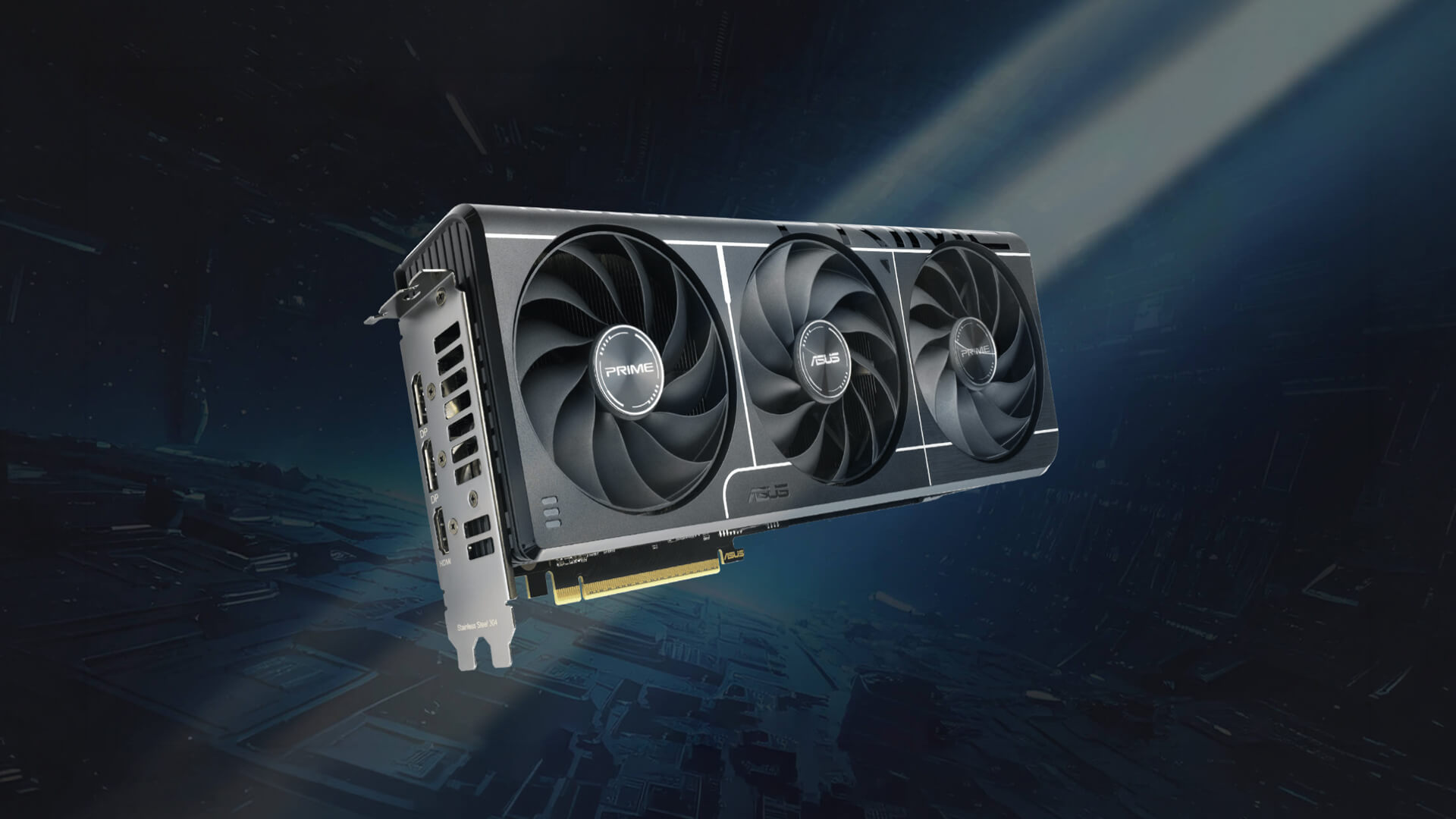
When comparing RX 9060 vs RX 9060 XT, price and availability are where the buying decision becomes much more practical. On paper, the RX 9060 looks like the cheaper entry point, while the RX 9060 XT sits a step higher with stronger specs and broader appeal. In general, the RX 9060 tends to sit in the lower end of the mainstream range, the RX 9060 XT 8GB usually lands a bit above that, and 16GB XT models move into a higher price tier again.
-
Entry-Level Pricing
At the lower end of the market, RX 9060 vs RX 9060 XT often comes down to whether the cheaper card is actually cheap enough to justify the compromises. If the RX 9060 only undercuts the XT by a small amount, the value argument weakens quickly. A modest saving is harder to defend when the XT gives you stronger overall performance and a more capable spec sheet.
That is why the cheaper card does not automatically become the better-value card. The RX 9060 only makes the strongest case when the price gap is clear enough to matter in a real build budget.
-
The 16GB Premium
The 16GB RX 9060 XT sits in a different part of the value discussion. Once pricing moves further up, you are no longer paying for a small step up alone. You are paying for extra longevity, more VRAM headroom, and a card that should feel less restrictive over time.
For players staying at 1080p, that extra spend will not always feel necessary. For players aiming at 1440p, heavier games, large texture packs, or a longer upgrade cycle, the 16GB XT starts to make much more sense. This is the point where RX 9060 vs RX 9060 XT shifts from basic affordability to smarter long-term value.
-
Availability in the Real Market
Availability also changes the equation. The RX 9060 has had a less straightforward market presence, which makes it a bit less predictable as a straightforward retail purchase. The RX 9060 XT generally feels like the easier card to find, which matters more than people sometimes expect.
That cleaner retail presence adds value in its own way. A card is only a bargain if you can actually buy it without waiting around or settling for a less appealing option.
-
Prebuilt and DIY Value
There is also a difference between buying a full system and buying a standalone graphics card. If the RX 9060 appears in a well-priced prebuilt, it can still make good sense as a lower-cost way into modern 1080p gaming. In that context, the total system value matters more than the graphics card on its own.
For DIY buyers, the XT is usually easier to recommend. It is more widely positioned as a retail graphics card, it offers better overall headroom, and it makes more sense for buyers who want stronger performance without needing to upgrade again too soon.
Should You Buy the RX 9060 or RX 9060 XT?
If you are still deciding on RX 9060 vs RX 9060 XT, the short version is fairly simple. One card makes more sense as the budget-first option, while the other is the one most buyers will feel better about over time.
-
Buying the RX 9060
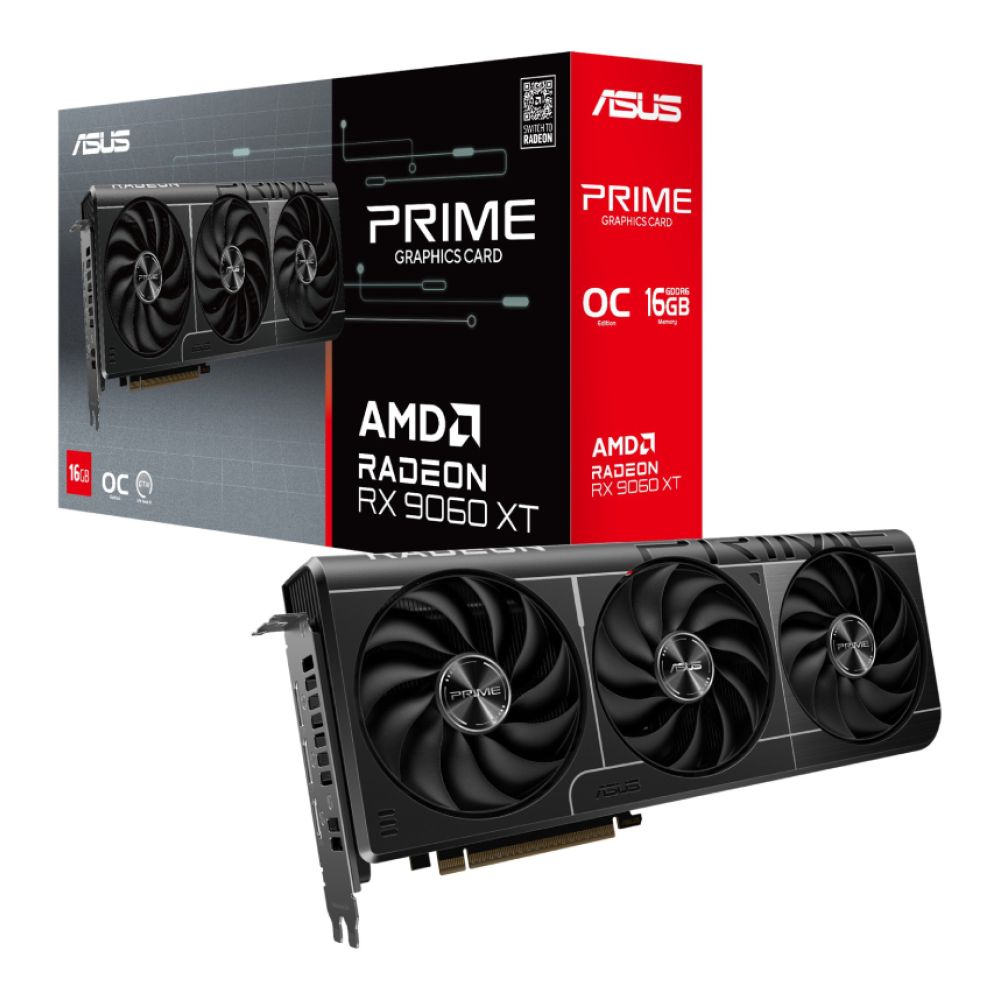
Buy the RX 9060 if your main goal is to spend as little as possible on a modern RDNA 4 card and you are focused mainly on 1080p gaming. If you have found one of the available AMD 9060 options at a genuinely lower price than the XT, it can still be a sensible purchase.
The RX 9060 is not a weak card. It just works best when the pricing is clearly in its favour. If that saving is only small, the value argument starts to fade quite quickly.
-
Buying the RX 9060 XT
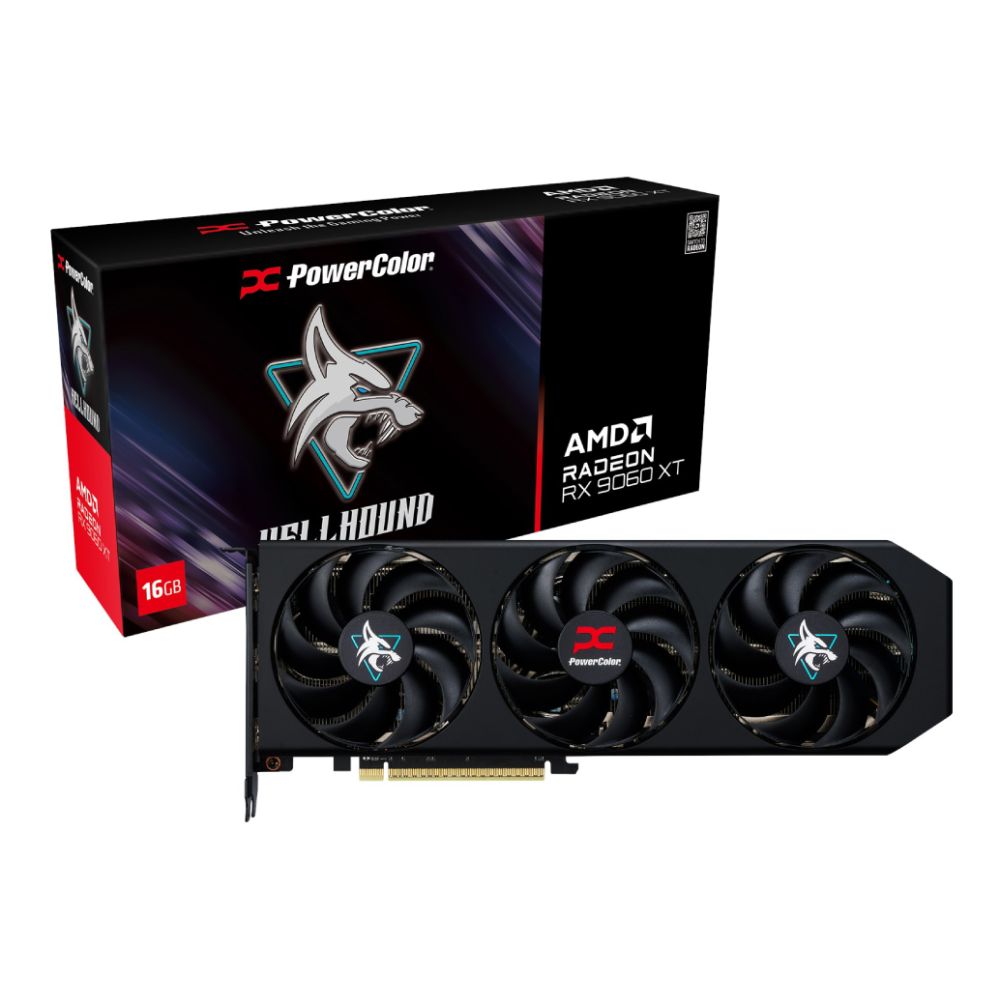
Buy the RX 9060 XT if you want the card that will suit more buyers for longer. It offers more overall headroom, better memory bandwidth, and the option of 16GB VRAM, which makes it the less compromised choice in day-to-day gaming.
If you are browsing current AMD 9060 XT models, you are generally looking at the stronger all-round option. It is the better fit for players who want a bit more flexibility at 1080p and a more comfortable route into 1440p gaming.
-
The Best Pick for Most Buyers
For most people in 2026, the best answer to RX 9060 vs RX 9060 XT is the latter. The 8GB XT is the sweet spot when the gap to the standard RX 9060 is small and you still mainly play at 1080p.
The 16GB XT is the better choice if you want more confidence for 1440p gaming and a card that should feel less limited in newer releases. If you want to compare it against other best GPUs before making a final call, it helps to look at how the wider market stacks up. You might also want to check our guide on upgrading graphics cards to improve FPS for more details whether it is worth going for a new GPU or not.
What to Check Before Buying Either GPU
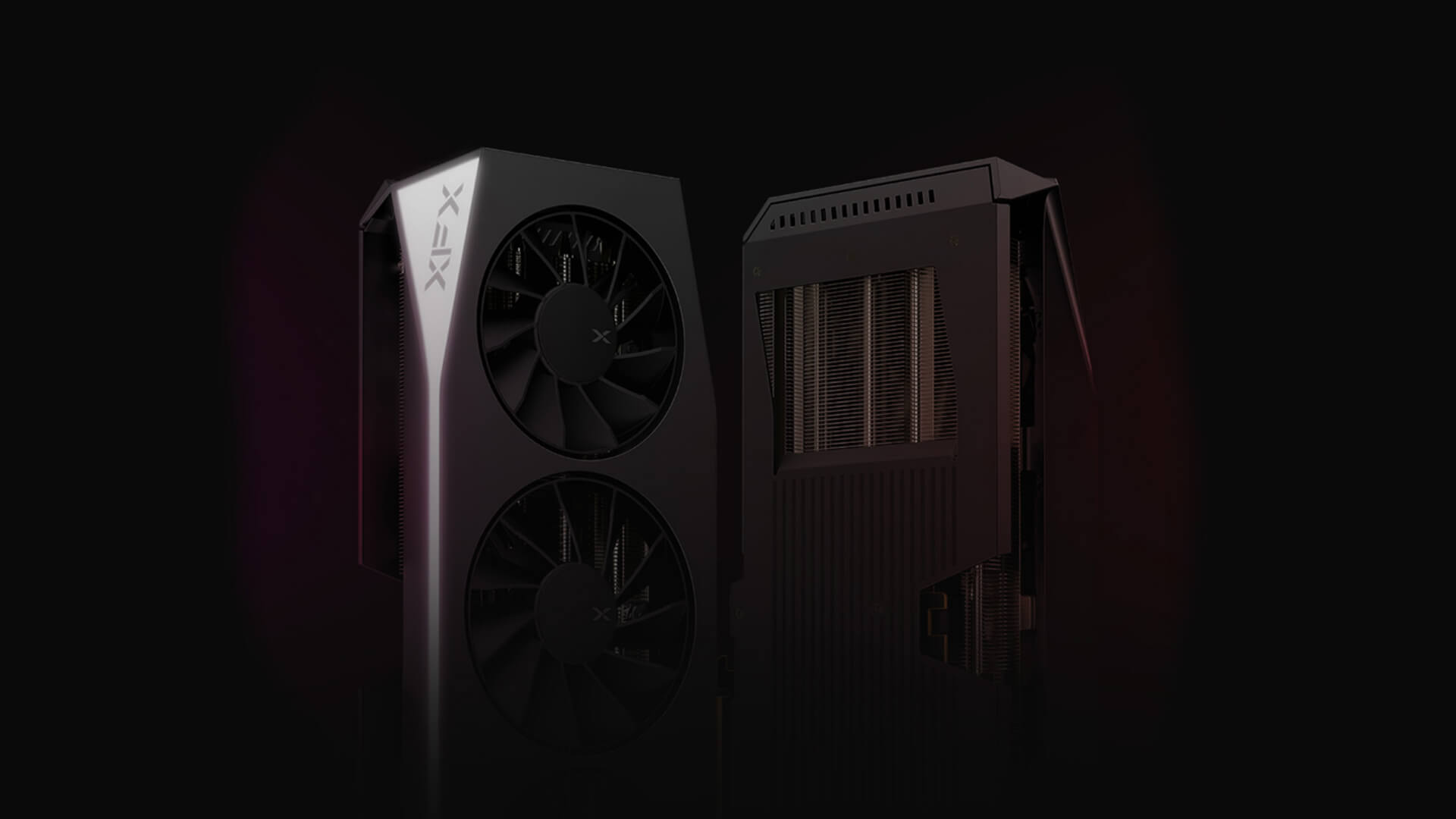
Before choosing between RX 9060 vs RX 9060 XT, it is worth checking the rest of your setup first. Even a sensible mid-range graphics card can feel like a poor upgrade if your power supply is too weak, your case is too cramped, or your monitor does not match the kind of performance the card is built for.
-
PSU and Case Fit
Start with the basics. Your power supply, case space, and airflow all matter before you commit to either card. These GPUs are not especially demanding by current standards, but that does not mean every build is automatically ready for them.
A cramped case, weak airflow, or an older PSU can still create problems, especially once you move to larger custom-cooled models. It is always worth checking physical clearance, connector access, and overall cooling before you buy rather than finding out the hard way during installation.
-
Monitor Pairing
Your monitor should play a big part in the decision. If you are gaming at 1080p, the RX 9060 can still make good sense as the lower-cost option. If you are using a 1440p display, the RX 9060 XT is the safer choice because it gives you more room to keep settings higher without running into limits too quickly.
That is why RX 9060 vs RX 9060 XT is not just about the card itself. It is also about whether your screen, refresh rate, and target settings actually match the GPU you are buying.
-
Broader GPU Choice
It is also worth stepping back and checking whether this part of the market is the right fit for you at all. Our NVIDIA vs AMD graphics cards comparison guide might be a good read before making the final call.
If you are not fully locked into one side yet, that broader comparison can help make sure you are buying the right kind of GPU for your budget, your games, and your long-term plans. You can also check out our collection of gaming GPUs to compare options.
Wrapping Up:
The best way to think about RX 9060 vs RX 9060 XT is this: the RX 9060 is only the better buy when the price is clearly lower and your use case is clearly 1080p. The moment pricing gets close, or availability gets awkward, or 1440p enters the chat, the RX 9060 XT becomes the smarter option.
So, which GPU is worth it in 2026? For the majority of gamers, it is the RX 9060 XT. It is easier to recommend, easier to buy, and easier to live with long term.
FAQs
-
Is the RX 9060 better value than the RX 9060 XT in 2026?
The RX 9060 is only better value when it is clearly cheaper. If the price gap is small, the RX 9060 XT usually makes more sense because it offers stronger overall performance and fewer compromises. That is especially true if you want a card that will still feel comfortable a year or two from now.
-
Is the RX 9060 only available in prebuilt PCs?
Not entirely, but its market presence has been less straightforward. The RX 9060 has been more closely tied to prebuilt and system-focused availability, which can make it feel less consistent as a normal retail purchase. That is one reason the RX 9060 XT tends to be the easier card to recommend.
-
Is the RX 9060 XT good enough for 1440p gaming?
Yes, the RX 9060 XT is the better fit for 1440p gaming. It has more headroom for higher settings, newer games, and a smoother overall experience than the standard RX 9060. The 16GB version is especially appealing if you want a bit more comfort for demanding titles.
-
How much VRAM do you need for modern games in 2026?
For 1080p gaming, 8GB can still be enough in many cases, especially for esports titles and lighter games. For heavier 1440p gaming, 16GB is the more comfortable option because it gives you more room for larger textures, newer game demands, and better long-term value.
-
Which GPU is better for 1080p gaming: RX 9060 or RX 9060 XT?
Both can work well for 1080p gaming, but they suit different buyers. The RX 9060 is the lower-cost option for straightforward 1080p play, while the RX 9060 XT gives you more breathing room and a stronger upgrade path. If the price difference is small, the XT is usually the smarter choice.
-
Is the 16GB RX 9060 XT worth it over the 8GB model?
For players who want to keep the card longer or play more demanding games at 1440p, yes. The extra VRAM does not completely change what the card is, but it does make it more comfortable in heavier titles and more reassuring for long-term use. For buyers focused mainly on 1080p, the 8GB version can still be enough.
You can pay with:
*PayPal Credit Representative Example: Assumed credit limit £1,200, Representative 23.9% APR (variable). Purchase rate 23.9% p.a (variable).Terms & Conditions apply.


PayPal Credit and PayPal Pay in 3 are trading names of PayPal UK Ltd, 5 Fleet Place, London, United Kingdom, EC4M 7RD. Terms and conditions apply. Credit subject to status, UK residents only, Five Tech LTD acts as a broker and offers finance from a restricted range of finance providers. PayPal Pay in 3 is not regulated by the Financial Conduct Authority. Pay in 3 eligibility is subject to status and approval. 18+. UK residents only. Pay in 3 is a form of credit. Check if affordable and how you will repay. May make other borrowing more difficult or expensive. See product terms for more details.
Copyright © 1996-2026 Fivetech LTD | Terms and Conditions
box.co.uk & Box are trading names of Five Tech Limited. Registered office: Box LTD, Unit 10 Woodford Trading Estate, Woodford Green IG8 8HF