


 Menu
MenuMenu


Get Sales Advice from Mon - Fri 9am - 5:00pm:
020 3337 8950LAST UPDATED: April 09, 2026
How to Choose an AMD Graphics Card for 4K Gaming
4K gaming is no longer only for enthusiasts with sky-high budgets. With AMD's latest GPU lineup, faster memory configurations, and performance-boosting features like FSR, high-resolution gaming has become much more realistic for a wider range of PC builders. Even so, choosing the right AMD Graphics Card for 4K Gaming still takes more than just picking the newest model and hoping for the best.
That is because 4K puts serious pressure on a system. Higher resolutions demand more from your GPU, more from memory bandwidth, and more from VRAM, especially in modern AAA games with large textures, heavy effects, and ray tracing enabled. The right card can deliver sharp visuals and smooth gameplay. The wrong one can leave you dealing with stutter, lowered settings, or disappointing frame rates.
This guide explains what actually matters when choosing an AMD graphics card for 4K gaming, including VRAM, GPU tier, FSR support, ray tracing expectations, and the supporting components that help a 4K gaming build feel properly balanced. It also shows where AMD's current lineup fits, from the wider AMD GPU range through to newer families like the AMD Radeon 9060 series and the RX 9070 range.
What Makes 4K Gaming So Demanding?
Before choosing an AMD graphics card for 4K gaming, it helps to understand why 4K is such a leap over lower resolutions.
A 4K image at 3840 x 2160 contains four times as many pixels as 1080p. That means your GPU has to render far more image data every frame, and that extra workload affects more than just raw frame rate. It also increases pressure on:
- texture memory
- frame buffers
- ray tracing performance
- image reconstruction and upscaling
- thermals and power use under sustained load
AMD's own GPU specs make that clearer when you compare where different cards are positioned. For example, the Radeon RX 9060 XT 16GB is marketed by AMD around high-end 1440p gaming rather than as a native 4K-first card, which tells you a lot about how demanding modern 4K really is.
That is why the right AMD 4K gaming GPU is not simply the cheapest card that can technically output a 4K signal. It needs enough power and enough memory to stay comfortable in modern games, especially if you want high settings rather than a constant compromise.
Why Choose AMD for 4K gaming?
AMD has become a much stronger option for 4K gamers because it combines high VRAM capacities, competitive raster performance, and upscaling tools that make demanding games easier to run smoothly.
Strong VRAM Capacity
One of AMD's biggest advantages is memory capacity. Many Radeon cards in the upper-mid and high-end brackets offer 16GB or more, which is especially useful at 4K where texture loads, large environments, and newer graphics features can push memory use much harder than they do at 1080p.
That makes a difference in real use because higher VRAM can help with:
- smoother texture loading
- fewer memory-related bottlenecks
- less stutter in heavier games
- better long-term value as game demands increase
This is one reason AMD remains attractive if you are looking for the best AMD GPU for 4K rather than just the cheapest card available.
FSR Helps Make 4K More Achievable
AMD's FidelityFX Super Resolution is also a major part of the 4K story. AMD now groups its latest technologies under FSR "Redstone", which includes upscaling, frame generation, and ray regeneration on newer RDNA 4 GPUs. In practical terms, that means supported games can render at a lower internal resolution and still output a sharper, smoother 4K image with less performance cost than native rendering.
That is a huge part of why an AMD Graphics Card for 4K Gaming can make sense even if you are not buying the most expensive GPU on the market. FSR gives buyers more flexibility, especially if the goal is strong visual quality and smooth gameplay rather than obsessing over native-only settings.
Competitive Value in the Current GPU Market
AMD also remains appealing because its cards often deliver strong value in pure gaming workloads. For many PC builders, that makes Radeon a sensible choice if the goal is high-end gaming performance without immediately jumping to the most premium price bracket.
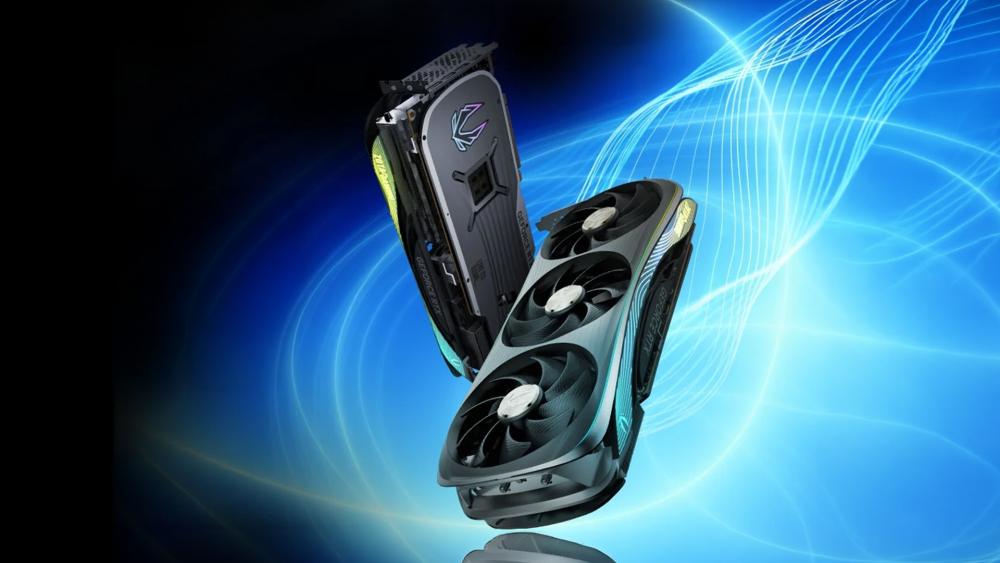
Key Things that Matter When Choosing an AMD Graphics Card for 4K Gaming
Not every GPU is built for 4K. Some can reach it with help from upscaling, while others are much better suited to 1440p. To choose properly, focus on the factors that actually shape the experience.
VRAM Matters More than Most Buyers Realise
If there is one spec that deserves serious attention for 4K, it is VRAM.
At 4K resolution:
- texture assets are heavier
- memory usage rises more quickly
- ray tracing and higher settings demand more headroom
- modern games are less forgiving of smaller memory buffers
For a current 4K build, the practical guidance is:
- 12GB: workable, but not ideal for long-term 4K comfort
- 16GB: the safer target for modern 4K gaming
- 20GB and above: best for more demanding or longer-term high-end use
That is why AMD GPU VRAM for 4K is such an important part of the decision. In a 4K setup, memory capacity is not just a nice extra. It is part of what keeps the system stable and comfortable in heavier titles.
GPU Tier is Critical
Not every AMD card in the current stack is really meant for 4K gaming.
A clean way to think about it is this:
Entry-level and lower-mid GPUs
Cards closer to the lower end of the stack are better suited to 1080p or 1440p. They may still output 4K and can sometimes manage lighter 4K workloads, but they are not the best fit for demanding modern games at that resolution.
Upper-mid range GPUs
This is where "entry 4K" begins. Some upper-mid range cards can deliver playable 4K with sensible settings and FSR enabled. This is often the value-minded route into 4K rather than the no-compromise route.
The AMD 9060 XT for gaming sits more naturally in this conversation as a strong 1440p card with some 4K flexibility depending on the title and use of FSR, especially in its 16GB form.
High-end GPUs
This is where a true AMD Graphics Card for 4K Gaming starts to make the most sense. Cards in this bracket are better equipped for high settings, smoother frame rates, and a more convincing long-term 4K experience. The AMD RX 9070 graphics cards are the sort of tier buyers should be focusing on first if 4K is a genuine priority.
FSR Support and Game Compatibility
An AMD graphics card for 4K Gaming becomes much easier to justify when the games you play support FSR well.
FSR helps by:
- raising frame rates at 4K
- reducing the raw rendering burden
- improving the value of mid-to-high tier GPUs
- making ray tracing more realistic to use in supported titles
AMD's latest FSR stack is increasingly important here. On newer RDNA 4 cards, the newer FSR technologies go beyond simple upscaling and include frame generation and ray regeneration, which helps supported games feel smoother and look sharper.
So, when buyers think about AMD FSR for 4K gaming, it should not be treated like a bonus extra. It is one of the central reasons Radeon can be so competitive in the 4K conversation.
Ray Tracing Expectations
Ray tracing looks great, but it is expensive in GPU terms. Even on current hardware, it adds a heavy load, especially at 4K.
AMD has improved ray tracing performance significantly on newer generations, and AMD's current RDNA 4 messaging makes that a major part of the platform story. But if you want strong 4K ray tracing, you still need:
- a higher-end card
- enough VRAM
- realistic expectations
- FSR support enabled in many cases
So, if ray tracing is important to your build, lean towards the stronger end of the AMD lineup rather than treating it as something every GPU will handle equally well.
Cooling and power still matter
4K gaming pushes a graphics card hard. That means:
- more sustained heat
- higher power draw
- more reliance on your case airflow and PSU quality
This is one of the most overlooked parts of a 4K gaming PC build GPU conversation. A strong card still needs the rest of the system to support it properly. If the build is cramped or powered by an underwhelming supply, you are making life harder for the GPU before the first game even launches.
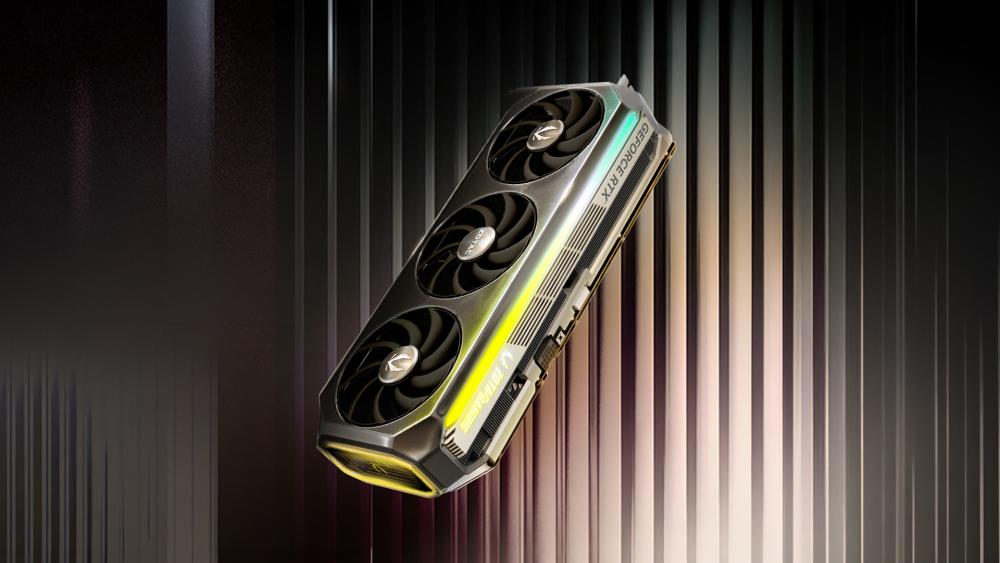
Which AMD GPUs Make the Most Sense for 4K Gaming?
Not every AMD graphics card is built with 4K gaming in mind, so it helps to think in terms of performance tiers rather than model numbers alone. The right choice depends on whether you want a more affordable route into 4K, a better-balanced long-term option, or the strongest possible performance with fewer compromises.
Good Entry Points into 4K
Some AMD GPUs can handle 4K gaming, but they usually do so best with a few sensible compromises. That might mean lowering a handful of settings, relying on AMD FSR, or targeting a smoother experience in less demanding titles rather than expecting maximum settings in every new AAA release.
These are often the right fit for buyers who want to step into 4K without spending at the very top end of the market. They can still deliver an impressive experience, but they are better thought of as 4K-capable rather than true no-compromise 4K cards.
Recommended Options
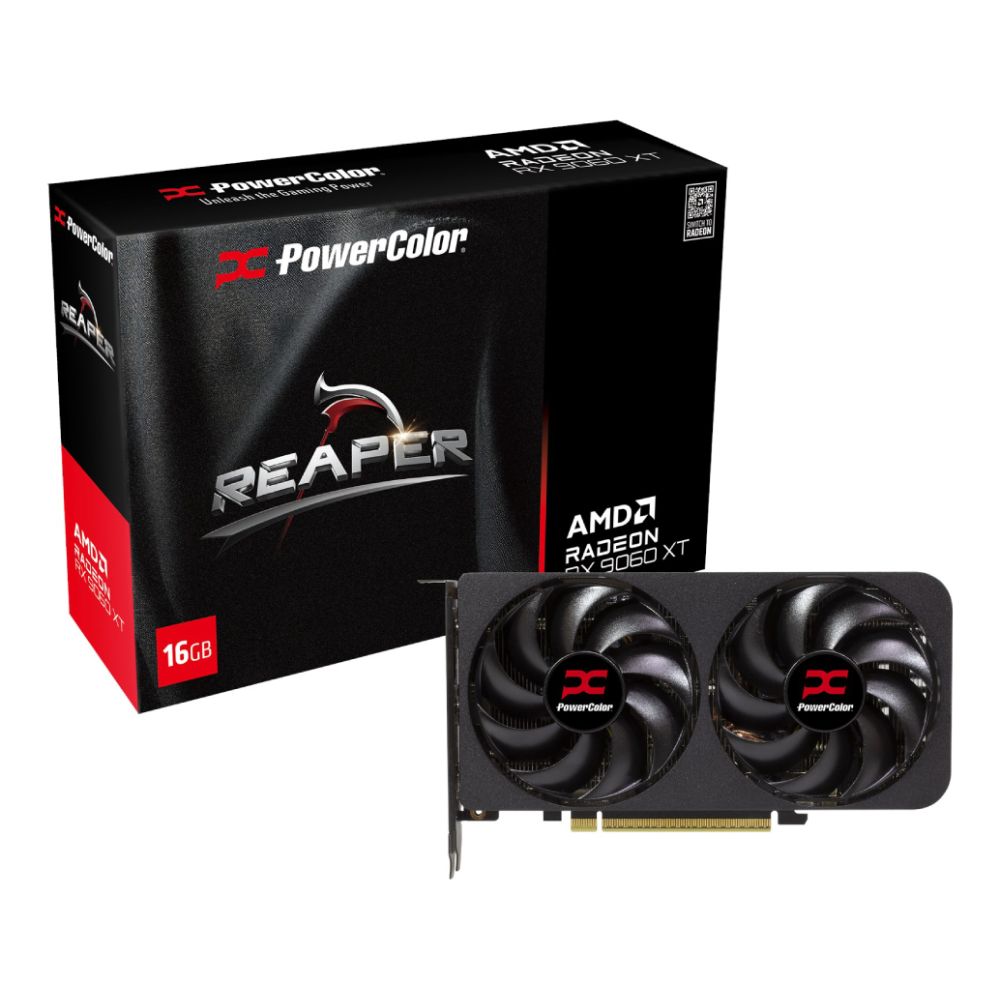
PowerColor Radeon RX 9060 XT Reaper 16GB:
A sensible lower-cost route into 4K gaming, especially if you plan to use FSR and focus on a balanced settings approach.
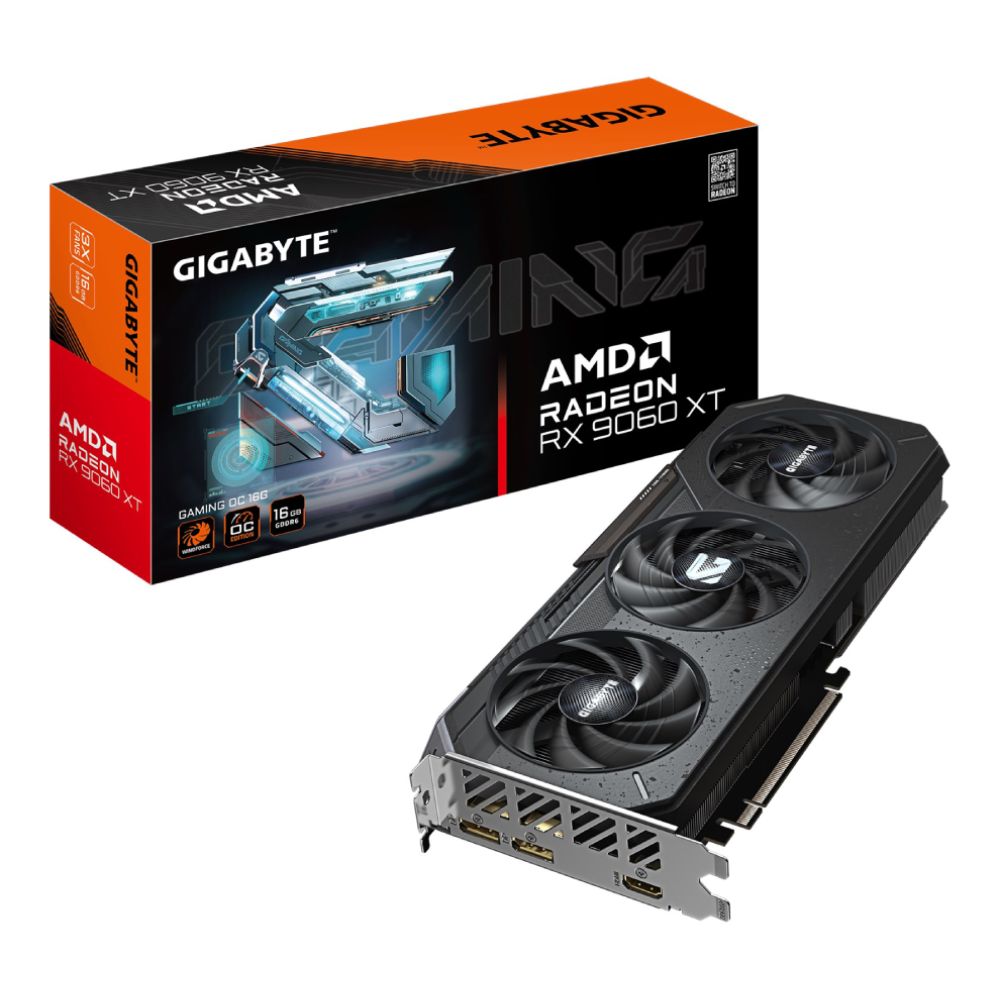
Gigabyte Radeon RX 9060 XT GAMING 16GB OC
Another strong entry-level 4K option with the advantage of 16GB VRAM, which is far more reassuring for modern high-resolution gaming than 8GB alternatives.
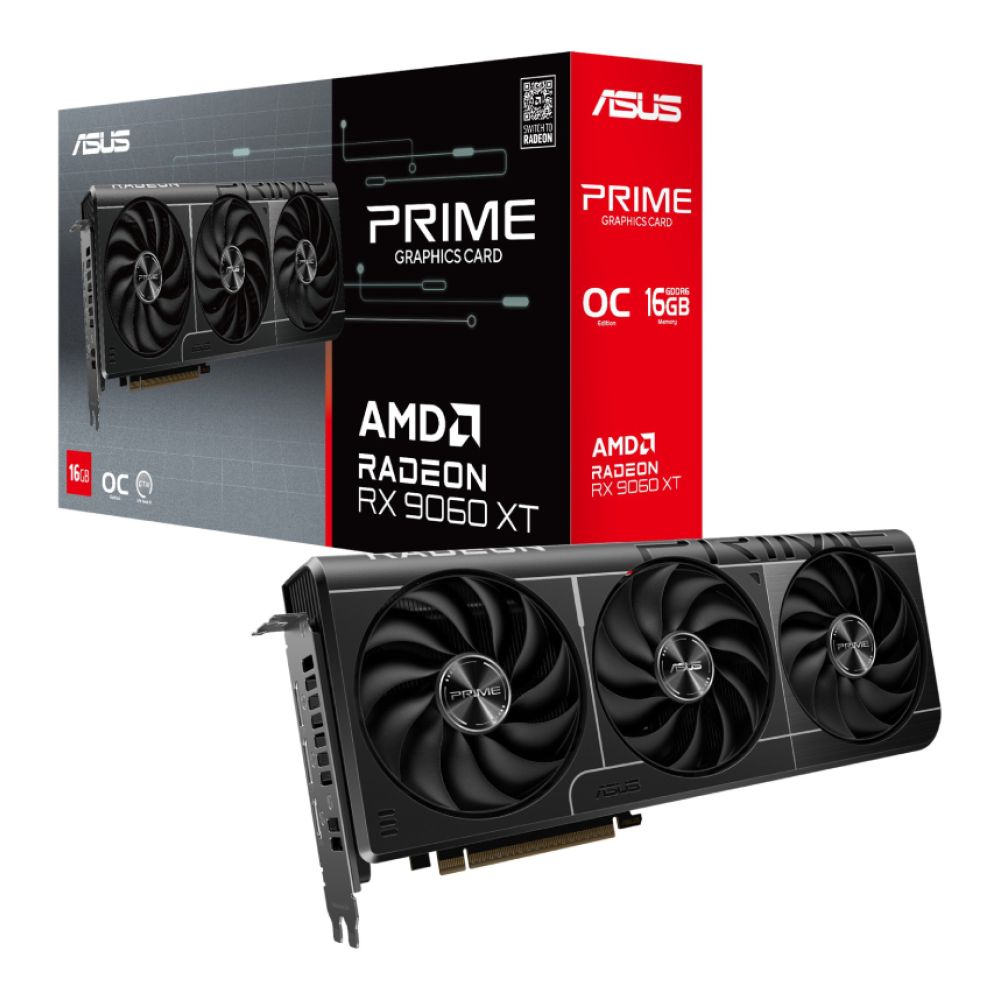
ASUS Radeon RX 9060 XT Prime 16GB OC
A good fit for buyers who want an AMD card that can stretch into 4K while still sitting below the more expensive RX 9070-class range.
The Real Sweet Spot
For most buyers, the smartest place to look is the upper-mid to high-end part of AMD's lineup. This is where you usually get the best balance of frame rates, VRAM capacity, and overall value for modern 4K gaming.
Cards in this tier are more comfortable handling newer titles at high settings, and they make better long-term sense if you want a system that will stay capable as game demands continue to rise. For many people, this is where the best AMD GPU for 4K conversation becomes most practical, because it gives you strong performance without jumping straight to the most expensive options available.
Recommended Options
ASUS Prime Radeon RX 9070 OC Edition 16GB
A very solid middle-ground choice for buyers who want strong 4K performance without stepping up to the highest-priced models.
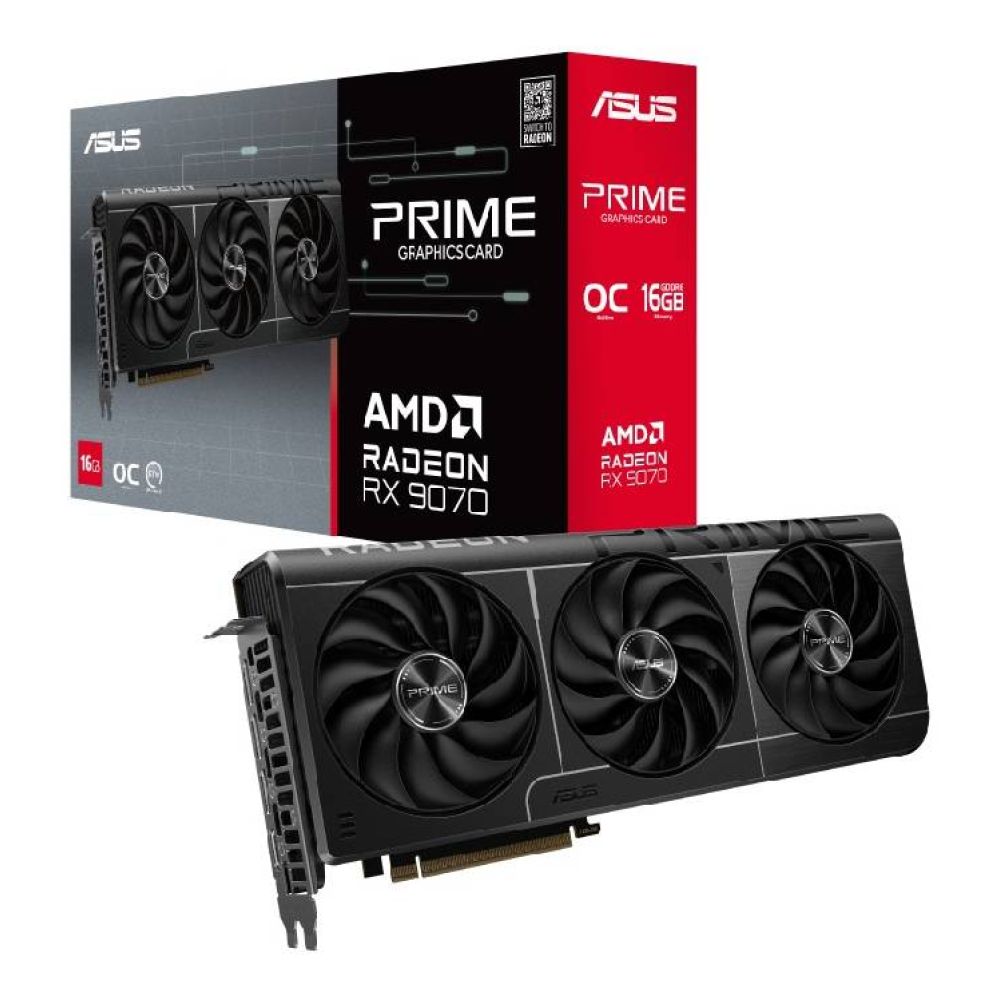
Shop ASUS Prime Radeon RX 9070
PowerColor Radeon RX 9070 Reaper 16GB
A good all-round option for buyers who want better 4K comfort and stronger long-term value than the entry-level 4K tier.
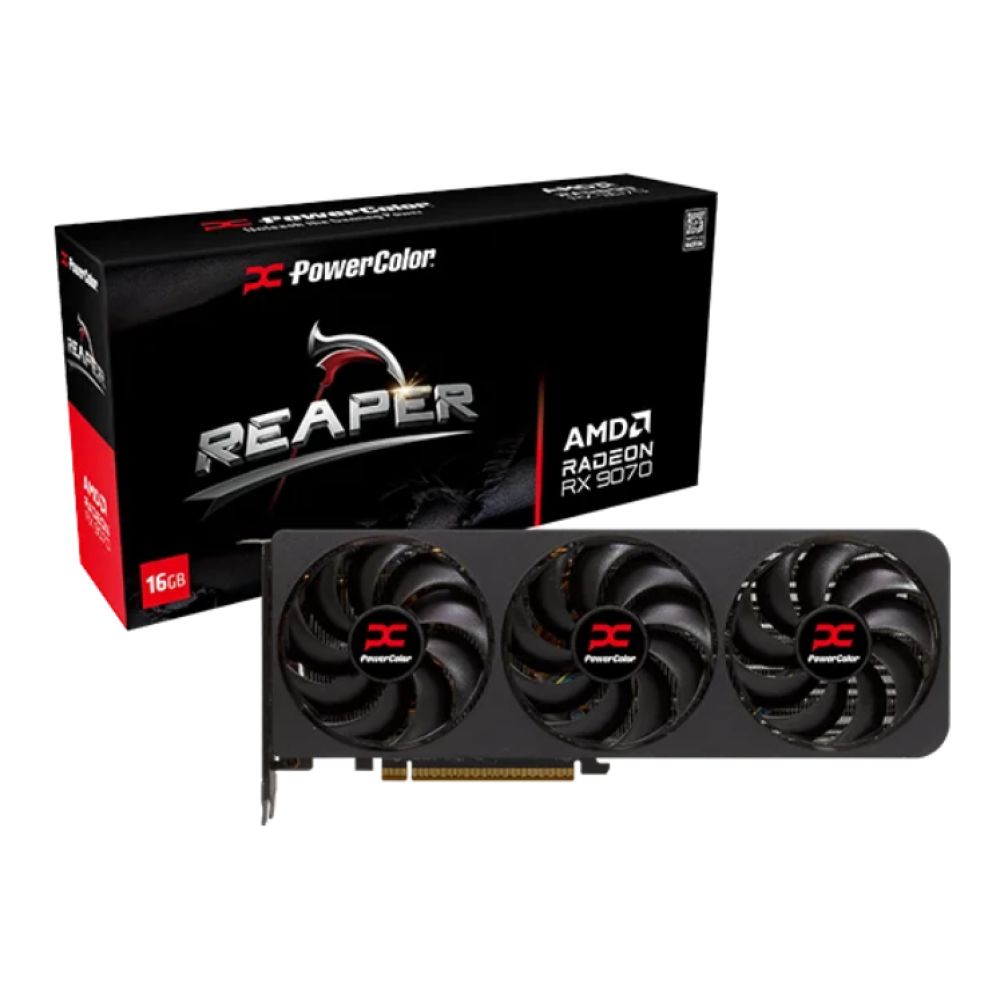
Shop PowerColor AMD Radeon RX 9070
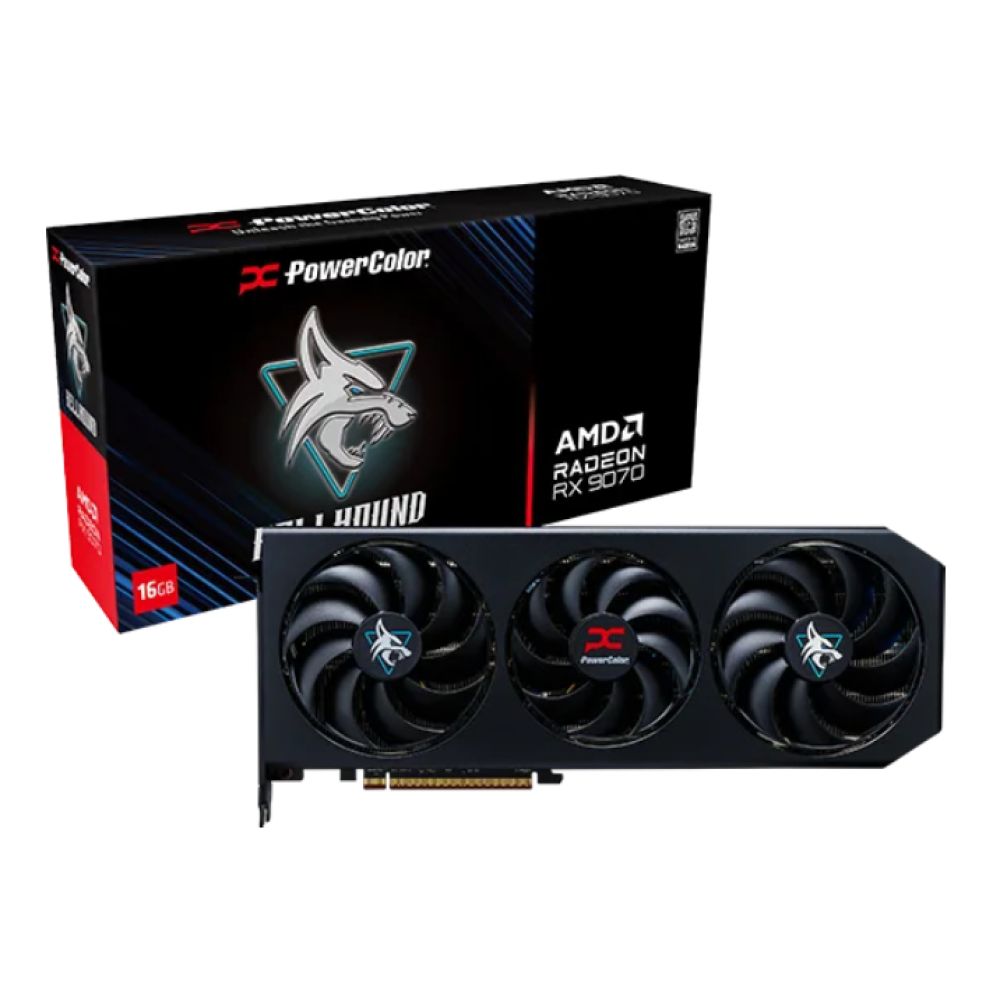
PowerColor Radeon RX 9070 Hellhound 16GB OC
A slightly more premium option in the same class, well suited to gamers who want a stronger high-settings 4K experience.
Best Fit for No-Compromise 4K
If your goal is to play at 4K with high or ultra settings and keep compromises to a minimum, then AMD's most powerful Radeon tiers are the ones worth focusing on. This is where native or near-native 4K becomes far more realistic across a wider range of demanding games, especially if you also care about stronger ray tracing performance and a bit more breathing room for the future.
These higher-end GPUs are the best match for players who want the most consistent 4K experience possible and would rather buy once, buy properly, and avoid feeling the need to upgrade too soon.
In simple terms, the best AMD card for 4K is not always the cheapest one that can technically run a game at that resolution. It is the one that gives you the right balance of performance, memory, and long-term usability for the kind of 4K gaming experience you actually want.
Recommended options
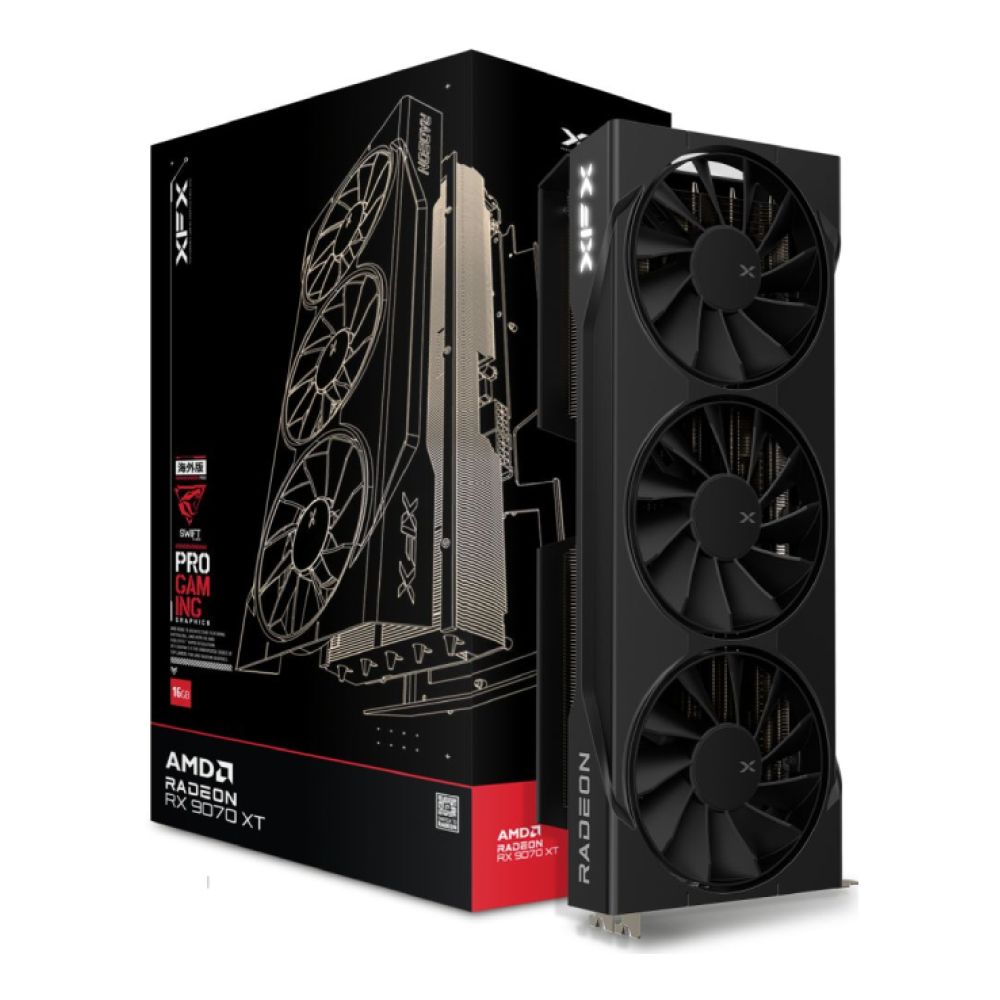
XFX Swift AMD Radeon RX 9070 XT 16GB
One of the strongest value picks here for serious 4K gaming, especially given its current price compared with other RX 9070 XT options.
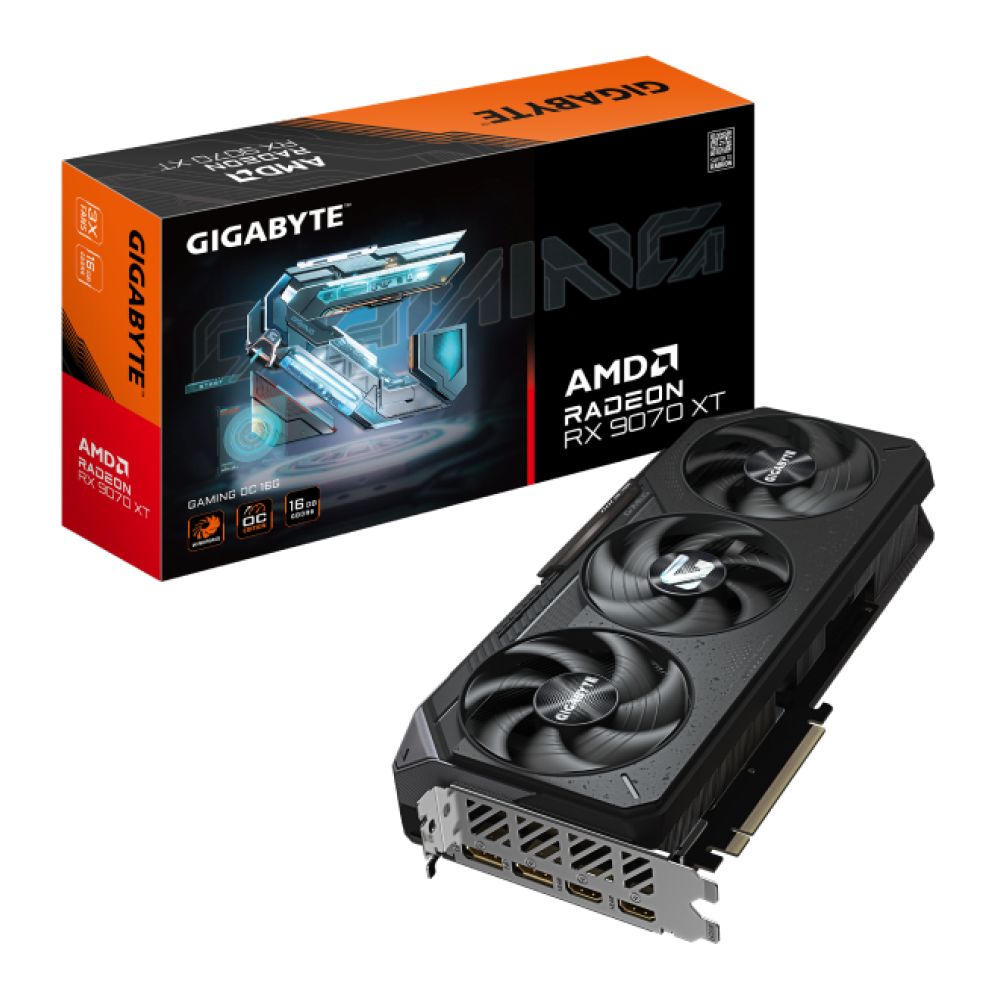
Gigabyte Radeon RX 9070 XT GAMING OC 16GB
A strong fit for buyers who want a more premium RX 9070 XT option for demanding 4K workloads.
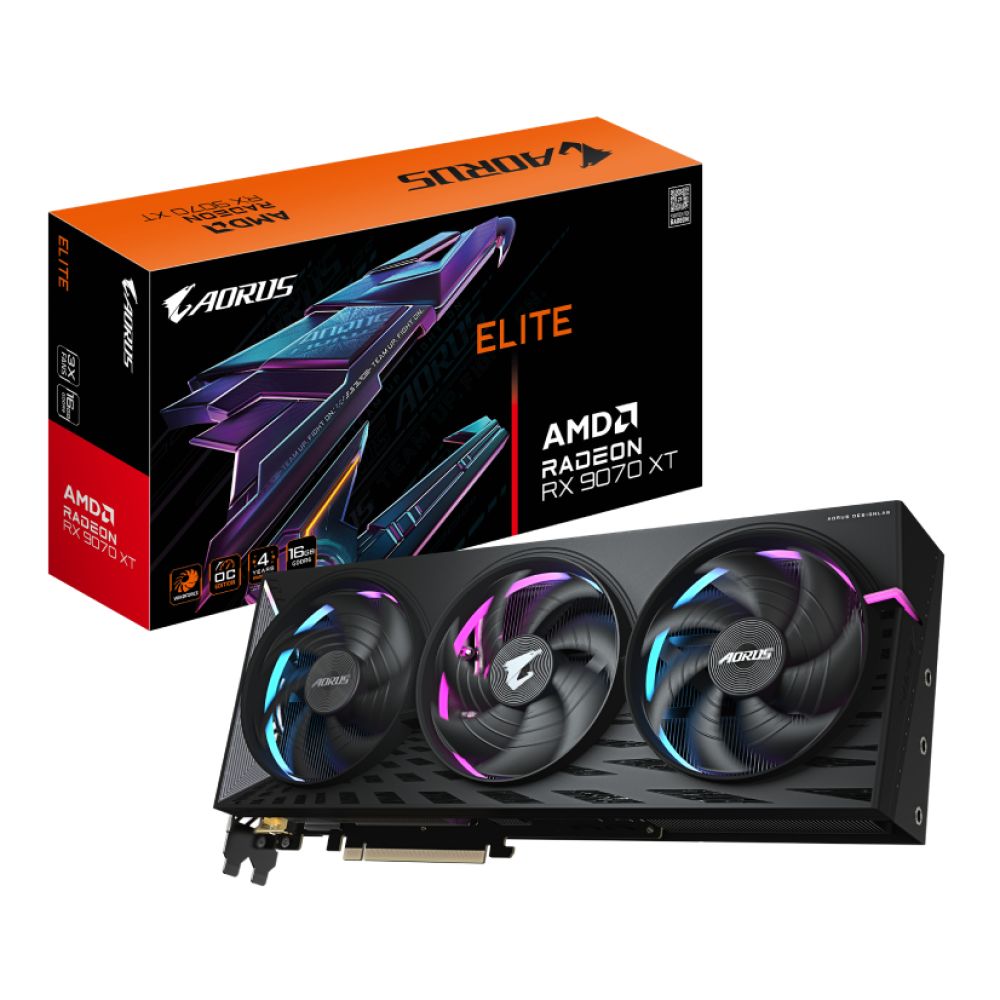
GIGABYTE AORUS Radeon RX 9070 XT ELITE 16GB
Best suited to enthusiasts who want a higher-end card within the RX 9070 XT class and are willing to pay more for a more premium model.
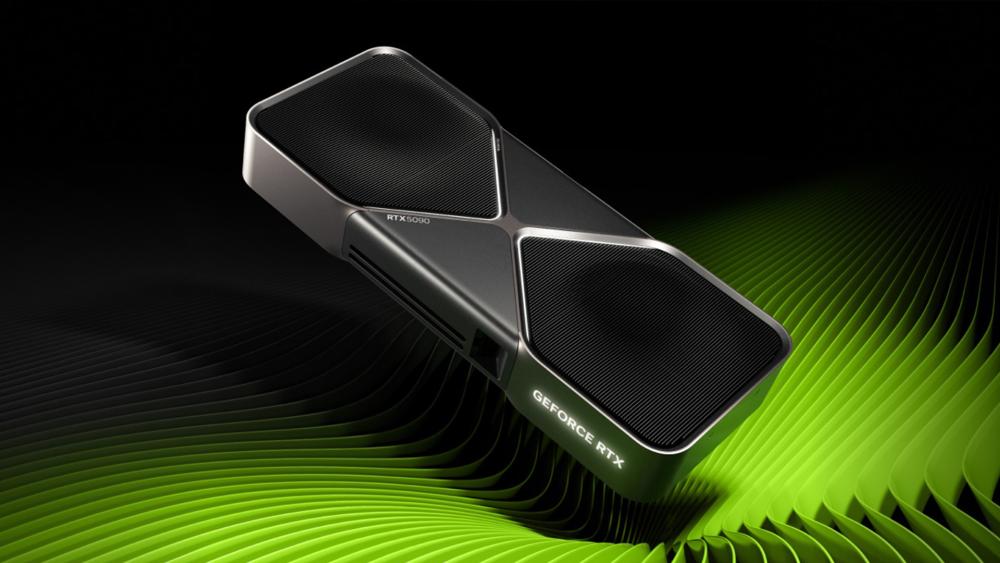
PowerColor Radeon RX 9070 XT Red Devil 16GB OC
Another high-end option for buyers chasing a more serious, no-compromise 4K gaming setup.

Shop PowerColor AMD RX 9070 XT
Building a 4K Gaming PC around an AMD GPU
Choosing the GPU is only part of the story. A 4K build still needs a balanced platform behind it.
For a smoother 4K setup, the rest of the system should usually include:
- a strong Ryzen processor
- enough fast memory
- NVMe SSD storage
- a reliable power supply
- adequate case airflow and cooling
That does not mean every build has to be extreme, but it does mean the GPU should not be paired with weak supporting hardware that drags the whole system down. If you are pairing a Radeon GPU with an AMD platform, our ranges for Ryzen processors and AMD graphics cards are the best places to start.
Common Mistakes to Avoid
Buying Too Little VRAM
For 4K, this is the big one. A card that looks fine on paper can feel far less future-ready if the VRAM allocation is too tight.
Assuming Every Modern GPU is a 4K GPU
Some cards are excellent at 1080p or 1440p and only reach 4K comfortably with upscaling and settings compromises. That is not the same thing as being built for 4K-first gaming.
Ignoring FSR
FSR is one of the strongest reasons to choose Radeon at 4K. Ignoring it means ignoring one of AMD's biggest real-world advantages.
Overcommitting to Ray Tracing
4K ray tracing is still a demanding workload. If it matters to you, budget for it properly rather than treating it like a free extra.
Forgetting the rest of the build
A 4K GPU still needs decent cooling, a reliable PSU, and a capable CPU around it.
Why AMD FSR Matters So Much for 4K Gaming
One of the biggest reasons AMD is now a far stronger option for 4K gaming is FSR. A few years ago, buying an AMD Graphics Card for 4K Gaming was more heavily tied to raw GPU power alone. Today, that is no longer the full story. AMD's upscaling and frame-generation technologies now play a major role in how well a card can handle demanding games at higher resolutions.
At its core, FSR helps reduce the performance cost of running games at 4K. Instead of forcing the GPU to render every frame at full native resolution all the time, it allows supported games to render internally at a lower resolution and then upscale the image in a way that still aims to look sharp on a 4K display. The result is that frame rates can improve significantly without forcing the kind of heavy visual compromises that used to make 4K feel far less practical on anything short of a top-tier card.
That has a few important benefits for gamers. It can make smoother frame rates more achievable in demanding titles, make higher graphics settings easier to use, and help modern AMD GPUs and specifically gaming GPUs, go further at 4K than raw native rendering alone might suggest. In real-world terms, it gives buyers more flexibility. Instead of choosing between visual quality and playable performance quite so harshly, FSR helps bring those two things closer together.
AMD's current FSR feature set also goes beyond simple upscaling. Depending on the game and GPU generation, it can include:
- upscaling for improved performance at high resolutions
- frame generation for smoother gameplay
- ray regeneration on supported newer hardware to improve the handling of ray-traced workloads
That is a big part of why the 4K conversation around AMD looks very different now compared with a few years ago. AMD is no longer relying on raw hardware strength alone. It is combining hardware and software far more effectively, which makes high-resolution gaming more accessible across a wider range of GPUs. For anyone choosing an AMD Graphics Card for 4K Gaming, that makes FSR one of the most important features to pay attention to, not just a bonus extra.
Future-Proofing Your 4K Setup
If you are investing in a new GPU for 4K, it makes sense to think a bit longer-term.
The most future-proof AMD 4K gaming setup will usually prioritise:
- 16GB or more VRAM
- newer architecture
- strong FSR support
- enough overall GPU tier headroom to stay comfortable in newer games
That does not mean spending without limits. It means avoiding the mistake of buying PC graphics cards that only just scrapes into 4K today and may feel cramped much sooner than expected.
Wrapping Up:
Choosing the right AMD Graphics Card for 4K Gaming is really about balancing GPU tier, VRAM, and modern features like FSR against the kind of games you actually play. 4K is demanding, and the wrong card can turn what should be a premium gaming experience into a constant compromise. The right Radeon GPU, on the other hand, can deliver strong visual quality, smoother performance, and much better long-term value.
AMD's appeal is clear. It brings strong VRAM capacity, increasingly capable ray tracing, and one of the most important 4K gaming tools on the market in FSR. That combination makes Radeon a serious option for anyone building or upgrading a 4K system.
So the best advice is simple: do not shop for 4K by price tag alone. Focus on memory, platform fit, and realistic performance tier. That is what will make the difference between a GPU that merely says it can do 4K and one that actually feels good doing it.
FAQs
What is the best AMD graphics card for 4K gaming?
The best AMD graphics card for 4K gaming depends on the level of performance you want. If you are aiming for a smoother and more consistent 4K experience with fewer compromises, higher-end Radeon cards are usually the better fit. If you are happy to use AMD FSR and adjust settings more carefully, some upper-mid-range options can still deliver a strong 4K experience at a lower cost.
Is 16GB VRAM enough for 4K gaming?
Yes, in most cases 16GB VRAM is a strong target for 4K gaming. It gives modern games more breathing room for high-resolution textures, larger environments, and more demanding visual settings. For buyers building a 4K-ready system, 16GB is generally the safer and more future-ready choice than lower VRAM capacities.
Can AMD GPUs handle 4K gaming well?
Yes, AMD GPUs can handle 4K gaming very well, especially in the higher tiers of the Radeon lineup. AMD has become much more competitive at 4K thanks to stronger GPU performance, generous VRAM capacity, and technologies like FSR that help improve frame rates in demanding games.
Do I need FSR for 4K gaming on AMD?
Not always, but it helps a lot. FSR can make 4K gaming much smoother by improving frame rates and reducing the performance cost of rendering at native 4K. If you want to push higher settings or get more life out of a mid-to-high-tier AMD card, FSR is one of the most useful features to have.
Is ray tracing worth using on an AMD graphics card for 4K gaming?
Ray tracing can look excellent, but it adds a heavy performance load, especially at 4K. If ray tracing matters to you, it makes more sense to focus on the stronger end of AMD's lineup and to use FSR where supported. For many players, traditional raster performance still matters more than maxing out ray tracing settings.
What VRAM should I look for in an AMD 4K gaming GPU?
For 4K gaming, 12GB is the practical minimum, but 16GB or more is the better target for a more comfortable and longer-lasting setup. If you want stronger future-proofing and plan to play newer AAA titles at high settings, higher VRAM capacity becomes even more important.
Are AMD GPUs good value for 4K gaming?
Yes, AMD GPUs are often considered good value for 4K gaming because they tend to offer strong raster performance and generous VRAM at competitive prices. That makes them especially appealing for buyers who want a high-performance gaming experience without immediately stepping into the most expensive GPU tier available.
What other components matter in a 4K gaming PC build?
The graphics card is the most important part, but it is not the only one that matters. A good 4K gaming PC should also have a capable CPU, enough RAM, fast SSD storage, a reliable power supply, and proper cooling. A strong GPU will perform much better when the rest of the system is balanced around it.
Is an entry-level AMD GPU enough for 4K gaming?
Some entry-level or lower-mid-range AMD GPUs can reach 4K, but usually with more compromises. They are better suited to buyers who are happy to use FSR, lower some settings, and treat 4K as achievable rather than effortless. For a more comfortable 4K experience, it is usually worth looking at a higher tier.
How do I future-proof an AMD GPU for 4K gaming?
The best way to future-proof a 4K gaming setup is to prioritise enough VRAM, a newer GPU architecture, and strong support for features like FSR. In most cases, choosing a card with 16GB or more VRAM and enough overall performance headroom will help your build stay capable for longer.
You can pay with:
*PayPal Credit Representative Example: Assumed credit limit £1,200, Representative 23.9% APR (variable). Purchase rate 23.9% p.a (variable).Terms & Conditions apply.


PayPal Credit and PayPal Pay in 3 are trading names of PayPal UK Ltd, 5 Fleet Place, London, United Kingdom, EC4M 7RD. Terms and conditions apply. Credit subject to status, UK residents only, Five Tech LTD acts as a broker and offers finance from a restricted range of finance providers. PayPal Pay in 3 is not regulated by the Financial Conduct Authority. Pay in 3 eligibility is subject to status and approval. 18+. UK residents only. Pay in 3 is a form of credit. Check if affordable and how you will repay. May make other borrowing more difficult or expensive. See product terms for more details.
Copyright © 1996-2026 Fivetech LTD | Terms and Conditions
box.co.uk & Box are trading names of Five Tech Limited. Registered office: Box LTD, Unit 10 Woodford Trading Estate, Woodford Green IG8 8HF